
De verloren zoon verbrast zijn geld — History & Facts
Who listens when art speaks of silence? In De verloren zoon verbrast zijn geld, destiny unfolds through a poignant tableau, inviting viewers to confront the weight of choices and consequences. Look to the center where the young heir sits, a lavish feast spread before him, his expression a mixture of joy and recklessness. The opulent colors of gold and crimson envelop the scene, drawing attention to the extravagant banquets and the lively figures around him. Notice how the light falls upon the discarded coins, illuminating the fleeting nature of wealth, while the shadowy figures in the background hint at impending loss and regret. Yet, beneath the surface of indulgence lies a stark narrative of hubris and folly.
The juxtaposition of the vibrant feast with the ghostly outlines of the lost fortune speaks to the ephemeral quality of riches. The artist captures a critical moment—a celebration teetering on the brink of disaster—allowing viewers to sense the tension between desire and consequence. Each detail, from the gluttonous figures to the stark emptiness of what is soon to be lost, pulses with the energy of a foreboding fate. In 1635, while residing in Nancy, Jacques Callot created this powerful work during a time of profound change in the art world, marked by the Baroque's rise.
He was influenced by the moral tales popular in his day, and through this piece, he reflected societal concerns about wealth and morality, using both his unique style and mastery of printmaking to convey the tragic descent into ruin that accompanies unchecked desire.
More Artworks by Jacques Callot
Browse all →
Titelprent voor de prentreeks 'De kleine apostelen' (Het martelaarschap van de apostelen)
Jacques Callot
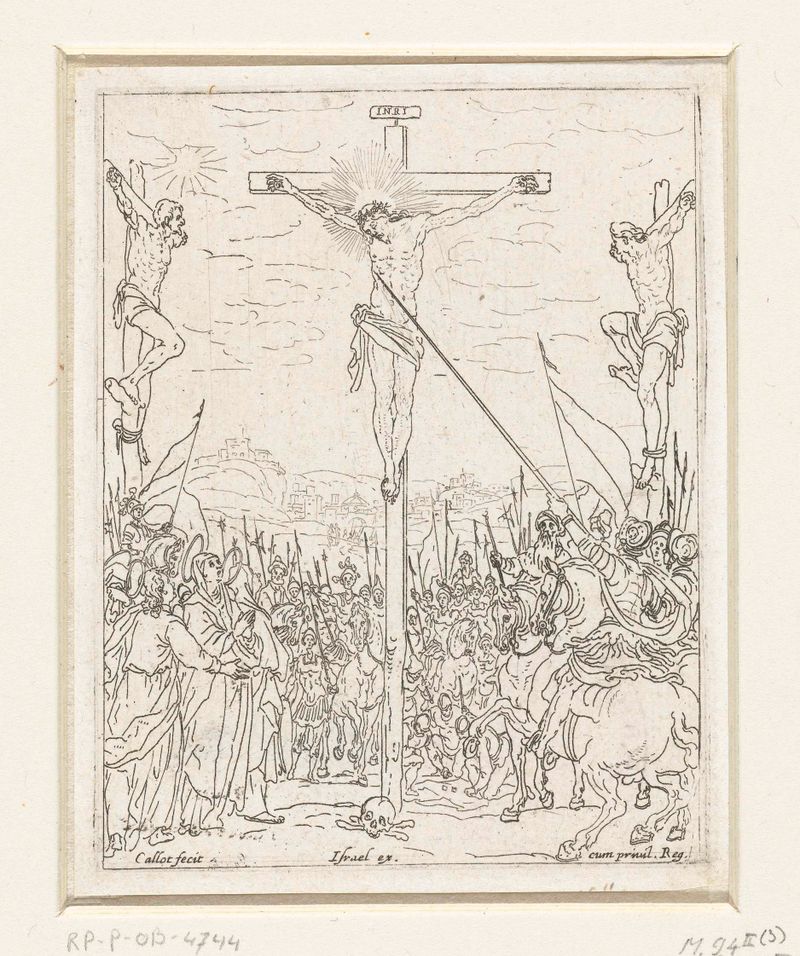
Kruisiging
Jacques Callot

De doortocht door de Rode Zee
Jacques Callot

De verloren zoon als zwijnenhoeder
Jacques Callot

Annunciatie
Jacques Callot
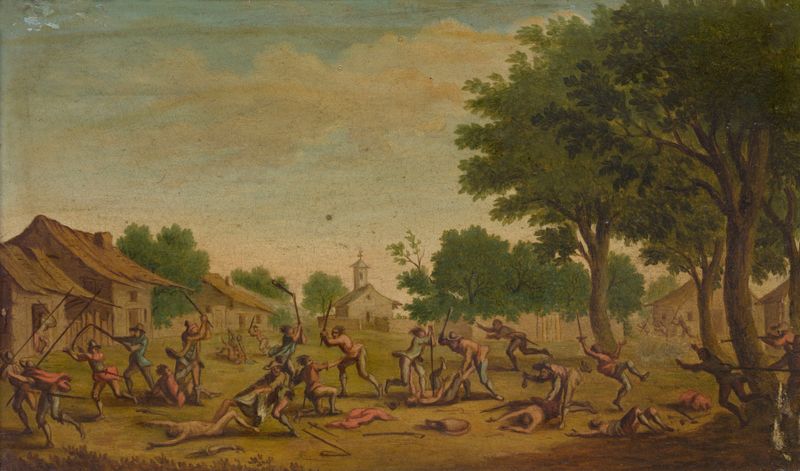
Village Fight
Jacques Callot

Titelprent voor prentreeks 'Het leven van Maria'
Jacques Callot
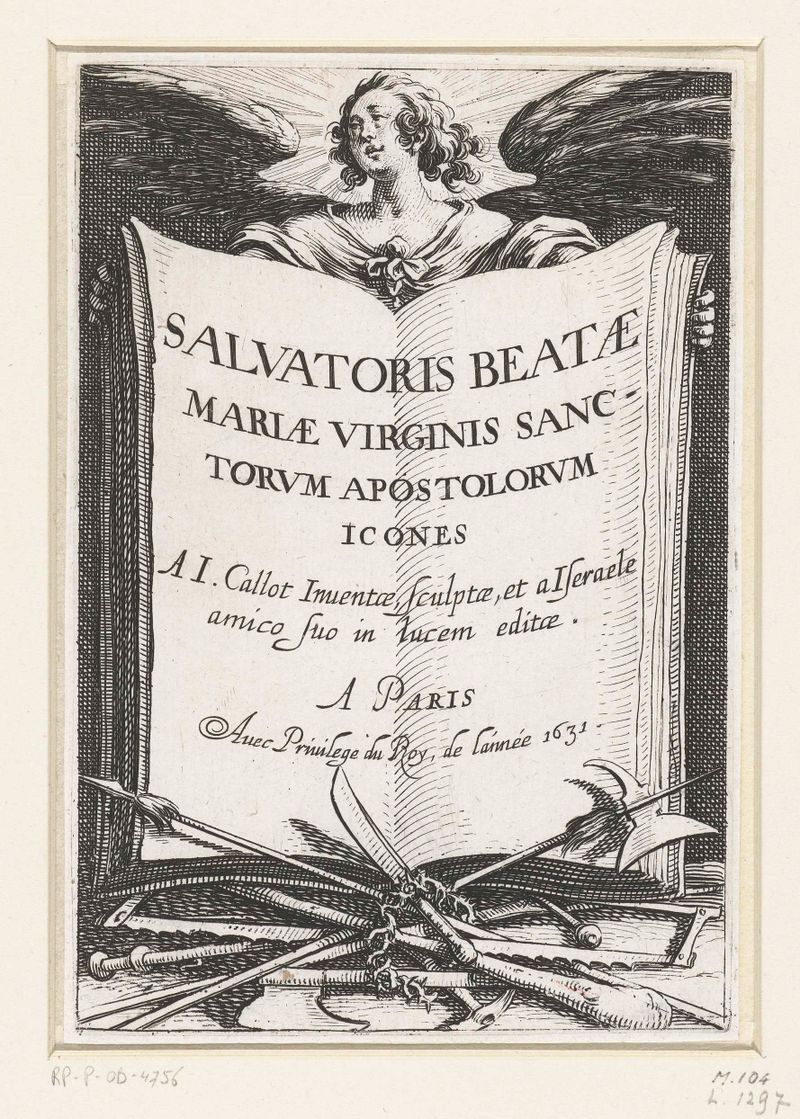
Titelprent voor de prentreeks 'De grote apostelen' (Christus, Maria en de apostelen)
Jacques Callot

Christus aan het volk getoond (Ecce homo)
Jacques Callot
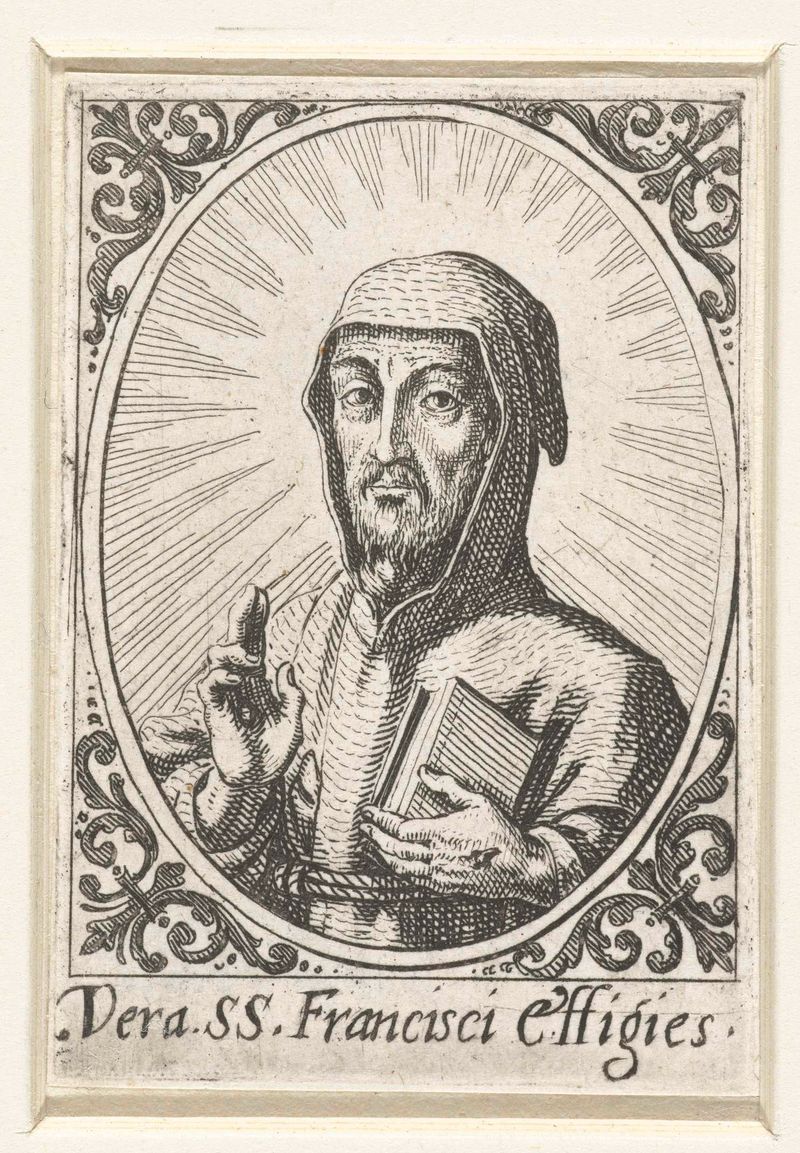
Portret van de Heilige Franciscus
Jacques Callot





