
De verloren zoon wordt verdreven — History & Facts
In the stark atmosphere of De verloren zoon wordt verdreven, violence simmers beneath the surface, whispering secrets of loss and humiliation in muted tones of despair. The tension embedded in this piece reverberates through the viewer, prompting a reflection on the darker aspects of human experience. Look to the center where the son stands, cast out yet defiantly erect amidst a swirling vortex of figures. The haphazard composition, with its chaotic arrangement of angry faces and outstretched hands, draws your gaze immediately.
Here, the palette draws upon muted earth tones, punctuated by the starkness of white and deep browns, illuminating the emotional turmoil of the scene. Notice the contrasting gestures; the son’s assertive pose juxtaposes the menacing crowd, their dynamic movements suggesting both aggression and a sense of mob mentality. The work holds several layers of meaning, particularly in the interplay of isolation and collective anger. The son’s alienation radiates from his physical stance, suggesting both vulnerability and a refusal to submit.
The surrounding figures, while unified in their condemnation, lack individuality, emphasizing the brutality that often accompanies societal judgment. This dichotomy invites an exploration of familial bonds and the painful consequences of societal rejection, each detail contributing to a palpable sense of tragedy. Created in 1635, the artist was grappling with themes of conflict and moral dilemmas in a society marred by religious strife and personal turmoil. Callot, known for his keen observations of human nature, painted this work during a period defined by socio-political upheaval in France.
The artwork reflects not only his experiences of the era but also an enduring commentary on the human condition, merging personal anguish with broader societal issues.
More Artworks by Jacques Callot
Browse all →
Titelprent voor de prentreeks 'De kleine apostelen' (Het martelaarschap van de apostelen)
Jacques Callot
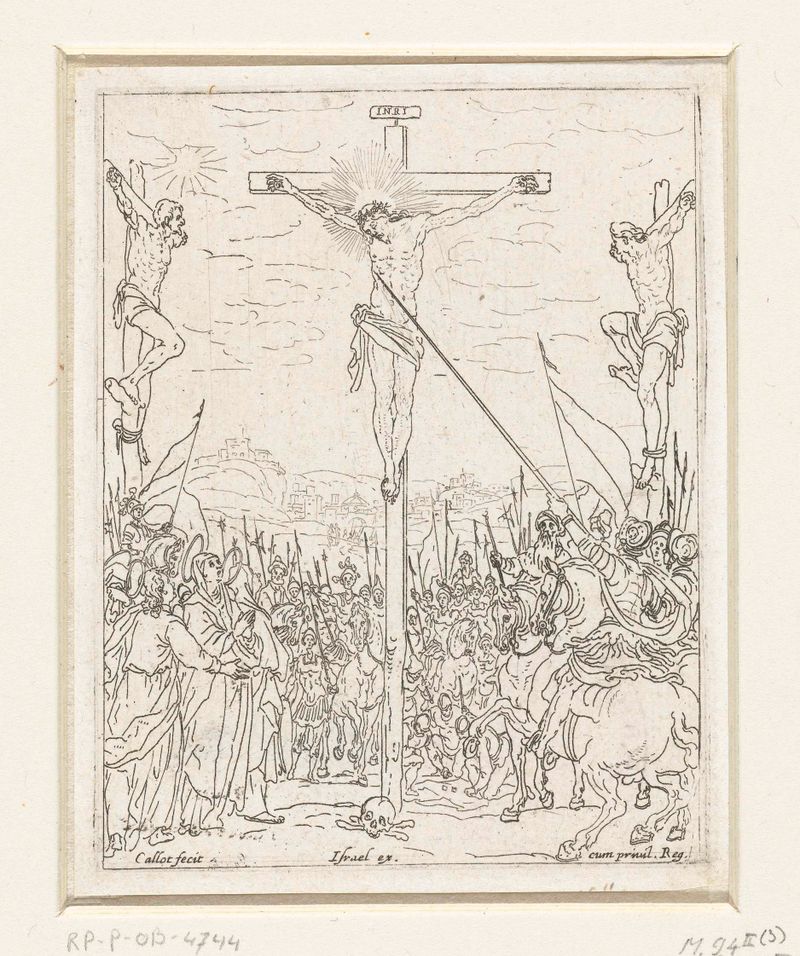
Kruisiging
Jacques Callot

De doortocht door de Rode Zee
Jacques Callot

De verloren zoon als zwijnenhoeder
Jacques Callot

Annunciatie
Jacques Callot
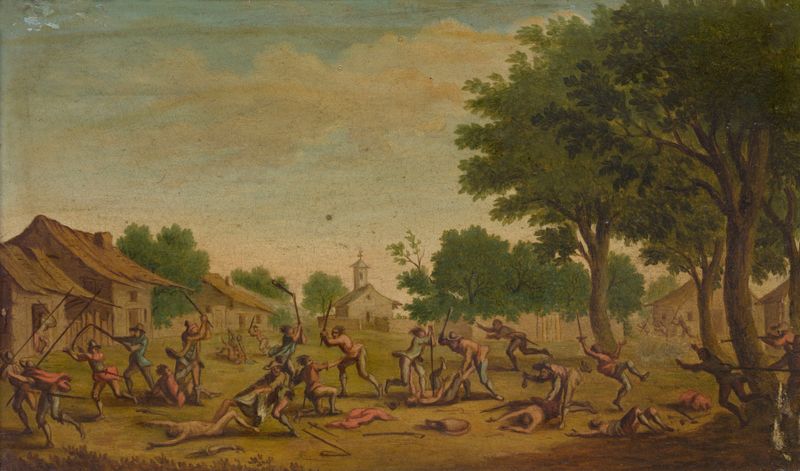
Village Fight
Jacques Callot

Titelprent voor prentreeks 'Het leven van Maria'
Jacques Callot
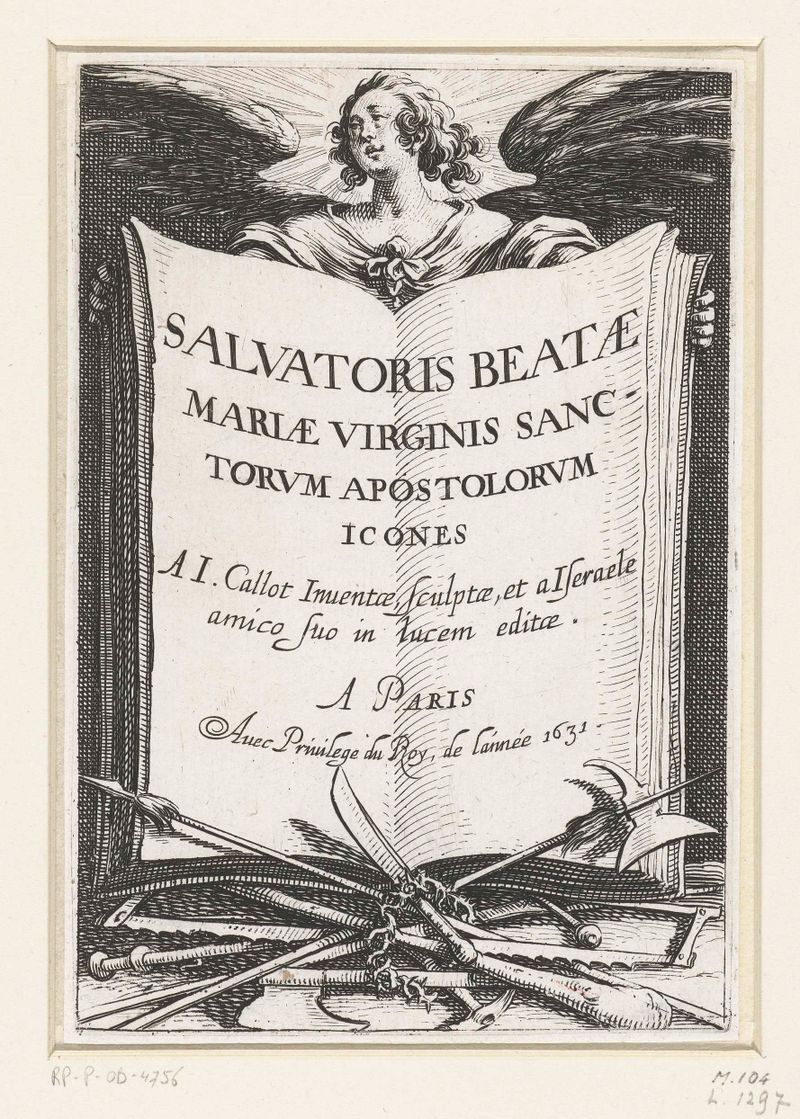
Titelprent voor de prentreeks 'De grote apostelen' (Christus, Maria en de apostelen)
Jacques Callot

Christus aan het volk getoond (Ecce homo)
Jacques Callot
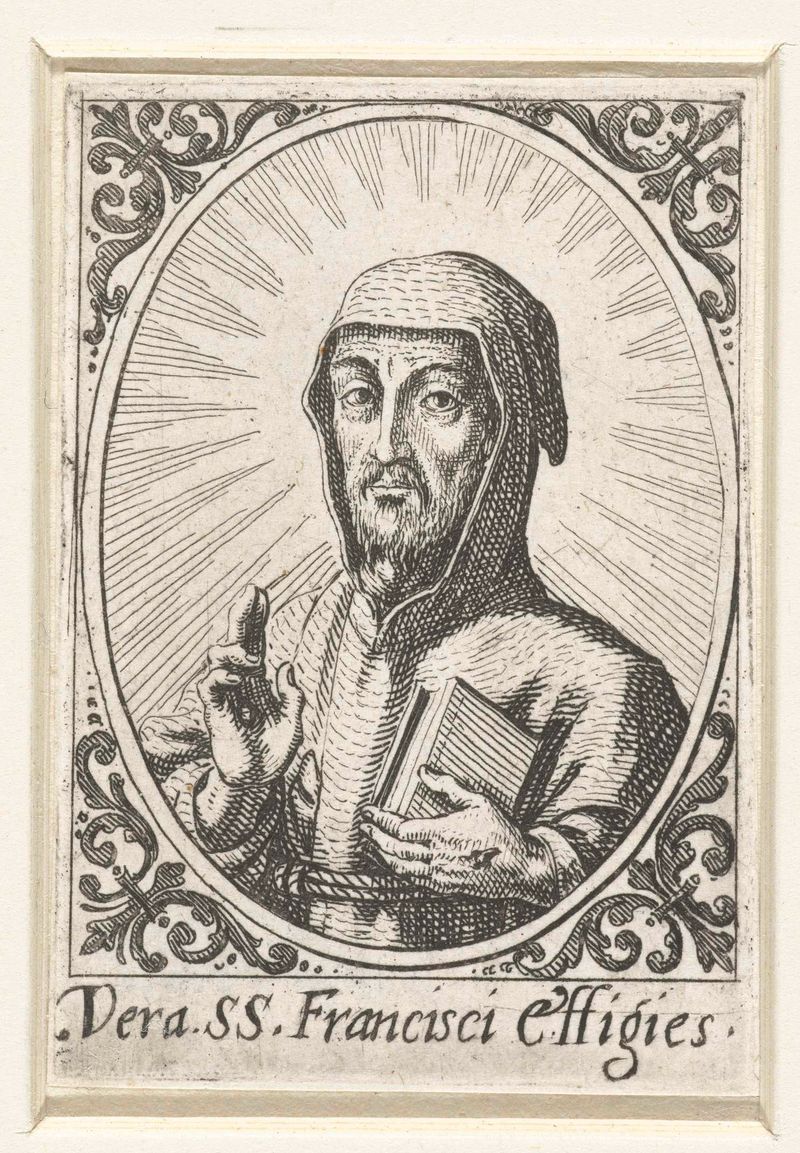
Portret van de Heilige Franciscus
Jacques Callot
More Historical Art
Browse all →
The Night Watch Militia Company of District II under the Command of Captain Frans Banninck Cocq
Rembrandt van Rijn

Lincoln Memorial
Henry Bacon

The Third of May 1808
Francisco de Goya

Isaac and Rebecca, Known as ‘The Jewish Bride’
Rembrandt van Rijn

The Charge of the Mamelukes (1814)
Francisco de Goya

De vier ruiters van de apocalyps
Albrecht Dürer