De zondeval — History & Facts
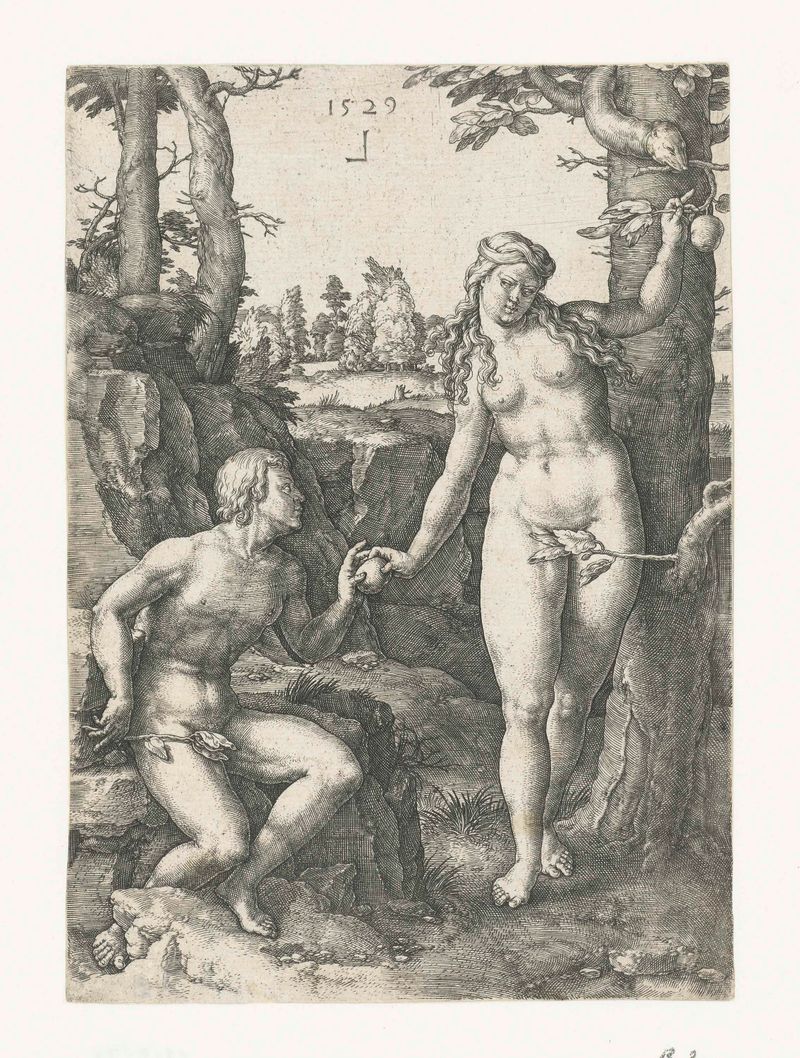
In the act of creation, we confront the echoes of loss, a theme palpable within this work. Look closely at the somber figures in De zondeval. Notice how the central scene unfolds, dominated by Adam and Eve, their naked forms stark against the lush, yet unforgiving landscape. The serpent coils in a taunting embrace of the tree, its vibrant greens contrast sharply with the muted, sorrowful hues surrounding the human figures.
The play of light across their skin draws your gaze, revealing their vulnerability and the impending weight of their fateful choice, while shadows linger, hinting at the darkness that will soon envelop them. The tension in this composition lies in the subtle gestures between the characters. Eve’s outstretched hand hesitates, caught between temptation and innocence, while Adam’s posture exudes both curiosity and dread. The fruit, glistening and seductive, symbolizes not just knowledge but the inevitable loss that accompanies it—an irrevocable shift in their existence.
Here, loss is not merely an absence but a profound transformation, underscored by the anguished expressions that foreshadow a cataclysmic change in paradise. Lucas van Leyden painted this piece in 1519 during a time when Northern Renaissance art was flourishing, marked by a deep interest in humanism and the complexities of human emotion. As he navigated the artistic currents of his era, he grappled with themes of morality and the human condition, profoundly influenced by the societal shifts around him. In De zondeval, he created a poignant visual dialogue addressing the fragility of innocence and the burdens of knowledge.
More Artworks by Lucas van Leyden
Browse all →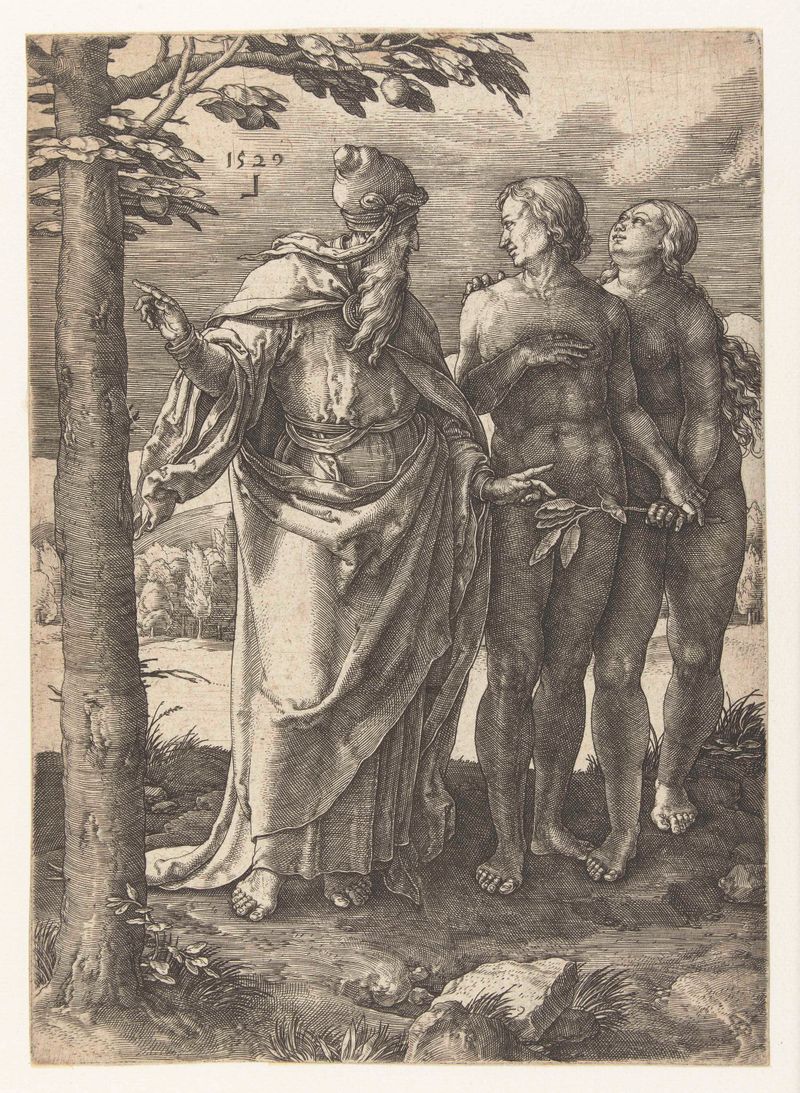
Het eerste verbod
Lucas van Leyden
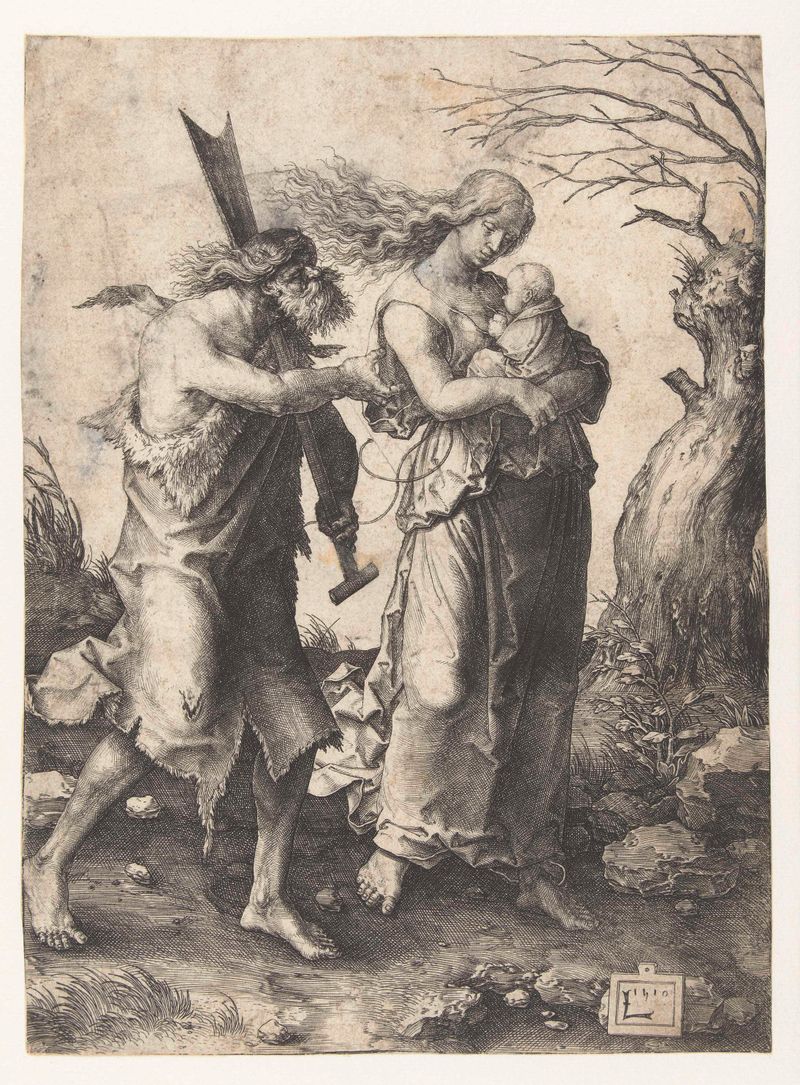
Adam en Eva na de verdrijving uit het paradijs
Lucas van Leyden
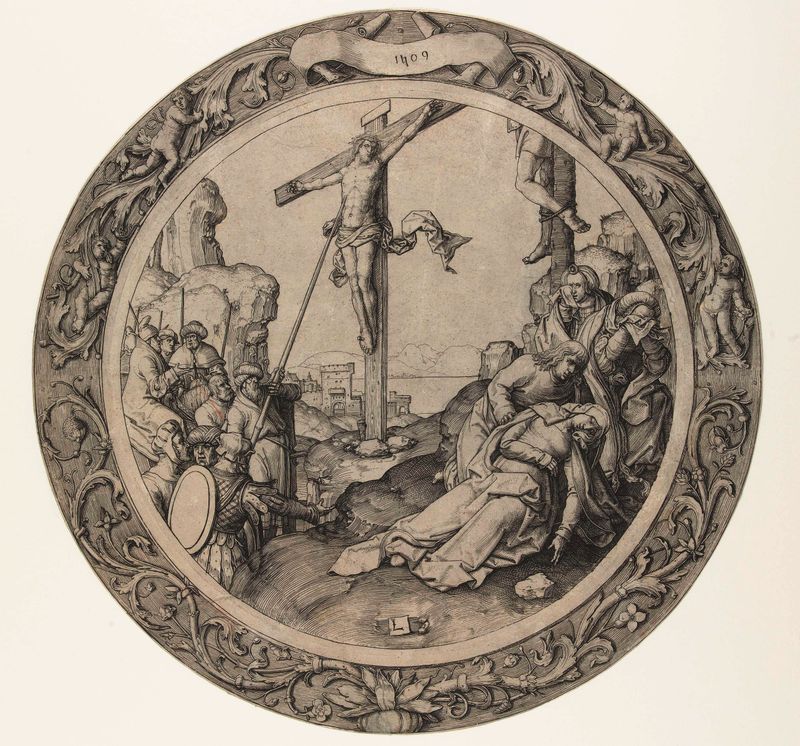
De kruisiging
Lucas van Leyden
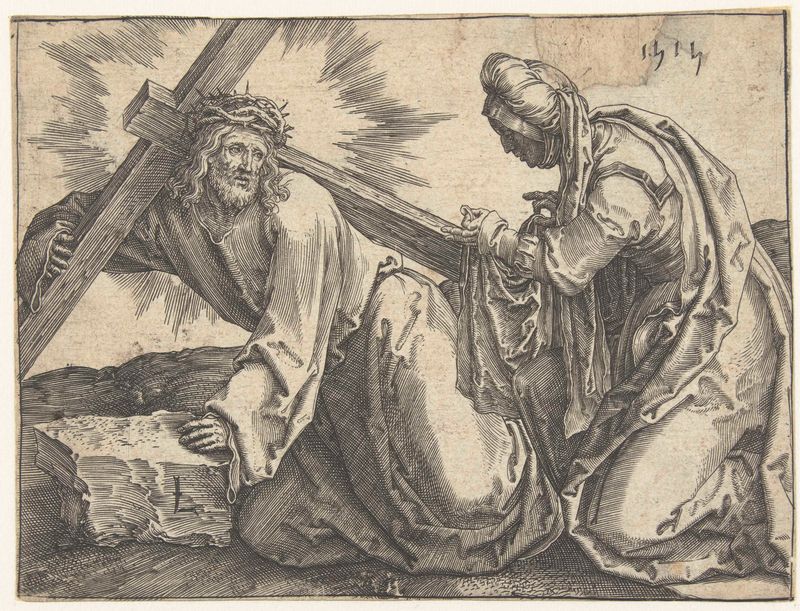
Kruisdraging
Lucas van Leyden
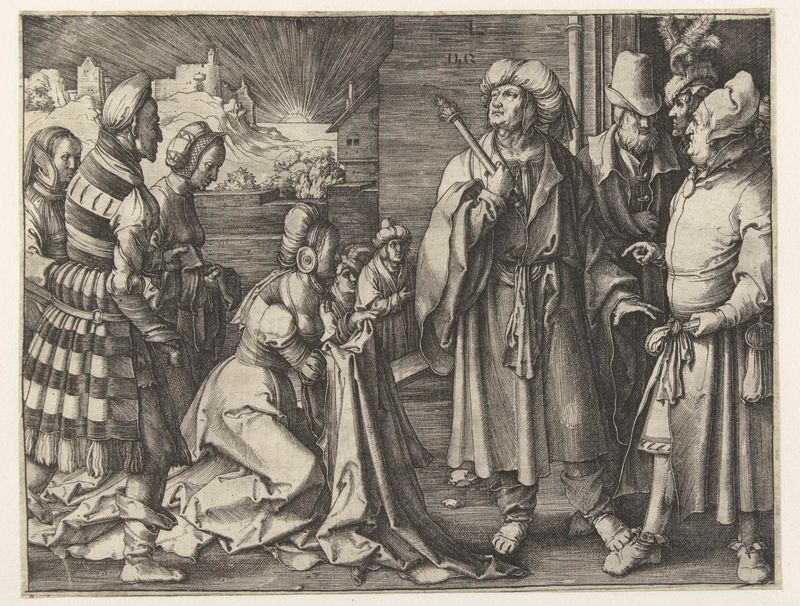
De vrouw van Potifar beschuldigt Jozef
Lucas van Leyden
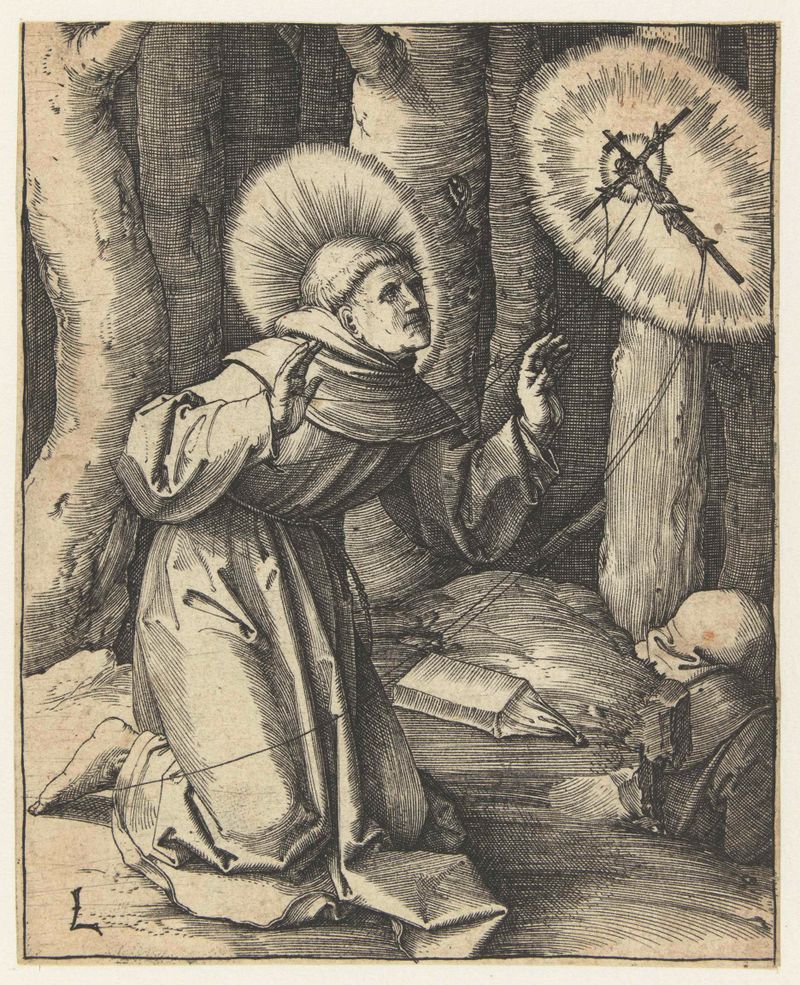
De stigmatisatie van de heilige Franciscus
Lucas van Leyden
De zondeval
Lucas van Leyden
De grote Ecce Homo
Lucas van Leyden
Maria met kind
Lucas van Leyden

Doornenkroning
Lucas van Leyden