
Déesse au rocher — History & Facts
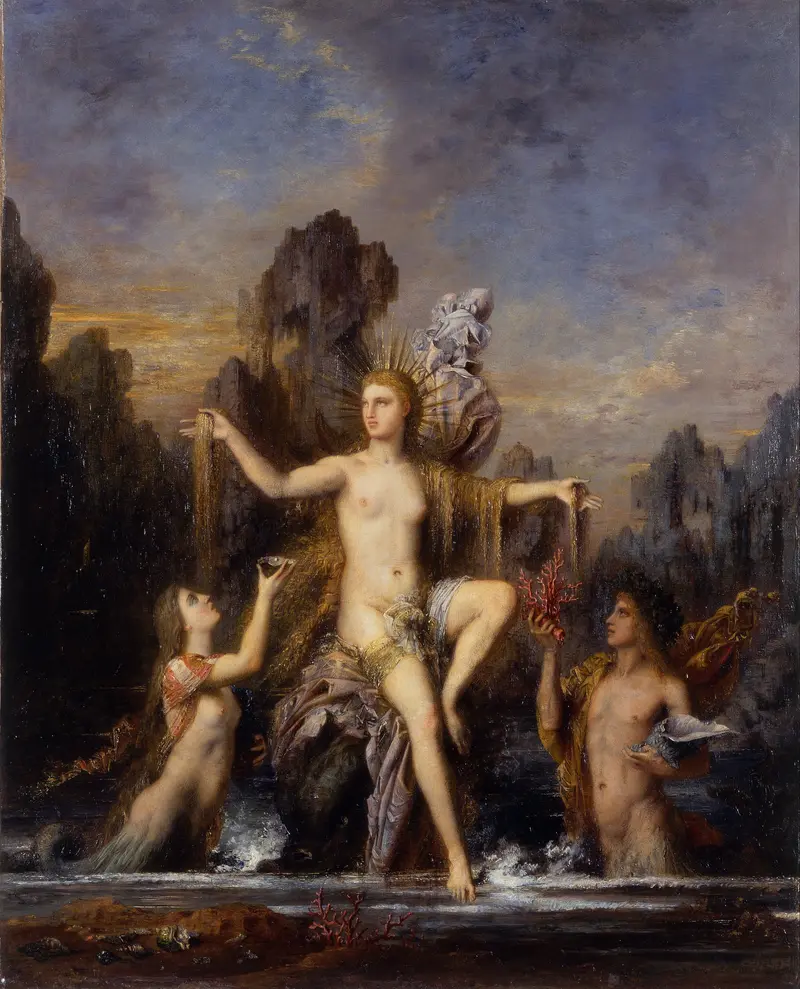
In Déesse au rocher, Gustave Moreau depicts a goddess seated on a rocky outcrop. The colors are rich and vibrant, with deep blues and greens contrasting against the warm earth tones of the rocks. The figure of the goddess is adorned with flowing garments that seem to blend into the landscape.
Surrounding her are hints of nature, suggesting a mystical connection to her environment. The painting is characterized by Moreau's intricate detailing and use of color, typical of the Symbolism movement. The goddess's expression is serene yet enigmatic, inviting viewers to ponder her identity and significance. The use of light and shadow adds depth to the scene, enhancing the three-dimensionality of the figures.
This work exemplifies Moreau's ability to create a dreamlike atmosphere through his brushwork. Gustave Moreau was a prominent figure in the Symbolist movement, known for his imaginative and often mythological subjects. Déesse au rocher reflects his fascination with the interplay between the human form and nature. An interesting fact about this work is that it showcases Moreau's unique approach to mythology, where he often reinterpreted classical themes with a modern sensibility.
This painting is a testament to his innovative style and enduring influence on later artists.
More Artworks by Gustave Moreau
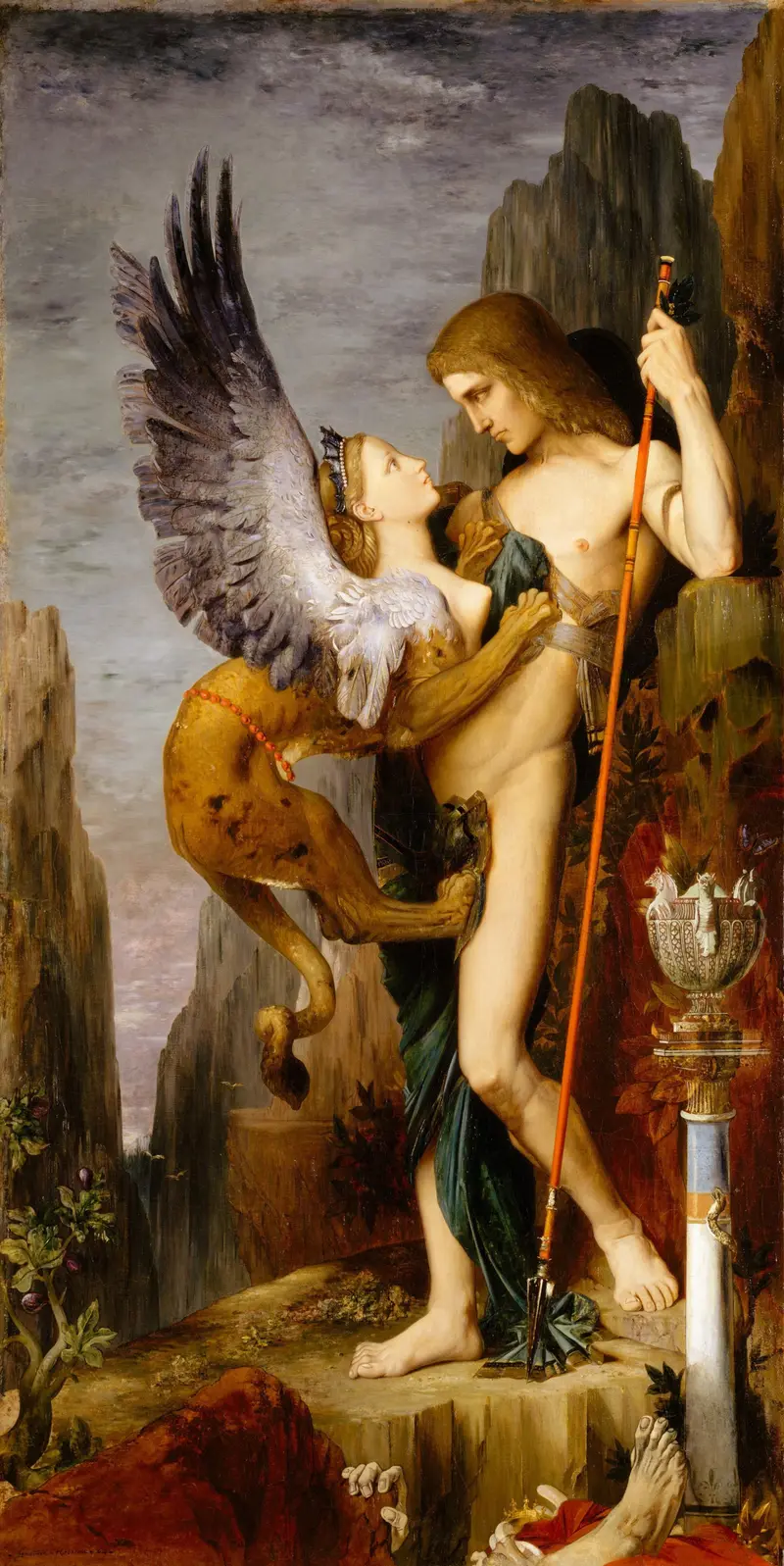
Oedipus and the Sphinx
Gustave Moreau
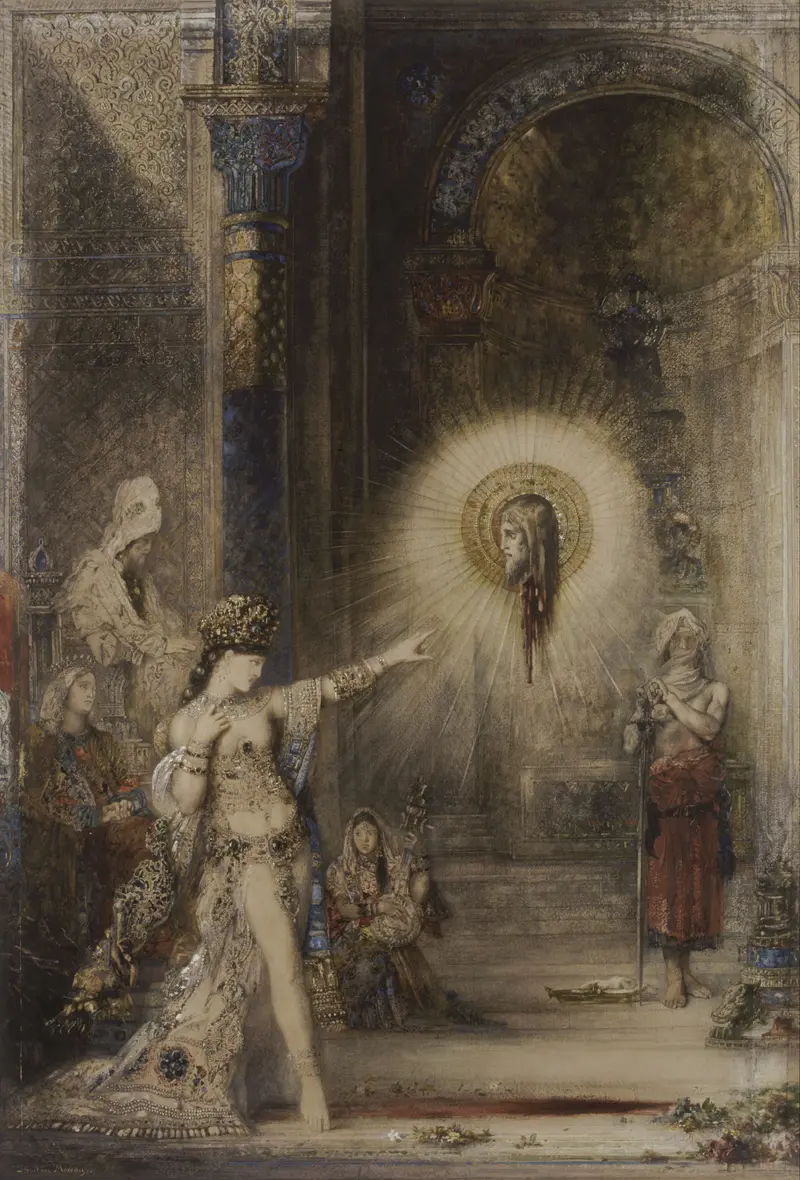
The Apparition
Gustave Moreau

The Apparition
Gustave Moreau
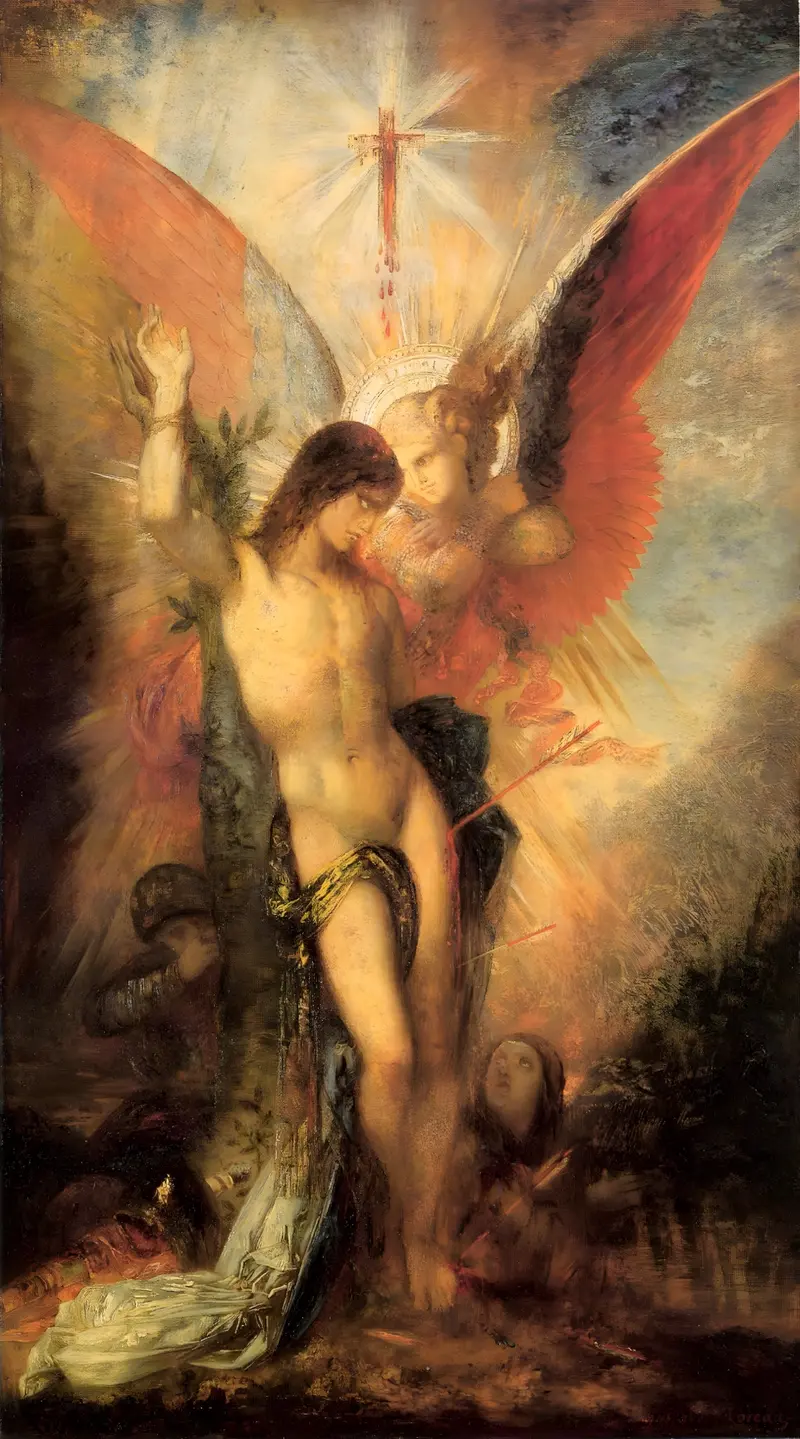
Saint Sebastian and the Angel
Gustave Moreau
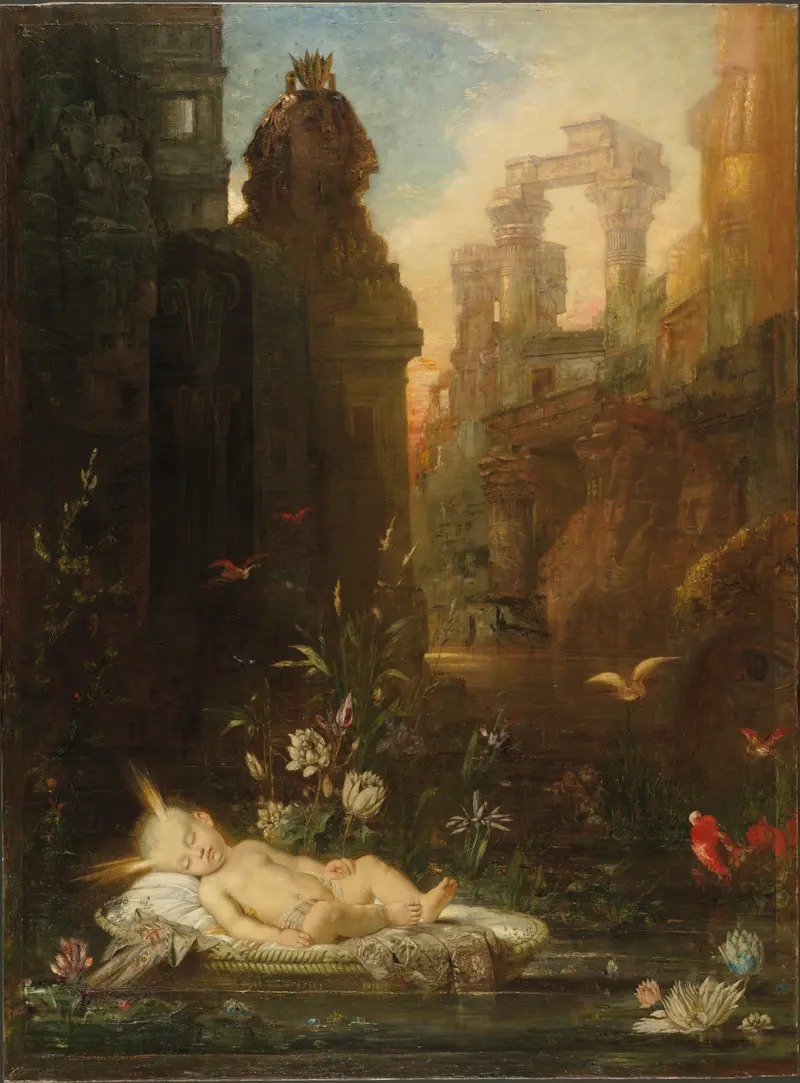
The Infant Moses
Gustave Moreau
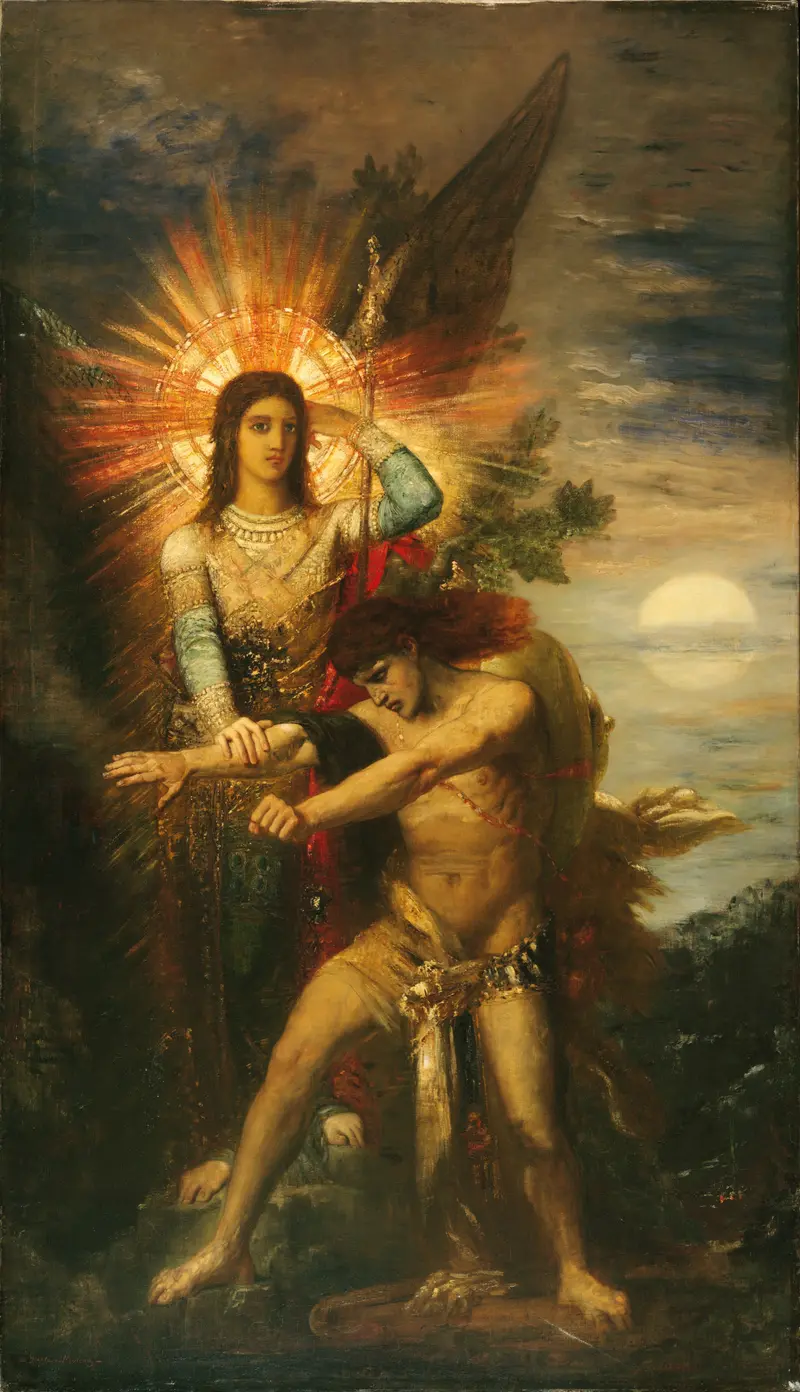
Jacob and the Angel
Gustave Moreau
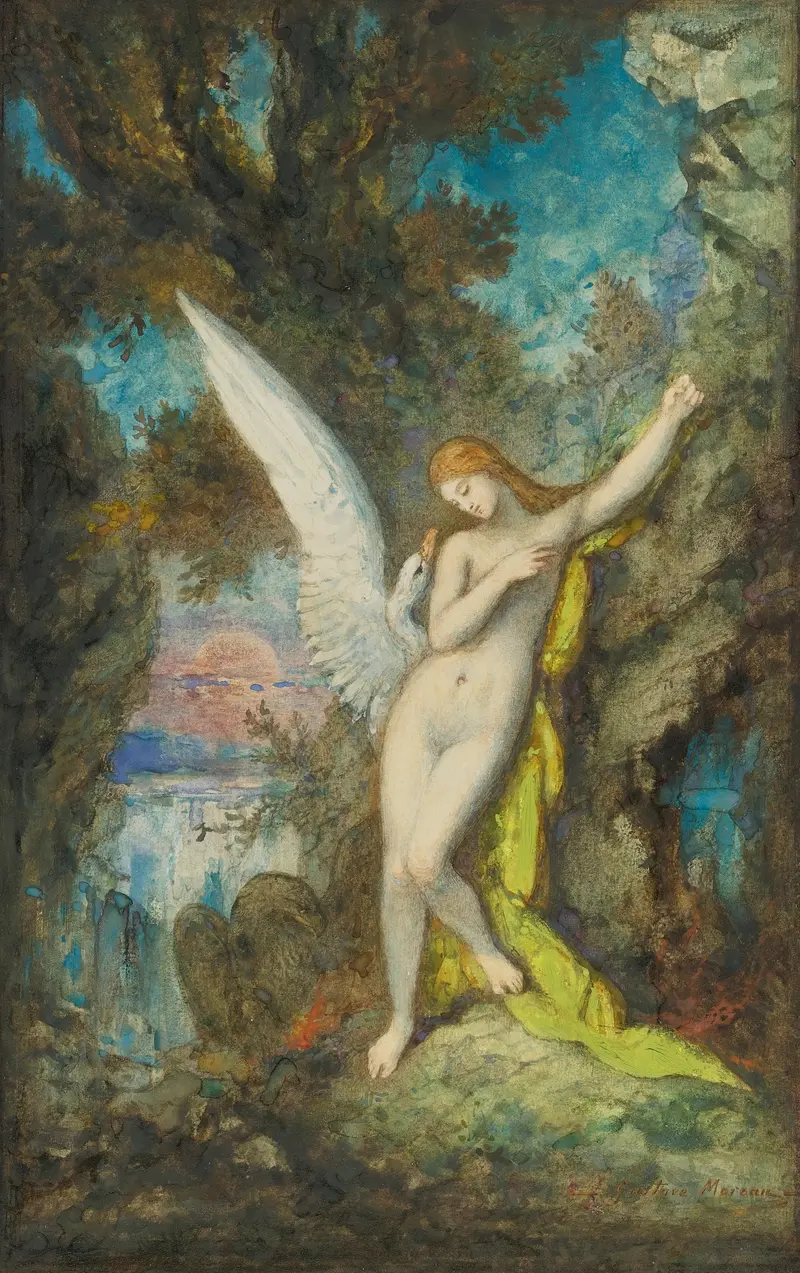
Leda Et Le Cygne
Gustave Moreau
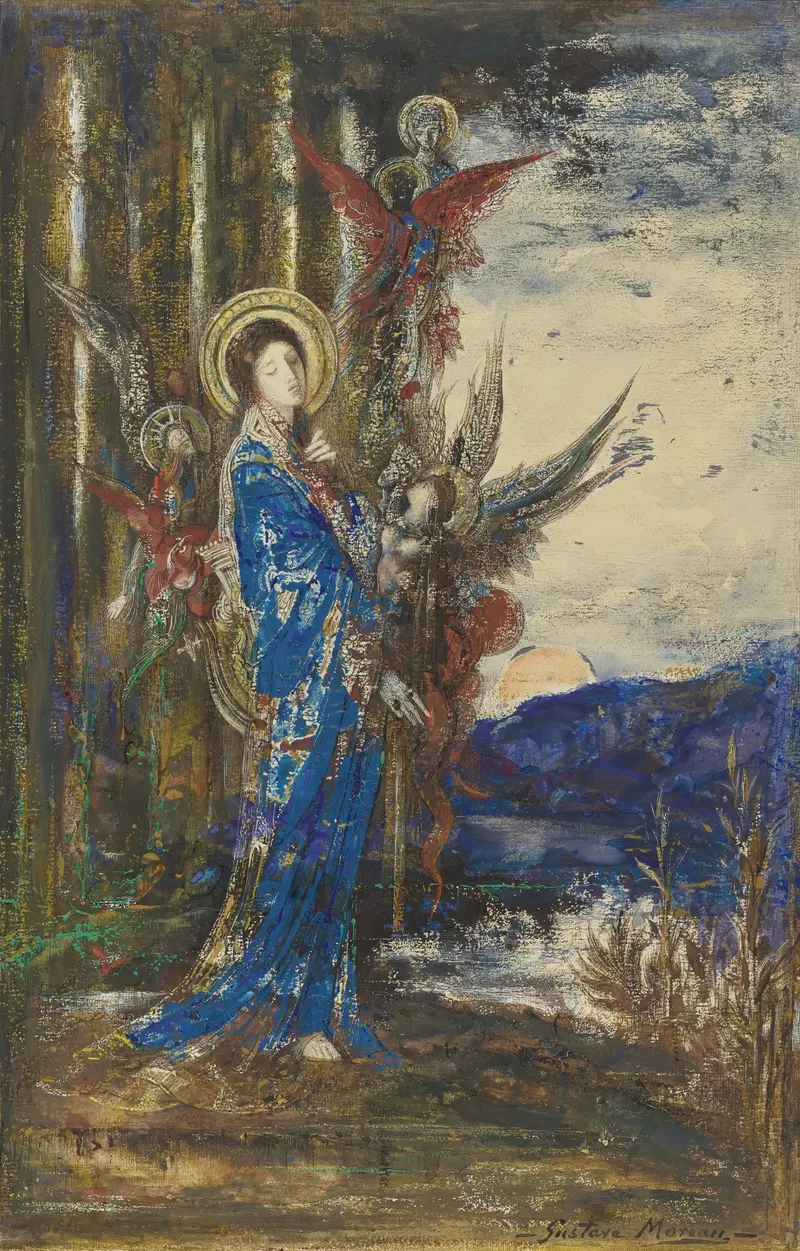
Les Épreuves
Gustave Moreau
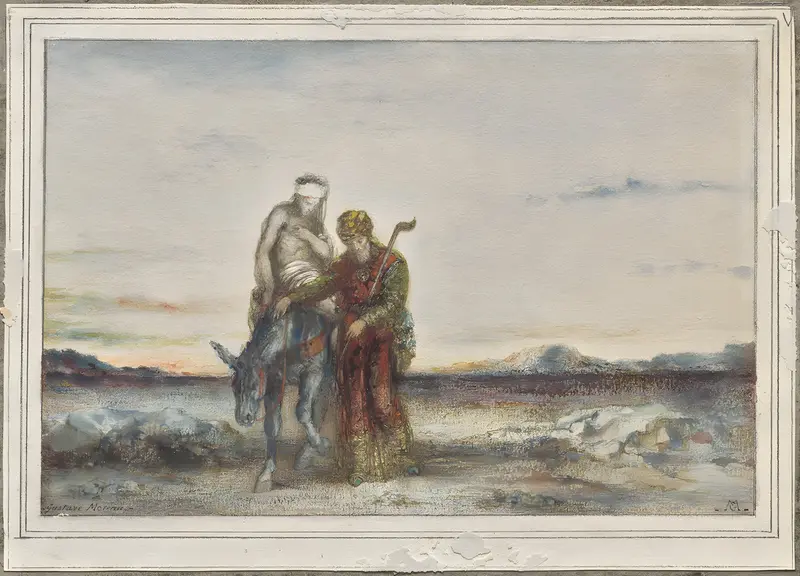
The Good Samaritan
Gustave Moreau
Venus Rising From The Sea
Gustave Moreau





