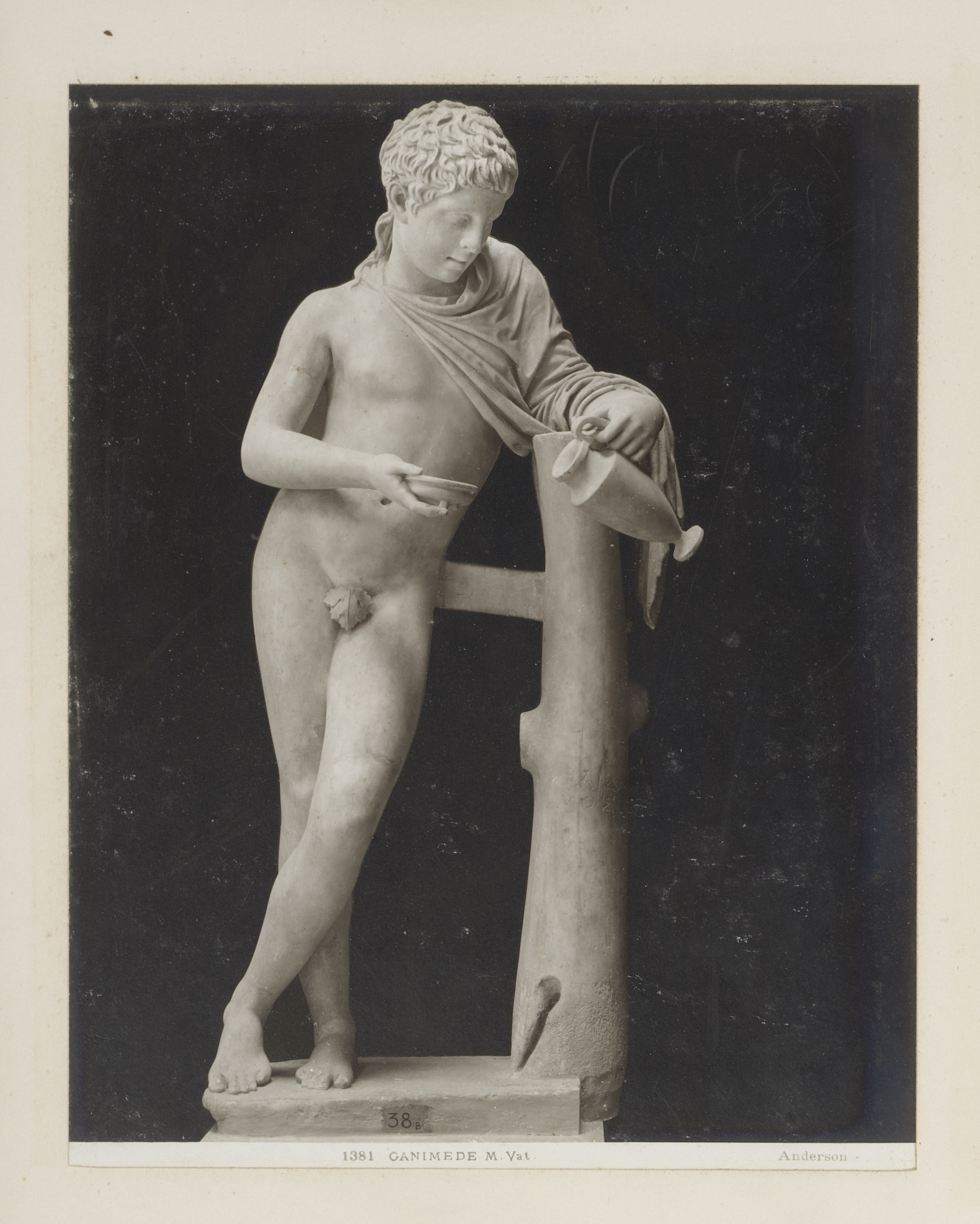
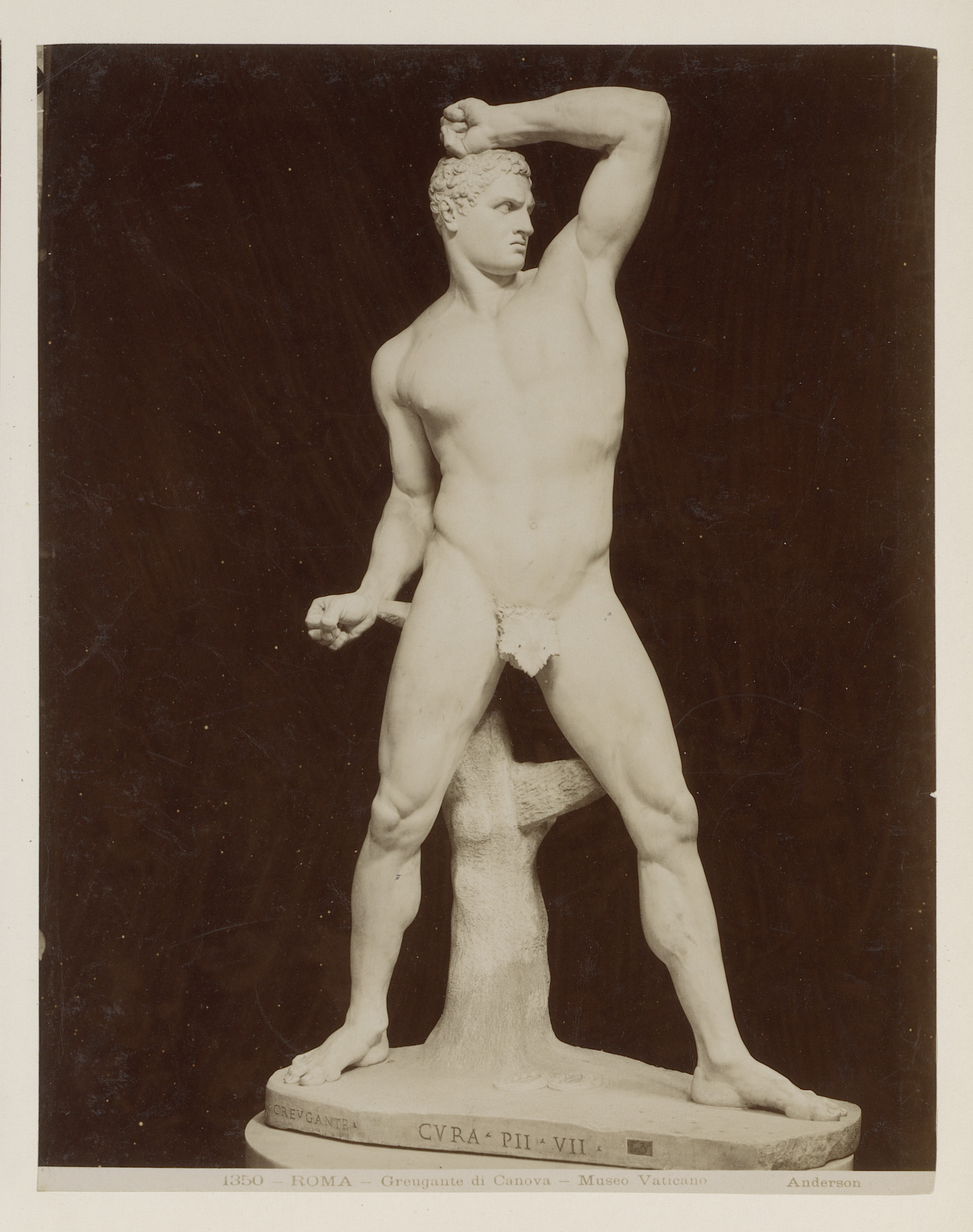
Detail van sculptuur De Nijl — History & Analysis
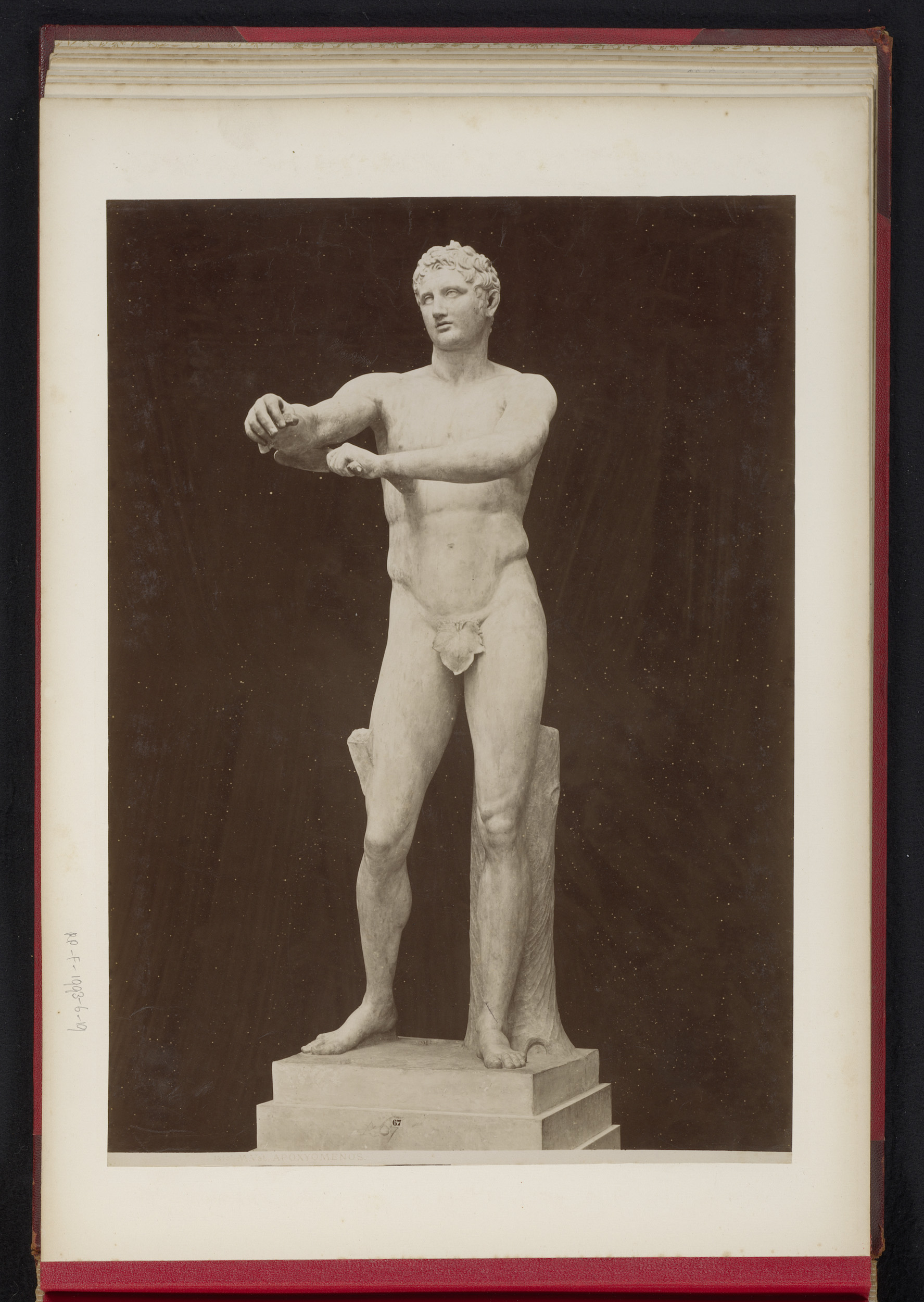
What secret hides in the quiet of the canvas? Beneath the surface of Detail van sculptuur De Nijl, a yearning stirs, echoing through the delicate interplay of light and shadow. Look closely at the intricate details of the sculpture; observe the graceful curves of the Nile personified, flowing seamlessly into the stone. The artist’s careful hand reveals the textures of flesh and fabric, inviting the viewer to trace the lines with their gaze.
Notice how the soft lighting caresses the figures, creating a dance of contrasts that enhances the emotional depth—each shadow a whisper, each highlight a sigh. The muted color palette evokes a sense of timelessness, drawing us into a moment suspended in anticipation. Within this stillness, there lies an undercurrent of longing—the yearning for connection, for understanding, for a narrative that transcends time. The serene expressions of the figures subtly communicate emotions that resonate deeply with the human experience.
As the river of the Nile represents life itself, the sculpture encapsulates the tension between permanence and transience, inviting contemplation of what lies beyond the visible. James Anderson created this work around the mid-19th century, a period when he sought to explore themes of identity and cultural significance through sculptural forms. Working in Europe during a time of artistic transition, he was influenced by the Romantic and Classical movements that shaped the era. This particular piece reflects not only his technical prowess but also a deeper engagement with the narratives of civilizations long past, as the world of art began to grapple with its own evolving identity.