
Deux chevaux à l'écurie — History & Facts
Few artists have so fiercely identified with horses as Théodore Géricault, whose fascination with their power and vulnerability shaped much of his short, intense career. Deux chevaux à l'écurie belongs to a group of studies and paintings that Géricault produced during his years in England and France, where he frequented stables, racetracks, and veterinary schools, sketching tirelessly from life. The exact date and circumstances of this particular work remain uncertain, but it is often linked to the period after his return from England in 1821, when he was captivated by the everyday drama and quiet dignity of animals at rest.
The painting stands as a testament to Géricault’s relentless pursuit of truth in observation, a quality that set him apart from many of his contemporaries. In this intimate stable scene, two horses stand side by side, their bodies relaxed yet alert, bathed in the cool, indirect light that filters through the stable’s interior. Géricault chooses a moment of calm rather than action: the horses’ heads are lowered, their coats rendered with a tactile attention that suggests both strength and weariness. The muted palette and loose, expressive brushwork draw the viewer’s eye to the animals’ forms and the subtle play of light across their flanks.
Unlike the heroic equestrian portraits of Jacques-Louis David or the romanticized hunting scenes of George Stubbs, Géricault’s horses are neither idealized nor mere symbols—they are living beings, observed with empathy and precision. The stable itself, sparsely detailed, serves as a quiet stage for this encounter between viewer and animal. The provenance of Deux chevaux à l'écurie is not fully documented, a fate shared by many of Géricault’s animal studies, which were often kept in private hands or dispersed after his early death in 1824. While some of these works were commissioned by wealthy horse owners or dealers, others were painted for Géricault’s own study and pleasure, reflecting his deep personal connection to the subject.
Today, the painting is recognized as a significant example of Romanticism’s shift toward the depiction of everyday life and the natural world, and it holds a special place among Géricault’s explorations of animal psychology and form. Its current location is not widely published, but it continues to be cited in scholarship as a key work in understanding the artist’s legacy and the broader nineteenth-century fascination with the horse.
More Artworks by Théodore Géricault
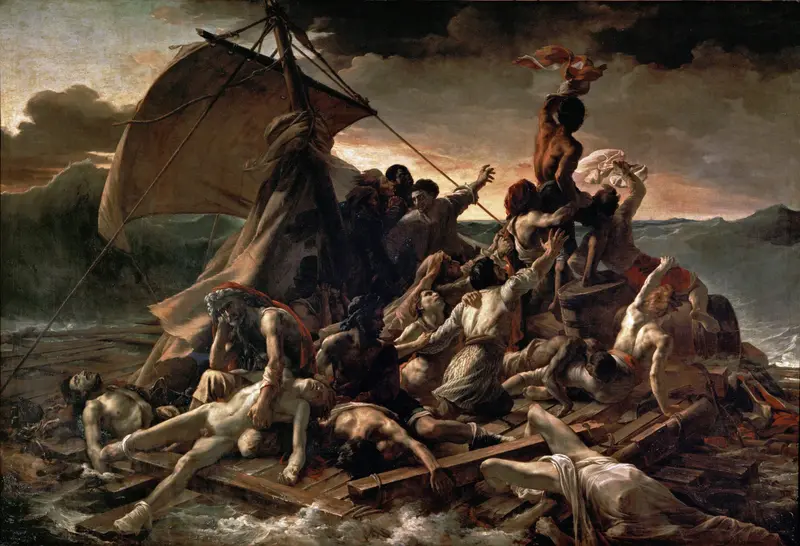
The Raft of the Medusa
Théodore Géricault

Géricault - Le naufrage du radeau de la Méduse, MBA 790
Théodore Géricault
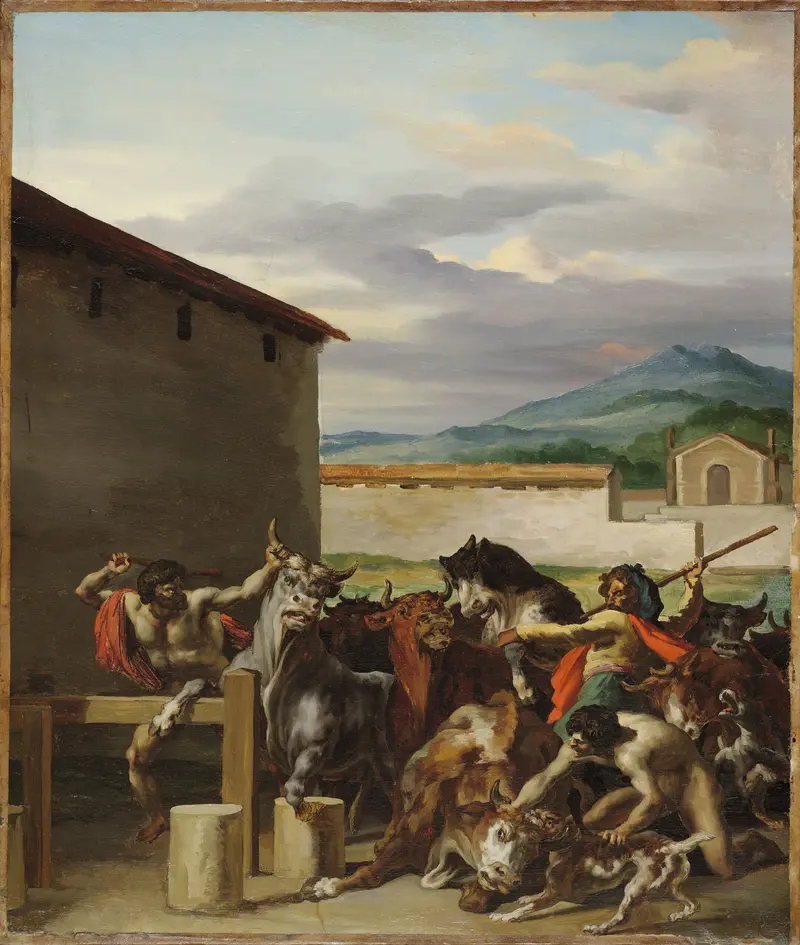
Cattle Market
Théodore Géricault
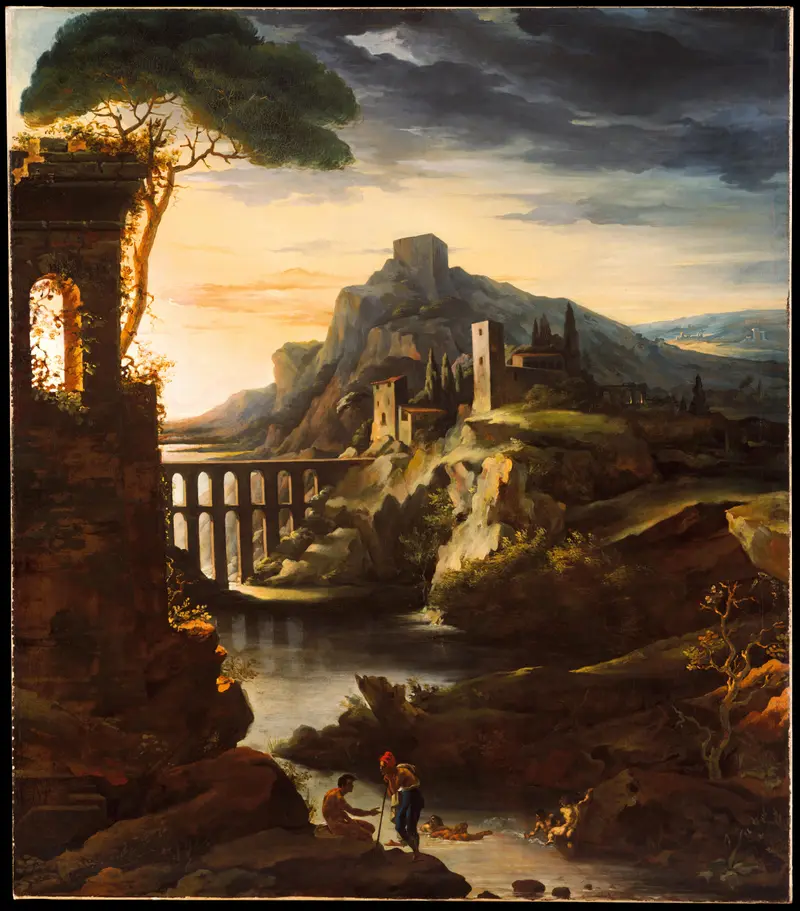
Evening; Landscape with an Aqueduct
Théodore Géricault
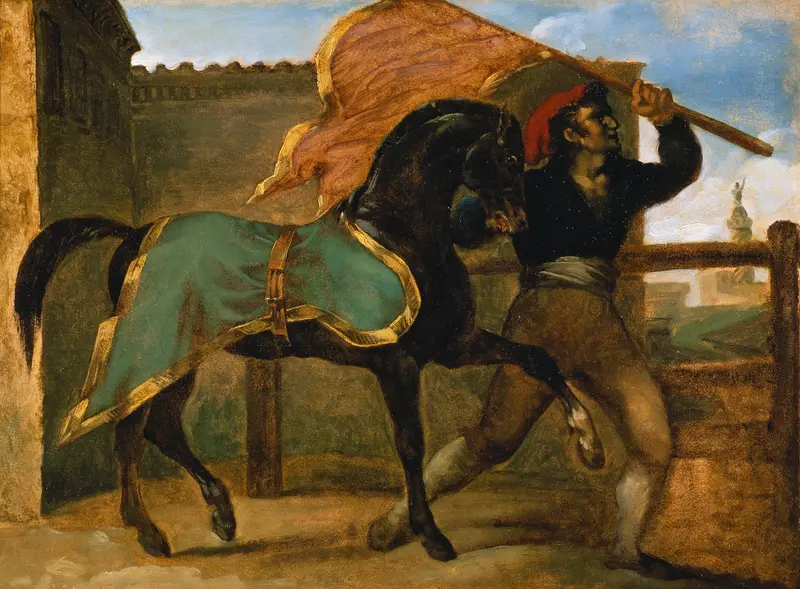
Horse Race
Théodore Géricault

Horses Standing in a Mews
Théodore Géricault
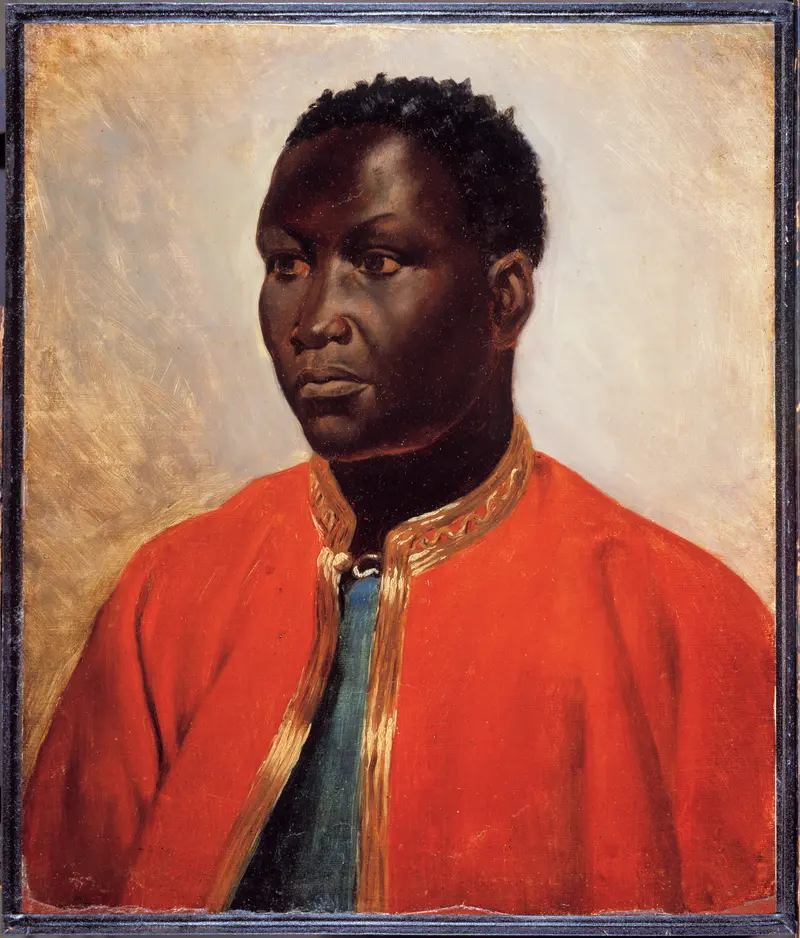
Portrait of a Negro
Théodore Géricault
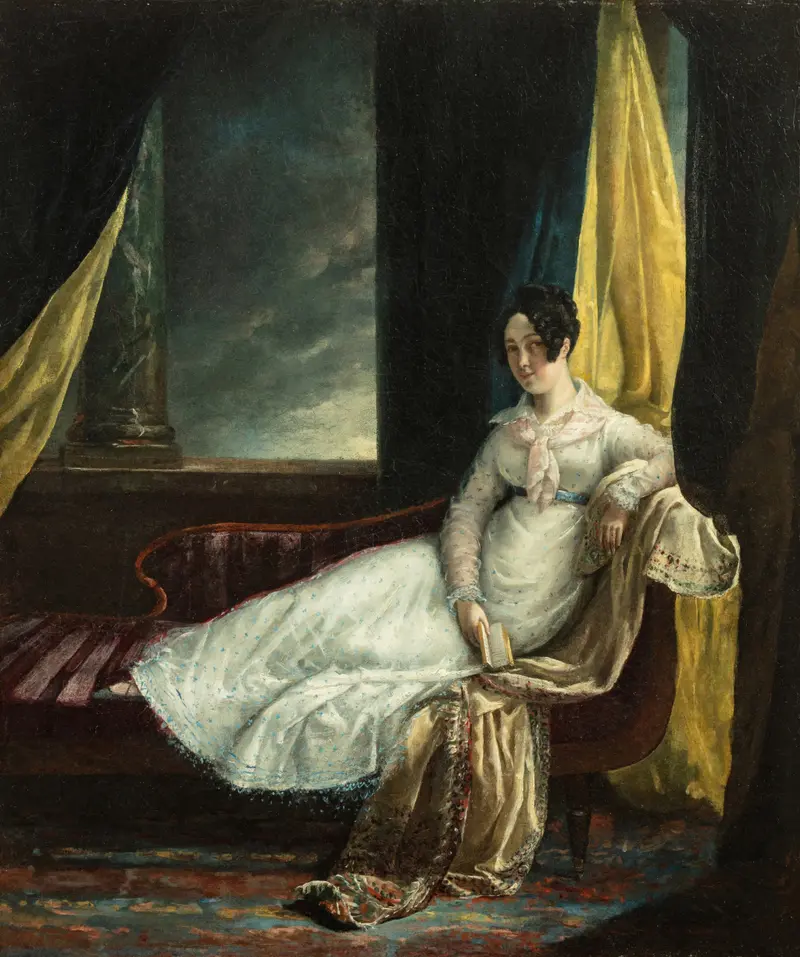
Portrait of Zoë Elmore
Théodore Géricault
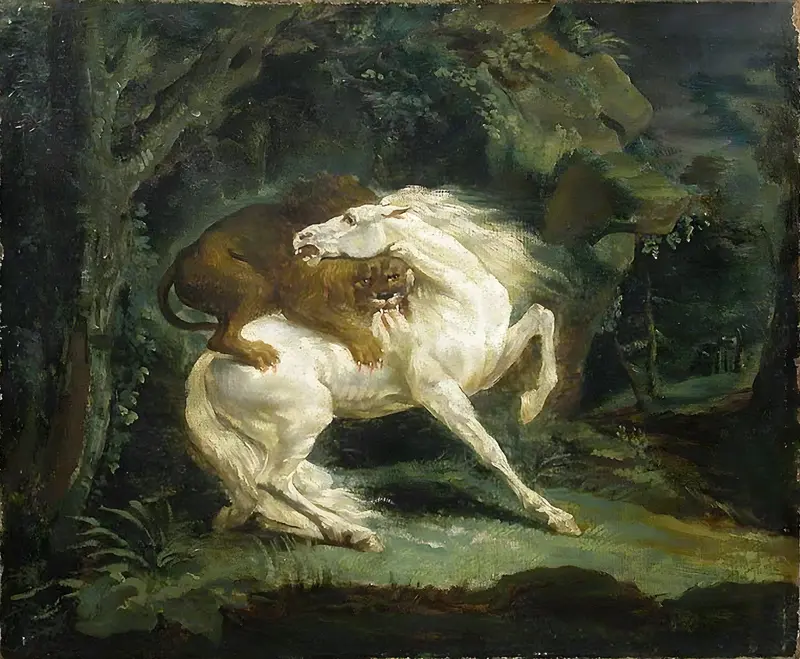
Cheval attaqué par un lion
Théodore Géricault
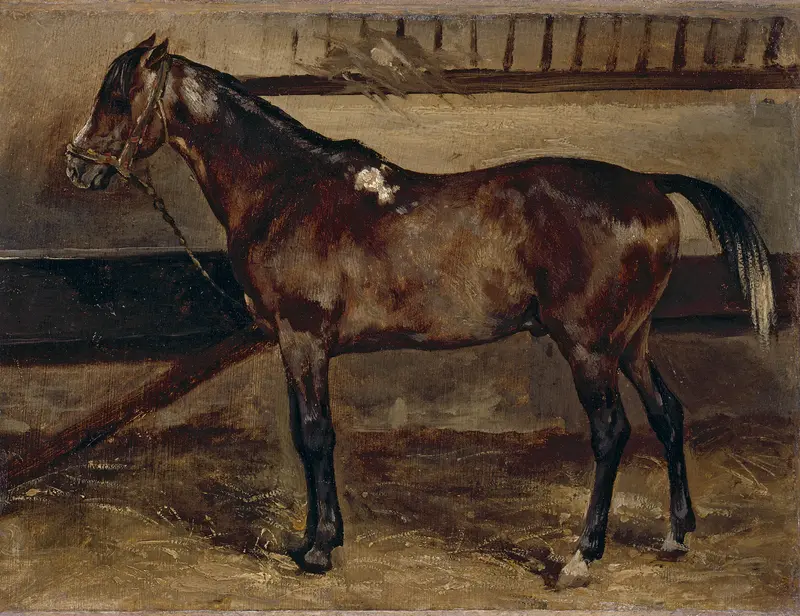
Cheval brun à l'écurie
Théodore Géricault





