
Deux chevaux de poste à la porte d'une écurie — History & Facts
Few works better capture the youthful energy of Théodore Géricault than Deux chevaux de poste à la porte d'une écurie, painted in 1821, just two years after the public furor surrounding his monumental The Raft of the Medusa. This painting is one of several studies Géricault made of horses during his stay in England, a period when he was captivated by the British passion for equestrian culture and the bustling world of stagecoaches and stables. Unlike his more dramatic scenes, here Géricault turns his eye to the everyday, yet infuses it with the same intensity that made his larger works so controversial and admired. At the heart of the composition, two post horses stand alert before the entrance to a stable, their muscular forms caught in a moment of rest and anticipation.
Géricault’s brush captures the sheen of their coats and the tension in their bodies, suggesting both the exhaustion of travel and the readiness to surge forward at the next call. The stable door yawns open behind them, a dark threshold that contrasts with the bright, nervous energy of the animals. A groom, half-shadowed, steadies one horse with a firm hand, his gesture a quiet counterpoint to the restless power of the animals.
Unlike the calm, orderly stables of George Stubbs, Géricault’s horses are restless, their individuality and spirit rendered with a realism that was radical for its time. The exact journey of this painting after its creation is not fully documented, but it is known that Géricault’s English period works were much sought after by collectors who admired his ability to blend French Romanticism with the English sporting tradition. Deux chevaux de poste à la porte d'une écurie stands as a testament to Géricault’s fascination with the horse as both subject and symbol—a theme that would recur throughout his career. Today, the painting is recognized as a vital link between his grand historical canvases and his more intimate studies of animal life, reflecting both his technical mastery and his restless search for new forms of expression.
More Artworks by Théodore Géricault
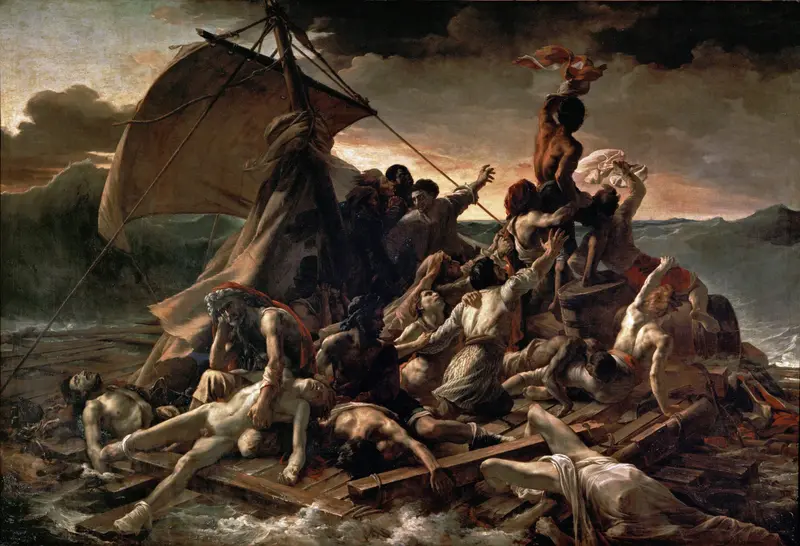
The Raft of the Medusa
Théodore Géricault

Géricault - Le naufrage du radeau de la Méduse, MBA 790
Théodore Géricault
Cattle Market
Théodore Géricault
Evening; Landscape with an Aqueduct
Théodore Géricault
Horse Race
Théodore Géricault

Horses Standing in a Mews
Théodore Géricault
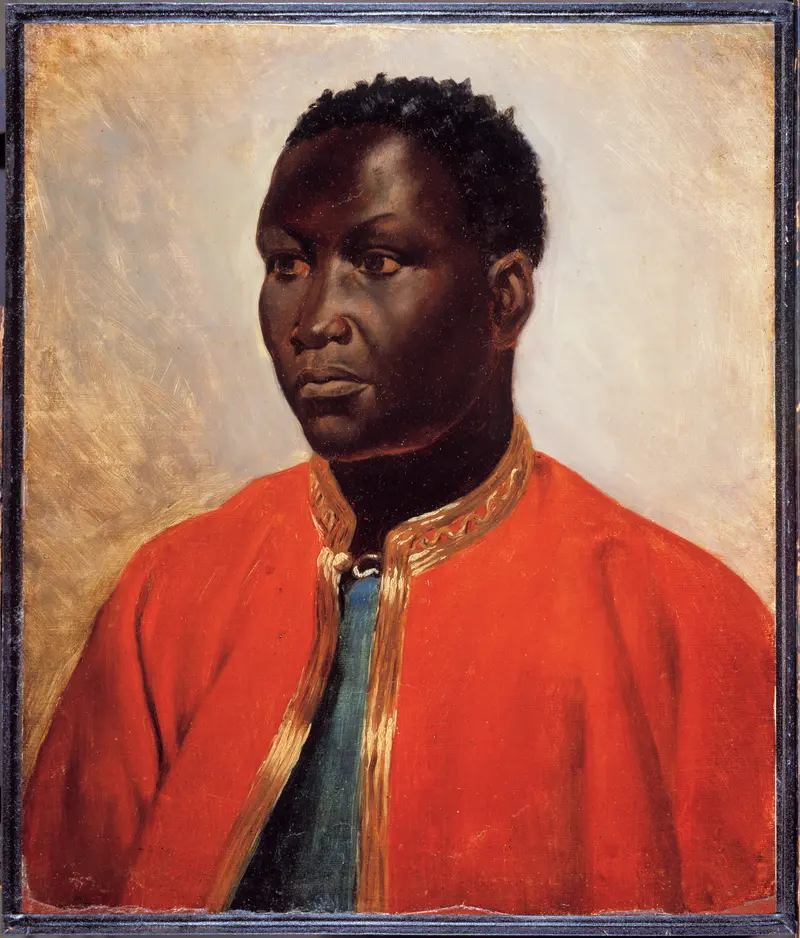
Portrait of a Negro
Théodore Géricault
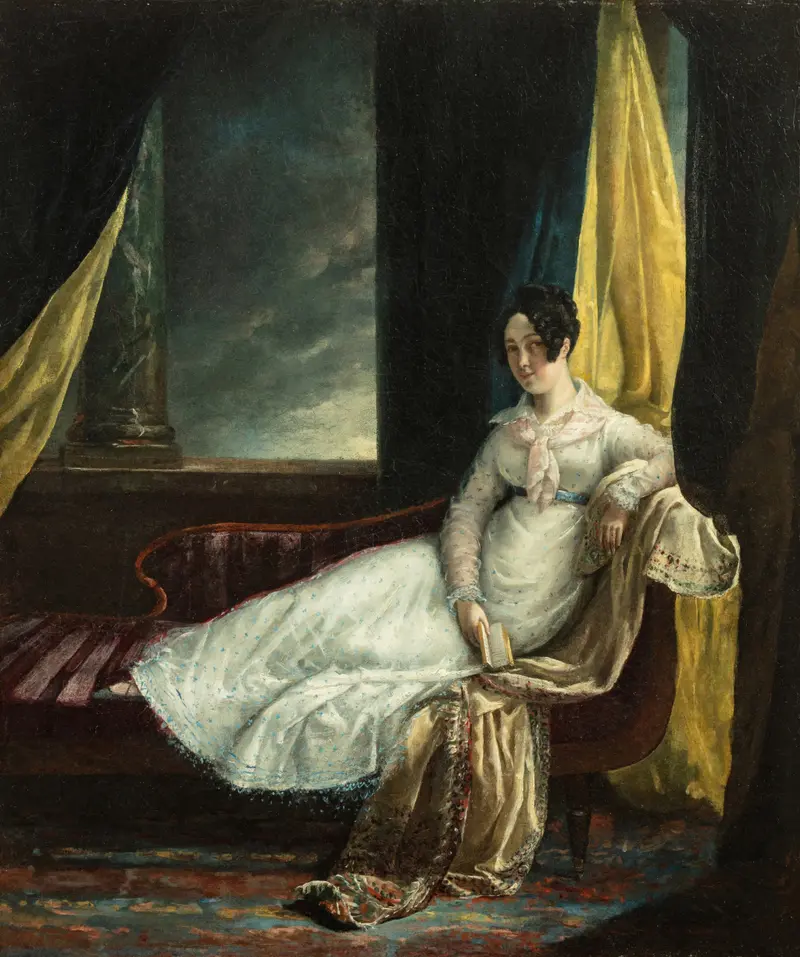
Portrait of Zoë Elmore
Théodore Géricault
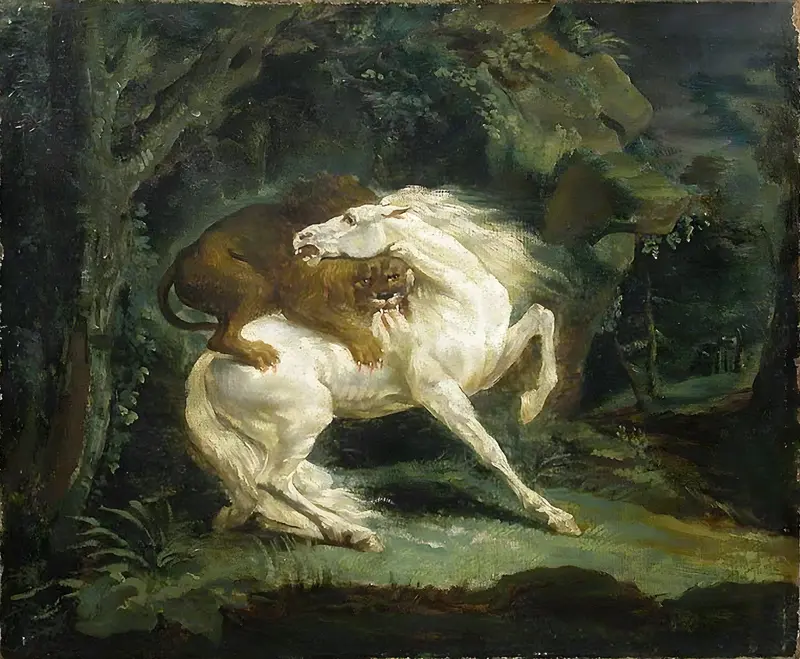
Cheval attaqué par un lion
Théodore Géricault
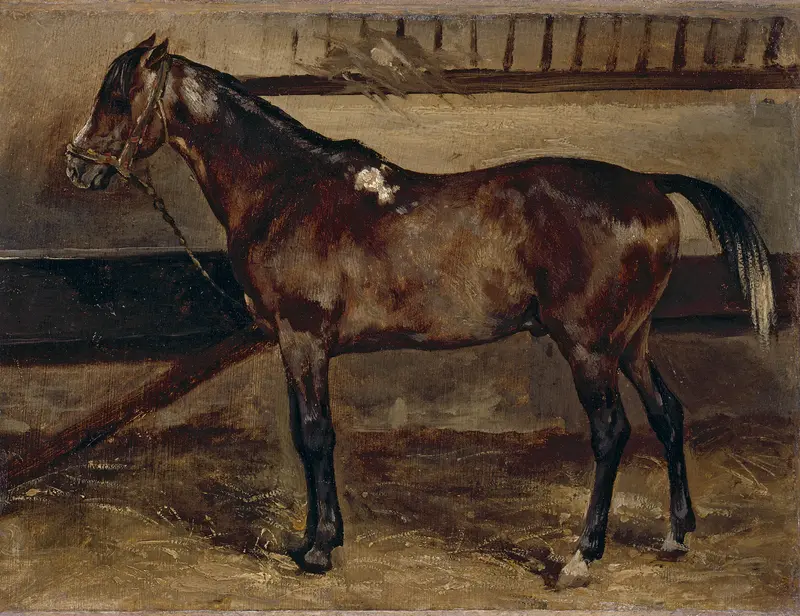
Cheval brun à l'écurie
Théodore Géricault





