
Die Ebene von Chailly mit Egge und Pflug — History & Facts
Can paint confess what words never could? In the quiet landscape of Die Ebene von Chailly mit Egge und Pflug, the very essence of toil unfolds, revealing the madness of relentless labor intertwined with nature’s indifference. Look to the left at the figures bent over their agricultural tools, their silhouettes stark against the vast fields. The earthy palette — muted ochres and deep greens — evokes the weight of the land, while the soft brushwork captures the gentle undulations of the horizon. The plow lies heavy in the foreground, a symbol of both progress and burden, framed by the expansive sky that looms overhead, suggesting both freedom and confinement.
This tension between the laborers and their environment speaks volumes, inviting a deeper contemplation of their existence. Notice how the distant hills seem to close in on the workers, amplifying their resolve yet hinting at isolation. The contrast between the vibrant, fertile earth and the laborers' weary postures reflects the duality of human endeavor — both nurturing life and confronting the struggle within. Each stroke encapsulates the labor's rhythm and the figures' silent desperation, hinting at a precarious balance between madness and purpose that resonates through the ages. In 1862, Millet was deeply immersed in a movement that sought to elevate the dignity of rural life amidst the rapid industrialization of France.
Living in Barbizon, he was inspired by the simplicity and sincerity of peasant life, capturing the profound connection between humanity and the land. In this period, artists sought to portray the raw experiences of everyday lives, and Die Ebene von Chailly mit Egge und Pflug stands as a poignant testament to that vision.
More Artworks by Jean-François Millet
Browse all →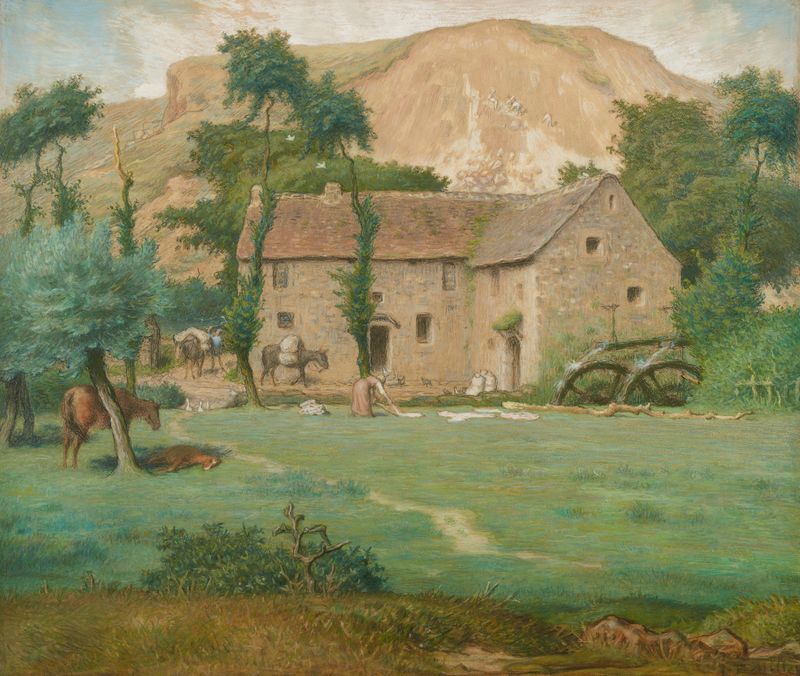
Watermill at the Foot of a Mountain, Allier
Jean-François Millet
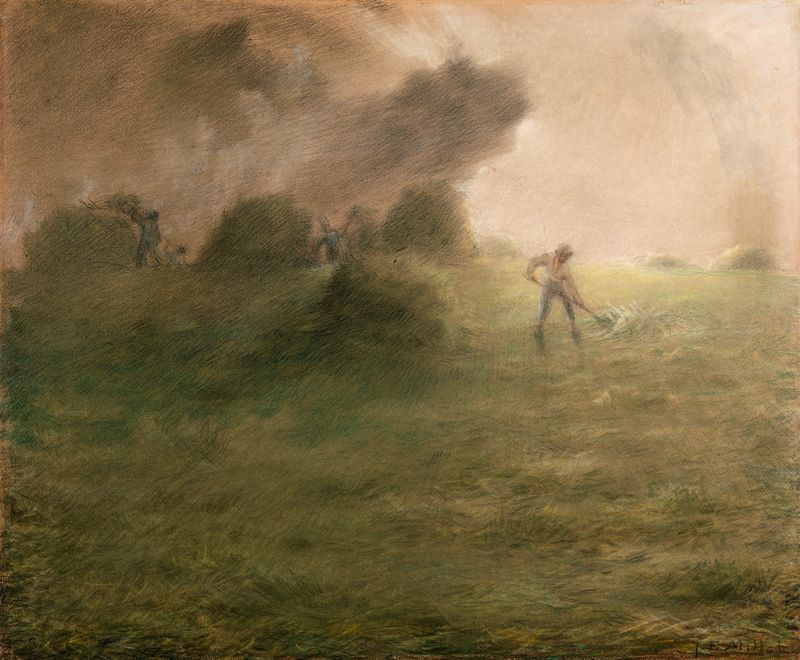
A Storm during Haymaking
Jean-François Millet
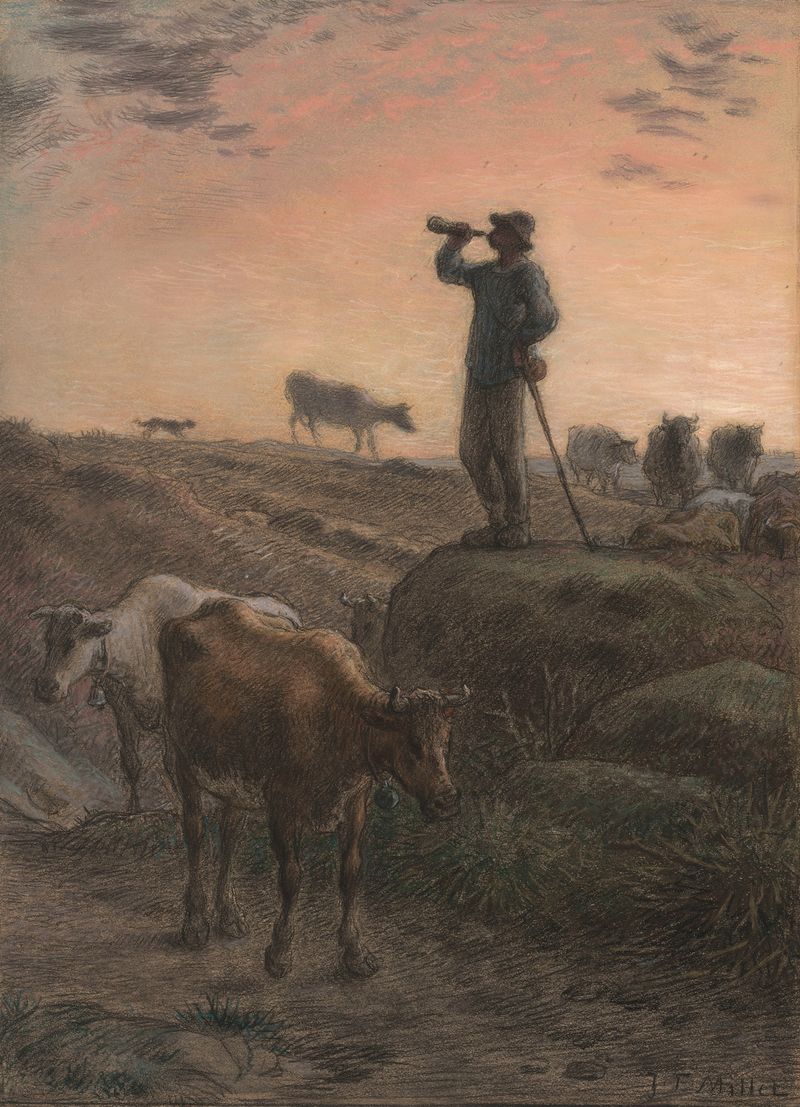
Calling Home the Cows
Jean-François Millet
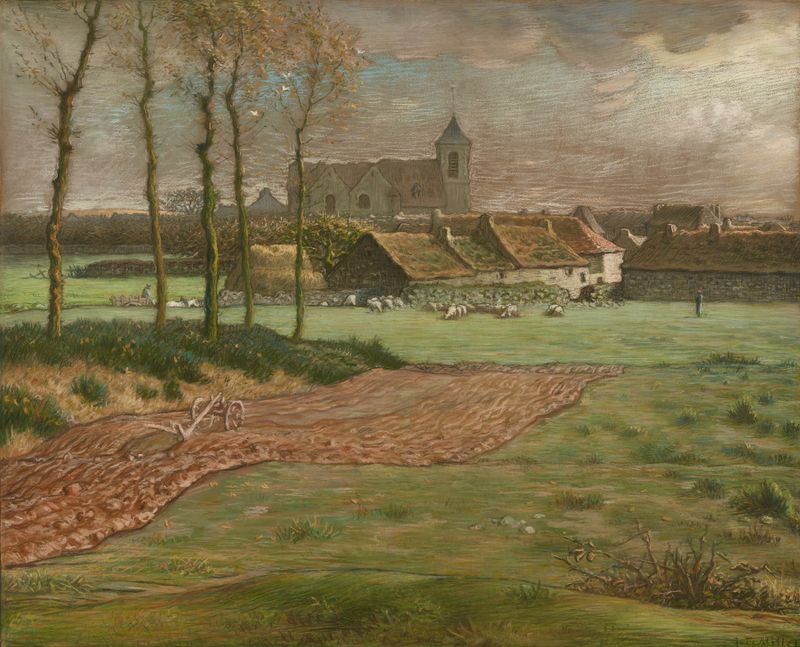
The Church at Chailly
Jean-François Millet
Autumn Landscape with a Flock of Turkeys
Jean-François Millet
Théodore Rousseau’s House In Barbizon
Jean-François Millet
Peasant Children at Goose Pond
Jean-François Millet
The Coast at Gréville
Jean-François Millet
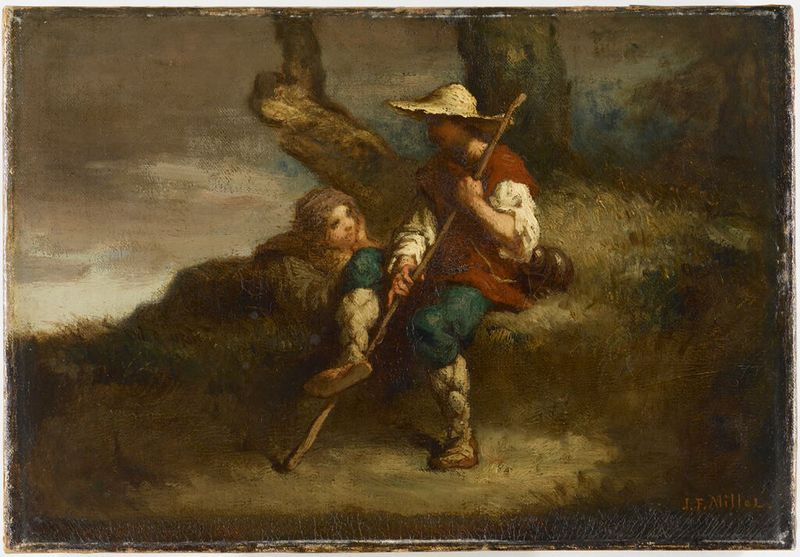
Shepherds Resting
Jean-François Millet
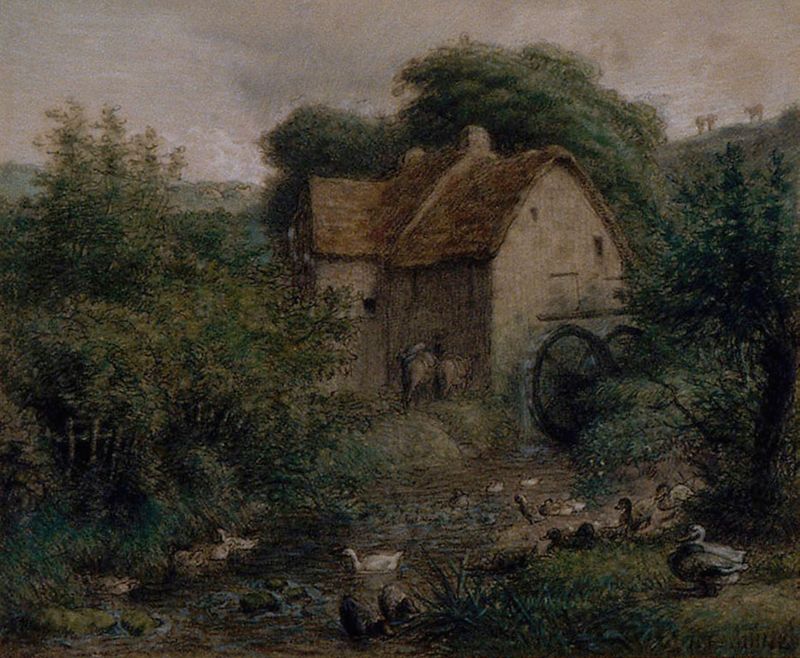
The Old Mill
Jean-François Millet





