
Dix lithographies au lavis (07) : Nature morte avec fruits et poissons — History & Facts
What first catches the eye in Dix lithographies au lavis (07) : Nature morte avec fruits et poissons by Armand Apol is the quiet drama of contrasts: the glimmer of a metal jug, the rough weave of a fruit basket, and the slick, shadowed bodies of two fish. Each object claims its own space, yet the composition draws them into a gentle conversation. The fish, lying in a bowl at the front, are rendered with a precision that makes their scales almost palpable, while the fruit above them in the basket seems to recede into a soft haze.
The glass, empty and luminous, stands as a silent witness to the table’s story, its reflections echoing the light that falls across the scene. The chair’s ladder-back, just visible, hints at human presence—someone has just left, or is about to arrive. Still life, or nature morte, held a special place in early twentieth-century Belgium, where artists like Apol explored the poetry of ordinary things. Such works were often collected by the middle class, eager to bring a sense of order and abundance into their homes.
The lithographic technique used here, with its wash-like softness, allowed artists to experiment with light and texture in ways that painting could not. Preserved today in the Royal Library of Belgium, this print is a quiet testament to a world where the everyday table could become a stage for observation and artistry. The longer you look, the more the objects seem to shift between the real and the imagined—inviting you to linger, and to look again.
More Artworks by Armand Apol
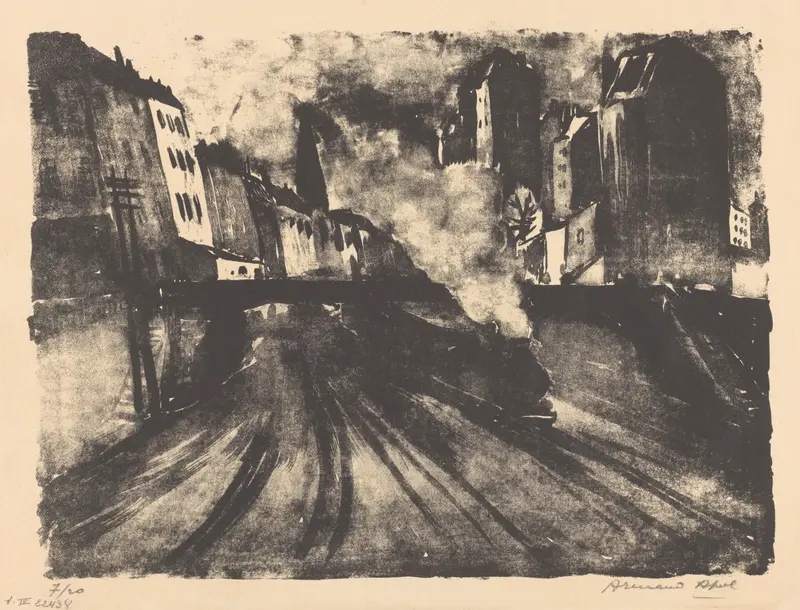
Chemin de fer de ceinture à Paris
Armand Apol
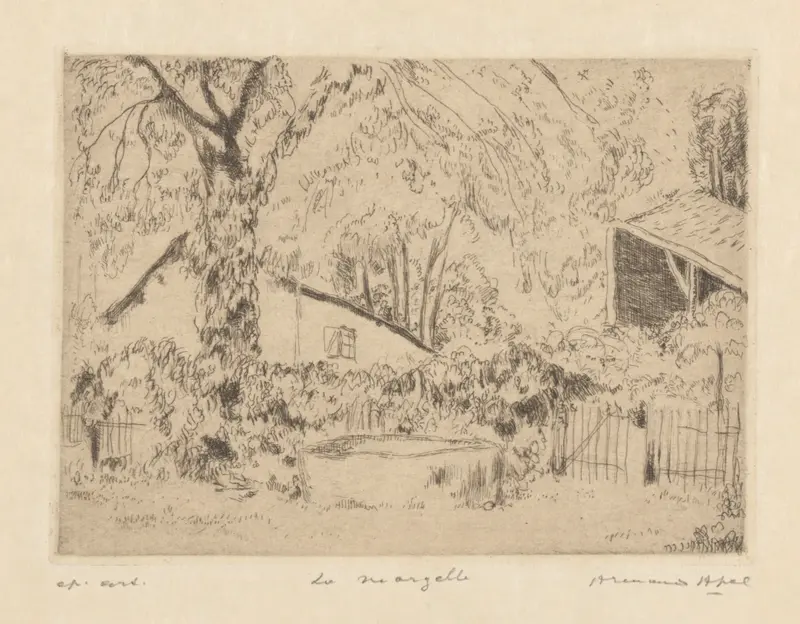
La margelle
Armand Apol
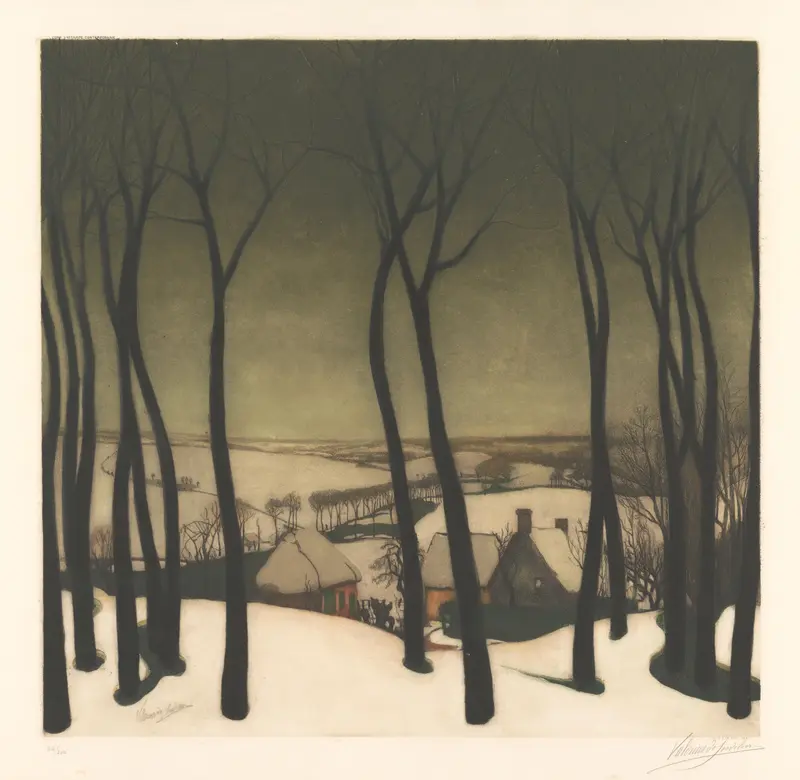
Album 8 estampes (en couleurs) (05) : Paysage
Armand Apol
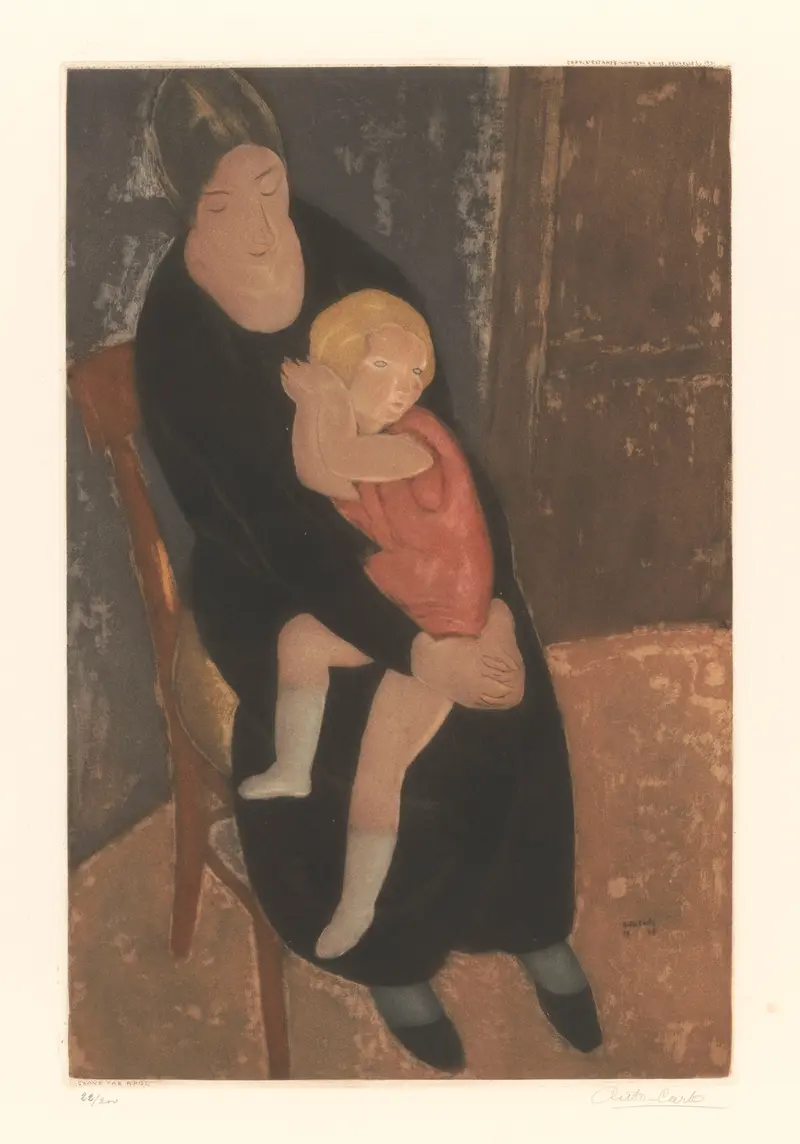
Album 8 estampes (en couleurs) (08) : Mère et enfant
Armand Apol
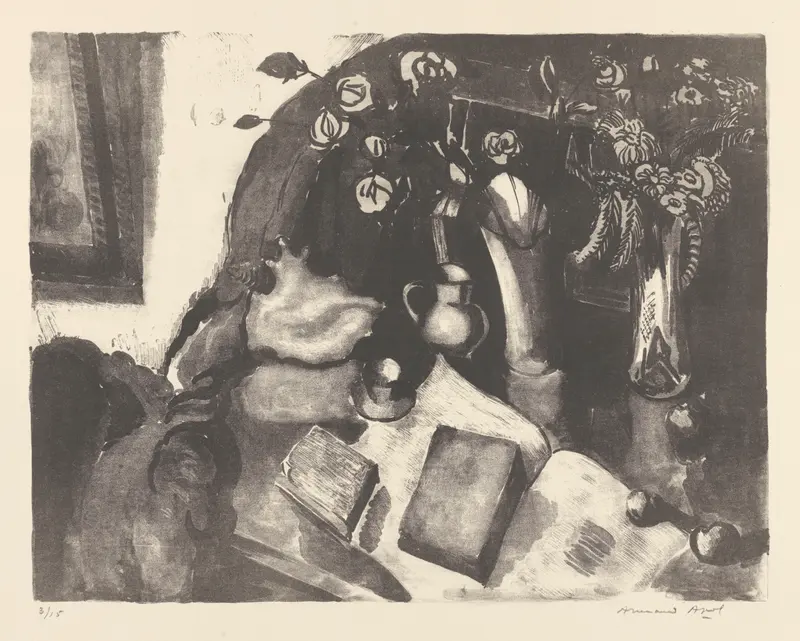
Dix lithographies au lavis (02) : Nature morte
Armand Apol

Dix planches (06) : La loge
Armand Apol
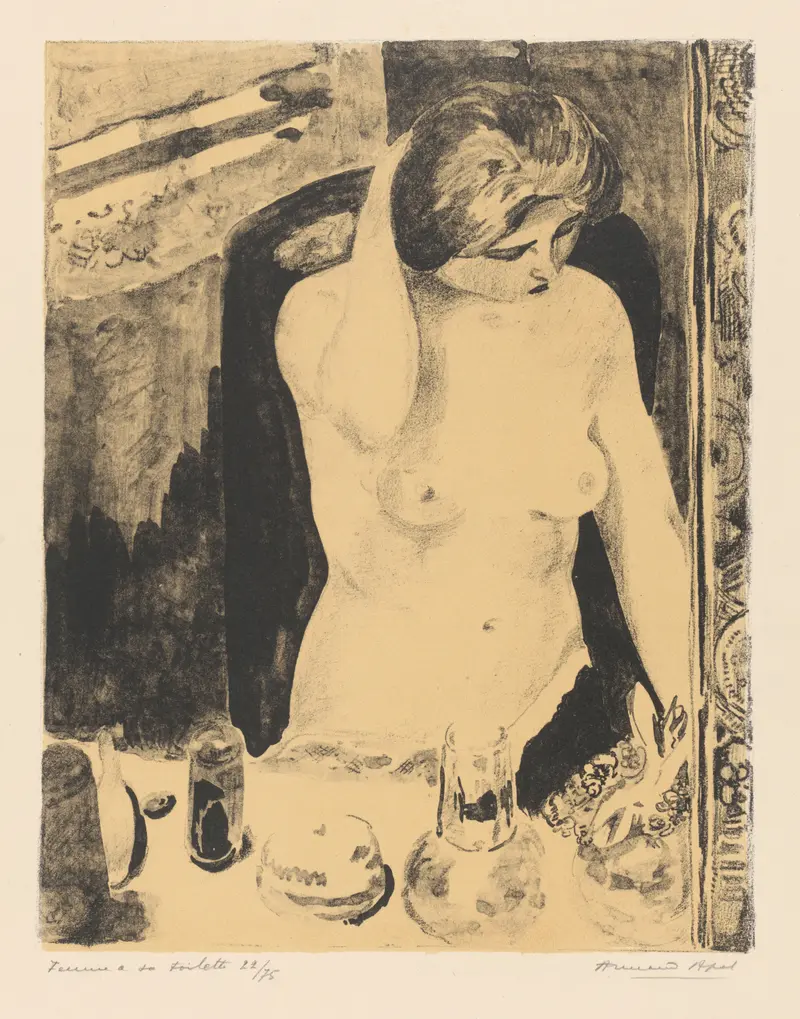
Dix planches (10) : Femme à sa toilette
Armand Apol
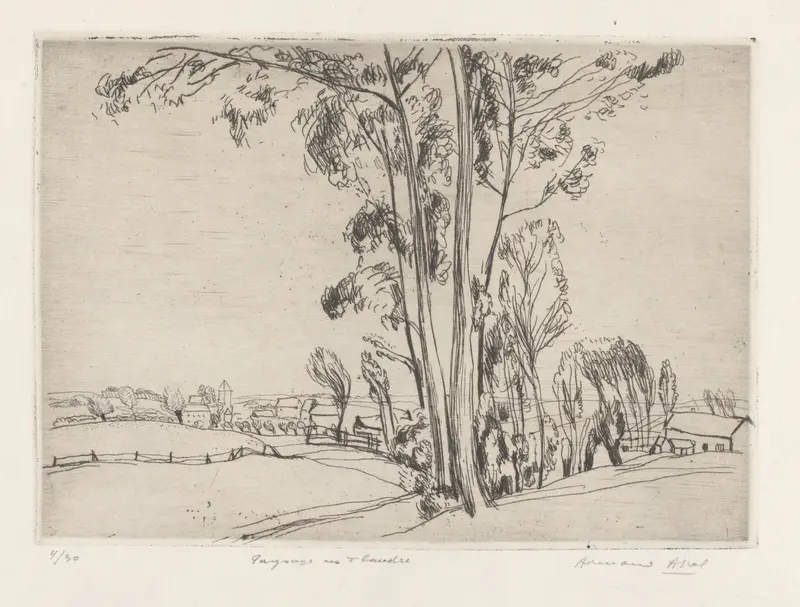
Paysage en Flandre (Etichove)
Armand Apol
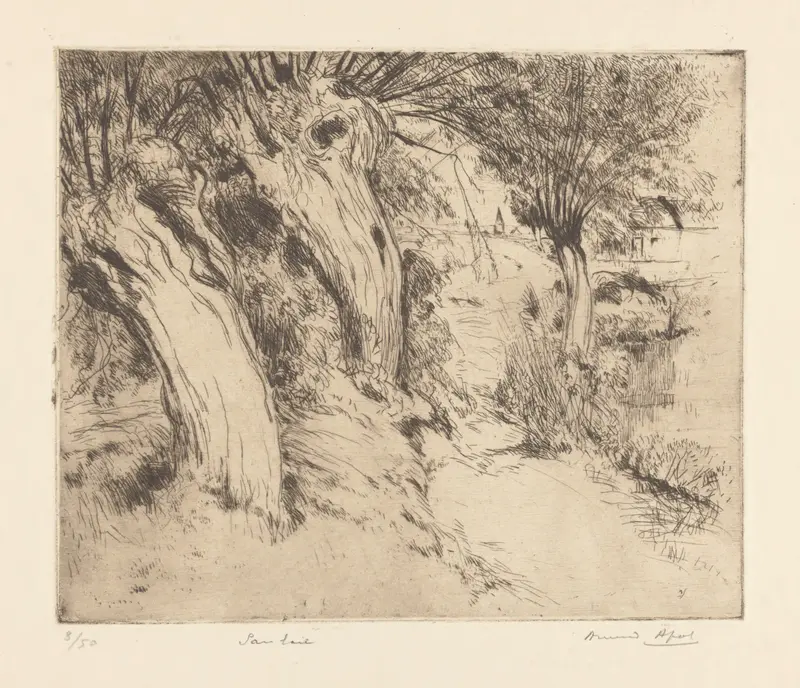
Saulaie
Armand Apol
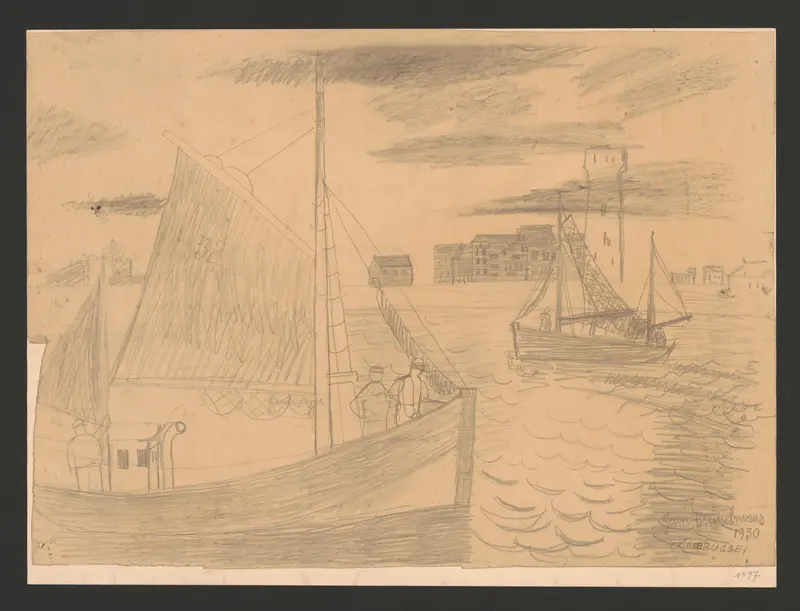
Zeebrugge
Armand Apol





