
Zeebrugge — History & Facts
The first thing that draws the eye in Zeebrugge is the quiet geometry of sails and masts, sketched in confident, searching lines. The scene is all angles and crossings: the rigging of the nearest boat carves up the sky, while the hulls set a rhythm across the water. Two figures stand at the prow, their backs turned, absorbed in the work or watchfulness of mariners.
The distant buildings and a tall tower on the horizon anchor the boats in a real, recognizable port, but the mood is one of pause rather than bustle. The artist’s pencil lingers on the texture of the sails and the ripple of water, guiding our gaze from the foreground vessel to the smaller craft and finally to the clustered silhouettes of the town. Works like this by Armand Apol belong to a tradition of Belgian marine and port scenes, where artists recorded the changing face of coastal life as steam and sail overlapped and fishing towns grew into industrial ports. Such drawings were often made for collectors, travelers, or as studies for larger works, capturing the everyday reality of working harbors.
The Royal Library of Belgium, which holds this piece, preserves many such glimpses into the era’s visual memory. History has kept few traces of the individual stories behind each boat or figure, but the drawing’s careful observation invites us to imagine the routines and ambitions of those who worked these waters. Let your eye follow the lines again—each one is a thread to a vanished day in Zeebrugge.
More Artworks by Armand Apol
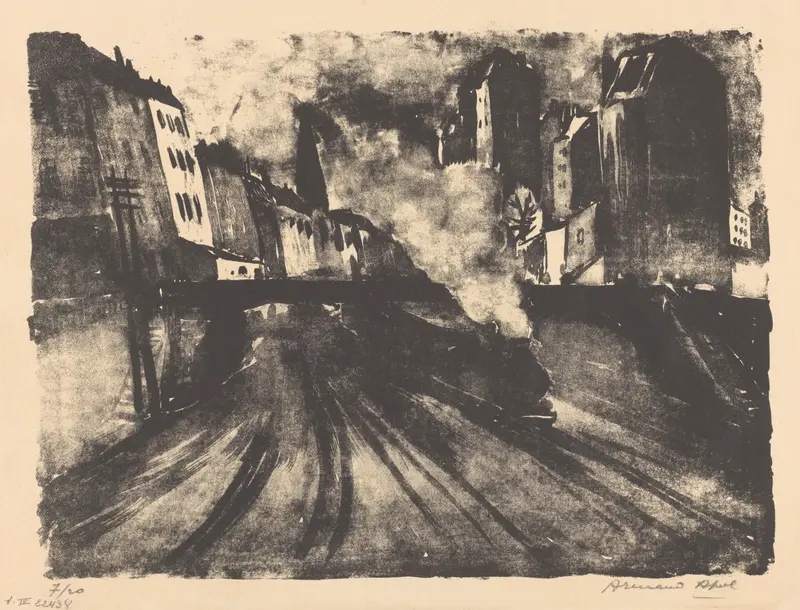
Chemin de fer de ceinture à Paris
Armand Apol
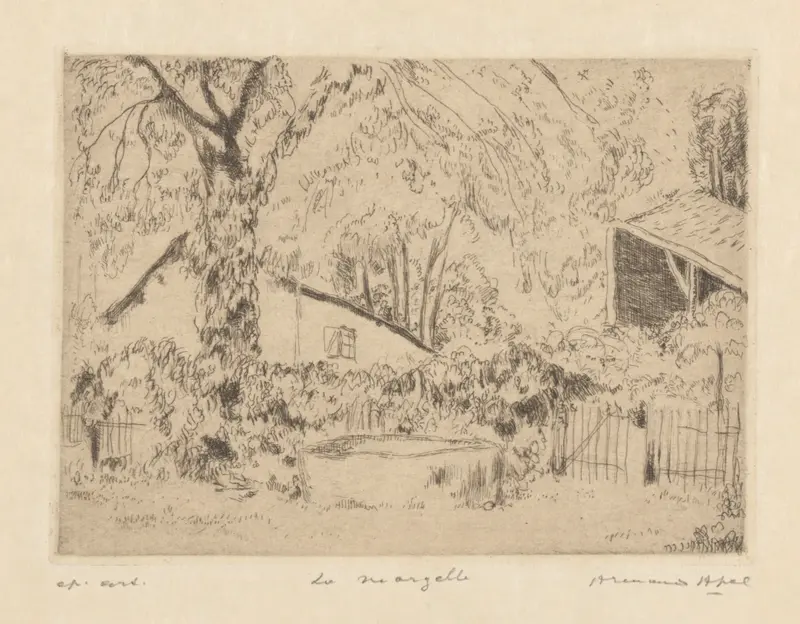
La margelle
Armand Apol
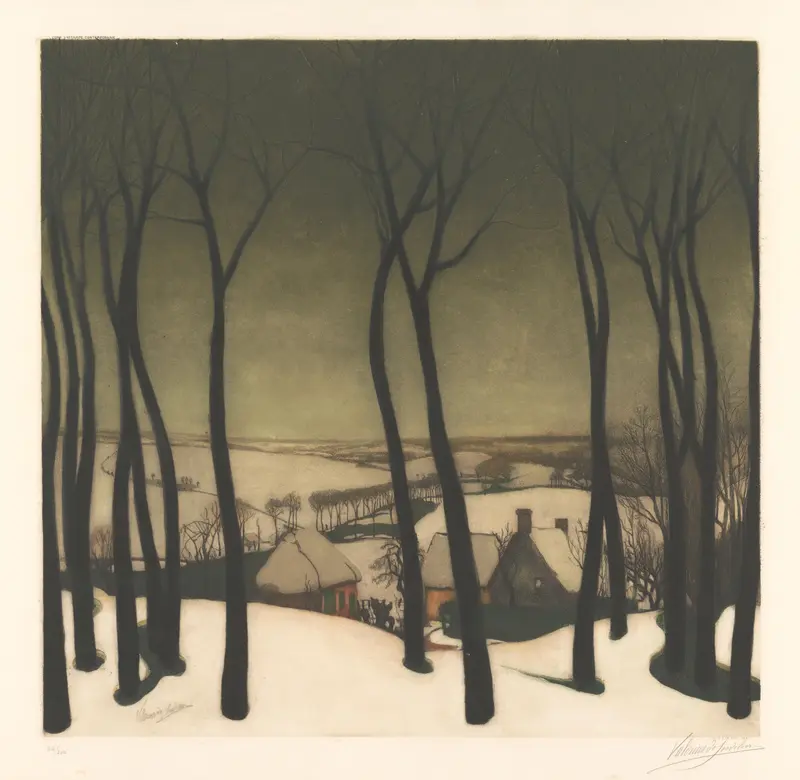
Album 8 estampes (en couleurs) (05) : Paysage
Armand Apol
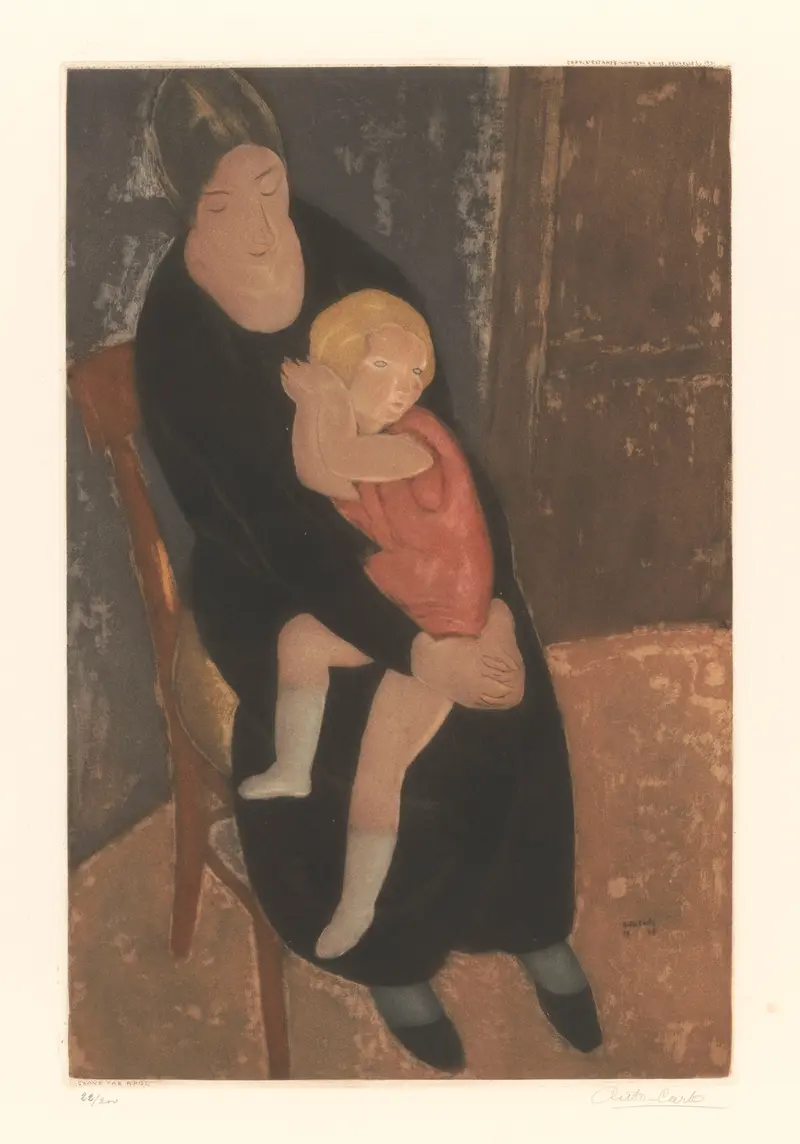
Album 8 estampes (en couleurs) (08) : Mère et enfant
Armand Apol
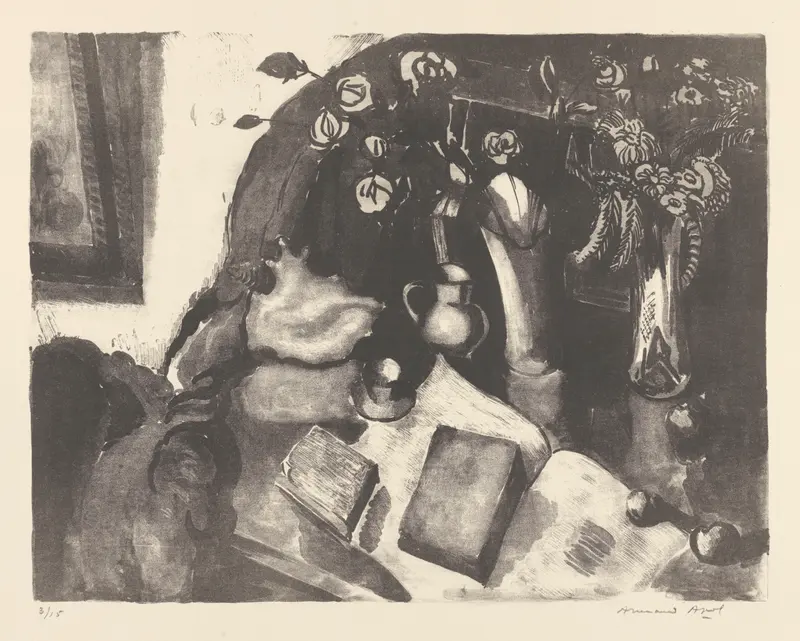
Dix lithographies au lavis (02) : Nature morte
Armand Apol

Dix planches (06) : La loge
Armand Apol
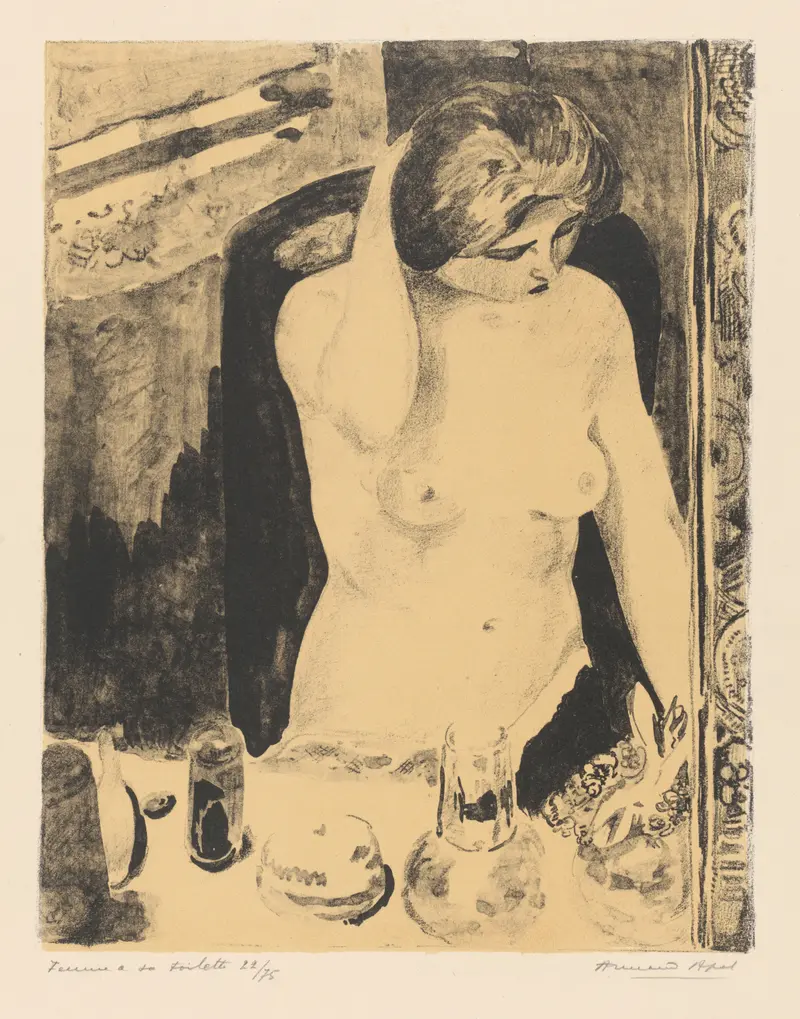
Dix planches (10) : Femme à sa toilette
Armand Apol
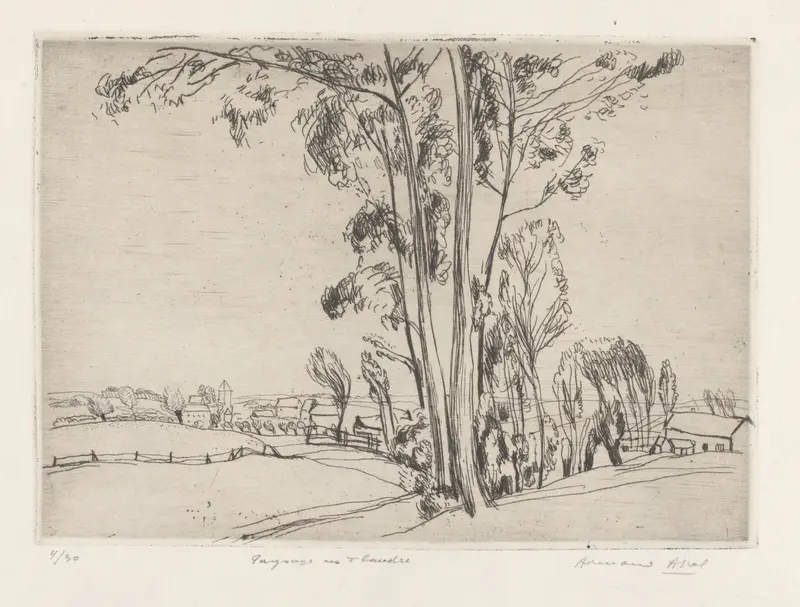
Paysage en Flandre (Etichove)
Armand Apol
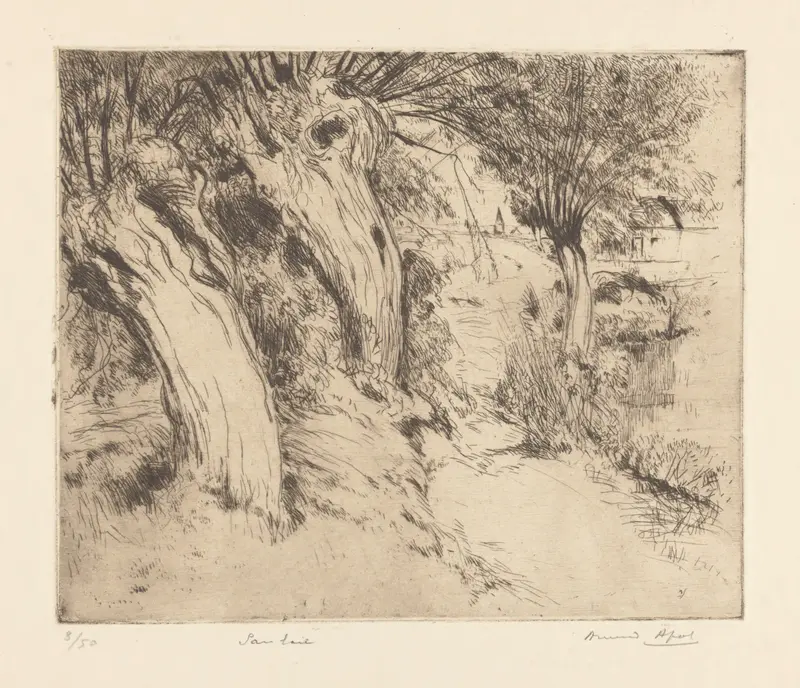
Saulaie
Armand Apol
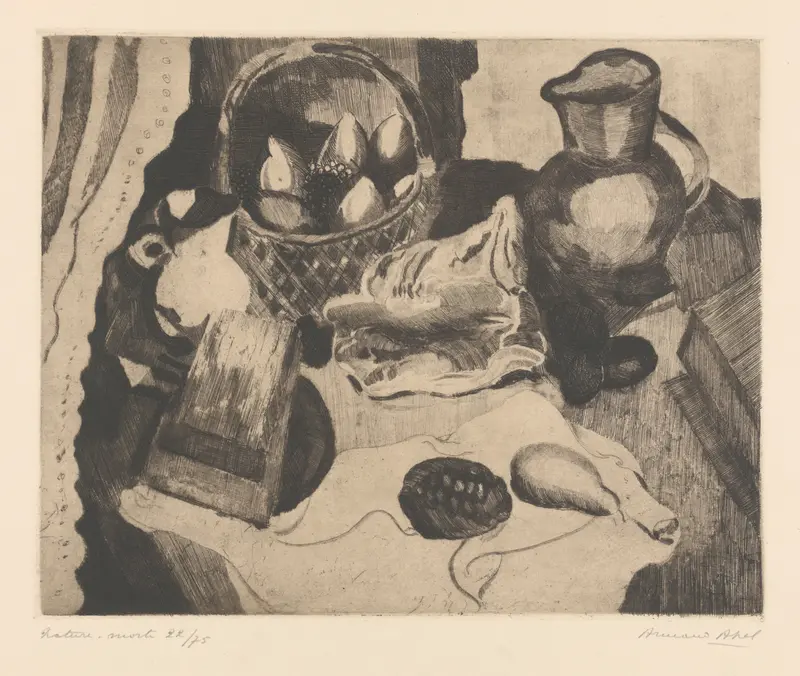
Dix planches (08) : Nature morte
Armand Apol





