
La margelle — History & Facts
A quiet well sits at the heart of this scene, half-swallowed by foliage, its stone rim anchoring the viewer’s gaze amid a tangle of trees and rustic buildings. The artist, Armand Apol, has chosen not to dramatize but to invite us into a moment of stillness, where the everyday becomes quietly monumental. The lines are quick, almost searching, as if the artist’s hand is feeling its way through the thicket of leaves and branches.
Light trickles through the canopy, picking out the rough geometry of the well and the angled roof to the right, while the house in the background, with its shuttered window, suggests a life lived just out of sight. The composition draws the eye in a gentle spiral: tree, well, house, and back again, each element held in delicate balance. Works like La margelle belong to a tradition of intimate landscape etchings that flourished in late nineteenth- and early twentieth-century Belgium, when artists sought to capture the poetry of rural corners and the quiet dignity of vernacular architecture. Such prints were often made for collectors or as personal studies, prized for their immediacy and the artist’s direct touch.
Now held in the Royal Library of Belgium, this piece stands as a modest but telling witness to that era’s fascination with the overlooked and the ordinary. In its soft, searching lines, history has left us a record not of grand events, but of the slow, attentive gaze that turns a simple well into the center of a world—one that still waits for the viewer’s eye to complete its circle.
Sources: Wikidata Q105198674 · Image source (Wikimedia Commons)
More Artworks by Armand Apol
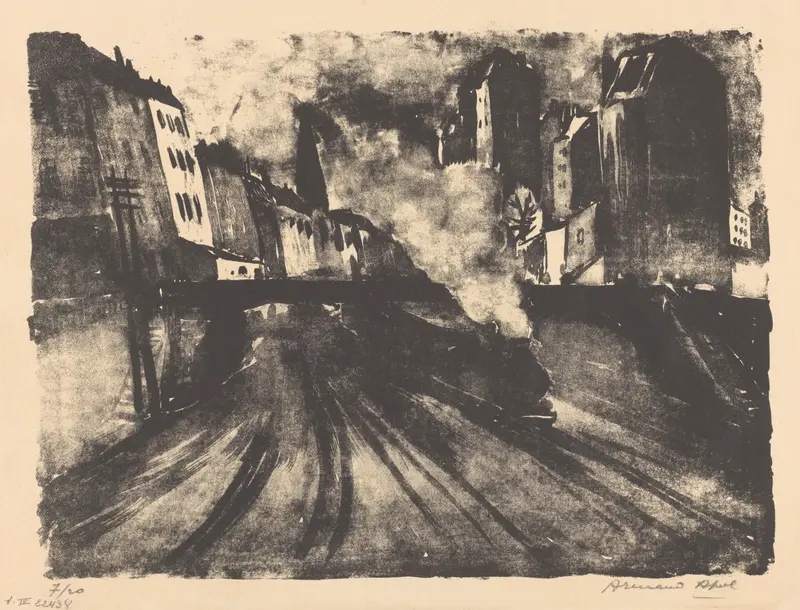
Chemin de fer de ceinture à Paris
Armand Apol
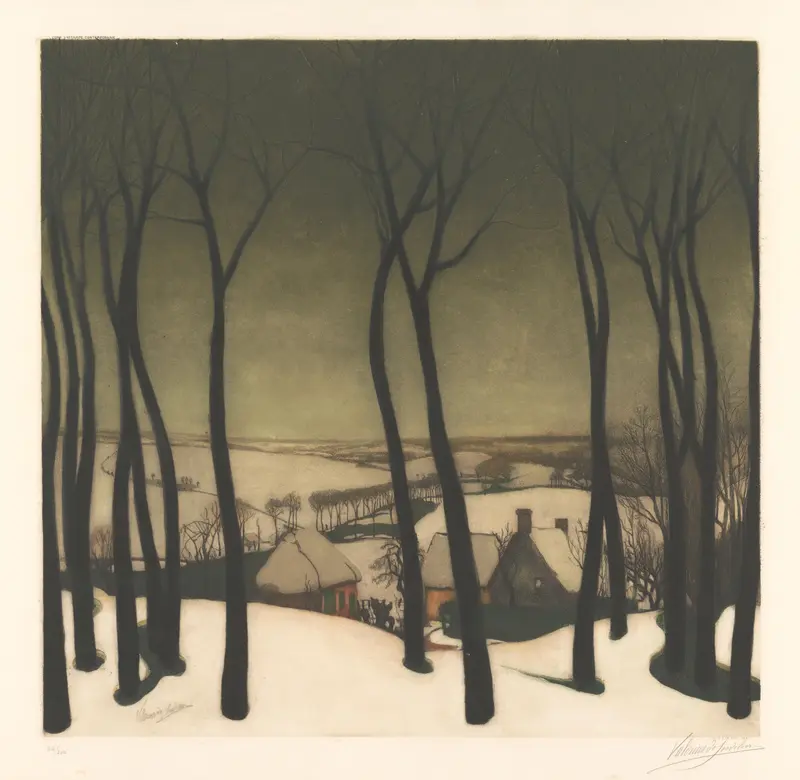
Album 8 estampes (en couleurs) (05) : Paysage
Armand Apol
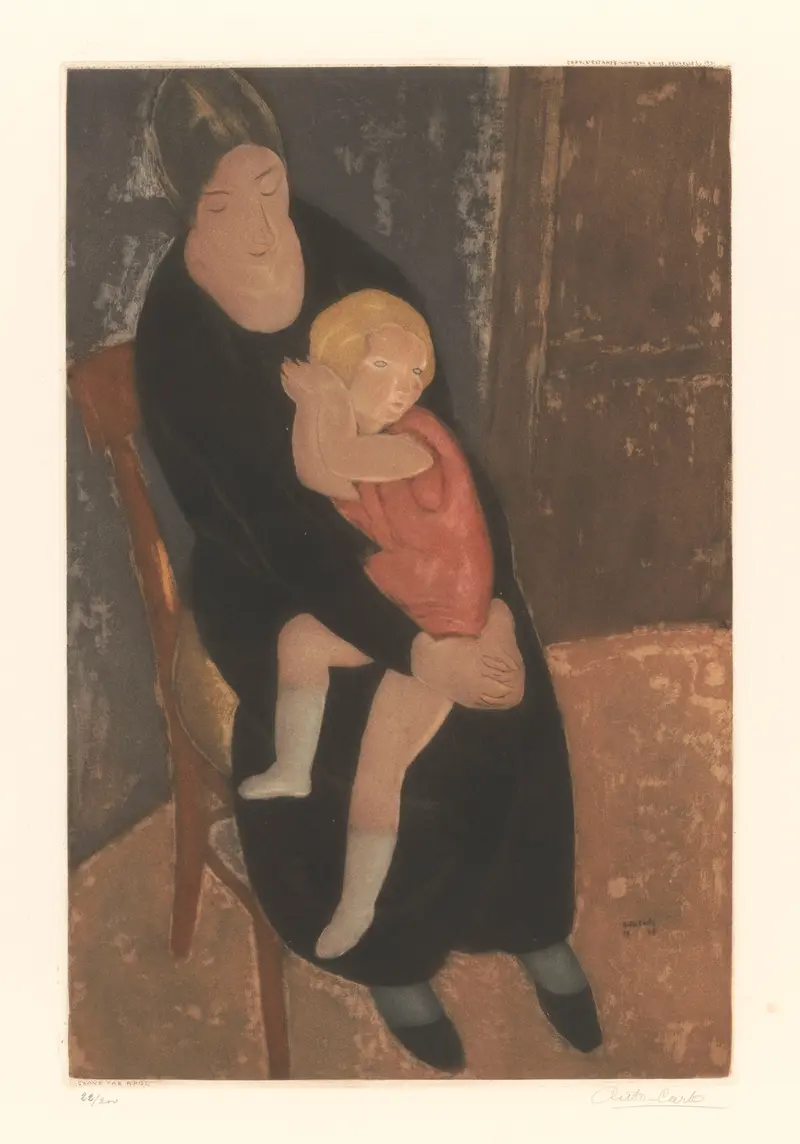
Album 8 estampes (en couleurs) (08) : Mère et enfant
Armand Apol
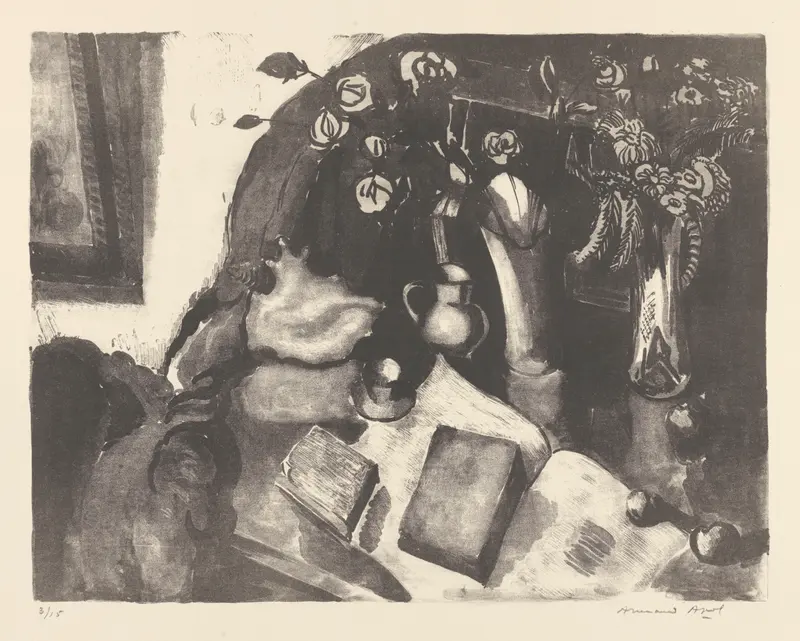
Dix lithographies au lavis (02) : Nature morte
Armand Apol

Dix planches (06) : La loge
Armand Apol
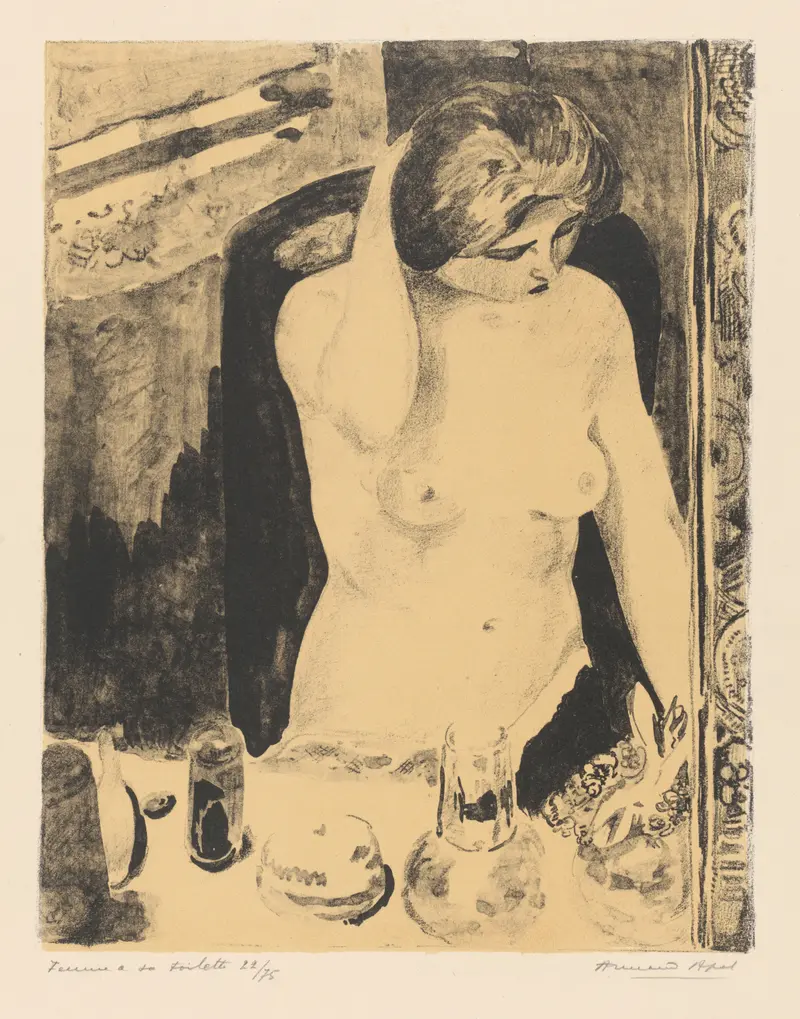
Dix planches (10) : Femme à sa toilette
Armand Apol
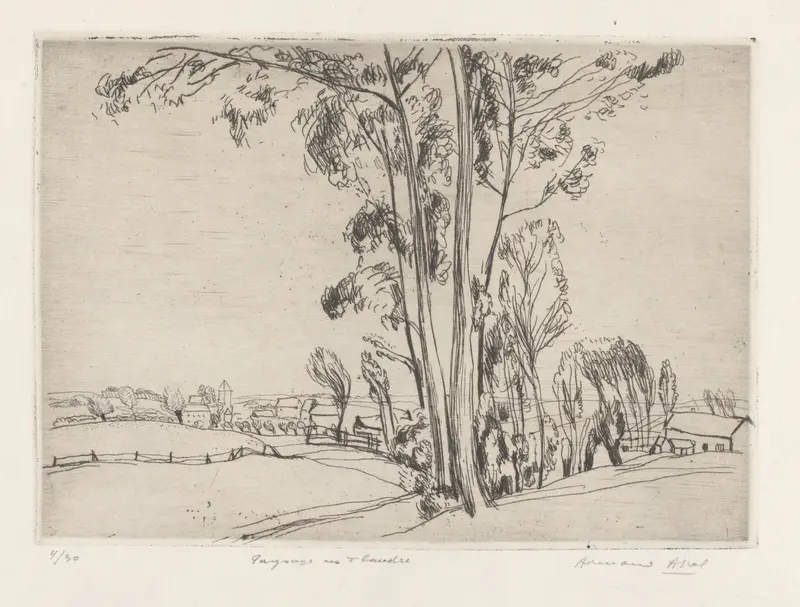
Paysage en Flandre (Etichove)
Armand Apol
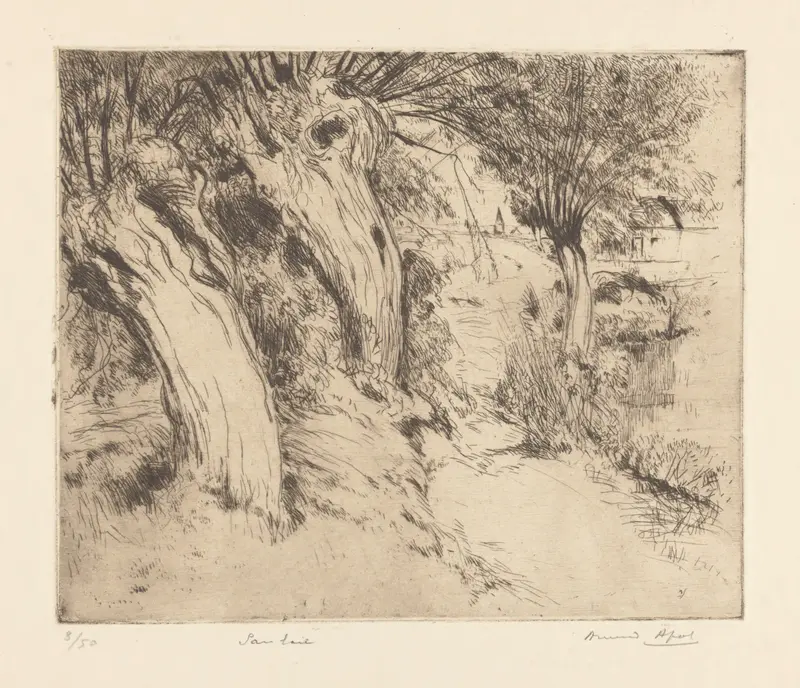
Saulaie
Armand Apol
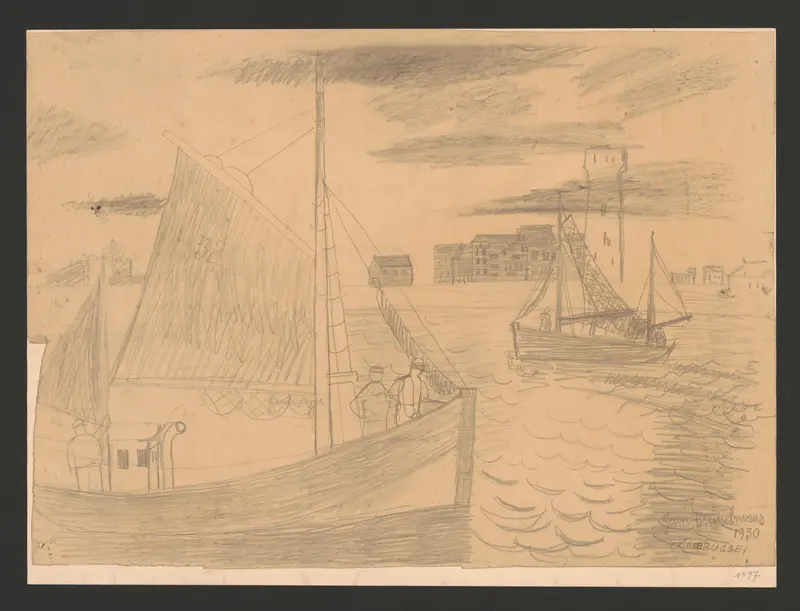
Zeebrugge
Armand Apol
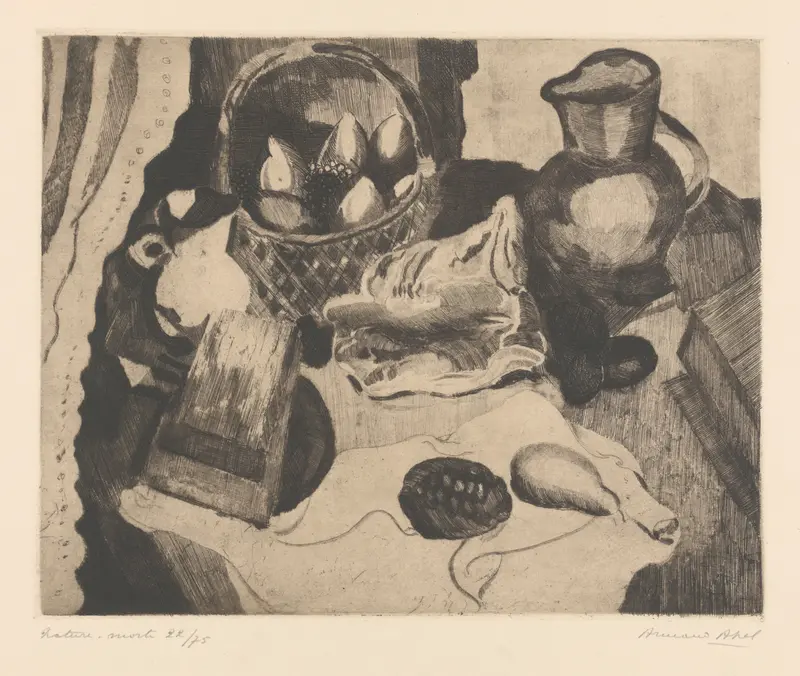
Dix planches (08) : Nature morte
Armand Apol
More Landscape Art

The Starry Night
Vincent van Gogh

View of Delft
Johannes Vermeer

Water Lilies
Claude Monet

The Grand Canal, Venice, looking north-west from the Ca' Corner to the Ca' Contarini degli Scrigni, with the campanile of Santa Maria della Carità
Canaletto

Windsor Castle
Canaletto

The Grand Canal looking North-East from the Palazzo Dolfin-Manin to the Rialto Bridge
Canaletto