
Saulaie — History & Facts
What first draws the eye in Saulaie by Armand Apol is the remarkable intimacy with which the trees lean and twist, their trunks scarred and hollowed, yet full of presence. The path, barely more than a suggestion, curves quietly between the willows, leading the viewer’s gaze deeper into the thicket and toward the distant hint of a roof and a sail. Every etched line seems to pulse with the memory of wind and the slow growth of wood, the shadows thickening under the trees where the light cannot reach.
The composition is quietly dynamic: the heavy, knotted trunks anchor the foreground, while the lighter, feathery branches above dissolve into a haze, suggesting the gentle movement of leaves and the passage of time. Works like this, produced in the late nineteenth or early twentieth century, reflect a period when Belgian artists such as Apol turned to their native landscapes, seeking poetry in the ordinary and the overlooked. Etchings of this kind were often made for collectors or as part of small editions, prized for their ability to capture the immediacy of an artist’s hand. The Royal Library of Belgium now preserves this piece, a reminder of a world where the countryside was still close at hand, and the act of looking could be as meditative as a walk among the willows.
In a time when industry and city life were rapidly changing the face of Europe, such images offered a quiet resistance—a moment to linger, as you might now, with the slow, silent language of trees.
More Artworks by Armand Apol
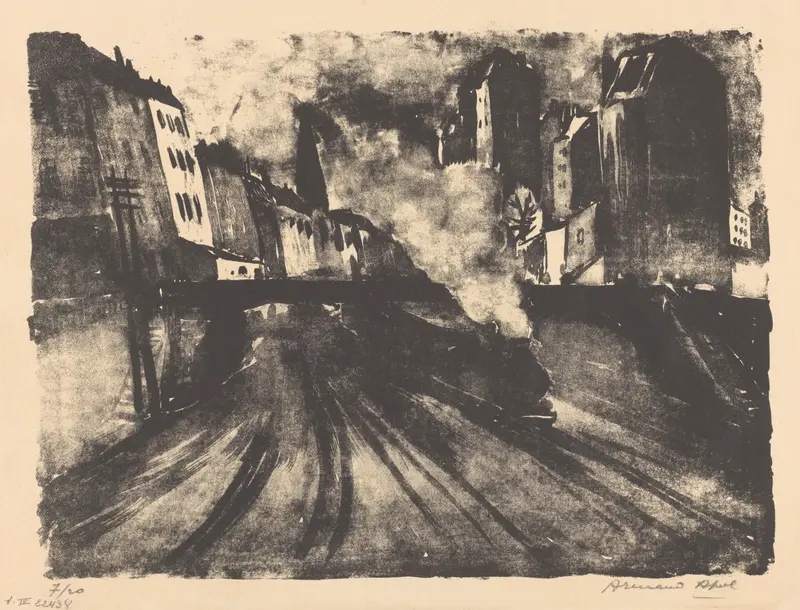
Chemin de fer de ceinture à Paris
Armand Apol
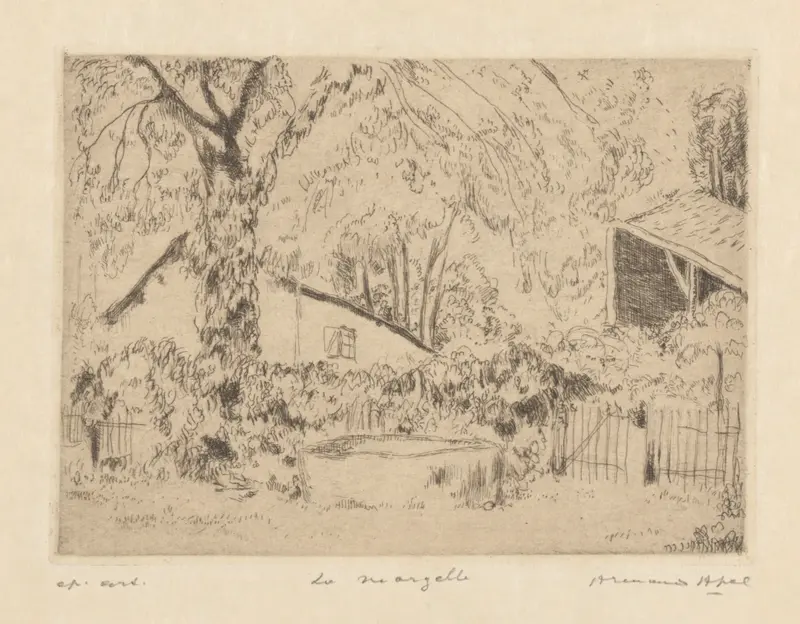
La margelle
Armand Apol
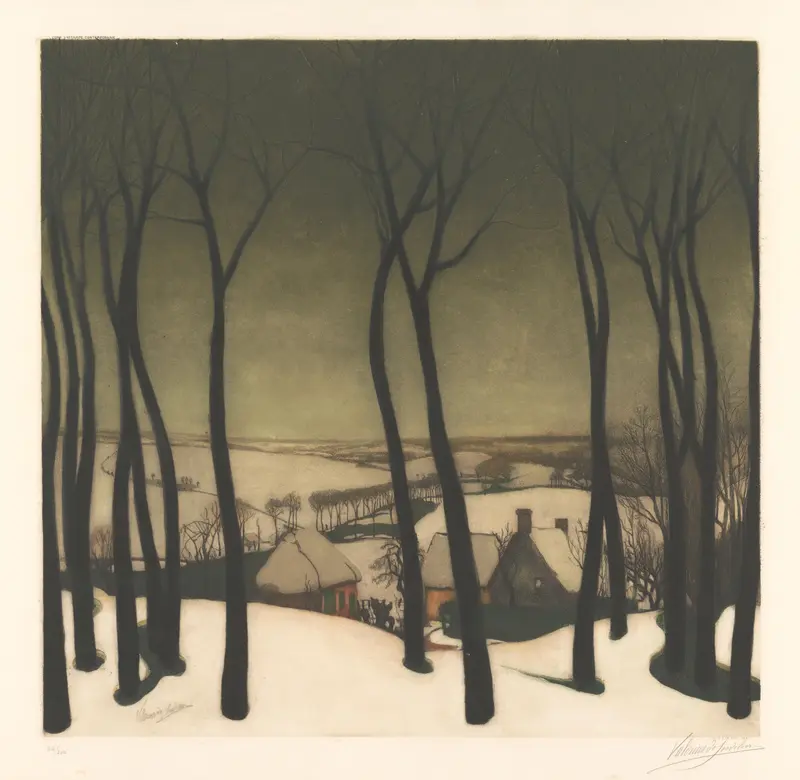
Album 8 estampes (en couleurs) (05) : Paysage
Armand Apol
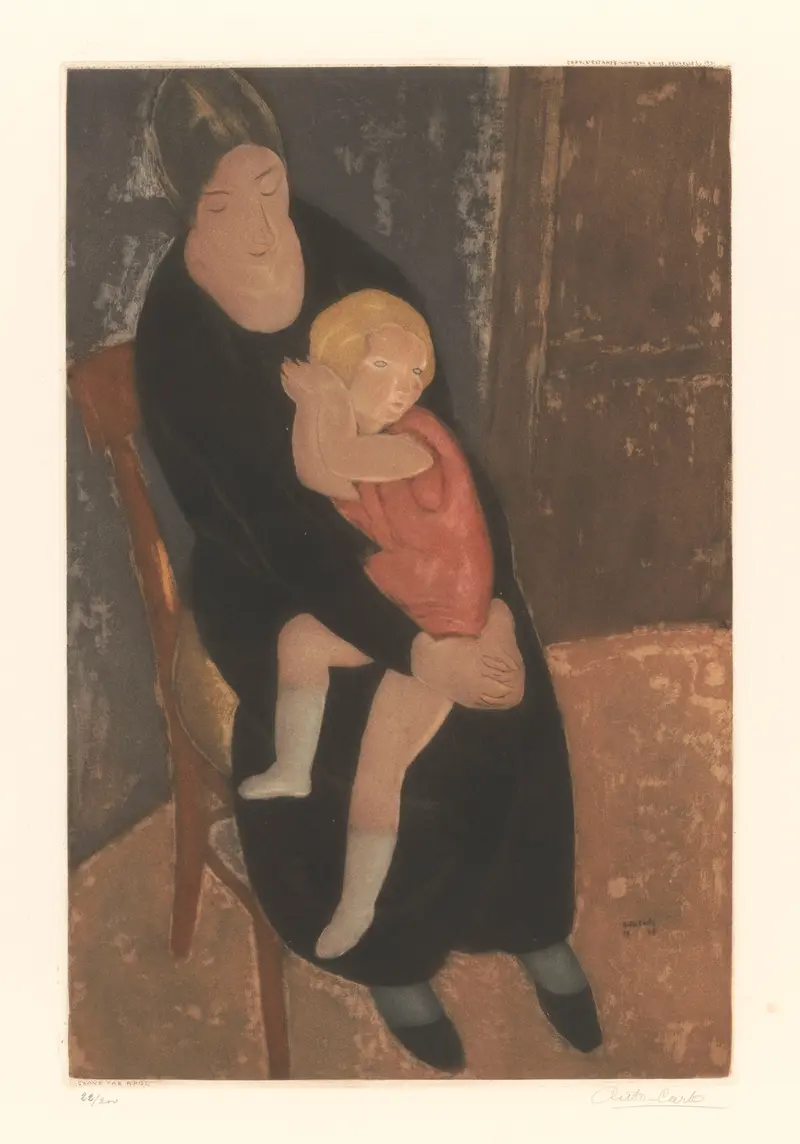
Album 8 estampes (en couleurs) (08) : Mère et enfant
Armand Apol
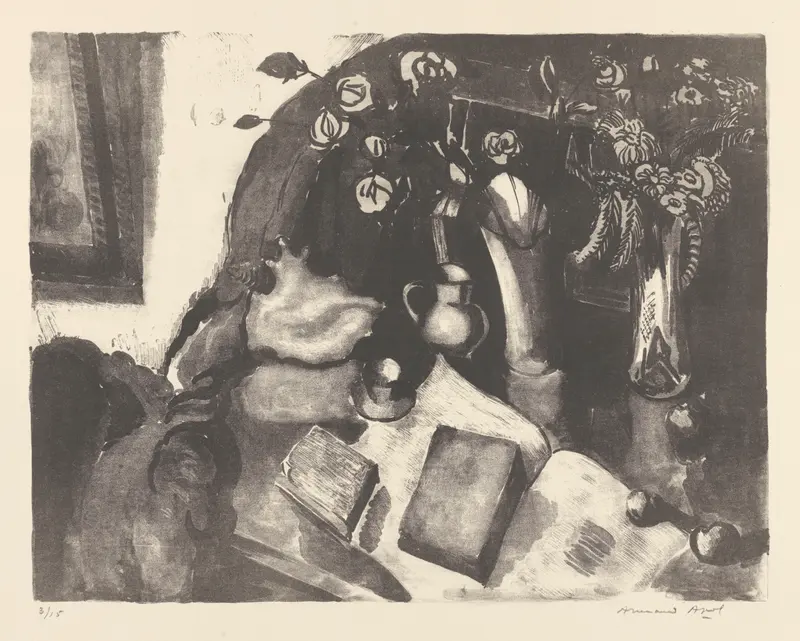
Dix lithographies au lavis (02) : Nature morte
Armand Apol

Dix planches (06) : La loge
Armand Apol
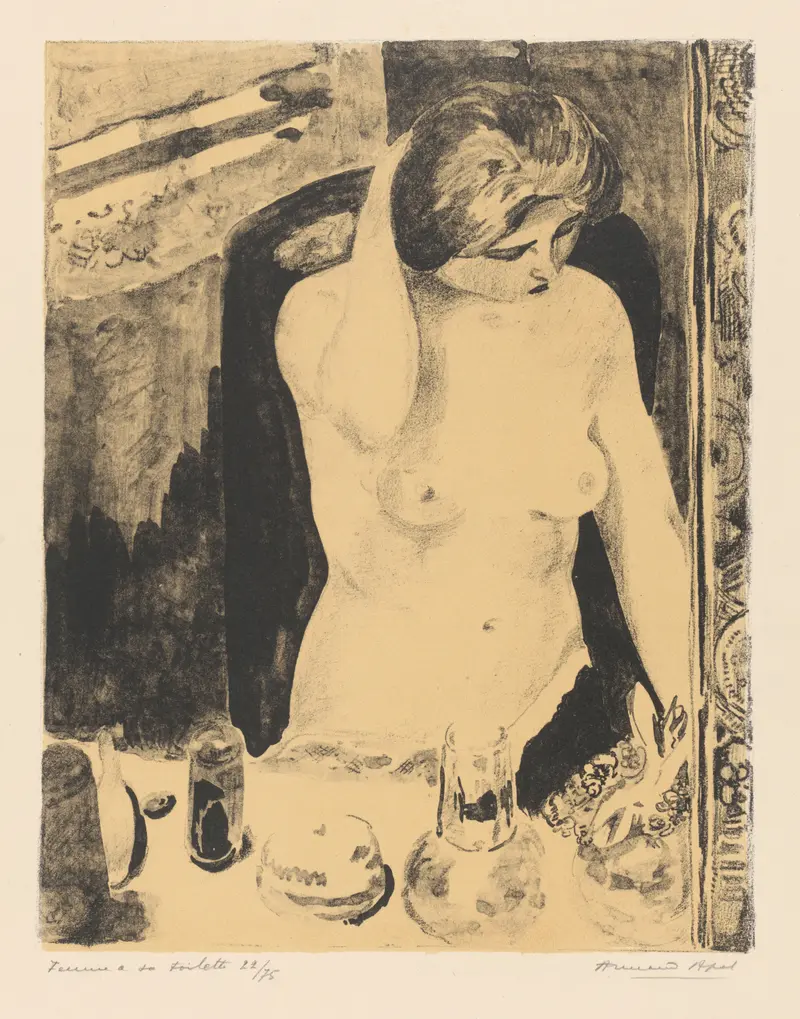
Dix planches (10) : Femme à sa toilette
Armand Apol
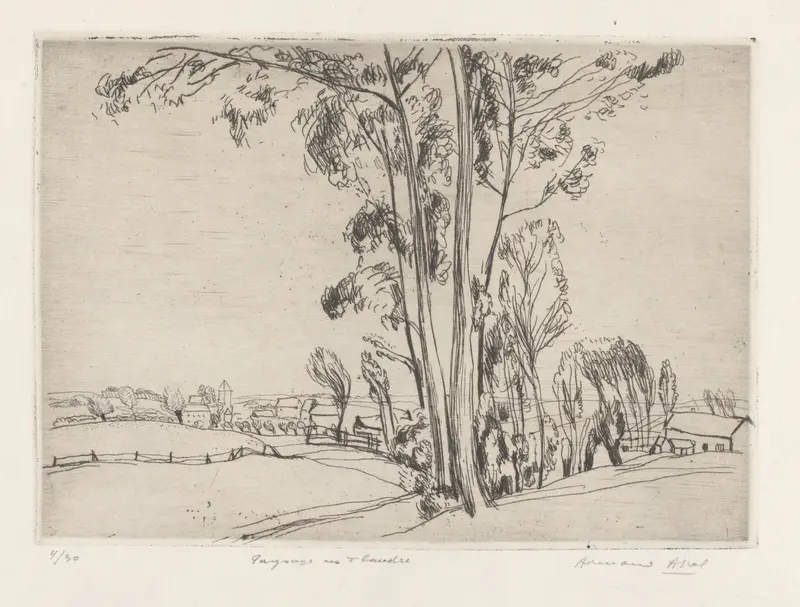
Paysage en Flandre (Etichove)
Armand Apol
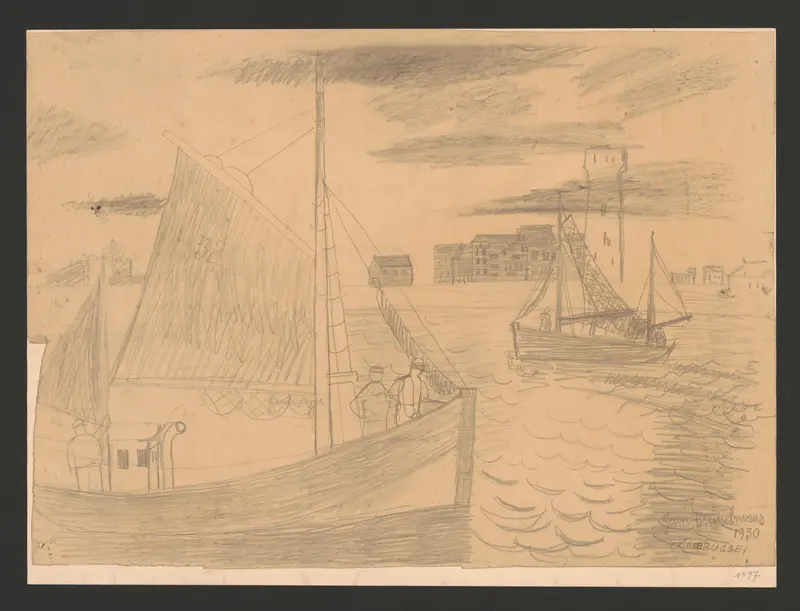
Zeebrugge
Armand Apol
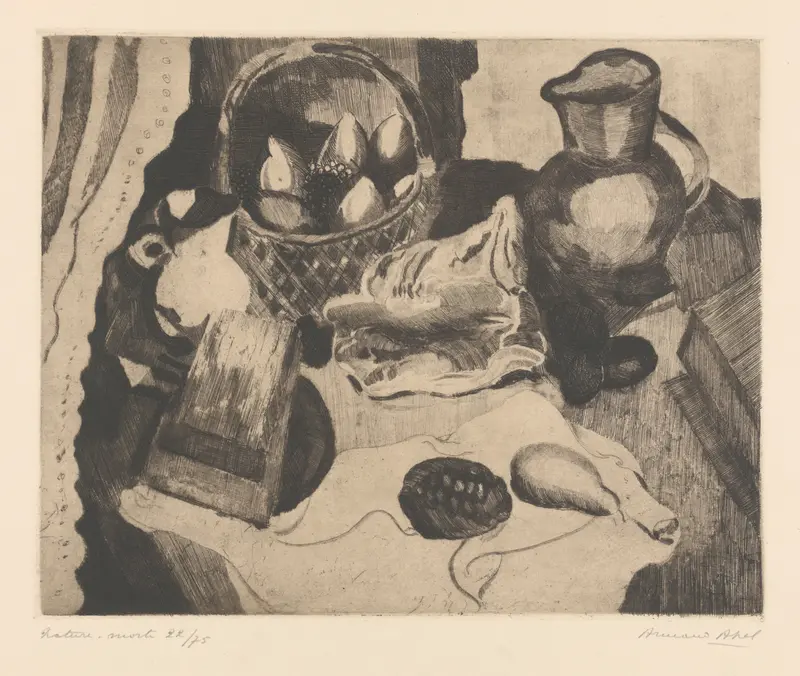
Dix planches (08) : Nature morte
Armand Apol
More Landscape Art

The Starry Night
Vincent van Gogh

View of Delft
Johannes Vermeer

Water Lilies
Claude Monet

The Grand Canal, Venice, looking north-west from the Ca' Corner to the Ca' Contarini degli Scrigni, with the campanile of Santa Maria della Carità
Canaletto

Windsor Castle
Canaletto

The Grand Canal looking North-East from the Palazzo Dolfin-Manin to the Rialto Bridge
Canaletto