
Dix planches (06) : La loge — History & Facts
A woman leans forward, her arms draped languidly over the edge of a balcony or theater box, her gaze lost in the shadows beyond the frame. The lines of her body are carved in soft, almost sculptural strokes, while her face—framed by slicked-back hair and a single earring—holds an expression that hovers between anticipation and resignation. The light falls unevenly, catching the curve of her shoulder and the sharp edge of her cheekbone, drawing the viewer into her private world.
The background dissolves into darkness and rough texture, so that all attention is pulled to her pose and the silent drama of her thoughts. The composition is intimate, inviting us to share a moment of waiting, of watching, or perhaps of being watched. Works like Dix planches (06) : La loge by Armand Apol belong to a tradition of early twentieth-century prints that explored the everyday theater of urban life—often focusing on the fleeting, unguarded moments behind public spectacle. Artists of this era, especially in Belgium and France, were fascinated by the spaces where private and public worlds met: the opera box, the café, the street corner.
Though little is recorded about this specific print, its presence today in the Royal Library of Belgium is a quiet testament to the enduring power of such scenes to capture the inner lives of their subjects. The longer you look, the more you sense the hush and expectancy that fill the air around her.
Sources: Wikidata Q105198729 · Image source (Wikimedia Commons)
More Artworks by Armand Apol
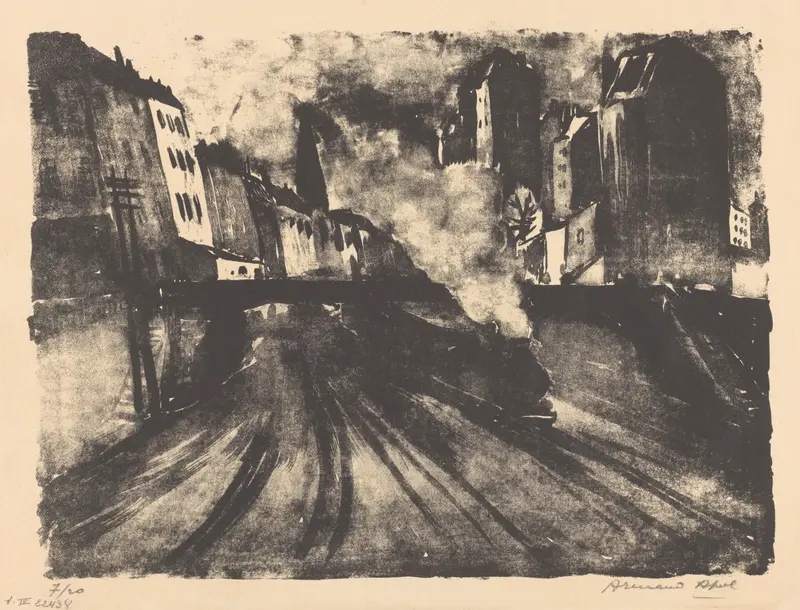
Chemin de fer de ceinture à Paris
Armand Apol
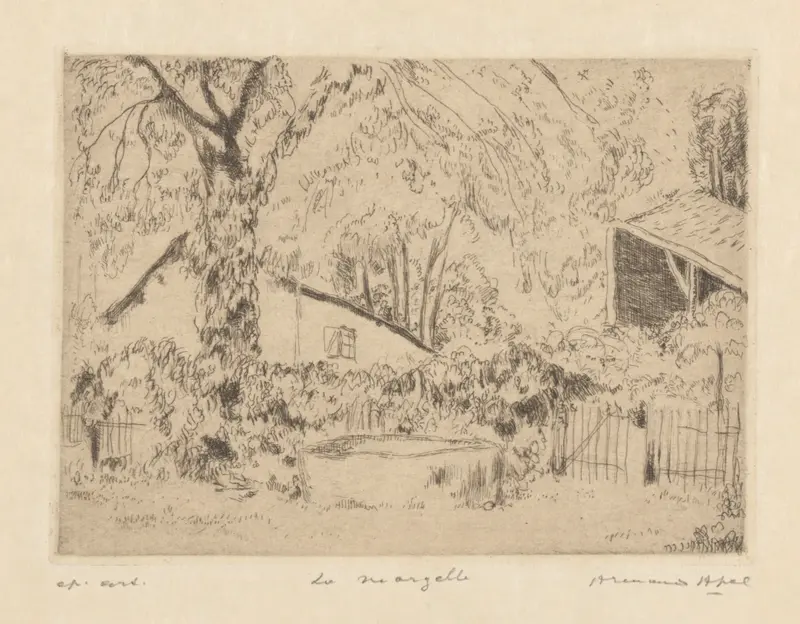
La margelle
Armand Apol
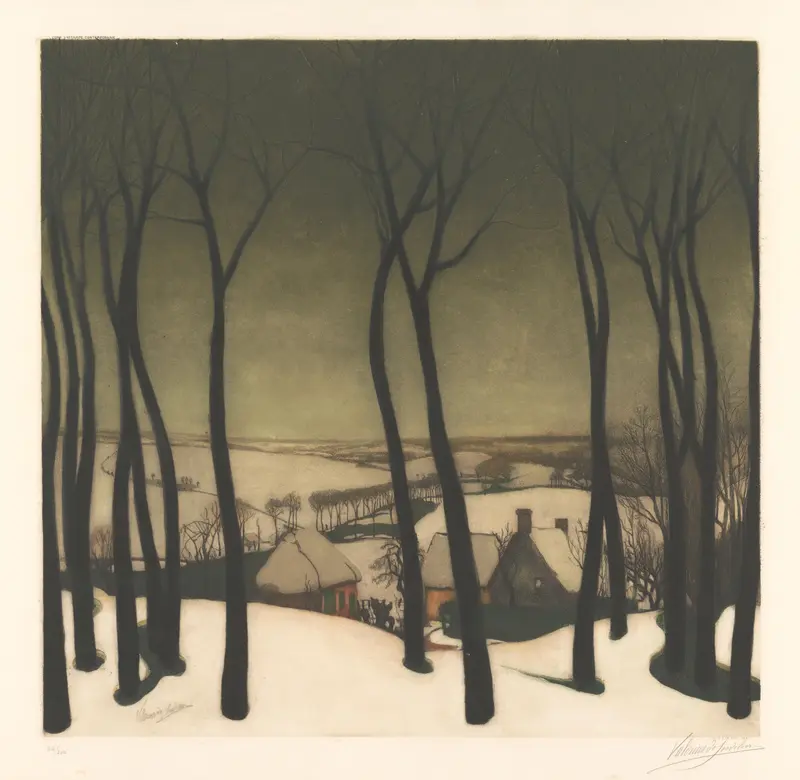
Album 8 estampes (en couleurs) (05) : Paysage
Armand Apol
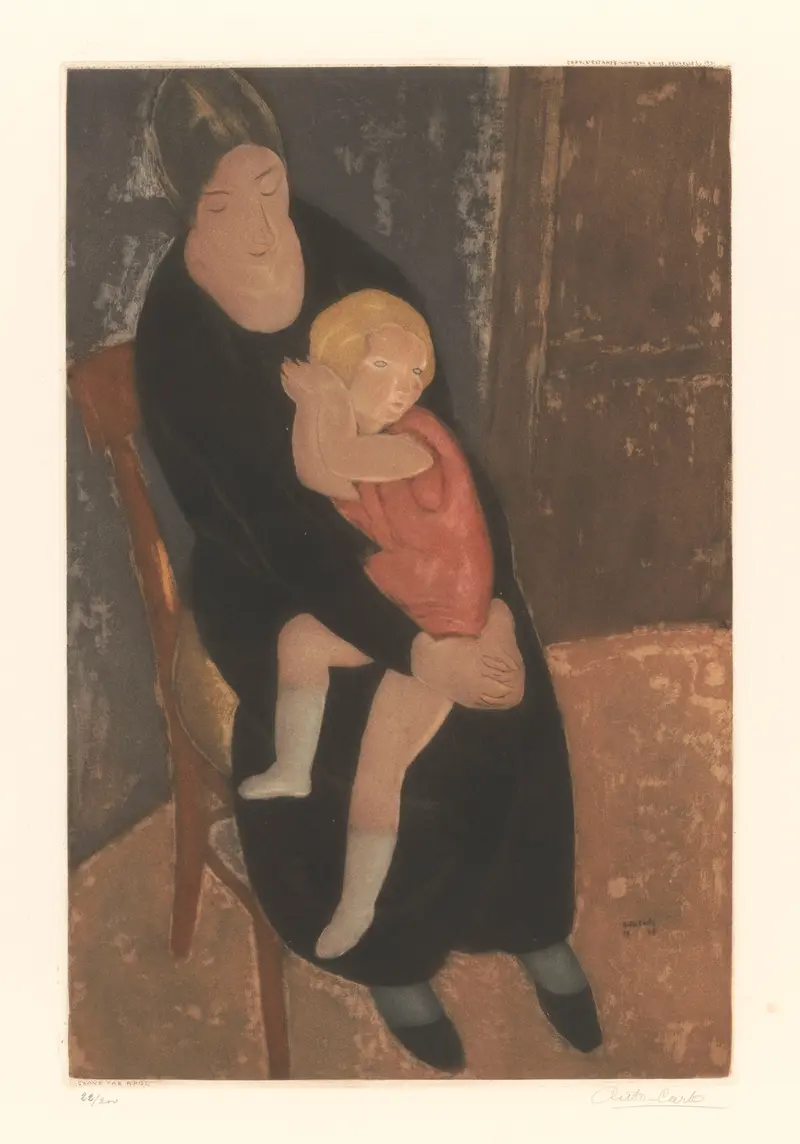
Album 8 estampes (en couleurs) (08) : Mère et enfant
Armand Apol
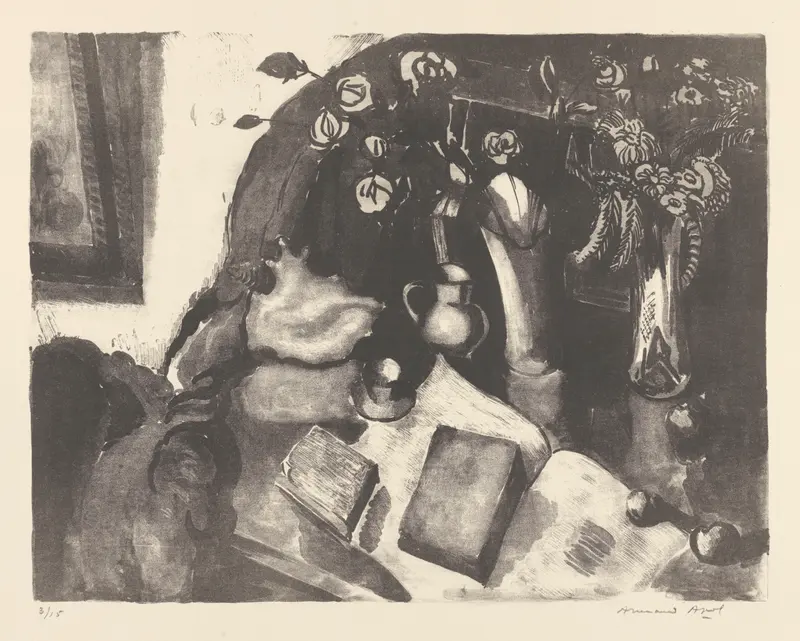
Dix lithographies au lavis (02) : Nature morte
Armand Apol
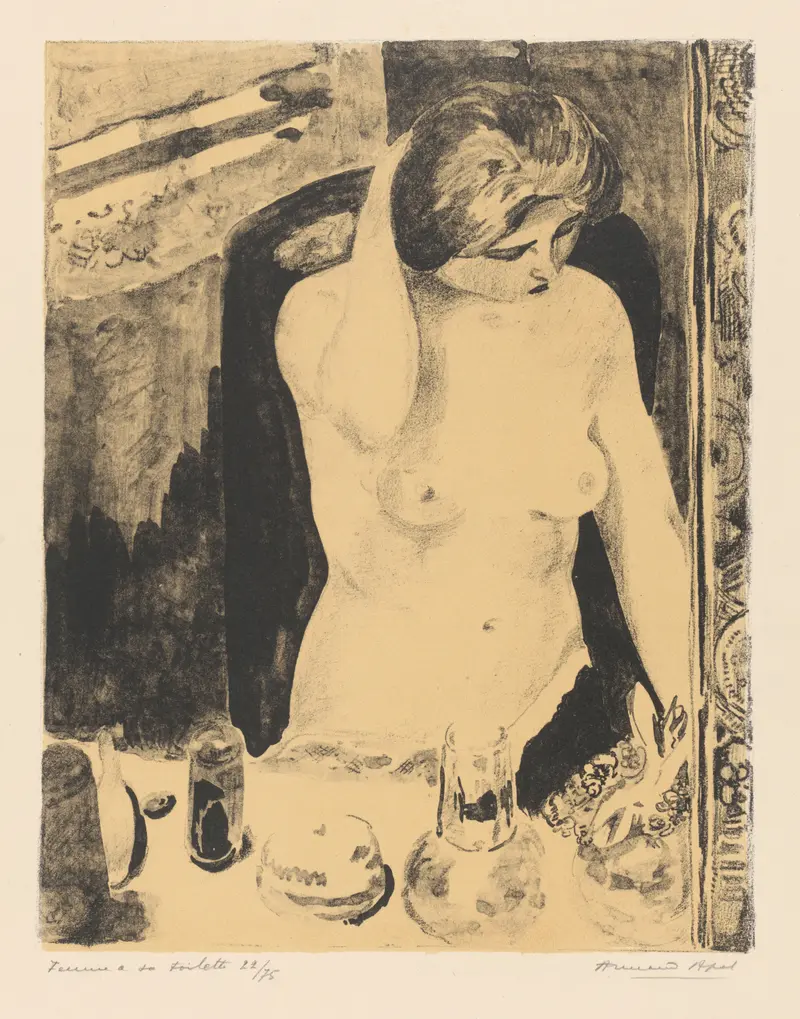
Dix planches (10) : Femme à sa toilette
Armand Apol
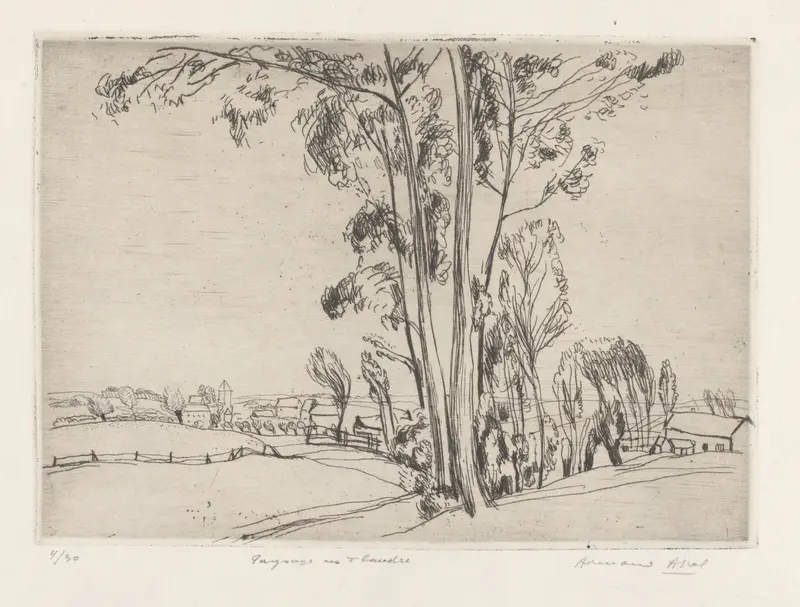
Paysage en Flandre (Etichove)
Armand Apol
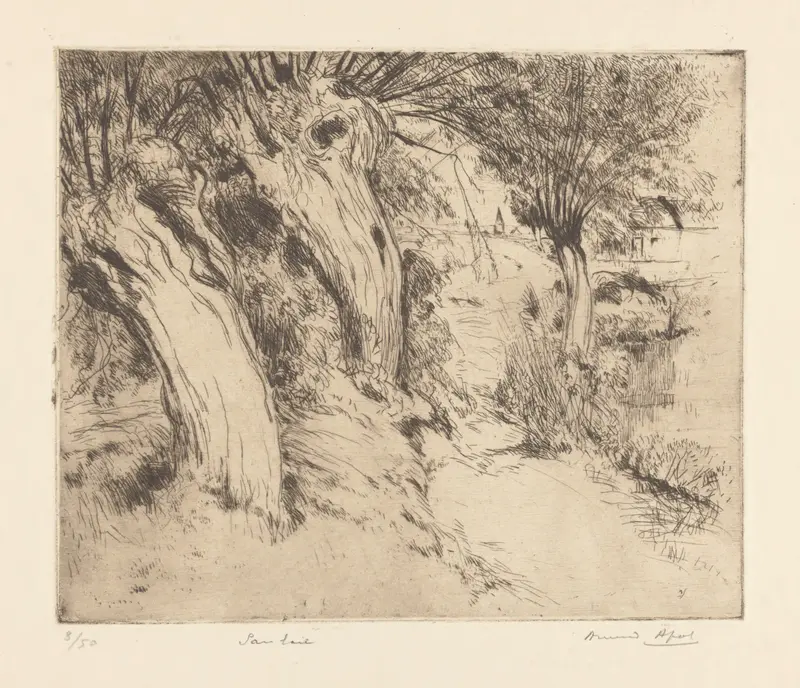
Saulaie
Armand Apol
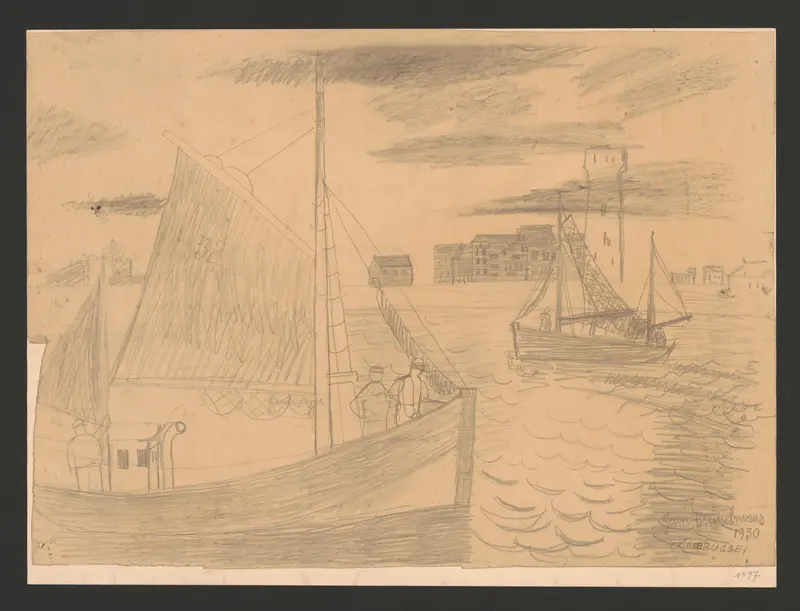
Zeebrugge
Armand Apol
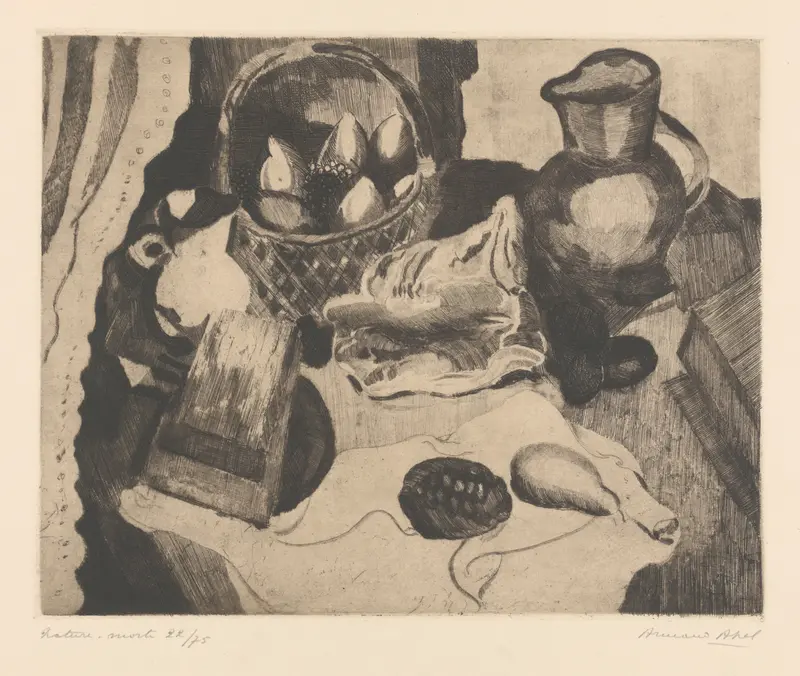
Dix planches (08) : Nature morte
Armand Apol
More Genre Scene Art

Banquet of the Officers of the St George Civic Guard
Frans Hals

Rembrandt and Saskia in the Scene of the Prodigal Son
Rembrandt van Rijn

Bal du moulin de la Galette
Pierre-Auguste Renoir

Quadrille at the Moulin Rouge
Henri de Toulouse-Lautrec

A Burial at Ornans
Gustave Courbet

When Will You Marry?
Paul Gauguin