
Dix planches (08) : Nature morte — History & Facts
A hush settles over the table in Dix planches (08) : Nature morte by Armand Apol, where everyday objects gather in quiet congress. The eye is first drawn to the basket of fruit, whose pale forms seem to glow from within, encircled by the dark weave of their container. The pitcher, heavy and solid, anchors the right edge, its rounded side catching and reflecting a soft light that hints at a window just out of frame.
A shell, a book, and a scattering of small objects invite closer inspection, each rendered with a care that elevates the ordinary into something worth pausing over. The interplay of textures—smooth ceramic, rough wood, woven straw—creates a tactile invitation, while the shadows and cross-hatching lend a sense of intimacy and enclosure, as if the viewer has stumbled upon a private moment. Still life, or nature morte, held a special place in European art, especially from the seventeenth century onward, when collectors prized such works for their ability to showcase both technical skill and symbolic meaning. By the time of Apol, Belgian artists were reimagining these traditions, often infusing their compositions with a sense of quiet modernity and personal reflection.
The Royal Library of Belgium, which preserves this work, stands as a testament to the enduring appeal of these intimate tableaus. History has kept few traces of this particular print’s journey, but its presence here invites us to linger, to notice, and to find meaning in the simple arrangement of things.
More Artworks by Armand Apol
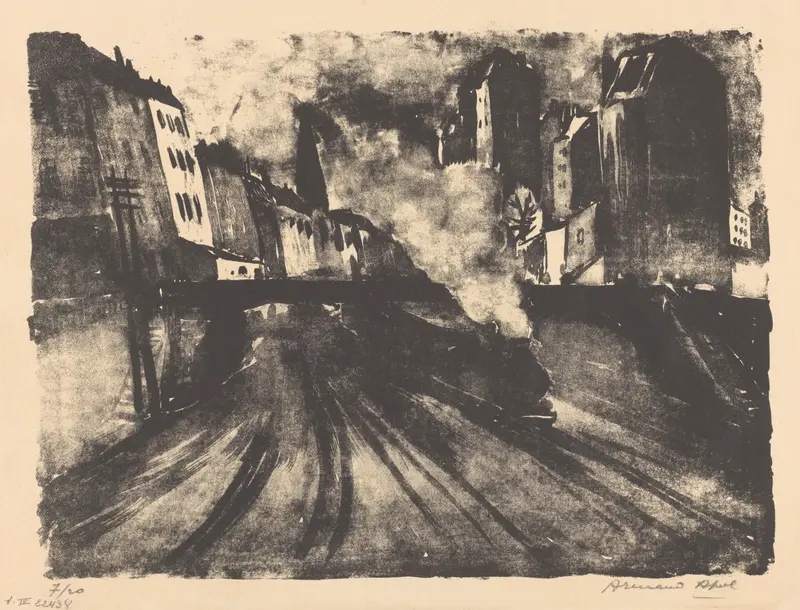
Chemin de fer de ceinture à Paris
Armand Apol
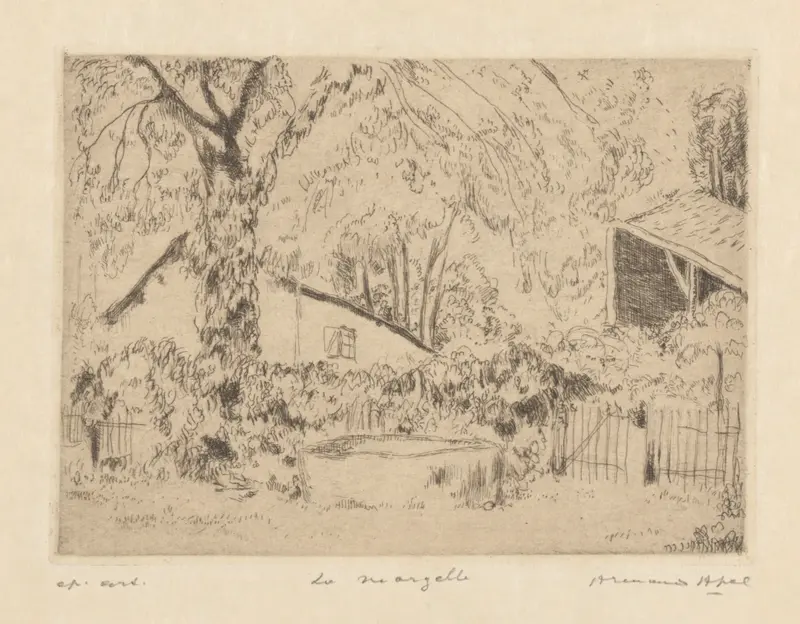
La margelle
Armand Apol
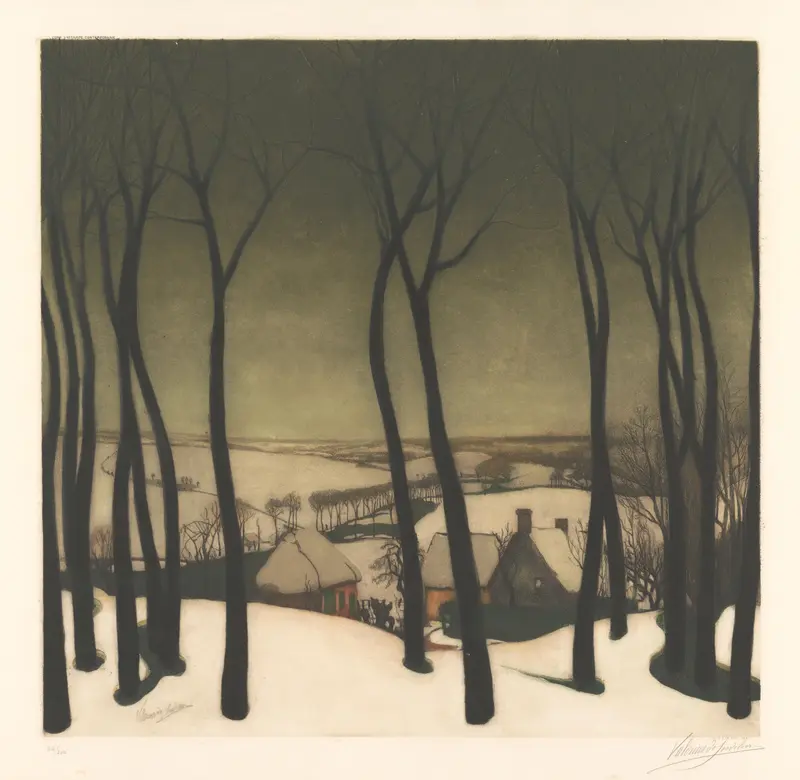
Album 8 estampes (en couleurs) (05) : Paysage
Armand Apol
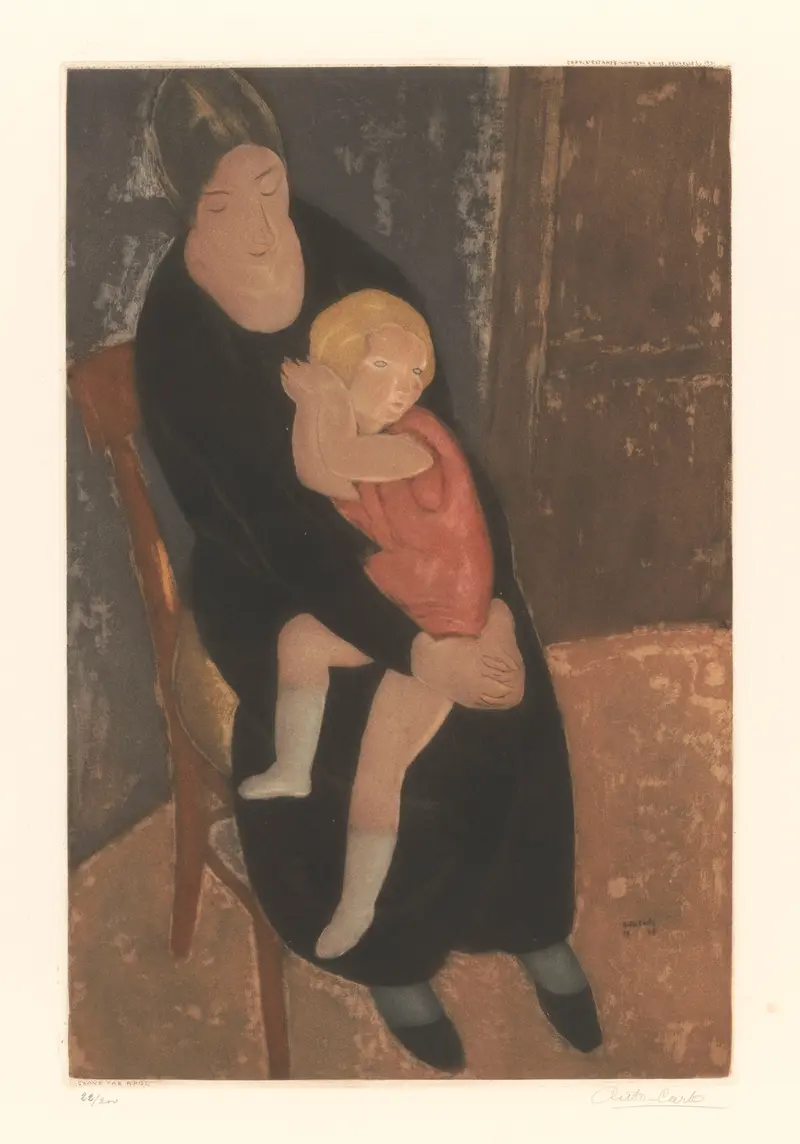
Album 8 estampes (en couleurs) (08) : Mère et enfant
Armand Apol
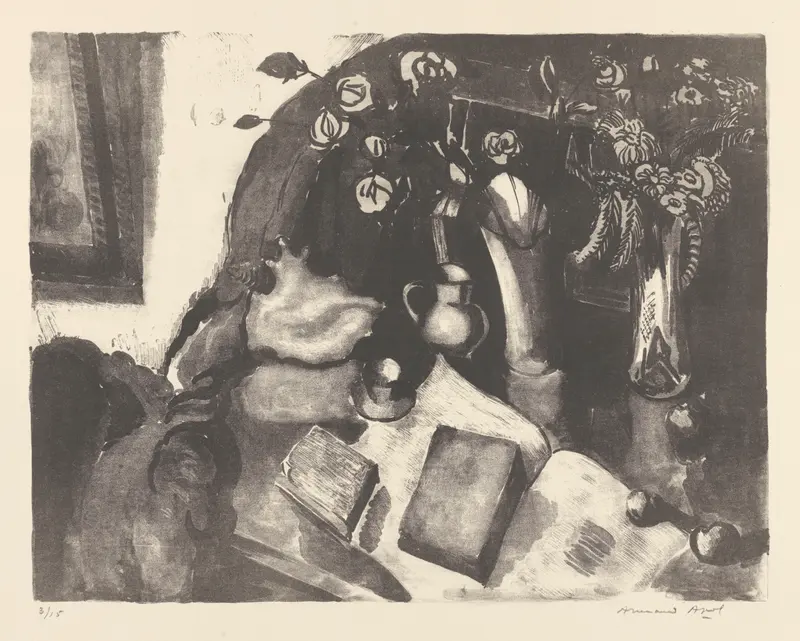
Dix lithographies au lavis (02) : Nature morte
Armand Apol

Dix planches (06) : La loge
Armand Apol
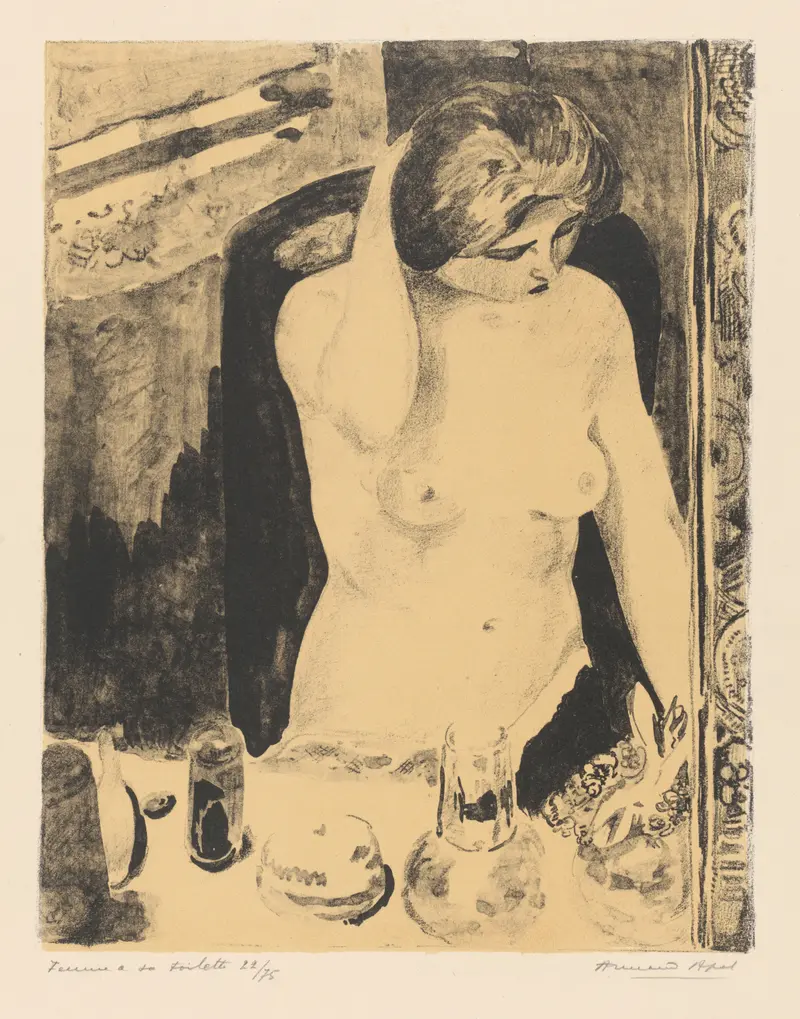
Dix planches (10) : Femme à sa toilette
Armand Apol
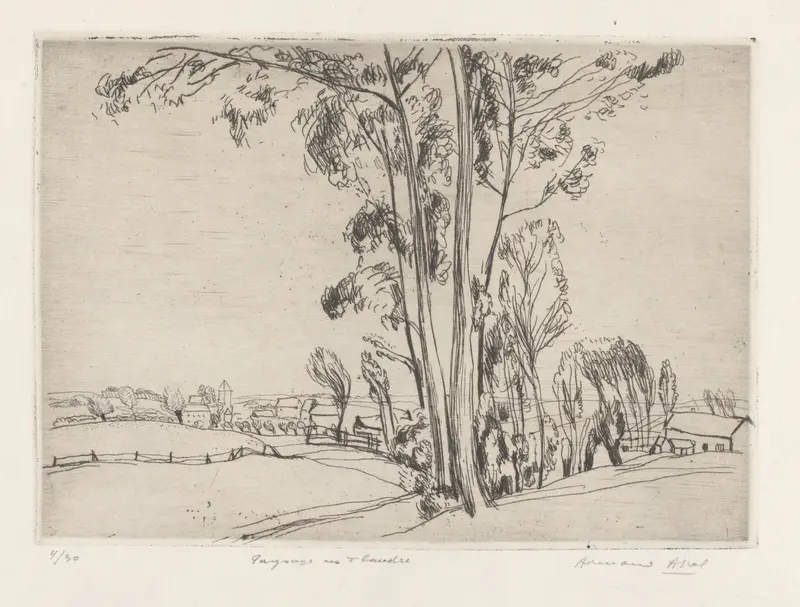
Paysage en Flandre (Etichove)
Armand Apol
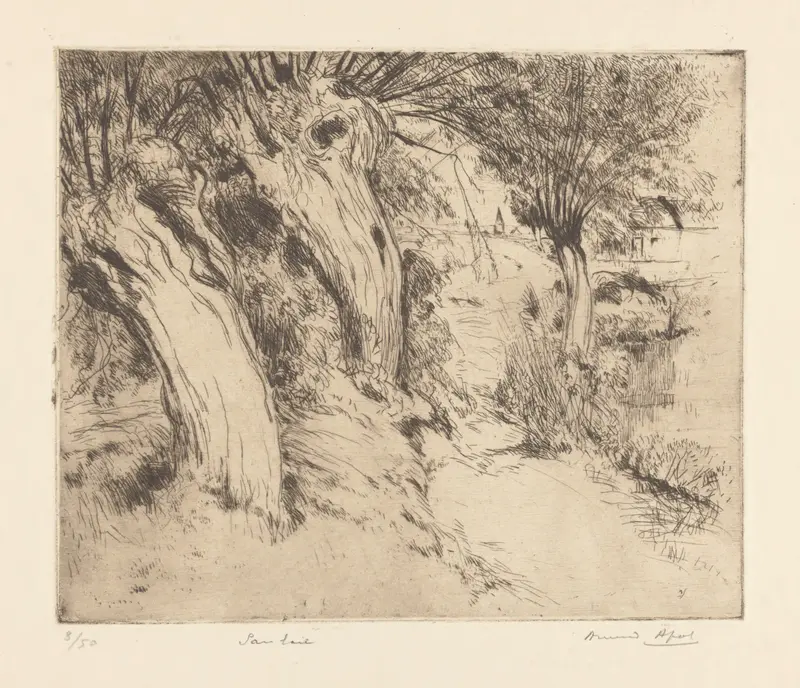
Saulaie
Armand Apol
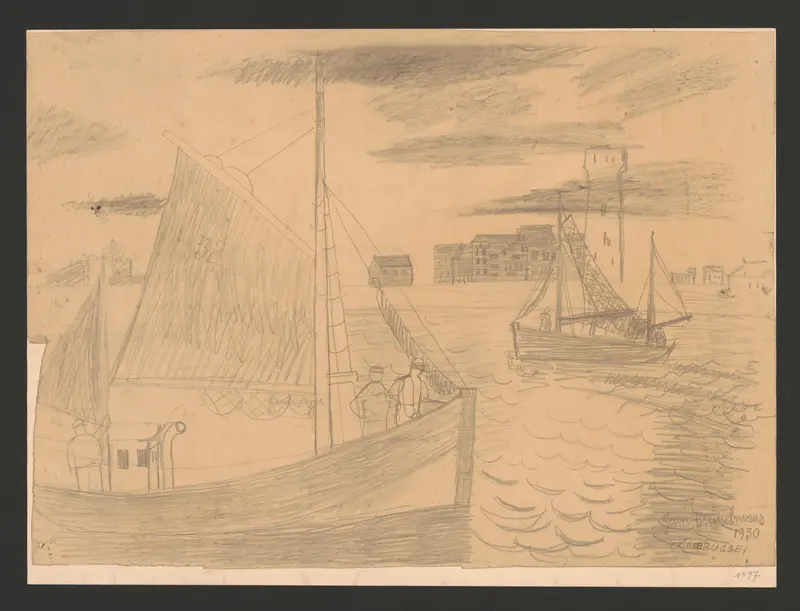
Zeebrugge
Armand Apol





