Dünen Weg (Vormittag-Sonne) — History & Analysis
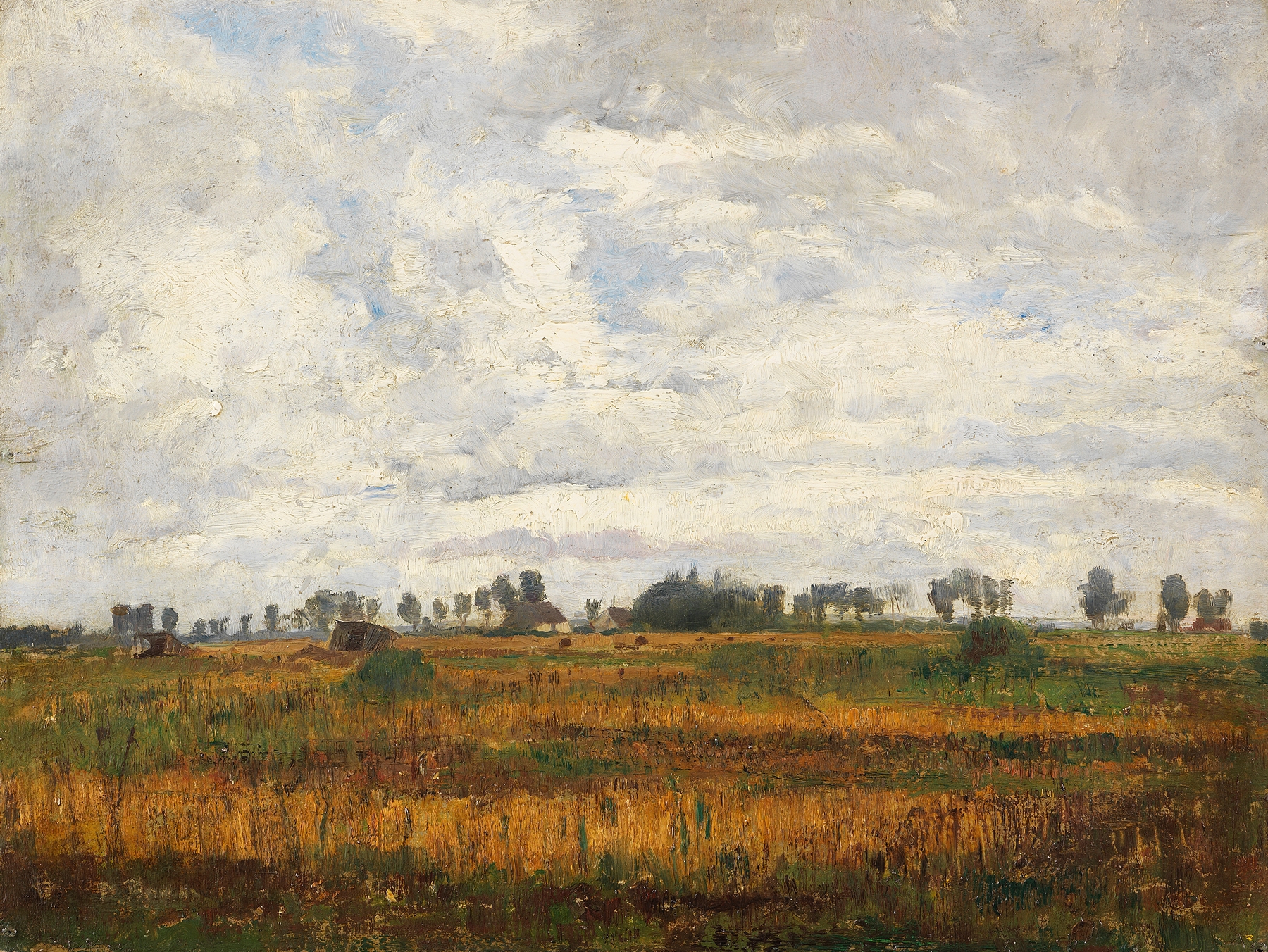
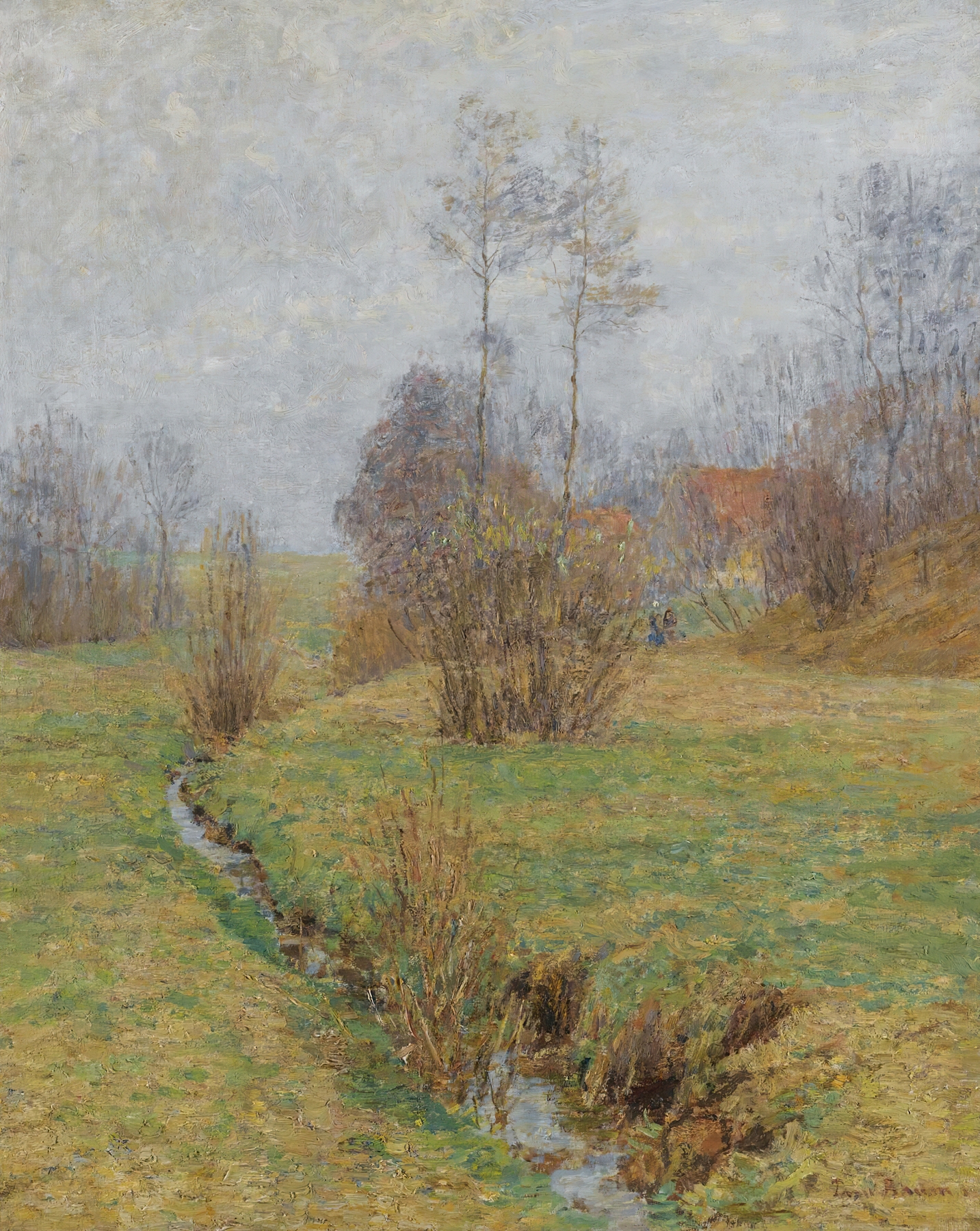
Did the painter know this moment would outlive them? The quiet ecstasy captured on canvas seems to whisper of a fleeting joy, an invitation to feel the warmth of sunlight against the skin and the gentle caress of a breeze. Look to the left at the sun-drenched dunes, where golden hues dance across the waves of sand, creating undulating forms that invite exploration. The soft brushwork and delicate layers of color allow light to shimmer, transforming the ordinary into something extraordinary.
The figures walking along the path are small against the expansive landscape, their postures relaxed yet purposeful, embodying the serenity of a perfect morning. Observe how the contrasting shades of blue and gold evoke a profound connection between nature and humanity. The figures' light clothing mirrors the bright landscape, suggesting harmony as they navigate the dunes. In this moment, the artist contrasts stillness and movement; the tranquil scene belies an undercurrent of activity, a reminder of life's persistent passage and the beauty found within.
In 1894, while living in Germany, Paul Baum painted Dünen Weg (Vormittag-Sonne), amidst an artistic climate that emphasized Impressionism and the exploration of light. This period marked a shift as artists sought to capture the essence of fleeting moments, influenced by the vibrant colors and emotional depth of their experiences. Baum’s choice of a sunlit landscape reflects both personal introspection and the greater movement toward embracing nature’s transient beauty in art.