
Don Juan Mateos (d.1643) — History & Facts
In Don Juan Mateos (d.1643) by Diego Velázquez, the painting features a dignified figure dressed in dark clothing. The color palette is dominated by deep browns and blacks, with subtle highlights that bring depth to the fabric. The background is muted, allowing the viewer to focus on the subject's expression and posture.
Velázquez captures the essence of his subject with remarkable realism. The painting is executed in oil on canvas, a medium that Velázquez mastered throughout his career. The dimensions are approximately 70 x 100 cm, making it a sizable portrait that commands attention. The brushwork is detailed, particularly in the rendering of textures in the clothing and the lifelike quality of the face.
This work exemplifies Velázquez's skill in portraying human emotion and character. Diego Velázquez was a prominent Spanish painter of the Baroque period, known for his portraits of the royal family and other notable figures. Don Juan Mateos is significant as it reflects Velázquez's ability to convey personality through subtle details. An interesting fact about this work is that it was likely commissioned by the subject himself, showcasing the importance of personal patronage in the art world of the time.
More Artworks by Diego Velázquez

Las Meninas
Diego Velázquez

The Triumph of Bacchus
Diego Velázquez

Rokeby Venus
Diego Velázquez

Equestrian Portrait of Prince Balthasar Charles
Diego Velázquez

Bacchus
Diego Velázquez

Don Gaspar de Guzmán (1587–1645), Count-Duke of Olivares
Diego Velázquez
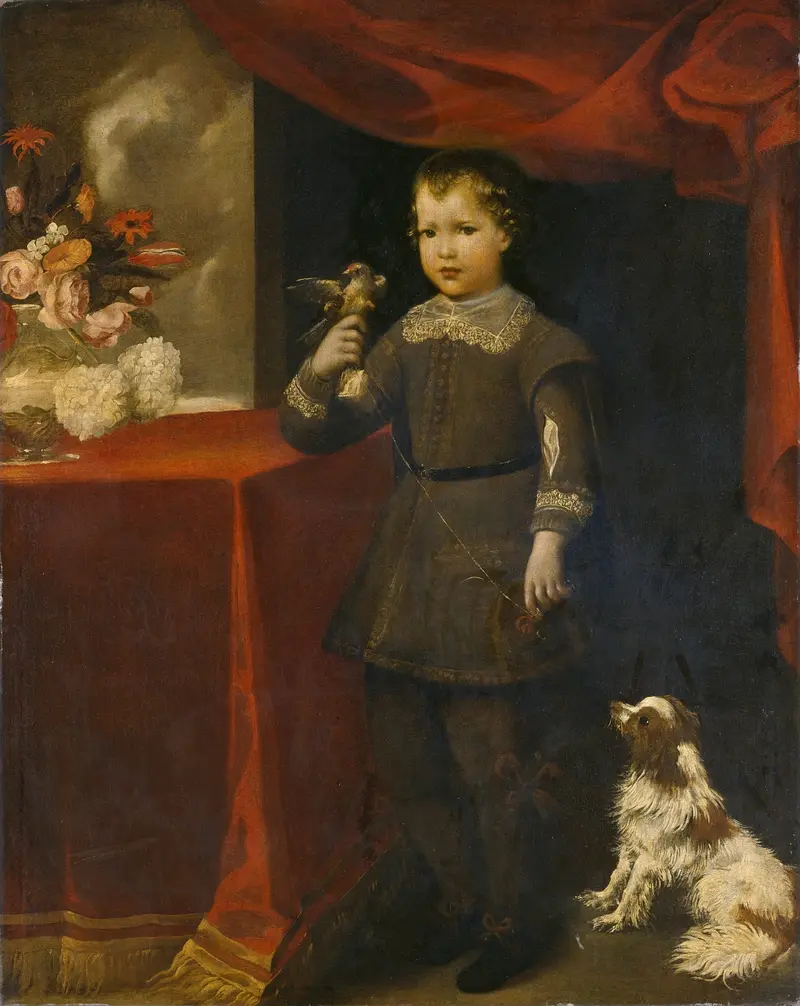
El príncipe Baltasar Carlos de Austria
Diego Velázquez

Equestrian Portrait of Philip III
Diego Velázquez

Equestrian Portrait of Margarita of Austria
Diego Velázquez
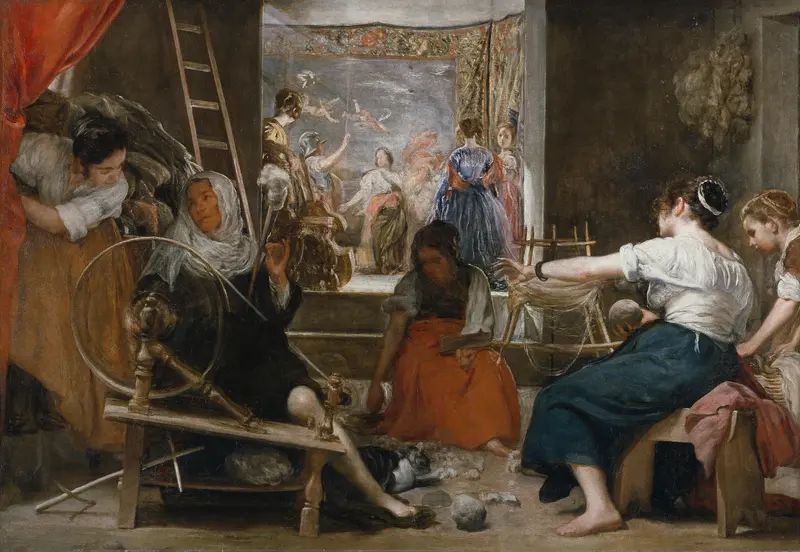
Las Hilanderas
Diego Velázquez




