Dorf mit einer Windmühle am Wasser — History & Analysis
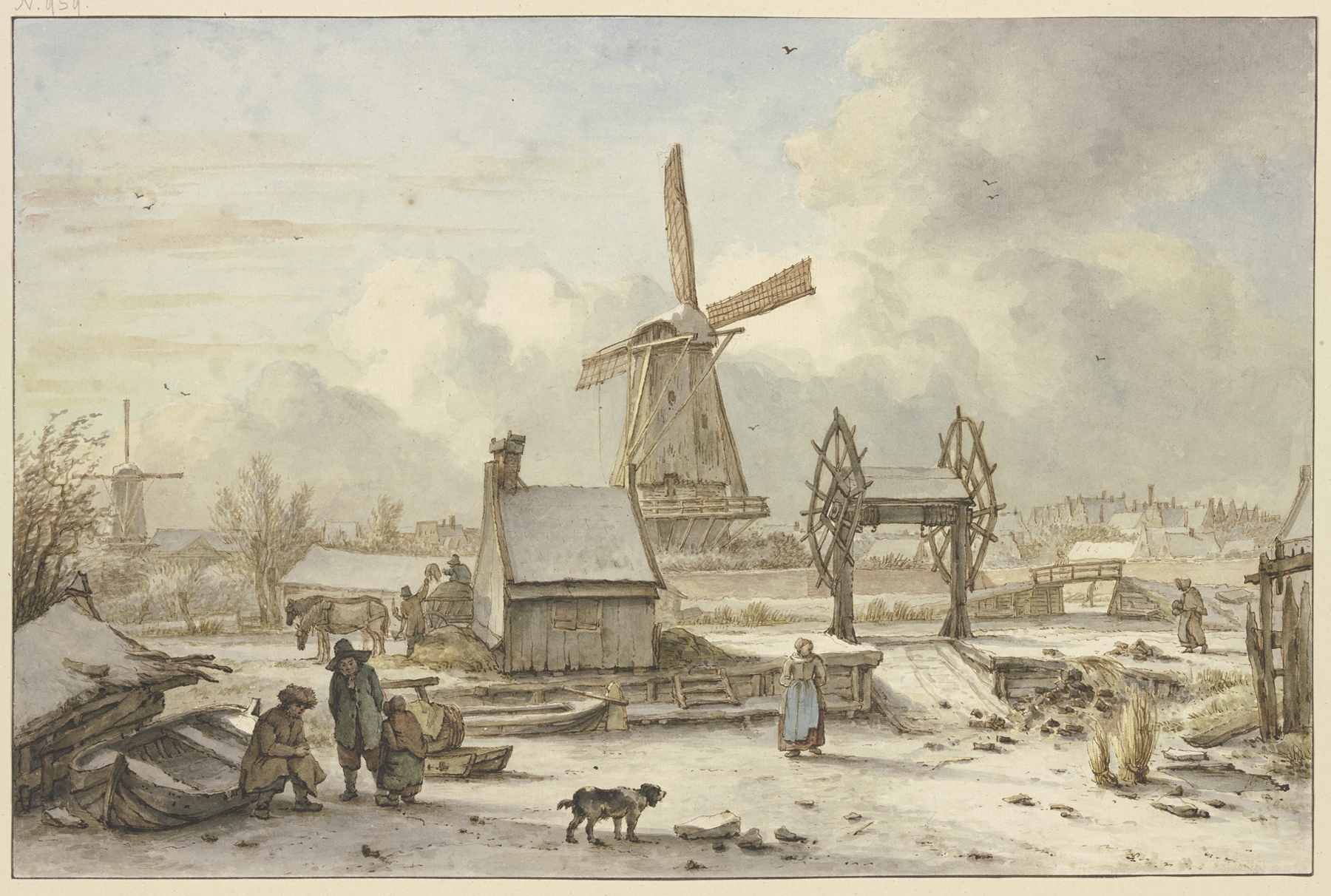
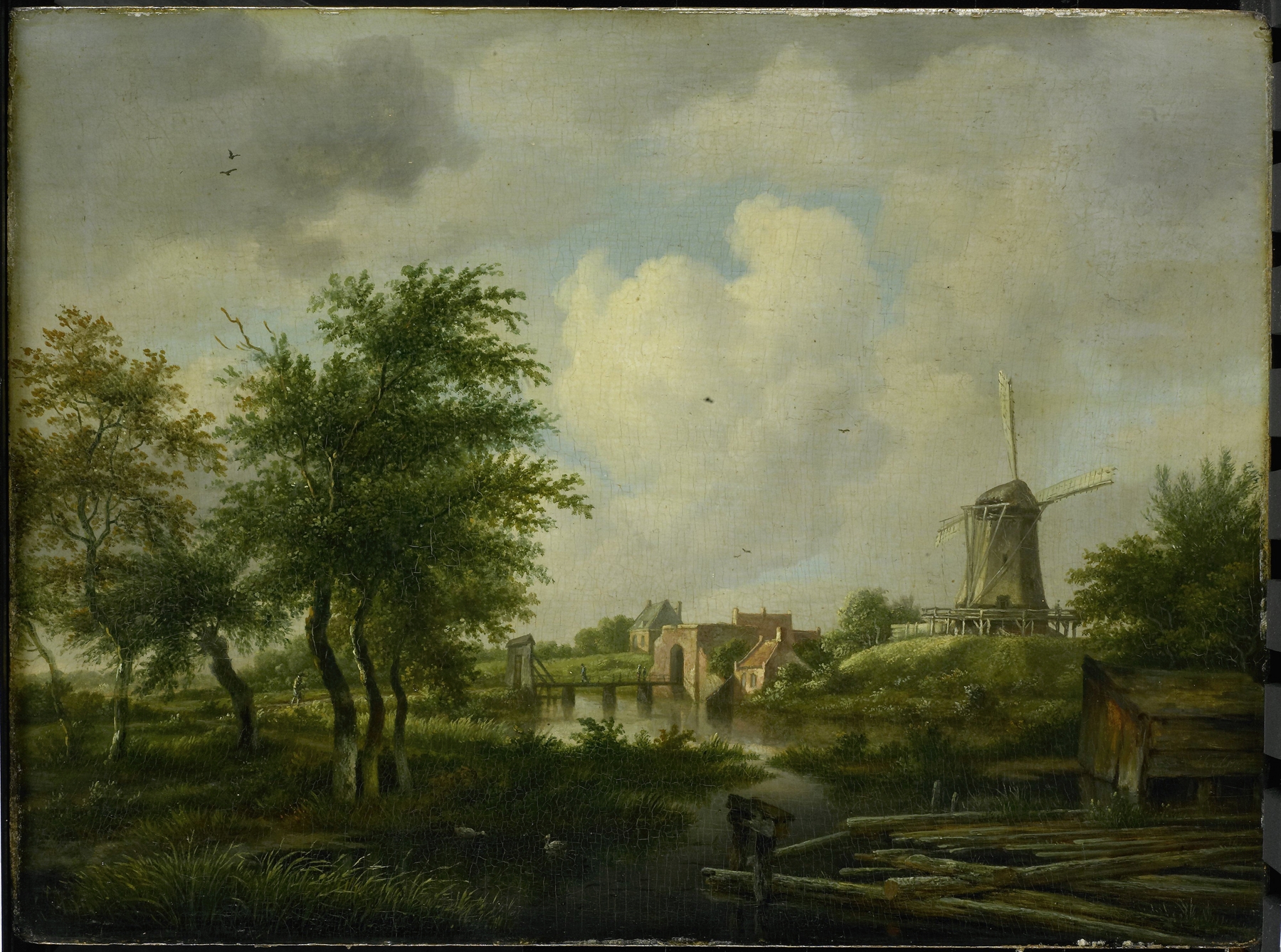
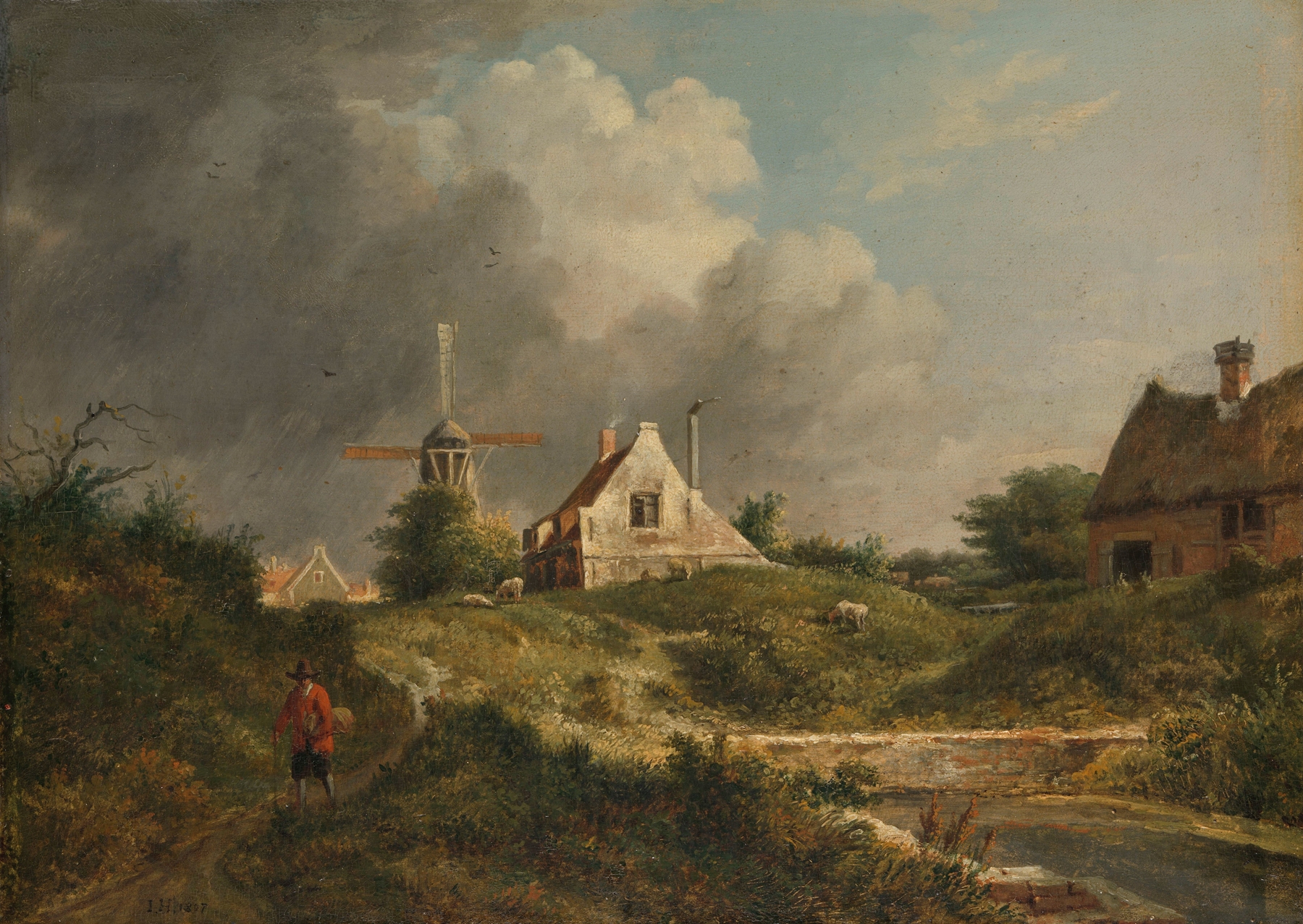
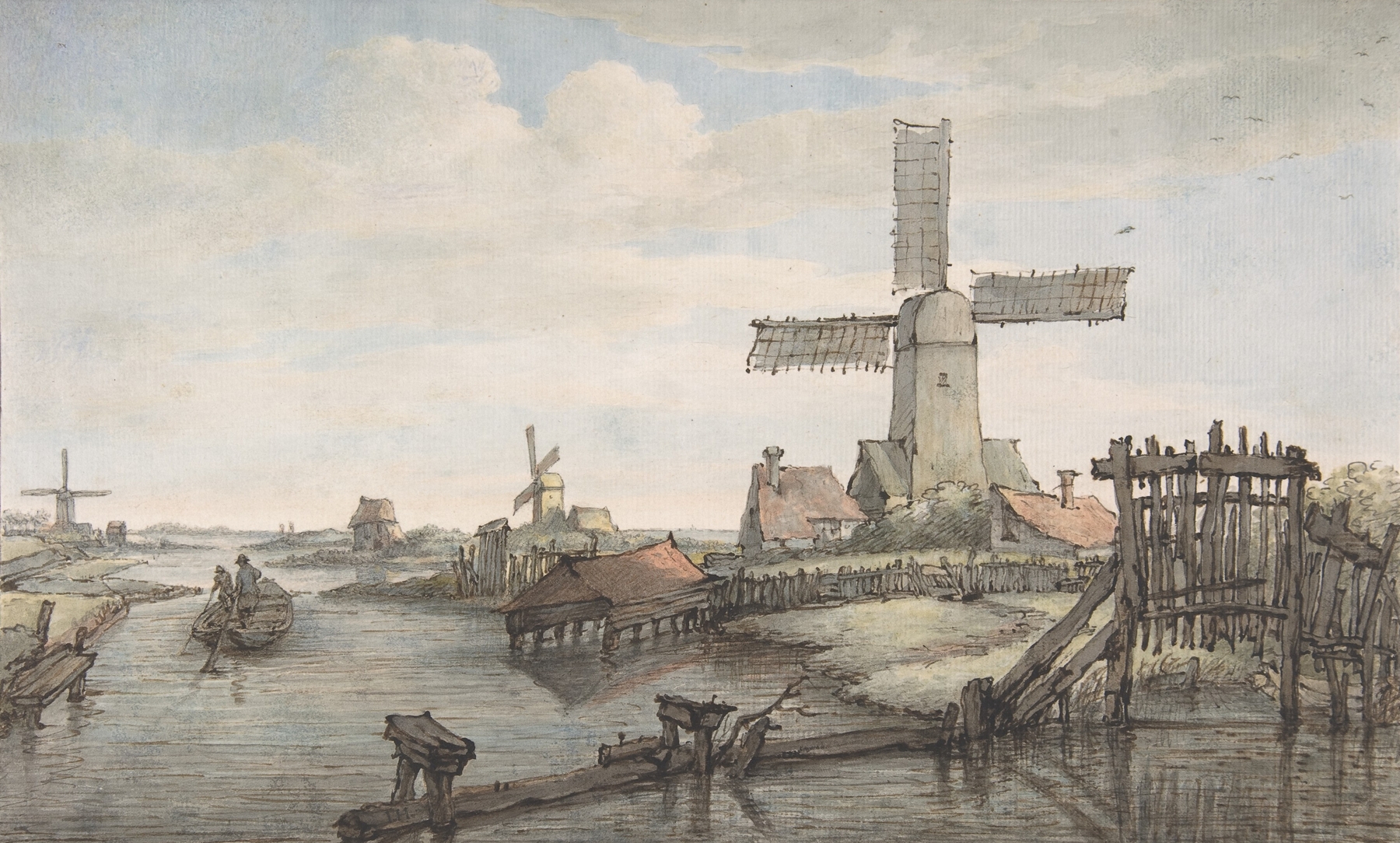
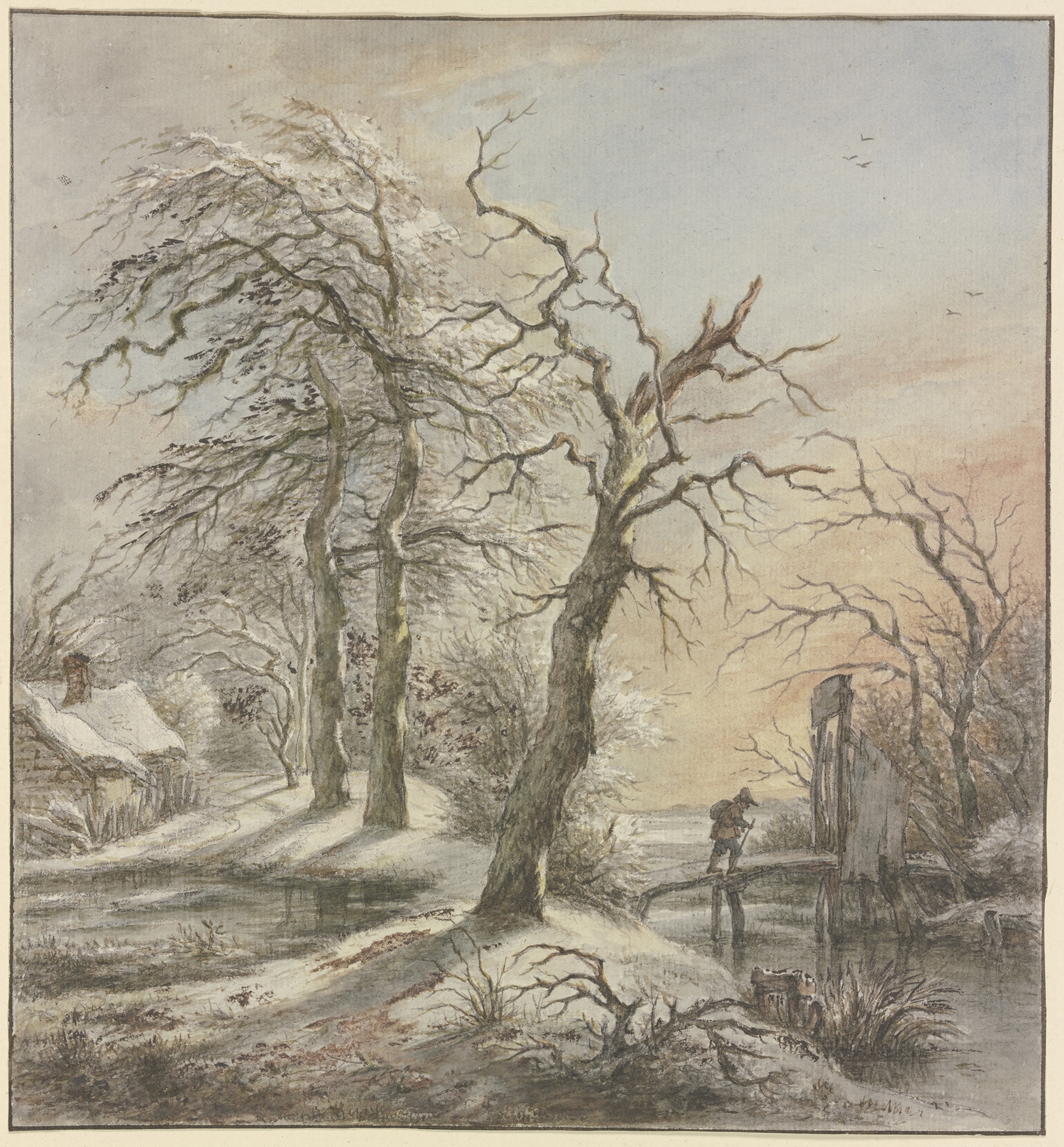
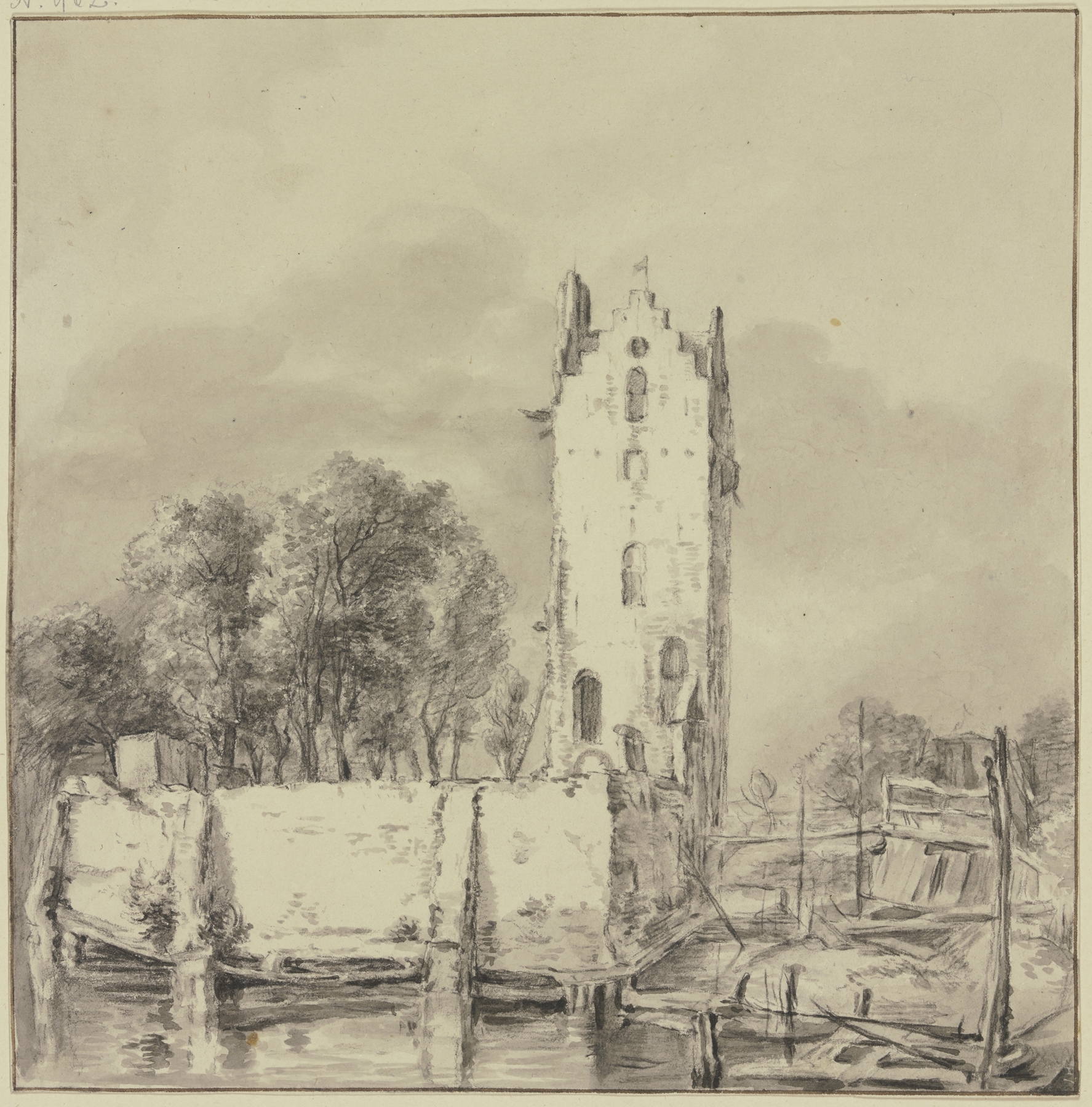
Can beauty exist without sorrow? This question reverberates through the tranquil landscape painted by Jan Hulswit, where serenity dances on the edge of divine vulnerability. Look to the left, where the soft contours of the windmill rise against a backdrop of muted blues and greens. The delicate brushwork captures the gentle ripples of water, mirroring the sky—an ethereal connection between earth and heaven.
Notice how the sunlight caresses the blades of the mill, their quiet motion echoing a timeless rhythm, inviting the viewer into a moment suspended between the mundane and the sublime. The painting reveals subtle tensions beneath its idyllic surface. The windmill, a symbol of human ingenuity, stands resilient against nature's whispers, suggesting both harmony and struggle. The languorous water reflects not just the beauty of the scene, but a deeper yearning, a silent longing for something greater than itself.
This contrast of tranquility and an unspoken melancholy speaks to a universal truth about existence—where joy and sorrow coexist in a delicate balance. Created in an undetermined period, Hulswit’s work embodies a moment in the evolution of landscape art, where the divine was often sought in everyday scenes. During this time, the artist found inspiration in the natural world, exploring themes of harmony and conflict influenced by the broader shifts in society, such as the rise of Romanticism. This dedication to capturing the beauty of the commonplace reflects a deeper understanding of life’s inherent dualities.