Drie rupsen, een mot en vier vlinders — History & Facts
Is this a mirror — or a memory? Within Drie rupsen, een mot en vier vlinders, Wenceslaus Hollar invites us into a world where transformation and longing intertwine silently, whispering tales of evolution and the bittersweet passage of time. Look closely at the center, where the delicate butterflies emerge in a spectrum of colors against the muted backdrop. Notice how the light caresses their wings, highlighting iridescent blues and soft yellows that contrast with the somber tones of the caterpillars. The meticulous detailing showcases Hollar's mastery of etching, drawing our gaze to the fragility of these ephemeral creatures, each poised in its moment of existence. The juxtaposition of the caterpillars and butterflies embodies a poignant tension between potential and realization.
Each creature reflects a different stage of life, evoking feelings of longing for what was and what could be. The inclusion of the moth, lurking beneath the vibrant wings, suggests the inevitability of darkness amidst beauty, a reminder that transformation often requires a shedding of innocence. Created between 1644 and 1652, this work emerged during a time of artistic exploration in the Baroque period. Hollar, an engraver and draftsman in the midst of his own evolution in London, captured nature's fleeting beauty while grappling with themes of change in a world marked by turbulence.
His intricate rendering of these insects speaks to a broader cultural fascination with metamorphosis, underscoring the delicate balance between life and death.
More Artworks by Wenceslaus Hollar
Browse all →
Portret van Anna Boleyn, koningin van Engeland
Wenceslaus Hollar
Bird’s eye view of Jerusalem
Wenceslaus Hollar
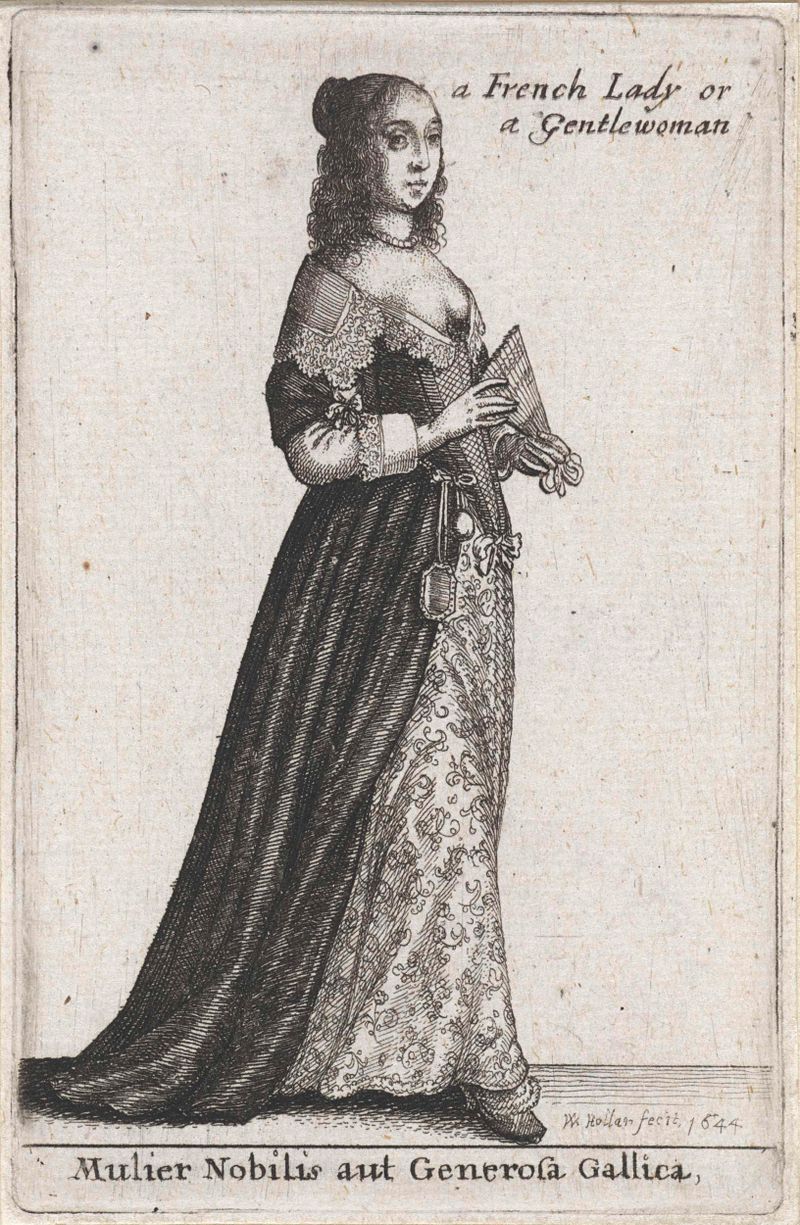
Mulier Nobilis aut Generosa Gallica / a French Lady or Gentlewoman
Wenceslaus Hollar
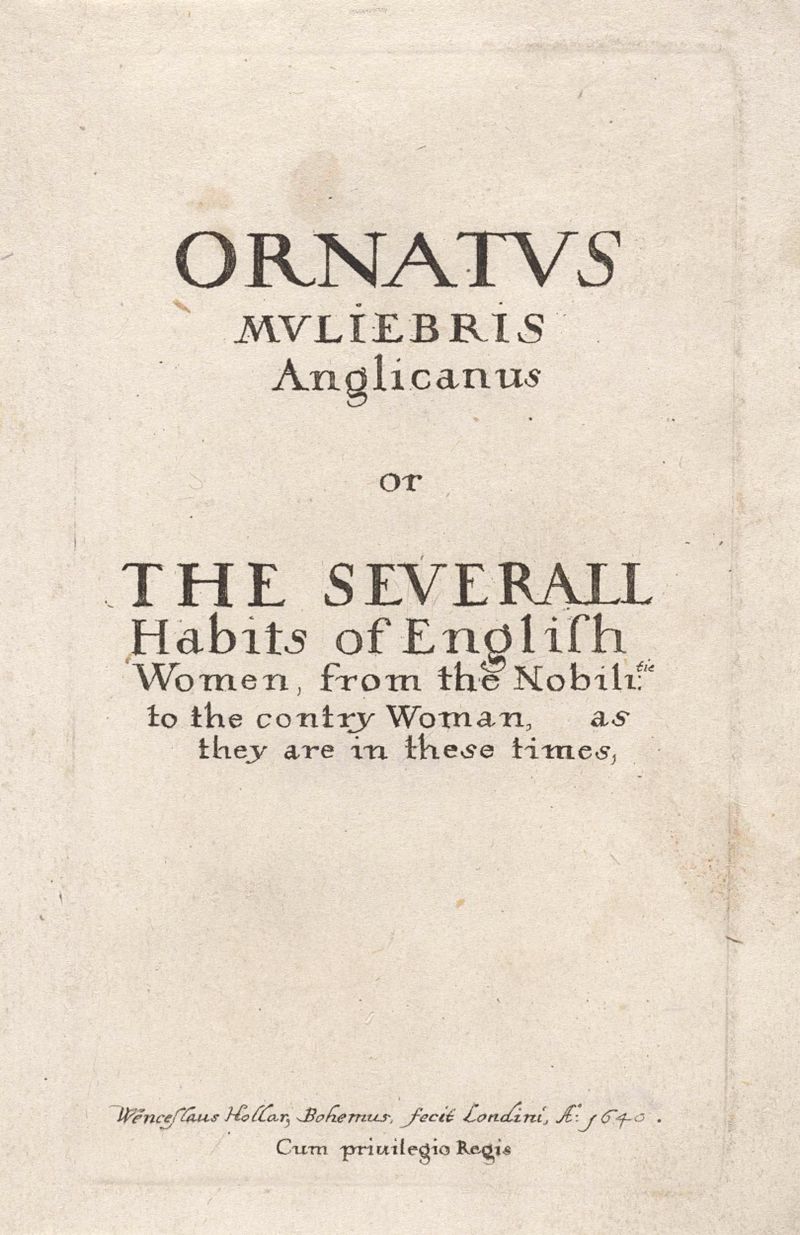
Titelprent voor: Ornatus Muliebris Anglicanus
Wenceslaus Hollar
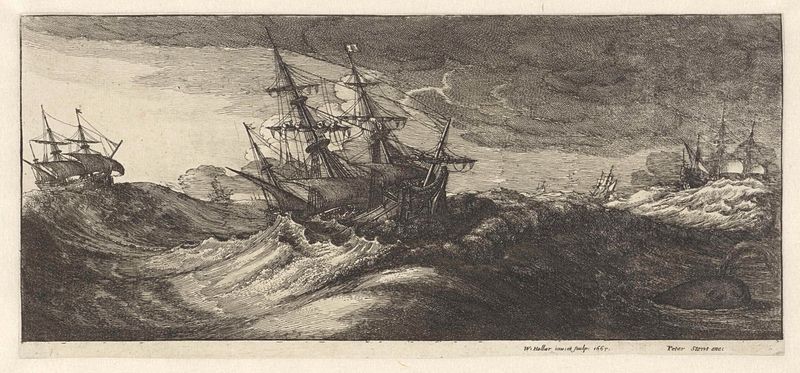
Oorlogsschepen en een walvis in een zeestorm
Wenceslaus Hollar
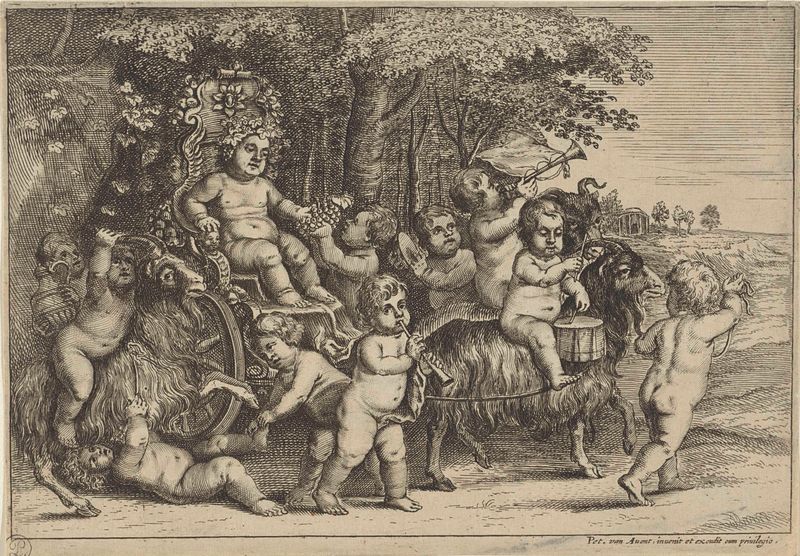
Optocht van bacchant en jongetjes op geiten
Wenceslaus Hollar
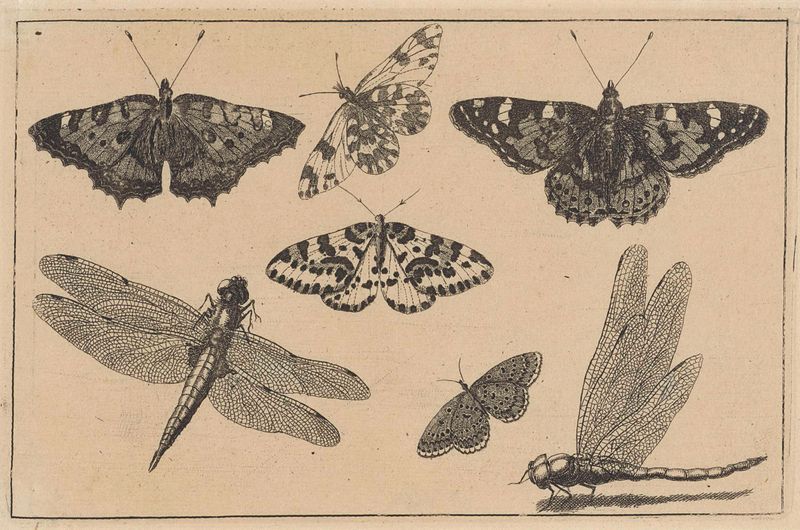
Twee libellen en vijf vlinders
Wenceslaus Hollar
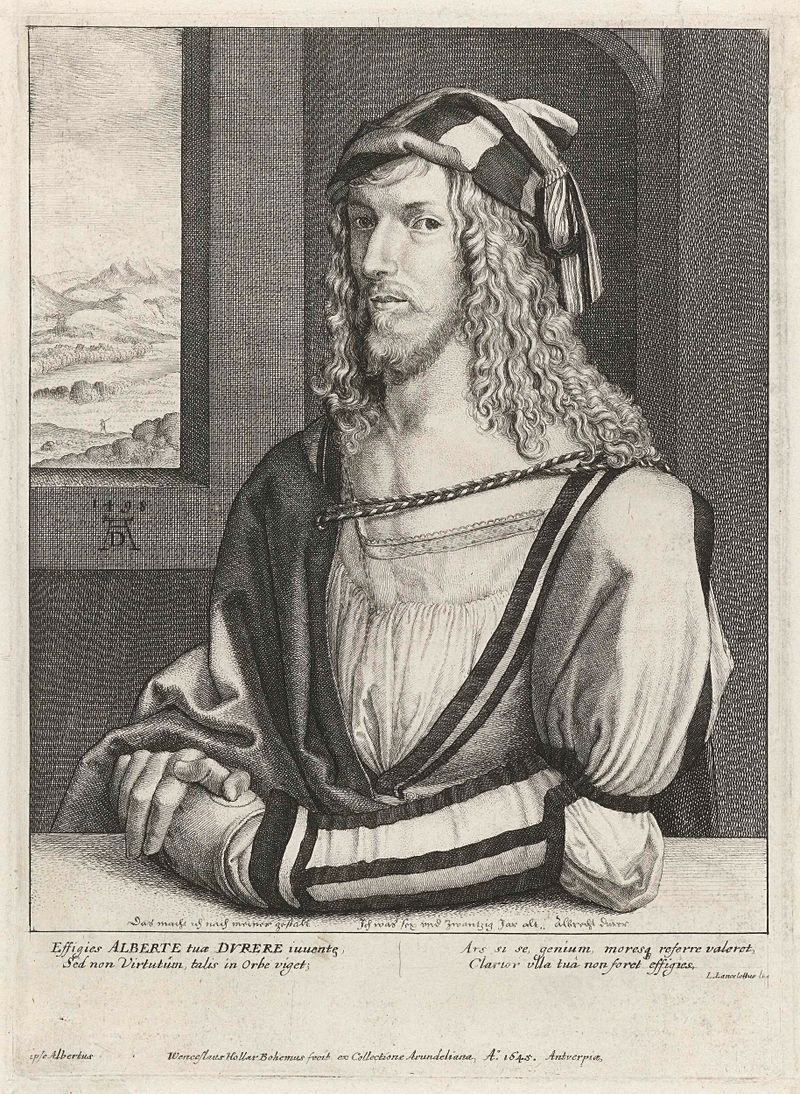
Portret van Albrecht Dürer
Wenceslaus Hollar
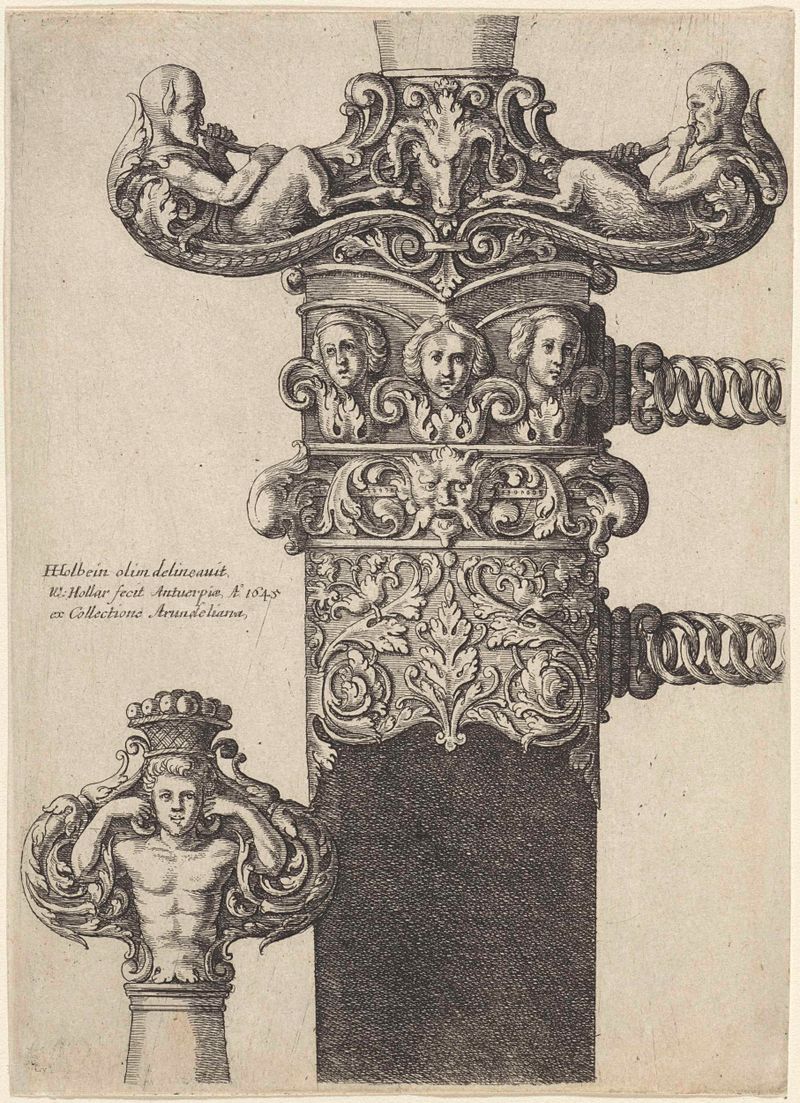
Ornamenteel ontwerp voor een dolk
Wenceslaus Hollar
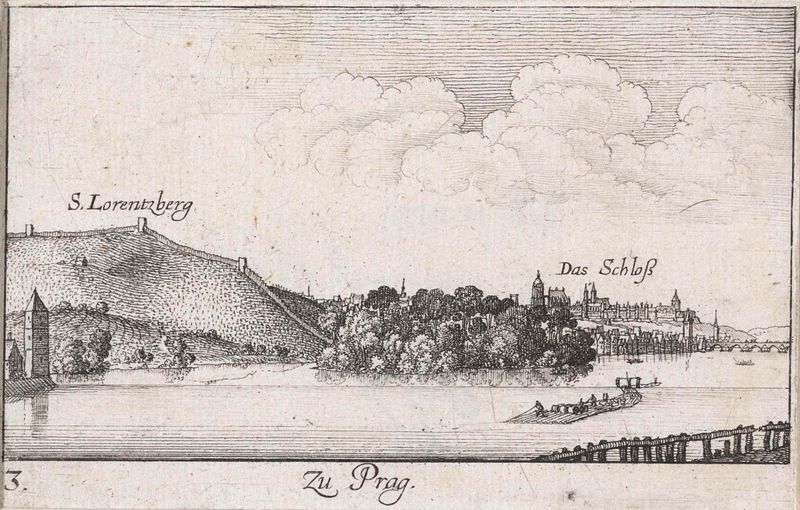
Gezicht op Praag vanaf de Moldau
Wenceslaus Hollar