
Droom van Farao — History & Facts
What if beauty was never meant to be finished? In Droom van Farao, the masterful brushwork reveals a world steeped in mystery and allure, inviting us to ponder the nature of perfection. Look to the center, where the regal pharaoh reclines in a serene yet contemplative pose, enveloped in opulent drapery that ripples like water, shimmering with gold and deep hues. The intricate patterns in the fabric contrast elegantly with the smoothness of the skin, drawing your gaze to the delicate interplay between texture and color. Notice how the light dances across the surface, creating a sense of ethereality that blurs the line between the real and the imagined. As the eyes wander deeper, subtle tensions emerge—between the pharaoh’s stoic expression and the dreamlike landscape that encircles him.
This juxtaposition reflects a longing, a yearning for a past that intertwines with the promise of the future. The haunting figures in the background suggest both guidance and foreboding, subtly hinting at the duality of power and vulnerability, as well as the heavy responsibility that comes with leadership. Hans Holbein (II) painted Droom van Farao in 1538 during his time in England, a period marked by political intrigue and the profound influence of humanism. Amidst the shifting tides of the Reformation and the court of Henry VIII, he was navigating his own artistic evolution, moving toward a more complex integration of form and narrative, which is beautifully encapsulated in this enigmatic work.
More Artworks by Hans Holbein (II)
Browse all →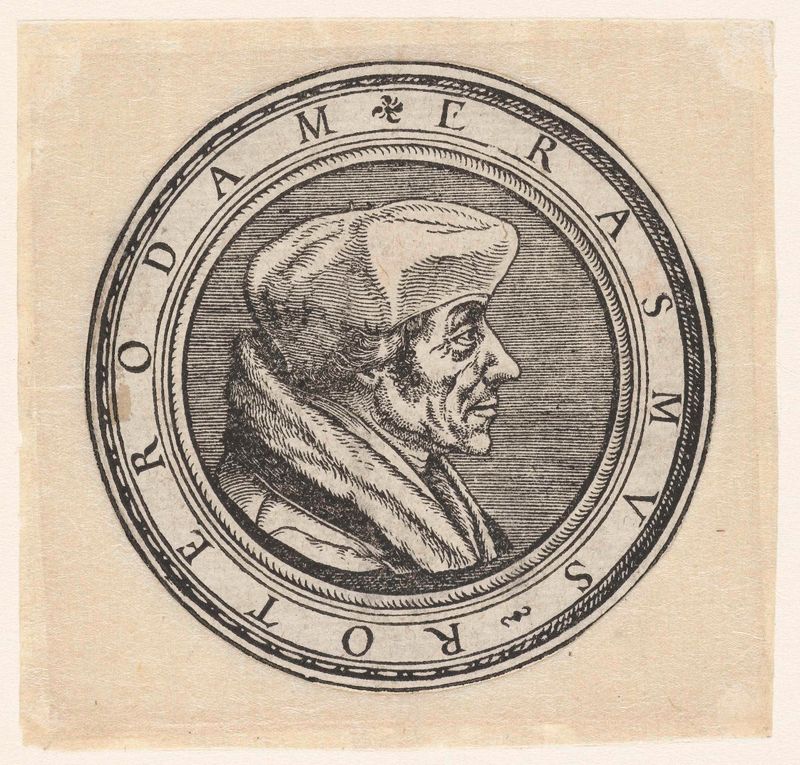
Portret van Erasmus
Hans Holbein (II)
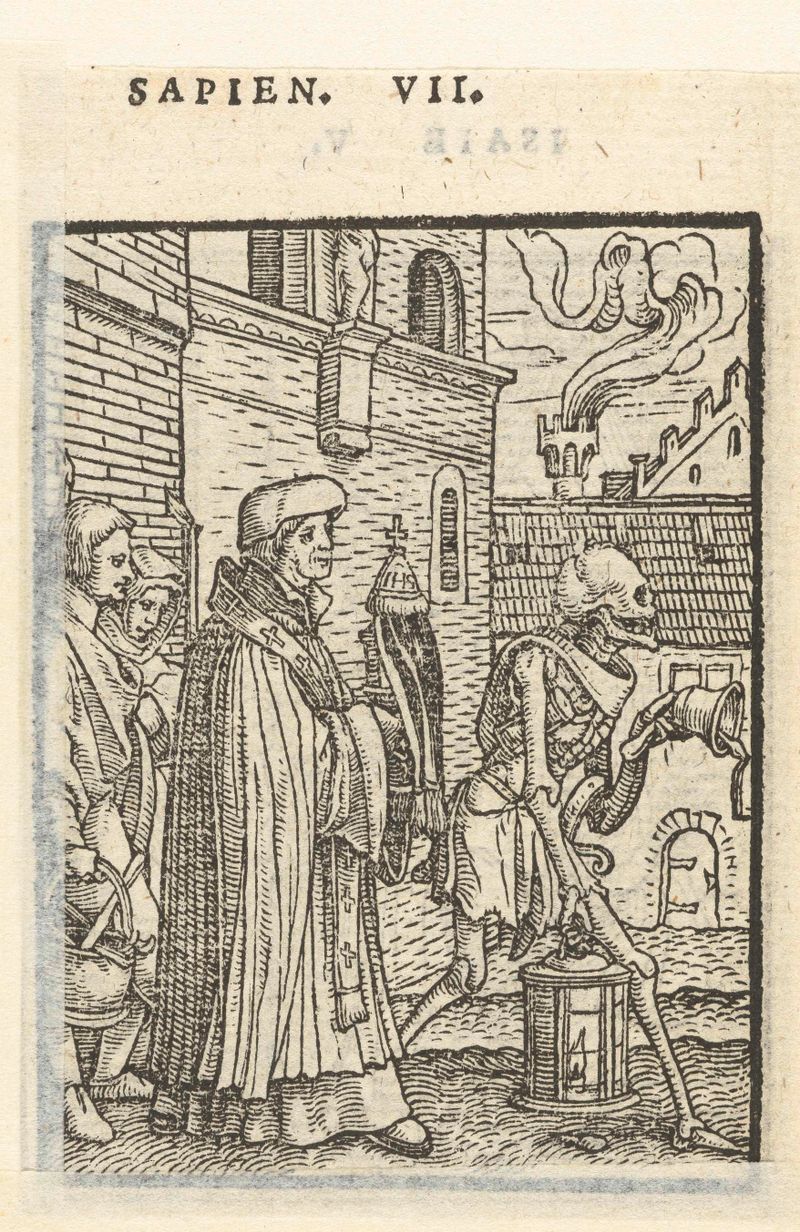
Priester en de Dood
Hans Holbein (II)
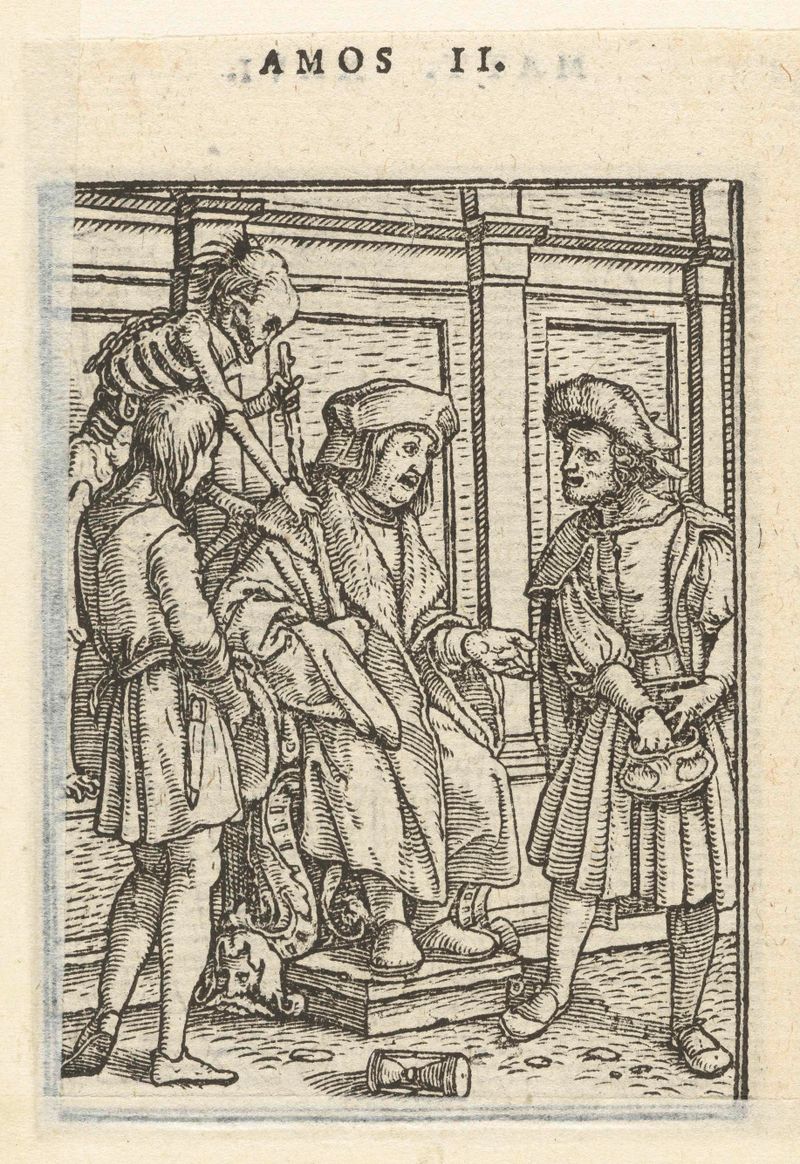
Rechter en de Dood
Hans Holbein (II)
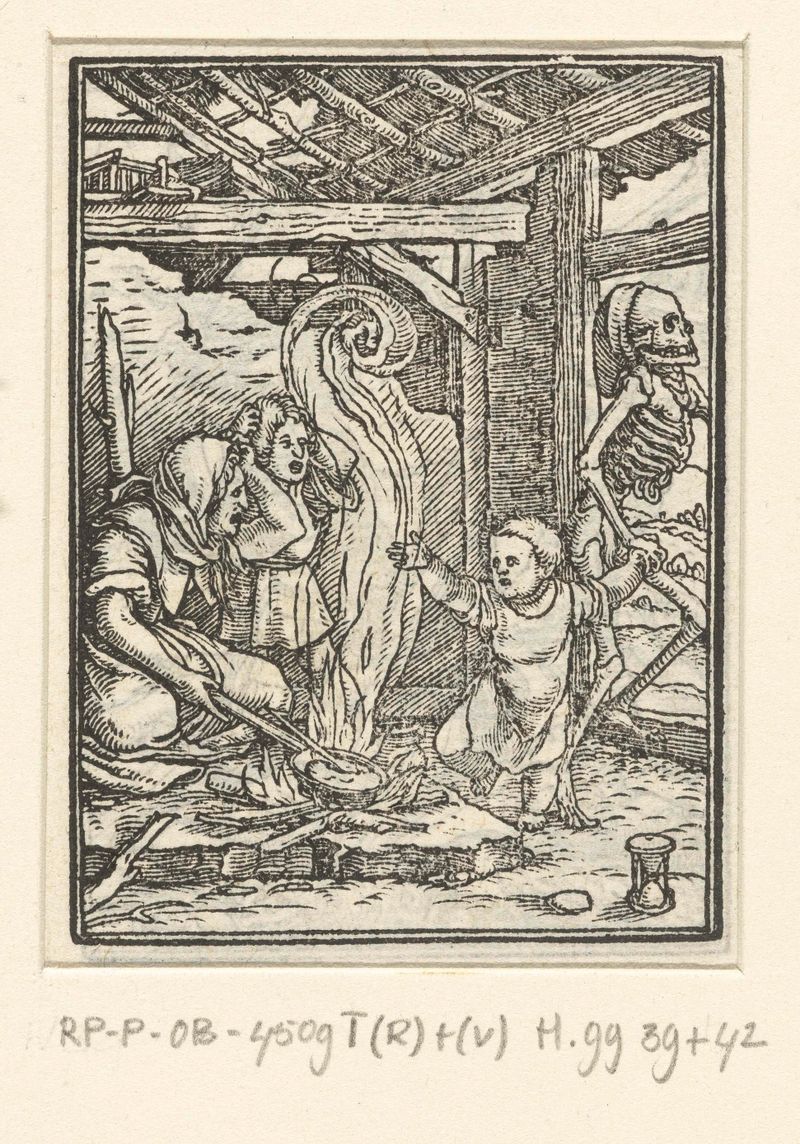
Kind en de Dood
Hans Holbein (II)
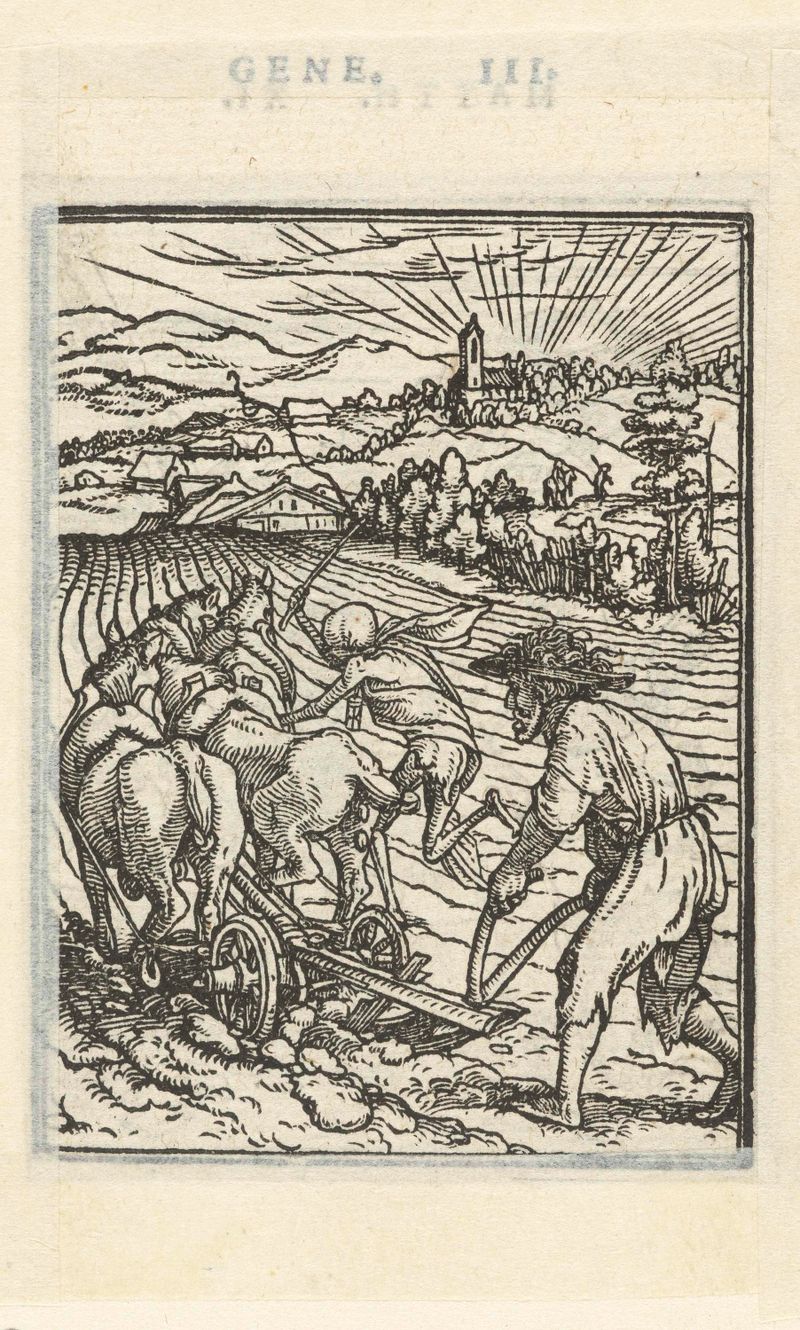
Boer en de Dood
Hans Holbein (II)
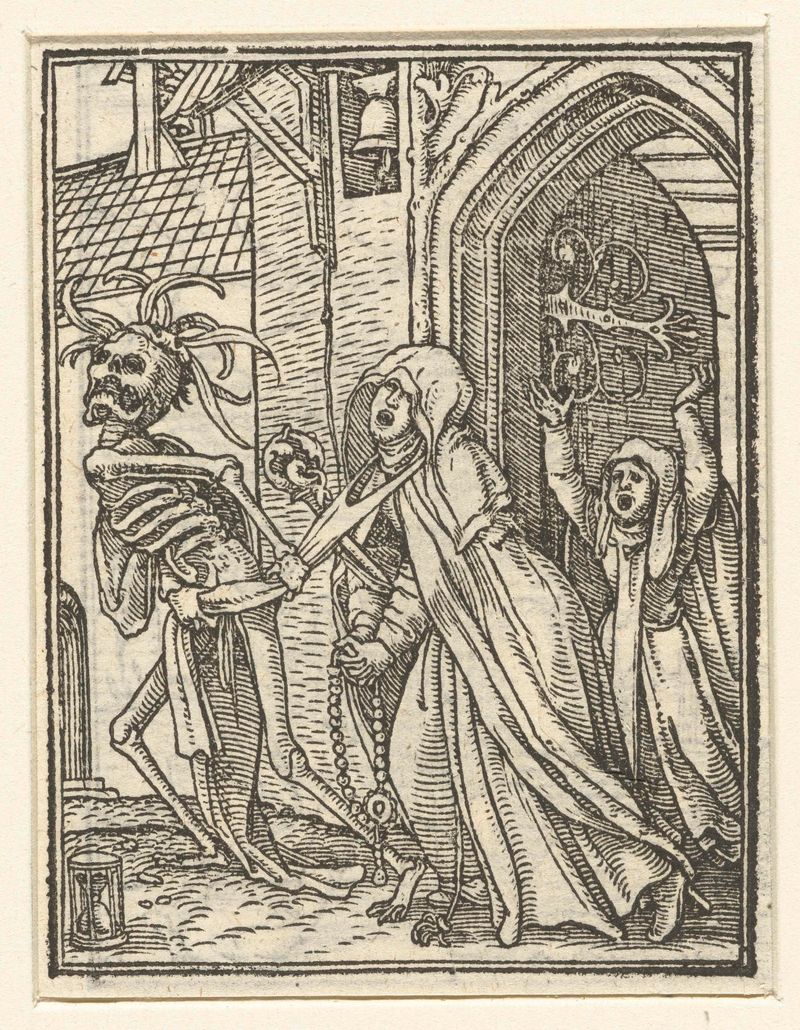
Abdis en de Dood
Hans Holbein (II)
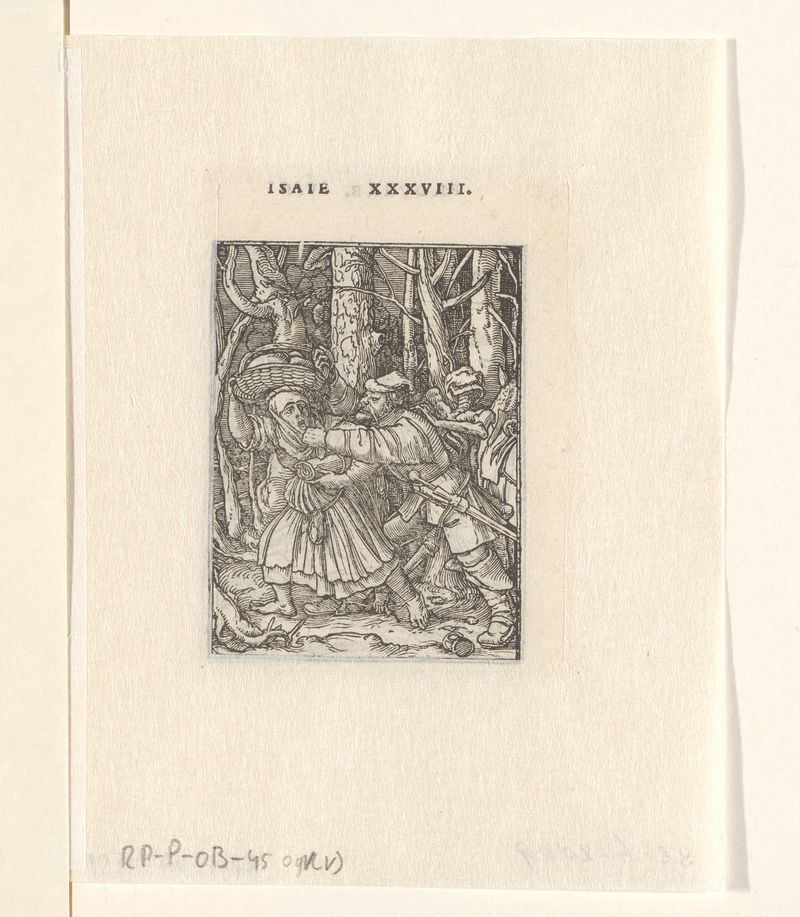
Dief en de Dood
Hans Holbein (II)
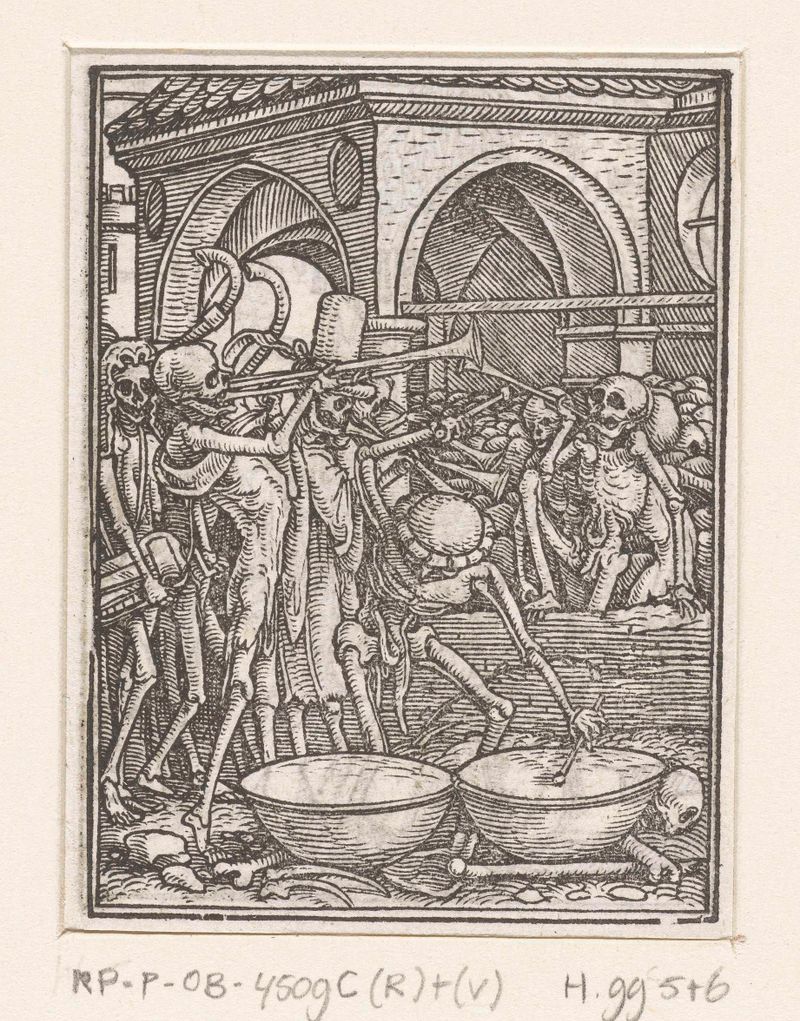
Skeletons Making Music from Dance of the Dead
Hans Holbein (II)
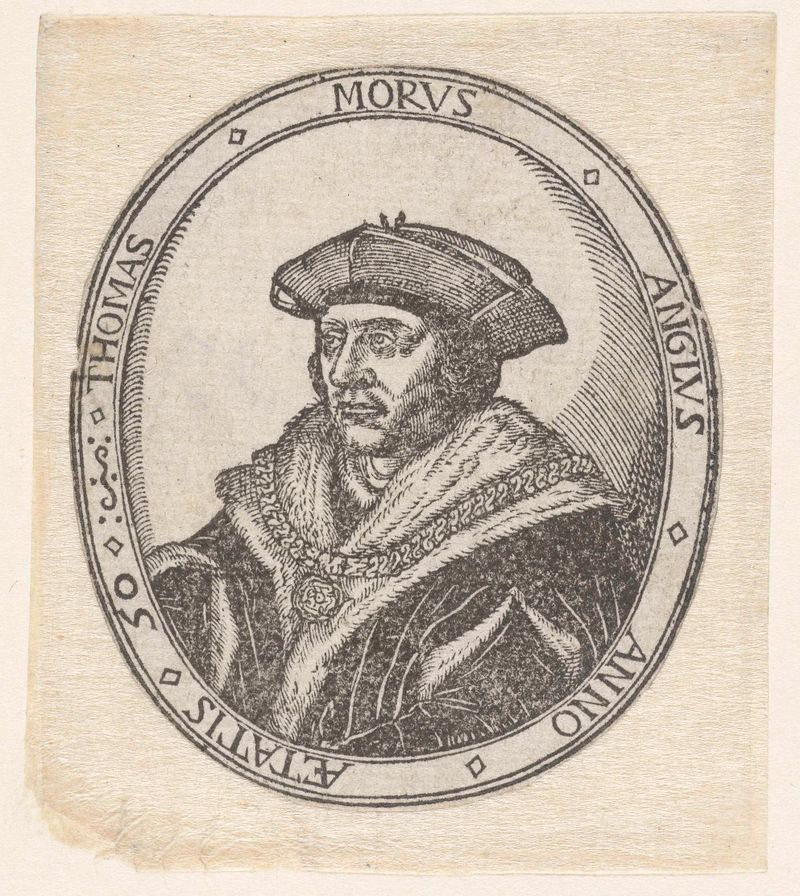
Portret van Thomas More
Hans Holbein (II)
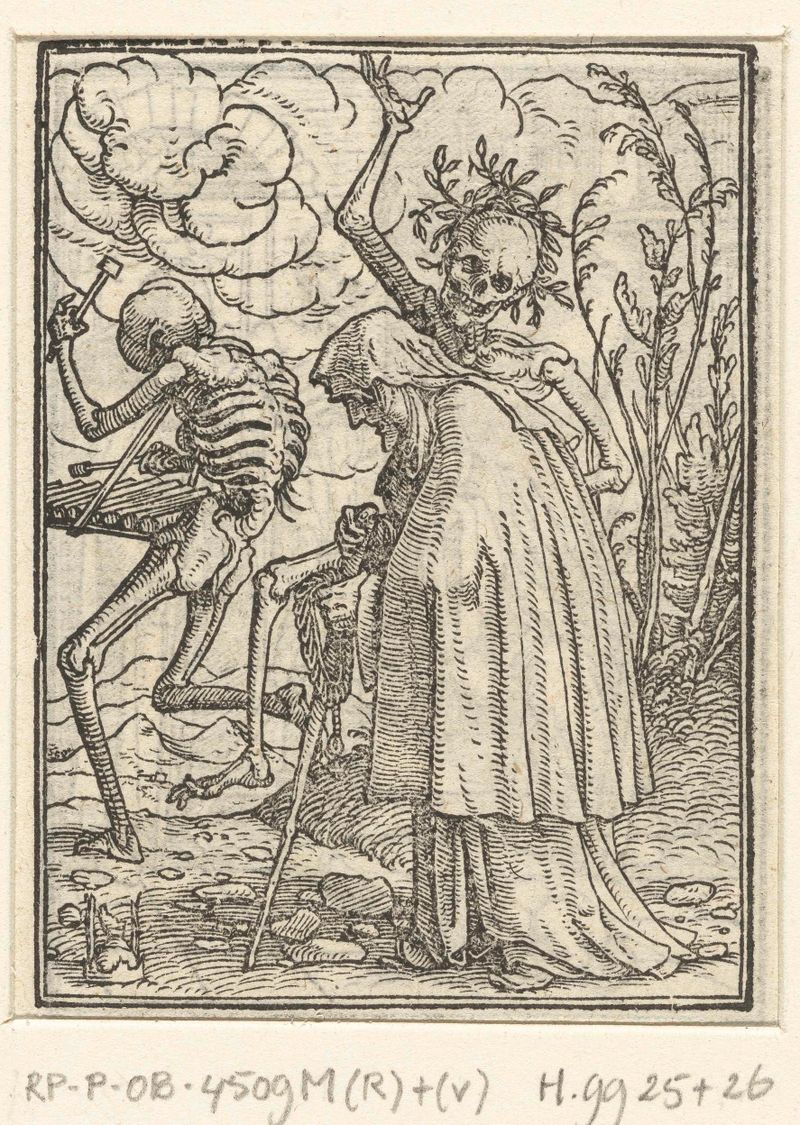
Oude vrouw en de Dood
Hans Holbein (II)
More Historical Art
Browse all →
The Night Watch Militia Company of District II under the Command of Captain Frans Banninck Cocq
Rembrandt van Rijn

Lincoln Memorial
Henry Bacon

The Third of May 1808
Francisco de Goya

Isaac and Rebecca, Known as ‘The Jewish Bride’
Rembrandt van Rijn

The Charge of the Mamelukes (1814)
Francisco de Goya

De vier ruiters van de apocalyps
Albrecht Dürer