
Drouet — History & Facts
In Drouet, James Abbott McNeill Whistler presents a portrait of a man with a serious expression. The colors are muted, featuring shades of gray, brown, and cream. The background is soft and indistinct, allowing the figure to stand out.
The subject's clothing is formal, suggesting a sense of dignity and refinement. The painting is executed in oil on canvas, a common medium for portraits during Whistler's time. The brushwork is smooth, with a focus on capturing the texture of the fabric and the skin tones. The composition is balanced, with the figure positioned slightly off-center, drawing the viewer's eye.
This technique enhances the realism of the portrait. Drouet is a notable work from the 1880s, a period when Whistler was refining his approach to portraiture. The subject, presumably a friend or acquaintance, reflects the artist's interest in capturing personality through subtle details. Whistler was known for his innovative use of color and light, which is evident in this piece.
An interesting fact is that this painting was part of a series of portraits that showcased his evolving style.
More Artworks by James Abbott McNeill Whistler
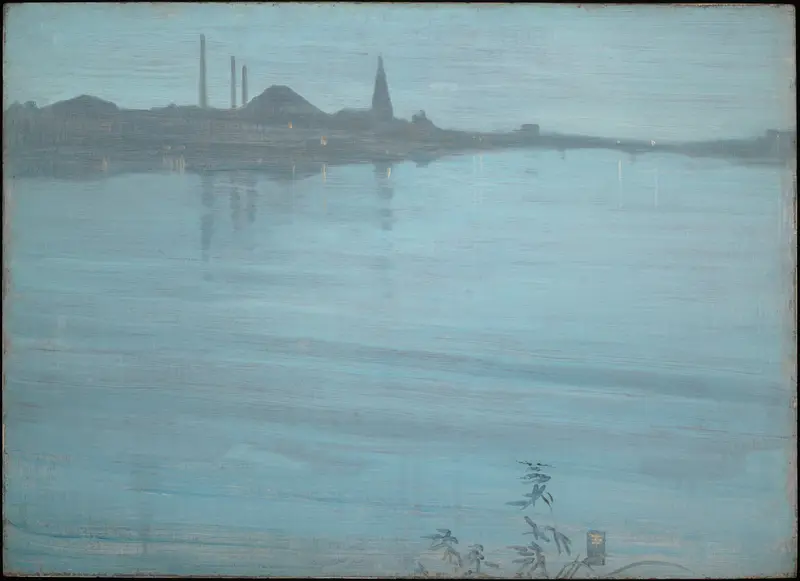
Nocturne in Blue and Silver
James Abbott McNeill Whistler

Nocturne
James Abbott McNeill Whistler
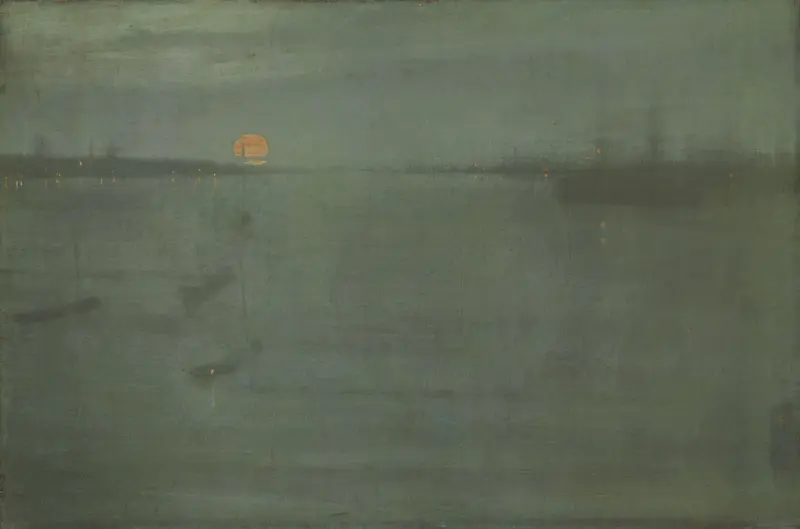
Nocturne: Blue and Gold–Southampton Water
James Abbott McNeill Whistler
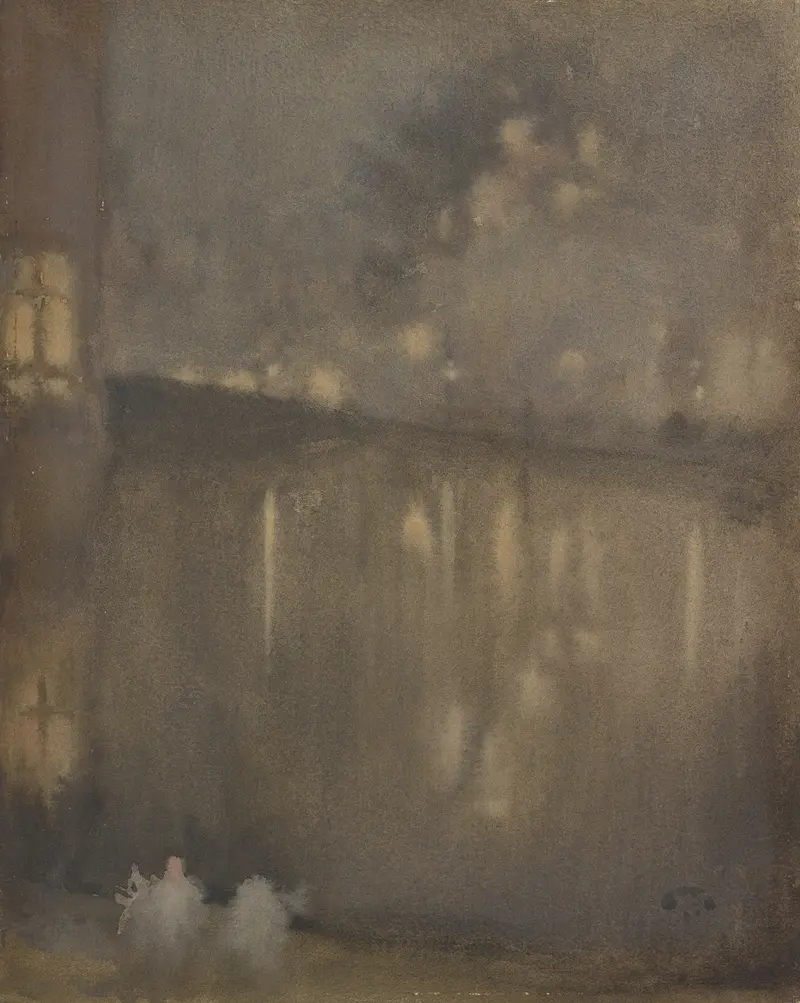
Nocturne: Grey and Gold–Canal, Holland
James Abbott McNeill Whistler
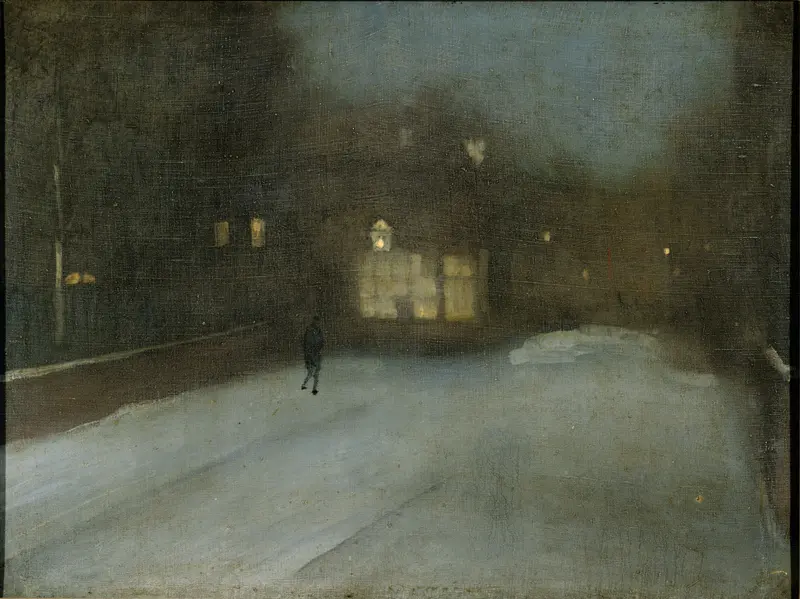
Nocturne in Grey and Gold: Chelsea Snow
James Abbott McNeill Whistler
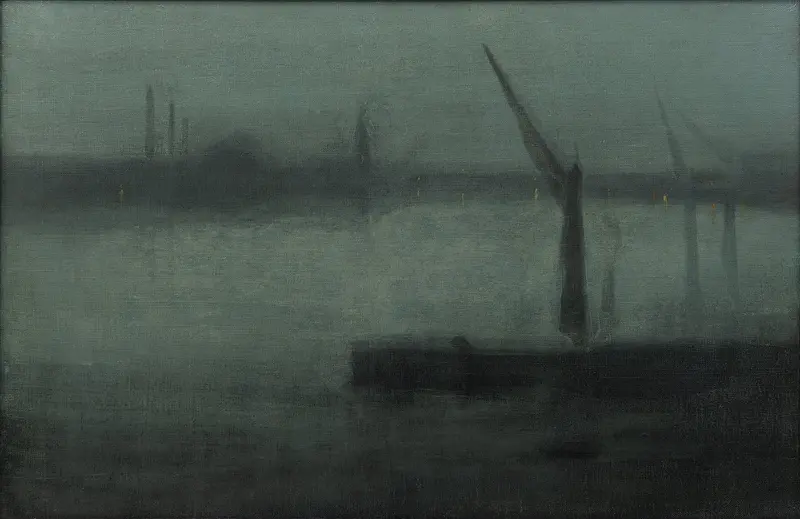
Nocturne: Blue and Silver–Battersea Reach
James Abbott McNeill Whistler
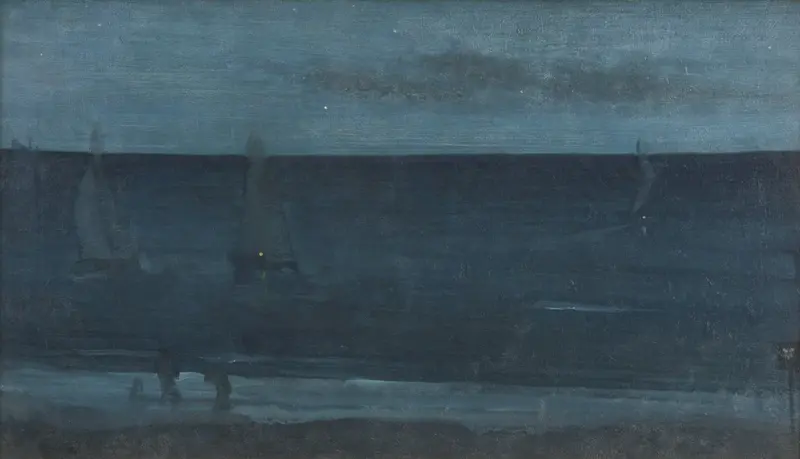
Nocturne: Blue and Silver–Bognor
James Abbott McNeill Whistler

Old Battersea Bridge
James Abbott McNeill Whistler
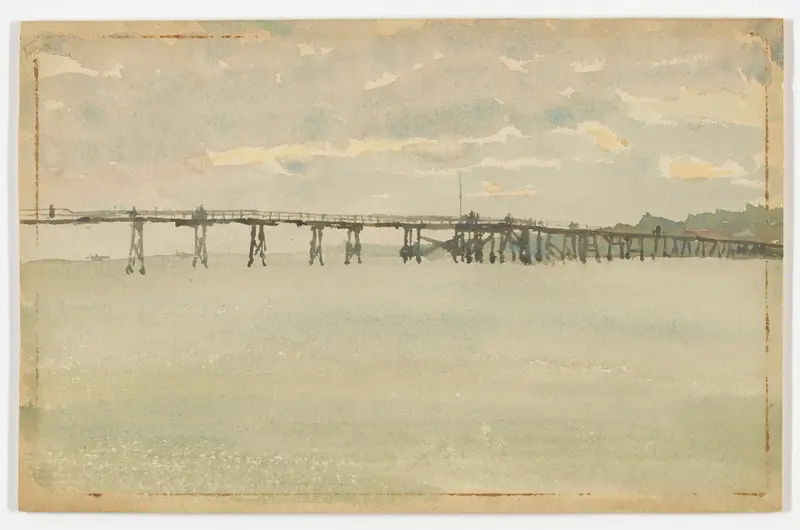
Grey and Silver–Pier, Southend
James Abbott McNeill Whistler
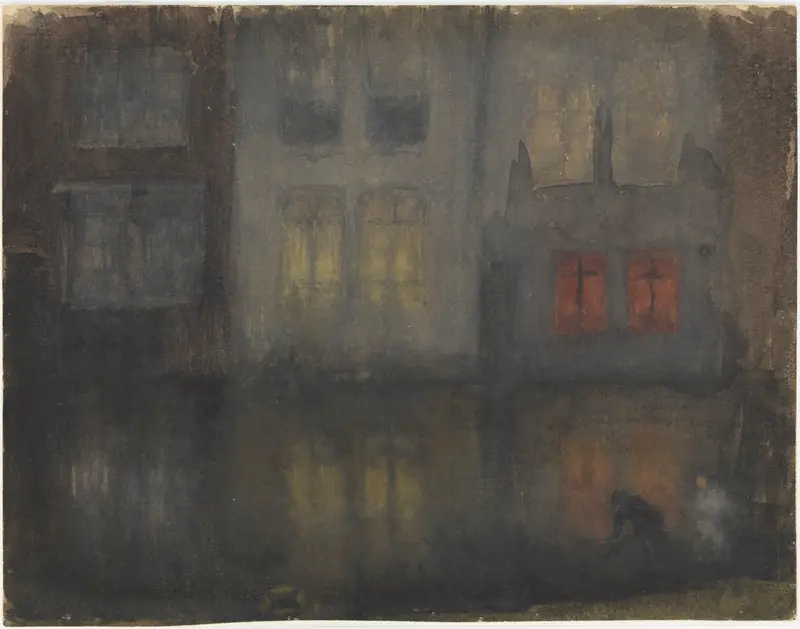
Nocturne: Black and Red—Back Canal, Holland
James Abbott McNeill Whistler





