
Dunes by the Sea — History & Facts
What if beauty was never meant to be finished? In the hands of Jacob van Ruisdael, the landscape itself becomes a living entity, forever in a state of becoming, inviting the viewer to step into its quiet yet profound embrace. Look to the horizon where soft waves meet the edge of the dunes, blending seamlessly into the sky's expansive canvas. The golden and green hues of the grass contrast with the deep blues of the ocean, creating a striking balance that captivates the eye. Notice how the light dances across the sand, casting gentle shadows that weave through the undulating forms of the landscape, inviting contemplation and wonder.
The composition, with its expansive sky and grounded dunes, evokes not just a scene but a feeling of transcendence, bridging the earthly with the ethereal. Amidst the serene beauty lies an underlying tension between the ephemeral and the eternal. The windswept dunes suggest the passage of time, a reminder of nature’s impermanence, while the distant sea embodies a sense of infinity. This contrast invites reflection on the fleeting moments of beauty in our own lives, urging us to appreciate the transient while yearning for the everlasting.
The play of light transforms the ordinary into something sublime, hinting at deeper spiritual truths hidden within the landscape. In 1648, van Ruisdael painted this work during a period of significant artistic evolution in the Dutch Golden Age. As he explored the complexities of nature, he was navigating his own journey through personal loss and the changing tides of society. This painting reflects not only his mastery of landscape but also a deep connection to the sublime, capturing a moment that elevates the viewer's spirit beyond the physical realm.
More Artworks by Jacob van Ruisdael
Browse all →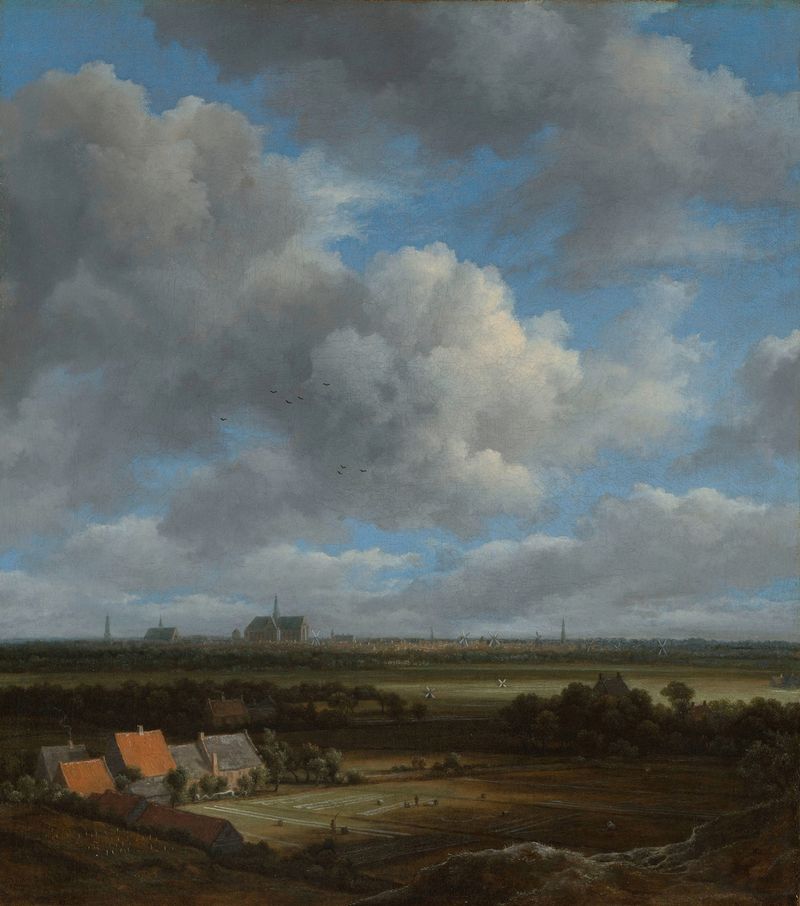
View of Haarlem from the Northwest, with the Bleaching Fields in the Foreground
Jacob van Ruisdael
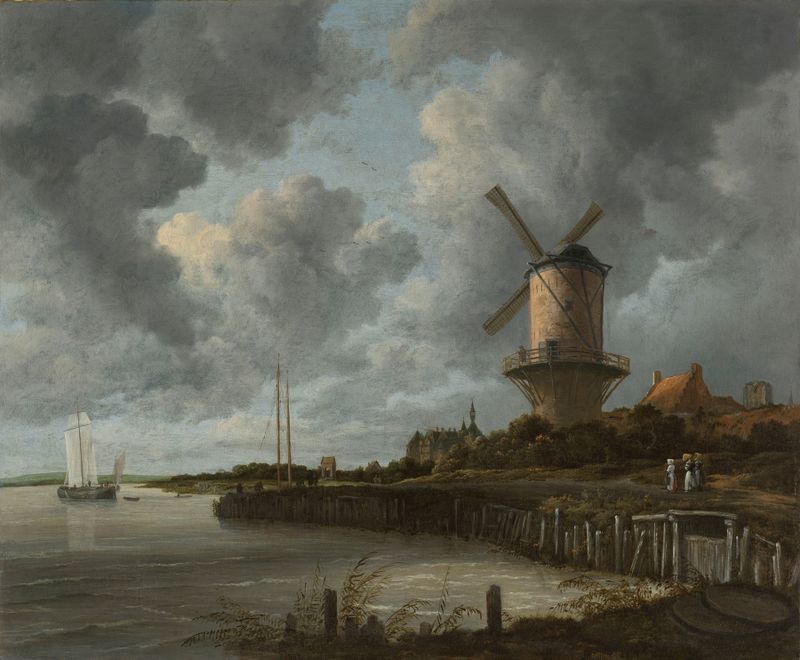
The Windmill at Wijk bij Duurstede
Jacob van Ruisdael
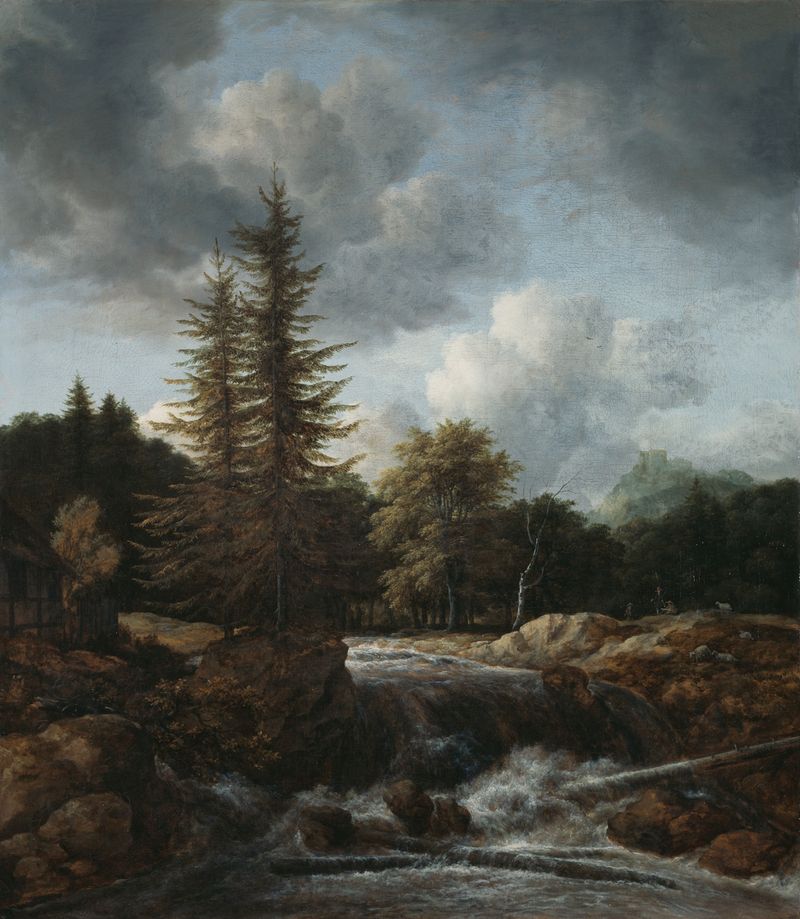
Landscape with Waterfall
Jacob van Ruisdael
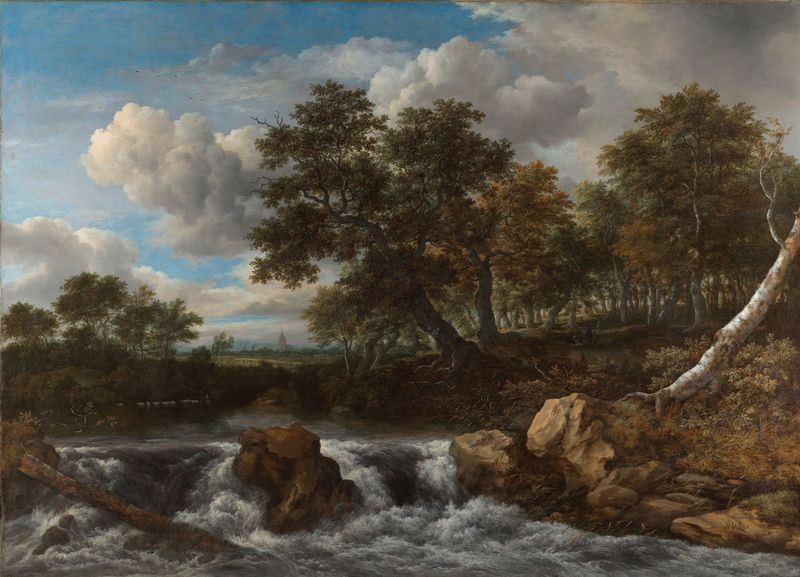
Landscape with Waterfall
Jacob van Ruisdael
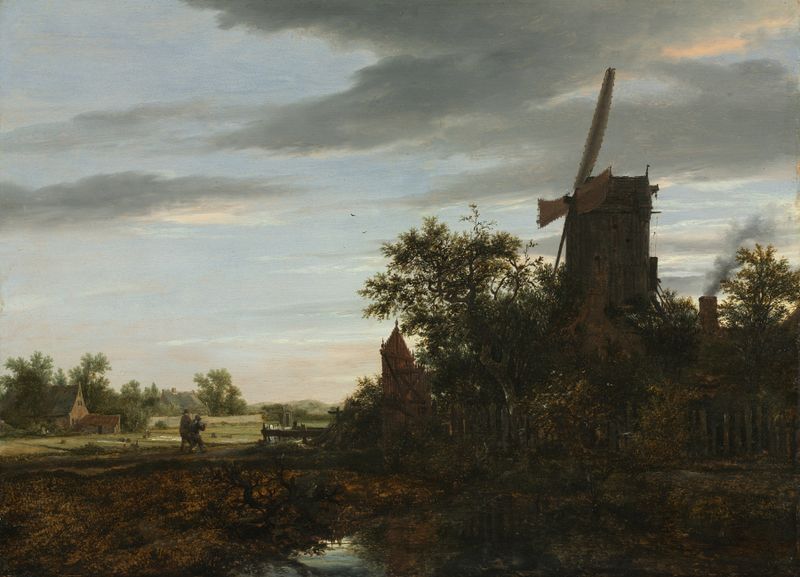
Landscape with a Windmill
Jacob van Ruisdael

Wooded hillside with a view of Bentheim Castle
Jacob van Ruisdael
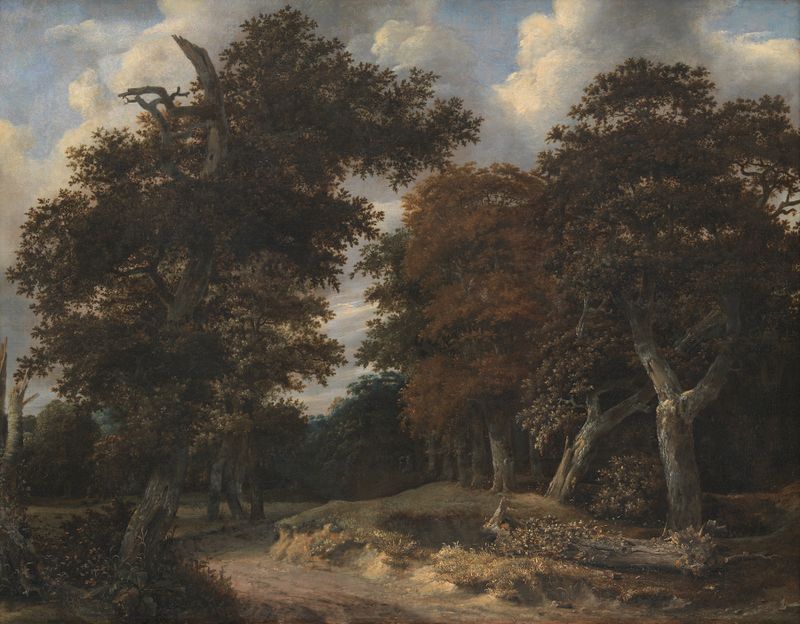
Road through an Oak Forest
Jacob van Ruisdael

Landscape with a Church
Jacob van Ruisdael

The Forest Stream
Jacob van Ruisdael

The Jewish Cemetery
Jacob van Ruisdael





