
Durham, Connecticut — History & Facts
In the delicate interplay of color and light, the essence of time stands still, yet vibrates with the whispers of the past. Look to the foreground, where the lush greens of the landscape draw your gaze. Notice how Inness captures the gentle rolling hills under a canopy of soft, atmospheric clouds, each brushstroke enveloped in a warm, golden hue. The light filters through the trees, creating a serene interplay of shadow and illumination, guiding you deeper into the tranquil embrace of the scene.
The composition feels open and inviting, beckoning the viewer to wander into this picturesque moment. As you explore further, consider the contrast between the serene landscape and the weight of time it embodies. The still waters reflect not just the sky, but the stories of generations etched into the land. The subtle tension between the vivid foreground and the almost ghostly past evokes a sense of nostalgia, inviting contemplation on nature's fleeting beauty and the passage of time itself.
Each element serves as a reminder of both the permanence and impermanence of our existence. In 1858, the artist was deepening his exploration of transcendent landscapes, having recently been influenced by the philosophies of the Hudson River School. Living in the transitional state of art movements, Inness was merging Romanticism with a growing interest in Impressionistic techniques. During this period in Durham, Connecticut, he sought to capture not just the physical world, but the emotional resonance of nature, inviting viewers to reflect on their own relationship with the passage of time.
More Artworks by George Inness
Browse all →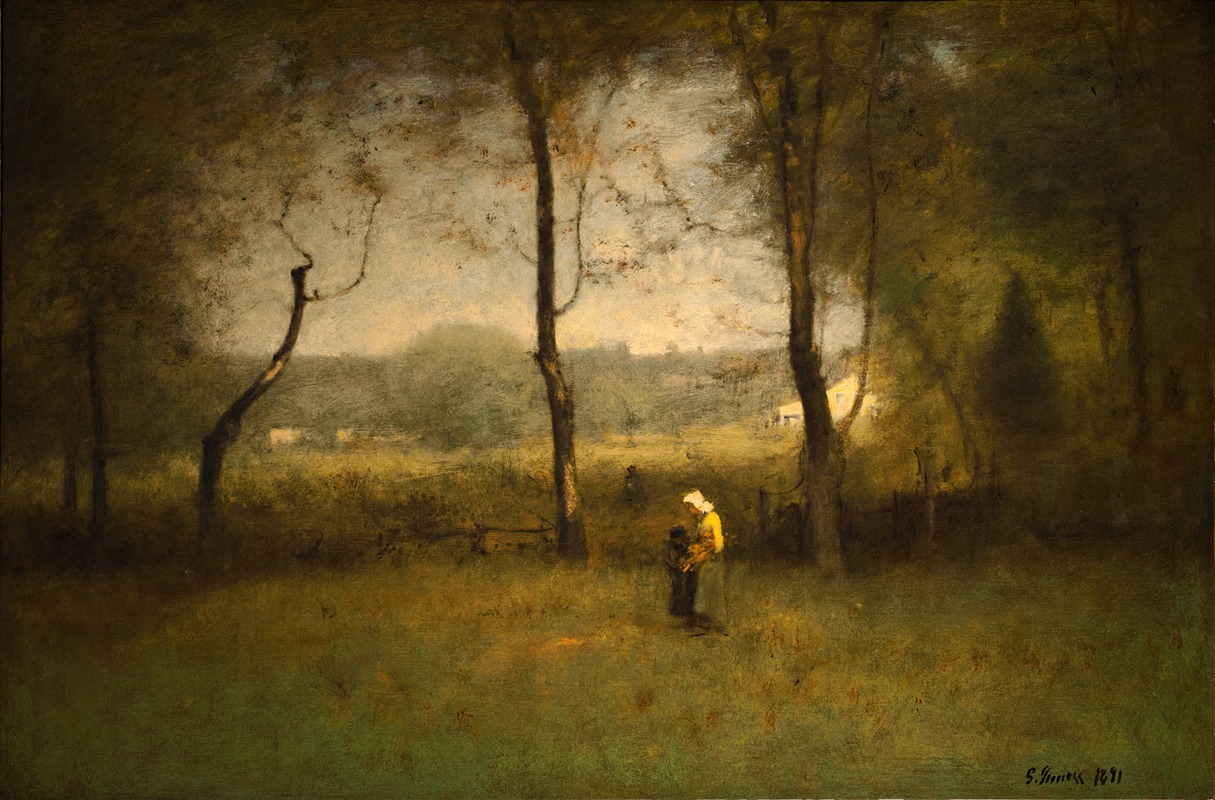
Autumn Woods
George Inness
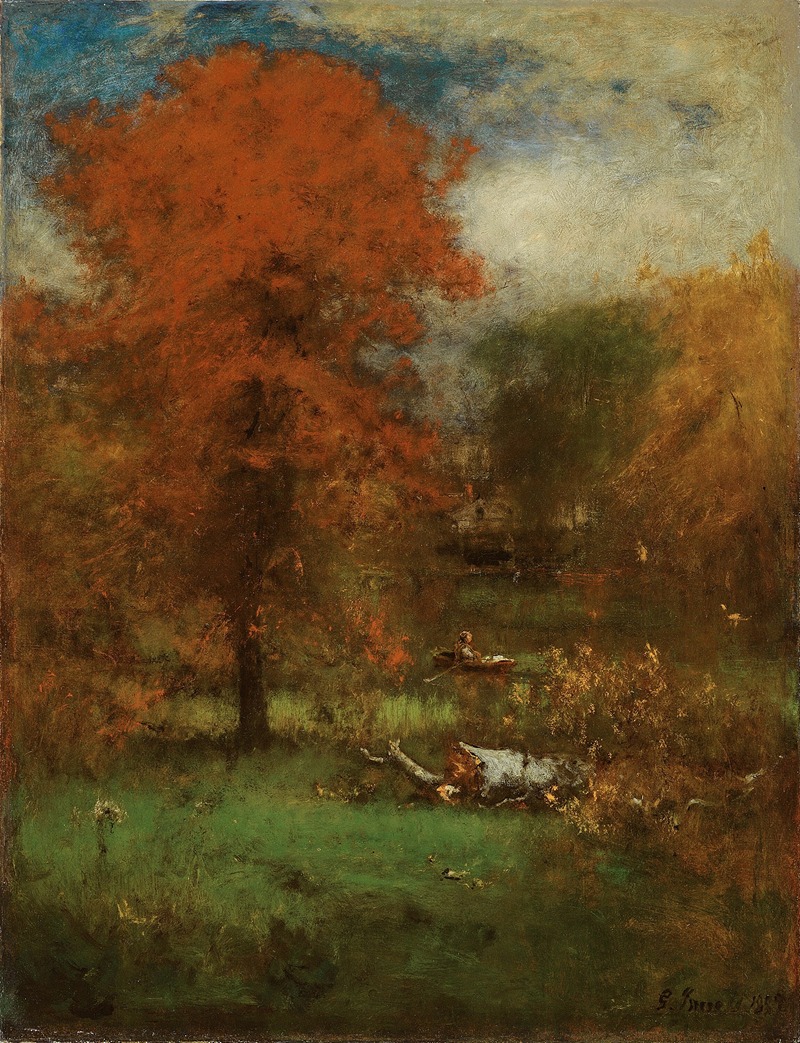
The Mill Pond
George Inness
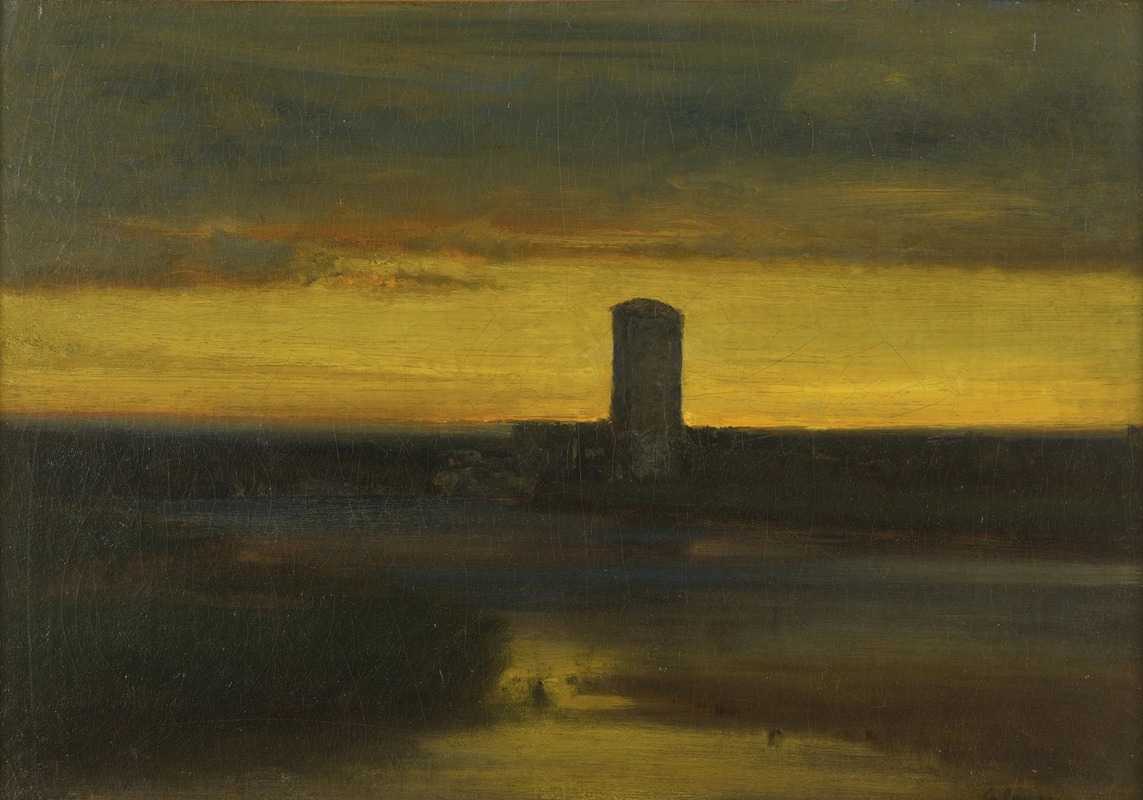
Afterglow
George Inness
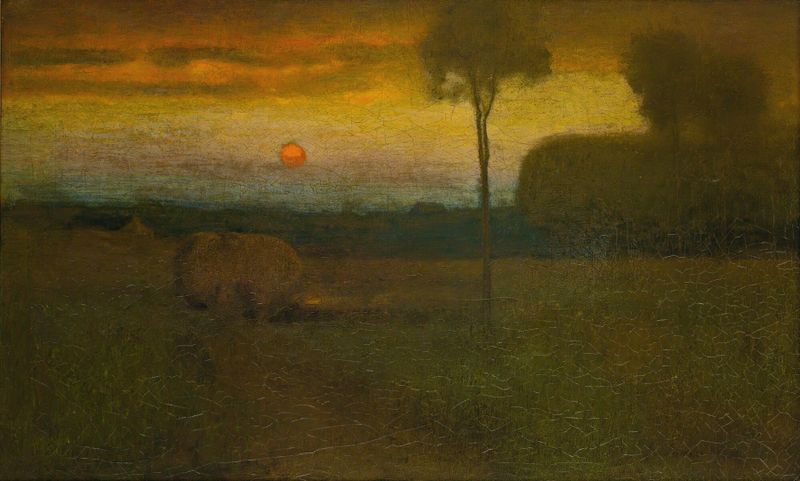
Landscape (Evening Landscape)
George Inness

Montclair
George Inness

View in Berkshire County, Massachusetts, Clearing Off after a September Storm
George Inness

October
George Inness
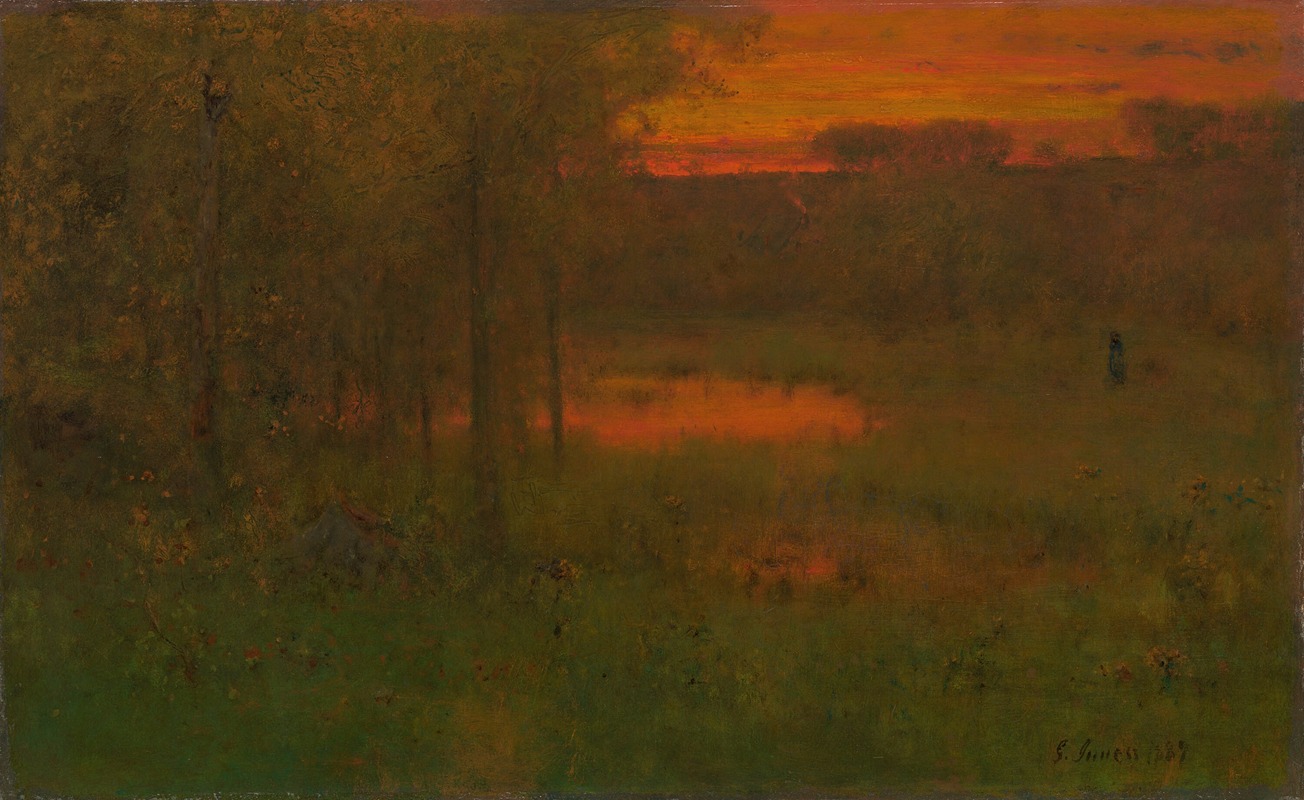
Landscape, Sunset
George Inness
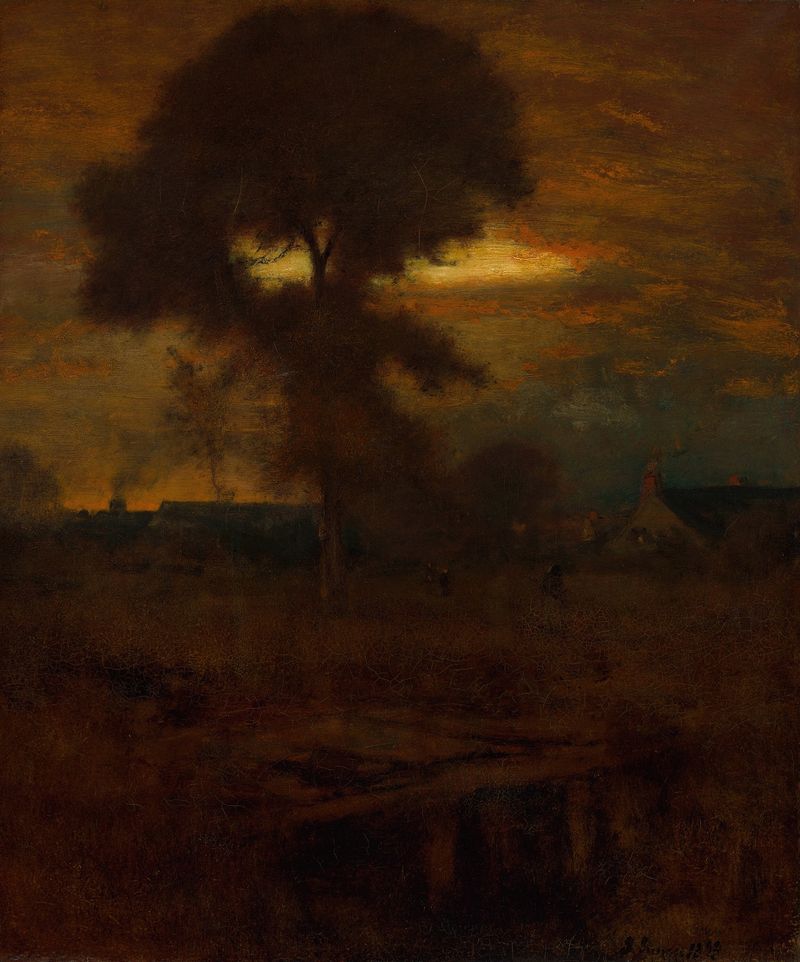
Afterglow
George Inness
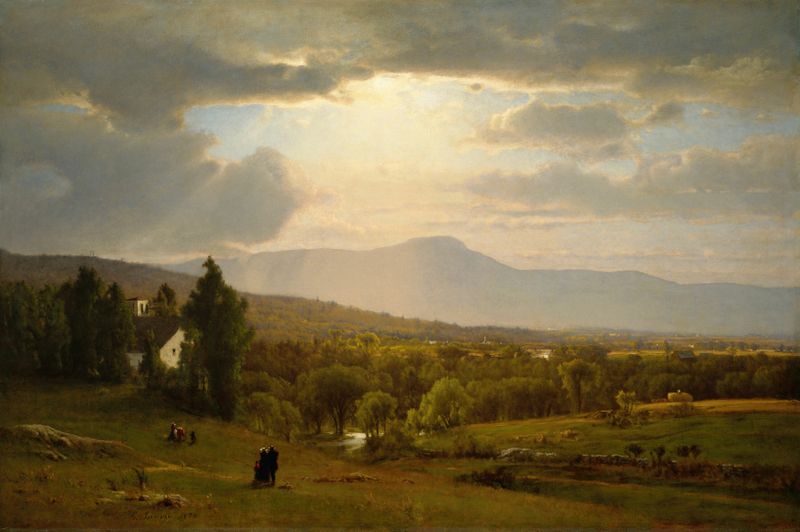
Catskill Mountains
George Inness





