
Dusk — History & Facts
In the quietude of creation, one can sense the weight of time as it breathes life into the canvas. Each stroke is a reminder that artistry transcends mere representation; it is a profound connection to the past. Look closely at the luminous horizon in Dusk, where soft hues of lavender and gold bleed into one another, creating a delicate atmosphere that envelops the viewer. The composition draws you in, guiding your gaze from the tranquil foreground to the ethereal sky.
Notice how the gentle swells of the landscape cradle the light, while the subtle interplay of shadows hints at an unseen depth, evoking an emotional resonance that lingers long after the eye has wandered. As you explore the piece, consider the contrasting elements—the stillness of the ground against the vibrant dance of twilight colors. This juxtaposition suggests an interplay of solitude and connection, reflecting the universal experience of transitioning moments. The harmonious blend of light and dark speaks to the artist’s internal dialogue, perhaps capturing the bittersweet nature of reflections on life and time. During the years 1904 to 1905, Jan Stanisławski was solidifying his vision in Poland, merging Impressionist influences with a personal, nuanced approach to natural scenes.
Amidst a backdrop of shifting artistic movements, he embraced the emotional power of color and light, establishing his identity within an evolving art landscape, where introspection and innovation flourished.
More Artworks by Jan Stanisławski
Browse all →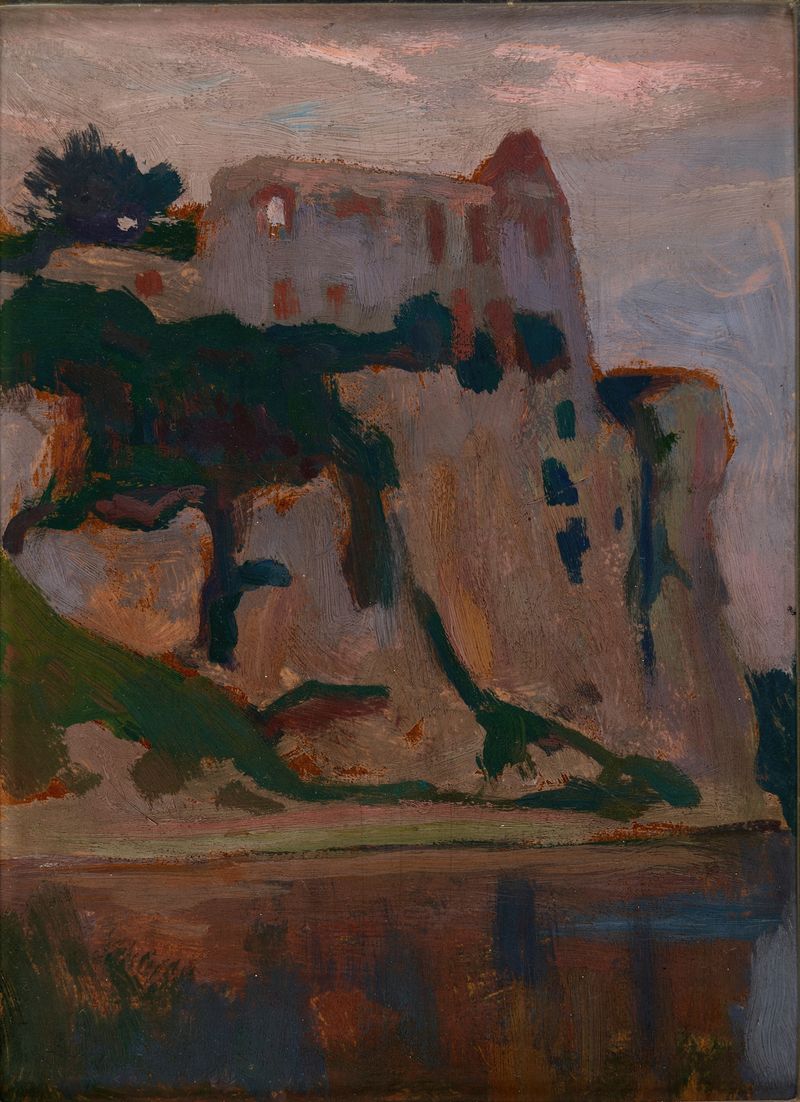
Tyniec at Dawn
Jan Stanisławski
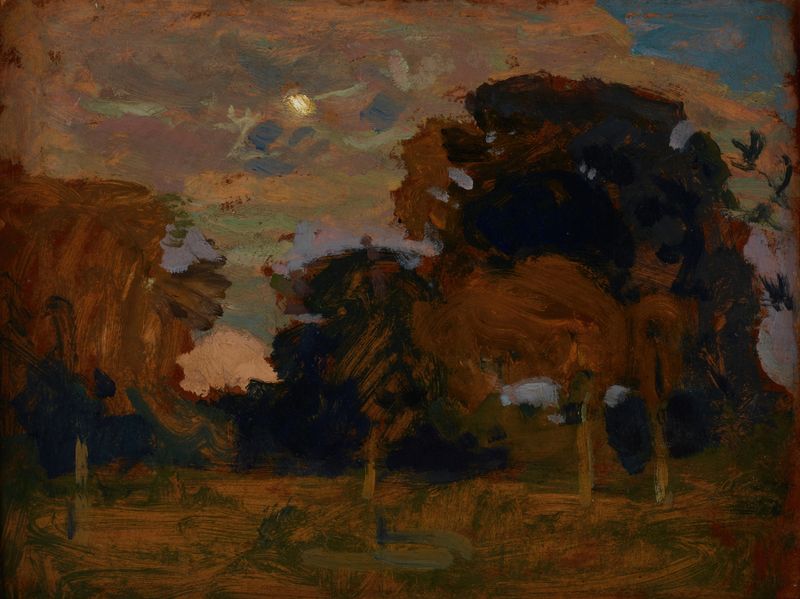
Moon in the Clouds
Jan Stanisławski
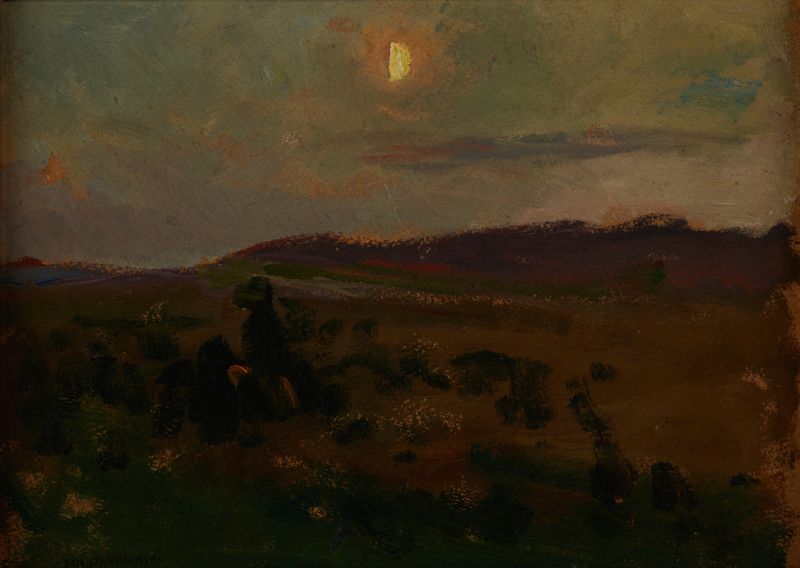
Moonrise
Jan Stanisławski
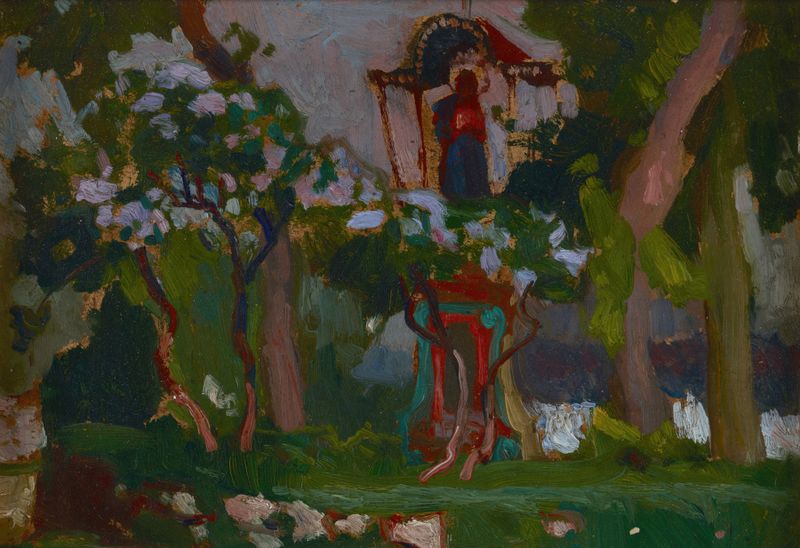
May
Jan Stanisławski
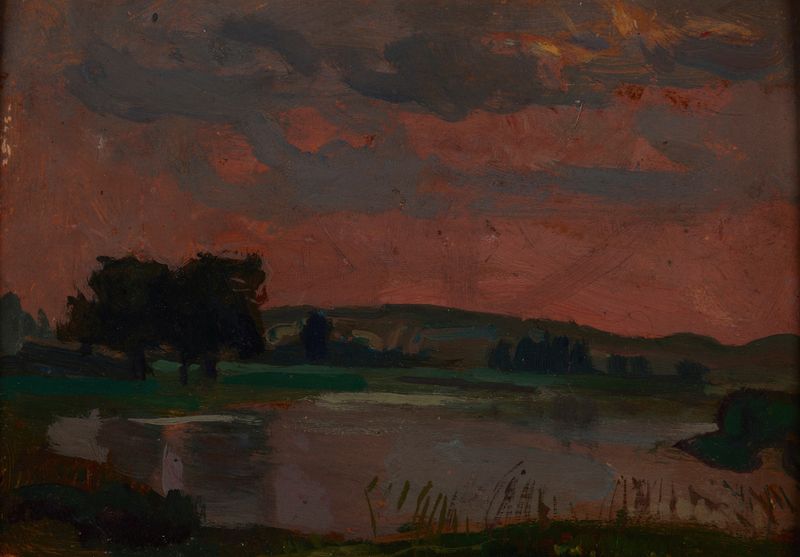
The Vistula in the Twilight
Jan Stanisławski
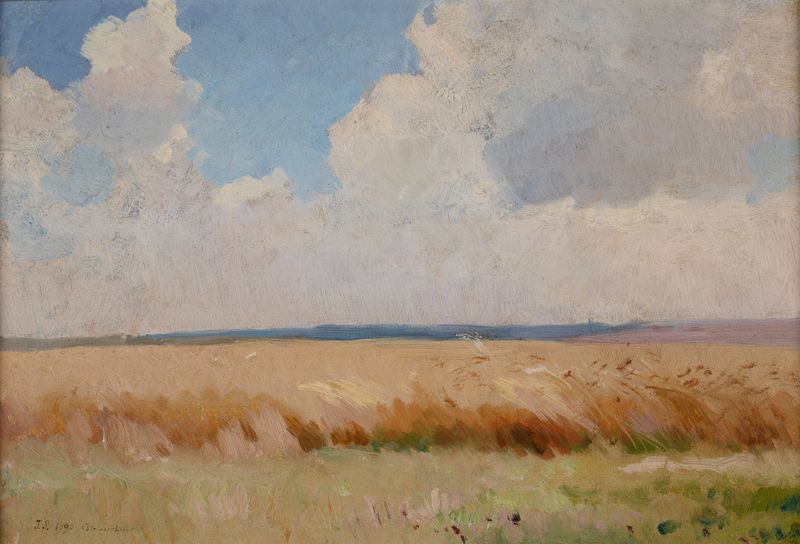
Field at Białocerkiew (Bila Tserkva)
Jan Stanisławski
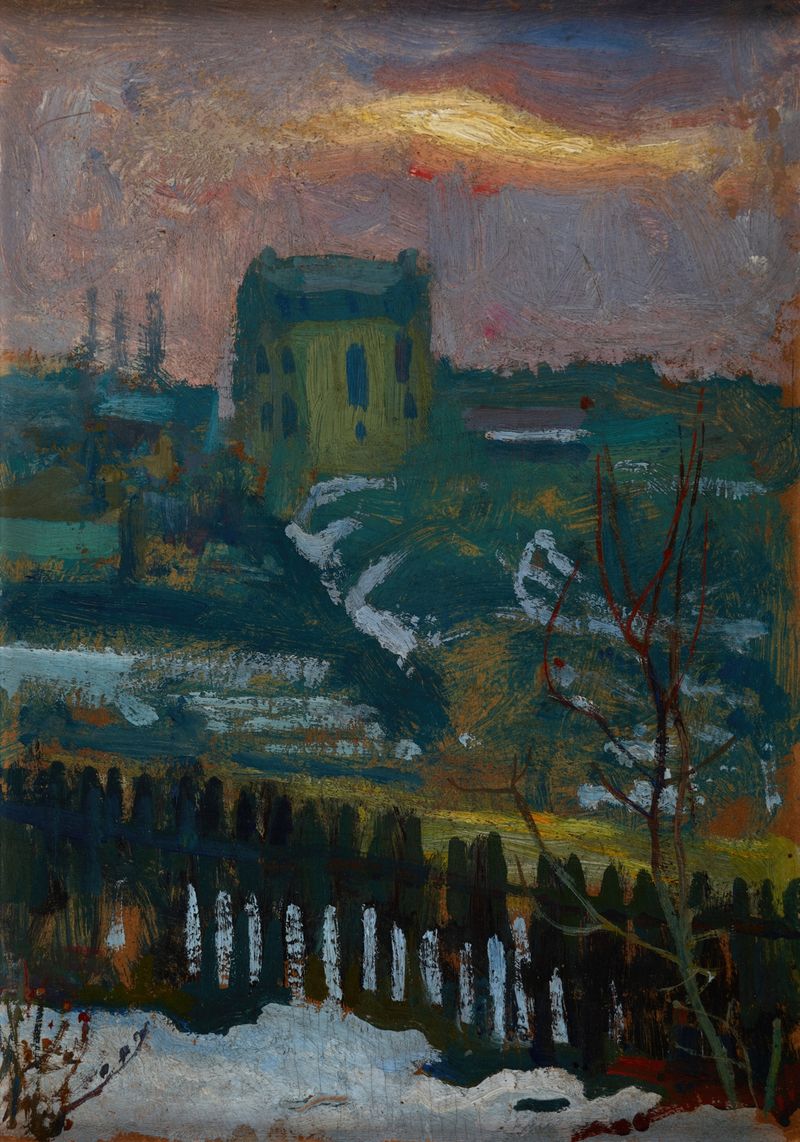
House in Winter
Jan Stanisławski
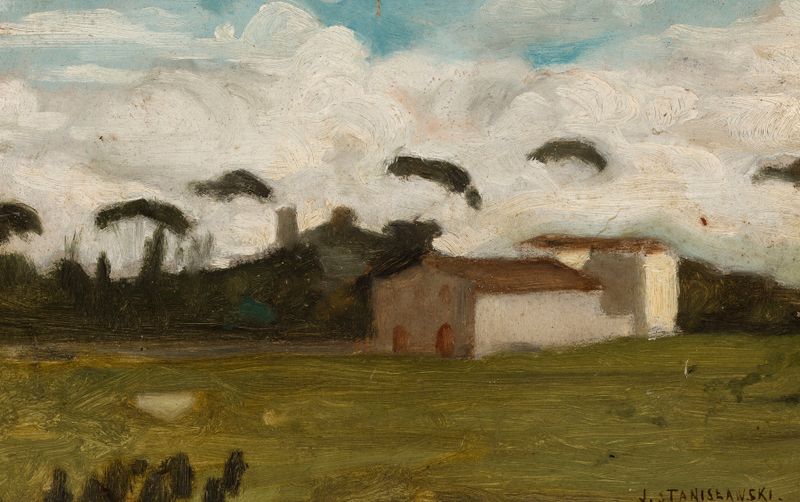
Landscape
Jan Stanisławski
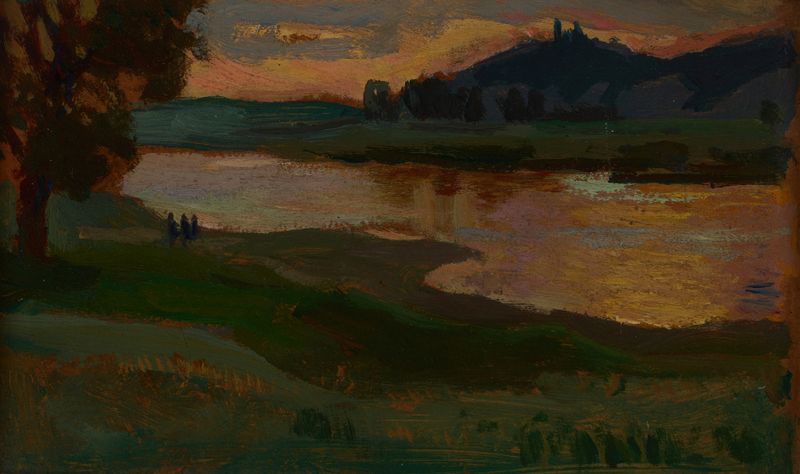
Bielany at Dusk
Jan Stanisławski
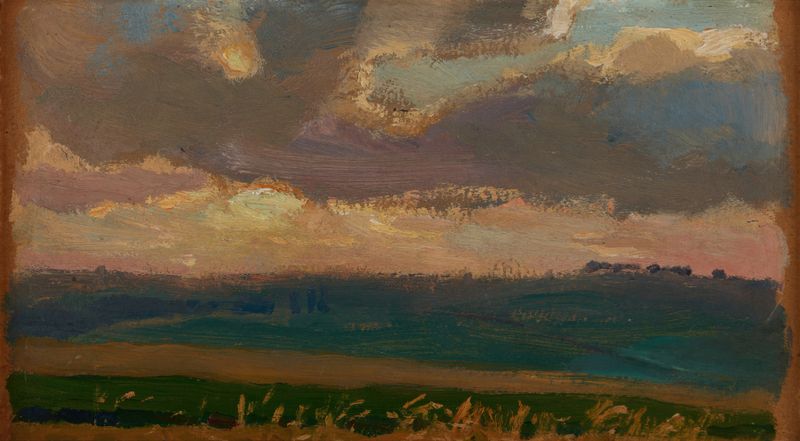
Fields at Proszowice
Jan Stanisławski





