
Early Morning, Tarpon Springs — History & Facts
What if silence could speak through light? In Early Morning, Tarpon Springs, the dawn's gentle embrace reveals a world still wrapped in the hush of awakening, where colors whisper secrets to the viewer. Look to the left where soft, pastel hues blend seamlessly into the sky, creating a gradient that dances between blues and pinks. The water, a reflective mirror, captures the early light, drawing your gaze across the surface to the horizon. Notice how the trees, painted in rich greens, frame the scene, their branches extending like arms welcoming the new day.
Each brushstroke contributes to an ethereal quality, as if the atmosphere itself is palpable and alive. Beneath this serene surface lies an emotion brimming with anticipation. The stillness of the water suggests a moment paused in time, while the emerging light hints at the promise of revelation. In the distance, the subtle outlines of the landscape seem to symbolize the merging of day and night—a transient state that speaks to the duality of existence.
This moment, seemingly simple, encapsulates a profound sense of hope and possibility. In 1892, George Inness created this work while living in a period of artistic exploration, seeking to infuse his landscapes with emotional depth and spiritual resonance. At this time, the Impressionist movement was gaining momentum, prompting artists to seek new ways to express light and atmosphere. Inness, already established as a leading figure in American landscape painting, embraced these changing tides, allowing Early Morning, Tarpon Springs to emerge as a testament to nature's beauty and complexity.
More Artworks by George Inness
Browse all →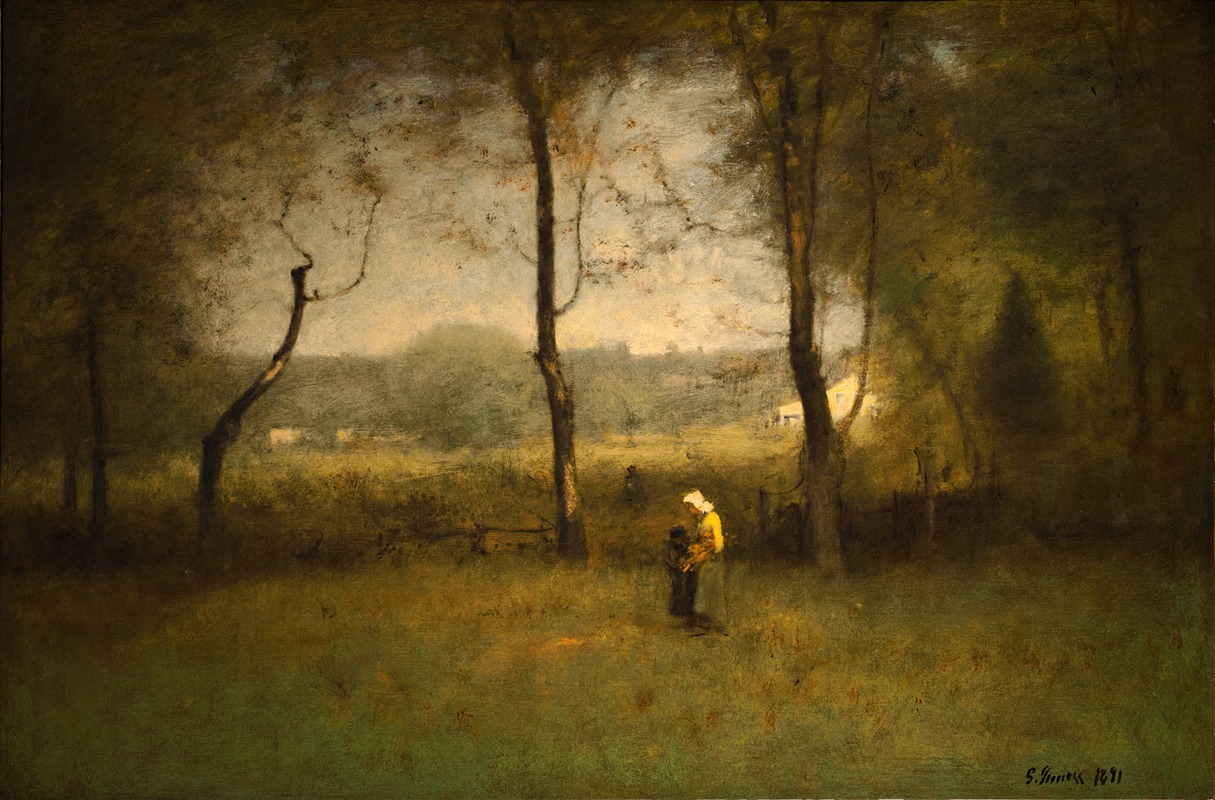
Autumn Woods
George Inness
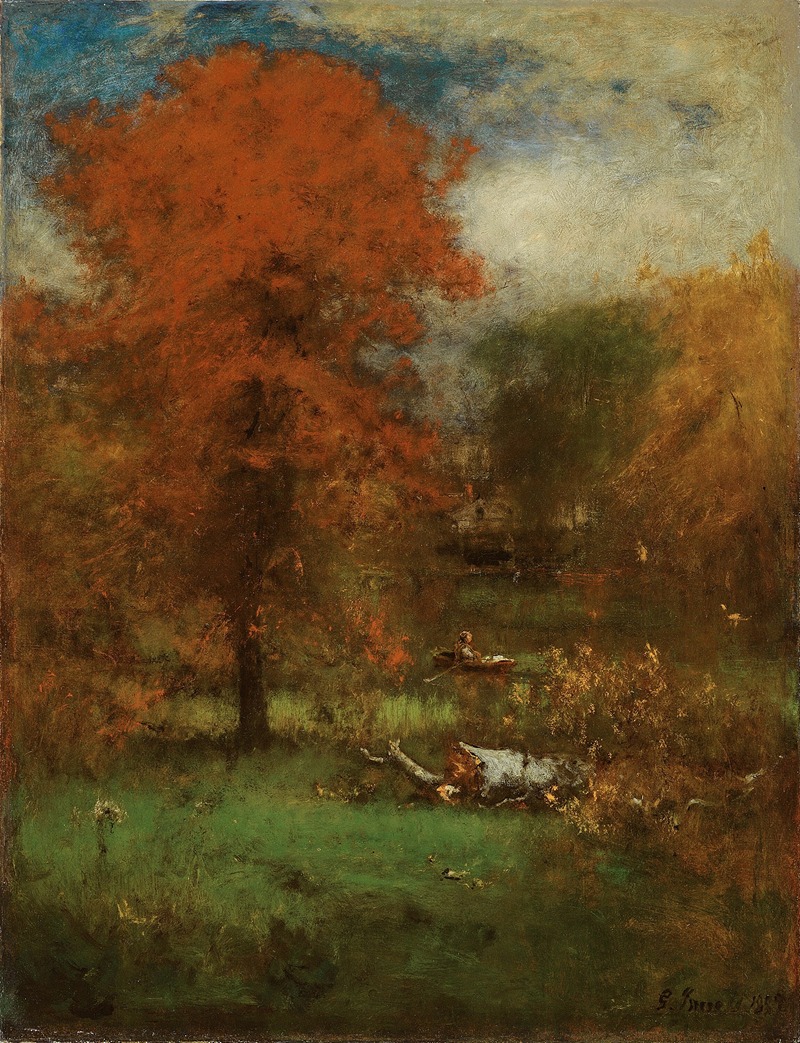
The Mill Pond
George Inness
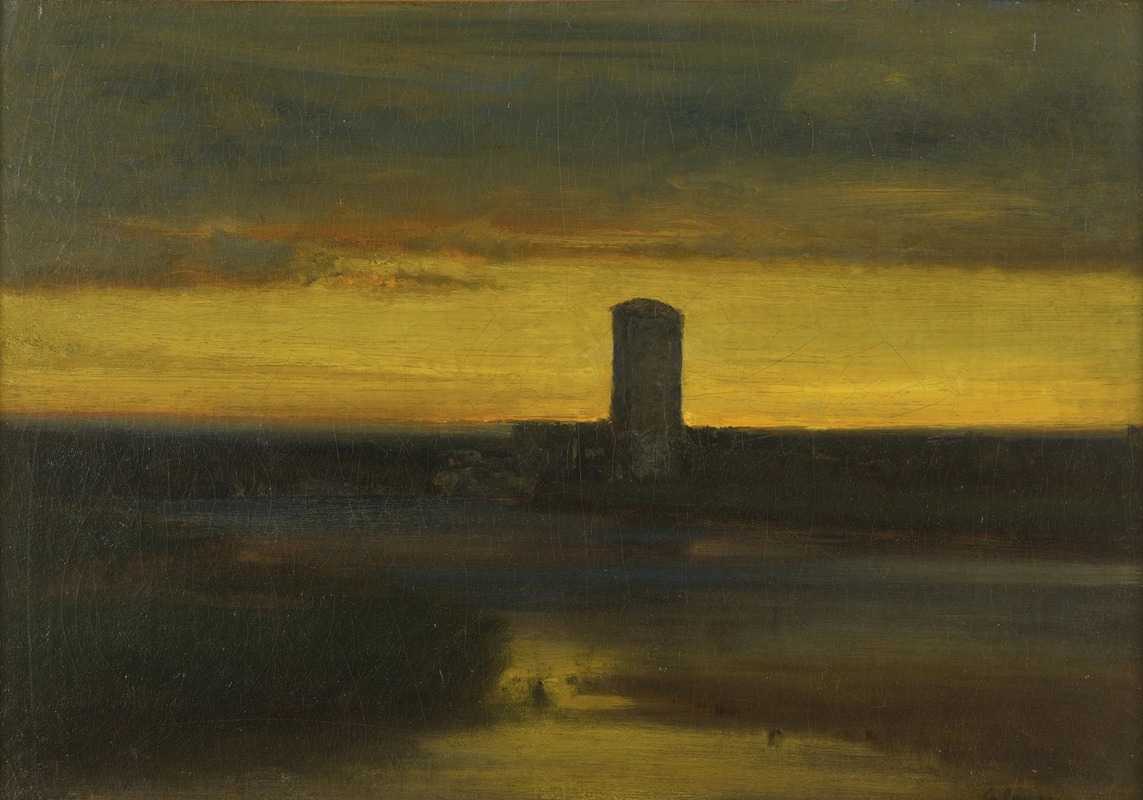
Afterglow
George Inness
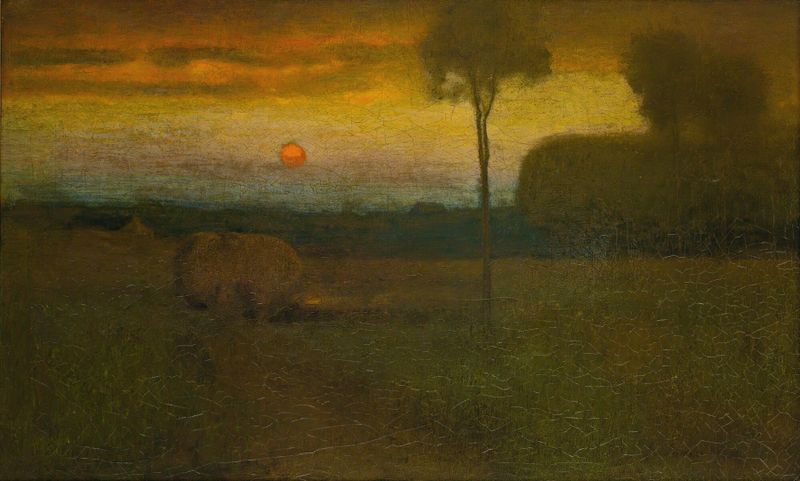
Landscape (Evening Landscape)
George Inness

Montclair
George Inness

View in Berkshire County, Massachusetts, Clearing Off after a September Storm
George Inness

October
George Inness
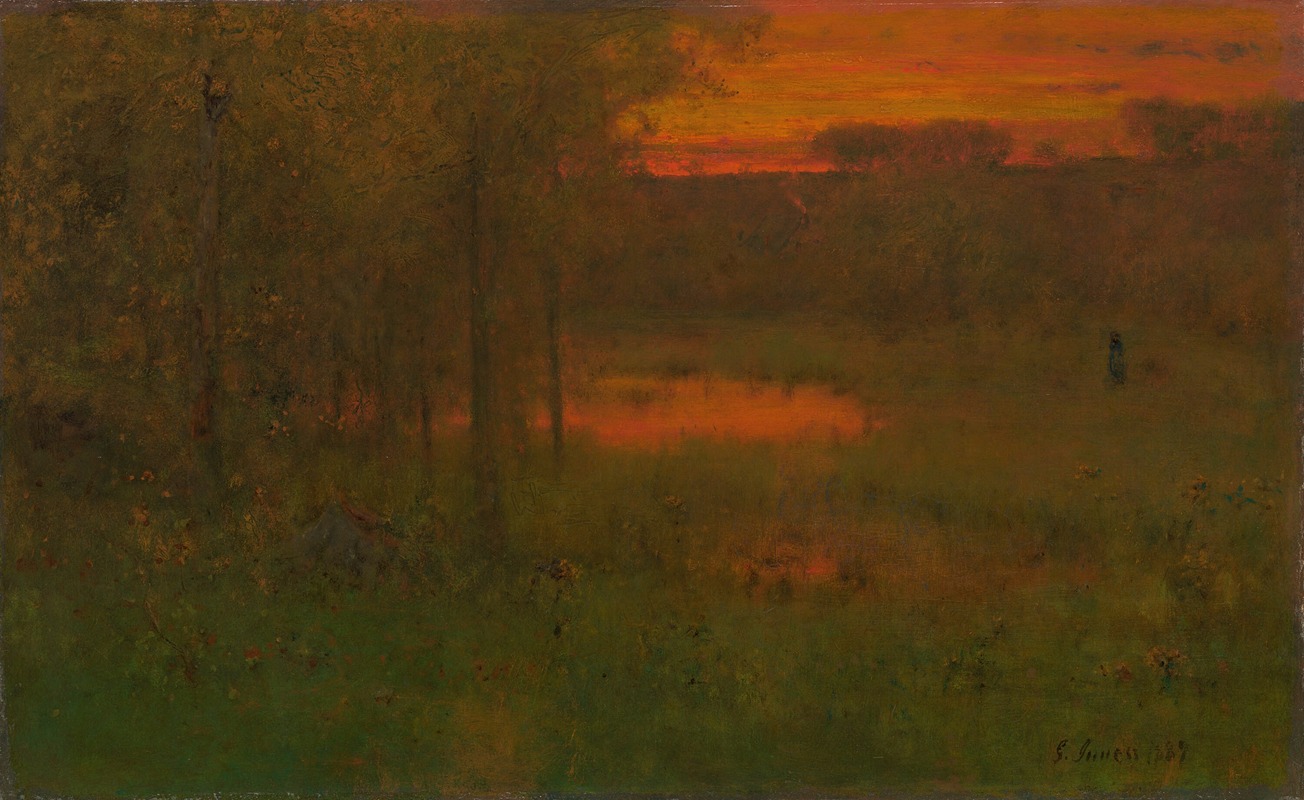
Landscape, Sunset
George Inness
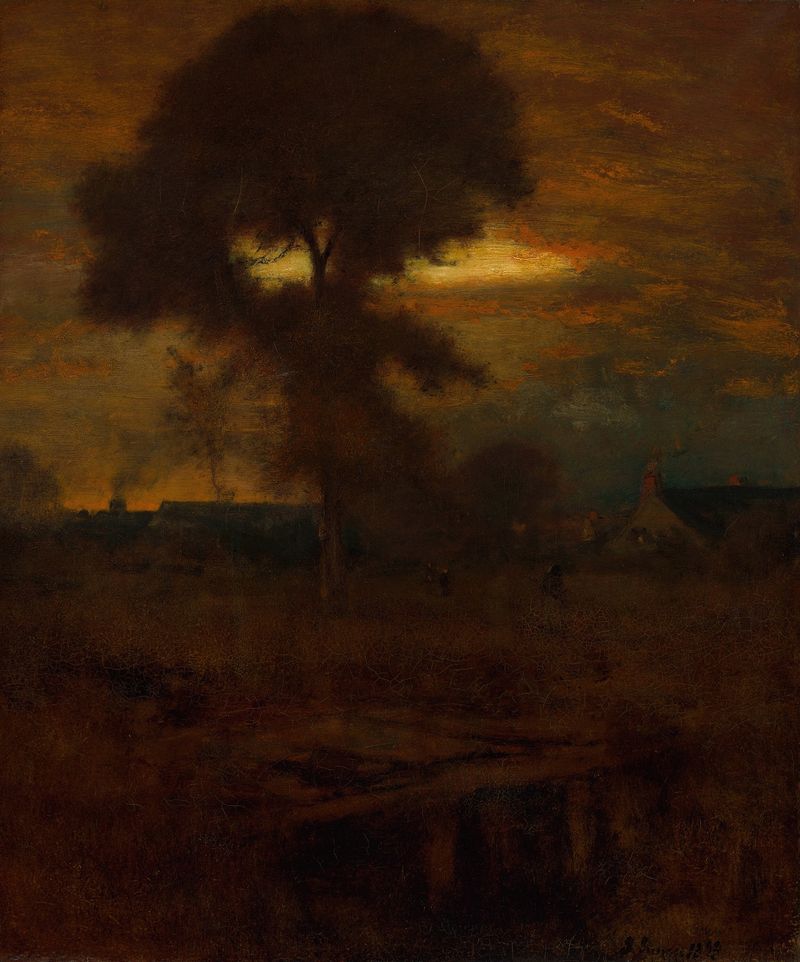
Afterglow
George Inness
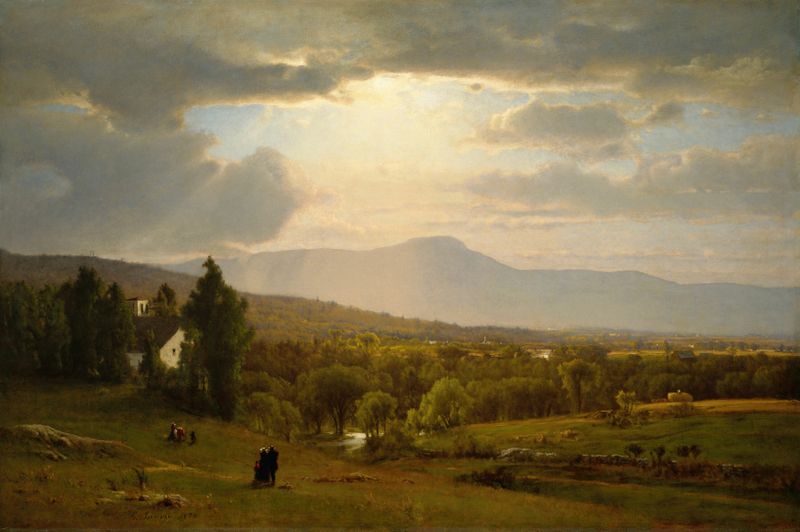
Catskill Mountains
George Inness





