
Early Morning, Tarpon Springs — History & Facts
Who listens when art speaks of silence? In the stillness of Early Morning, Tarpon Springs, hope finds its voice through the delicate brushstrokes of nature’s awakening. Look to the left, where the horizon meets the gentle ripples of water, painted in soft pastels that whisper of dawn. The cool blues and warm pinks blend seamlessly, inviting your gaze to explore the tranquil interplay of light and water. Notice how the trees frame the scene, their muted greens contrasting with the brightening sky, revealing a tender balance between shadow and illumination.
This composition, both serene and dynamic, enchants the viewer, evoking a sense of calm anticipation. As you delve deeper into the details, the emotional tension between the stillness of the water and the emerging light becomes clear. The tranquil surface reflects the world above, while the subtle brushwork suggests an underlying movement, hinting at the imminent day that promises new beginnings. Each element, from the delicate clouds to the dark, looming silhouettes of the trees, embodies a duality — a meditation on stillness and the inevitability of change, reminding us that hope often resides in quiet moments. In 1892, while residing in New Jersey, the artist created this work as part of his exploration into the American landscape.
This period marked a shift in his style towards more impressionistic techniques, influenced by his travels and the burgeoning movement of American Art. The world was grappling with modernity, yet Inness sought solace and profound beauty in nature’s simplicity, embodying the hopefulness that characterizes this piece.
More Artworks by George Inness
Browse all →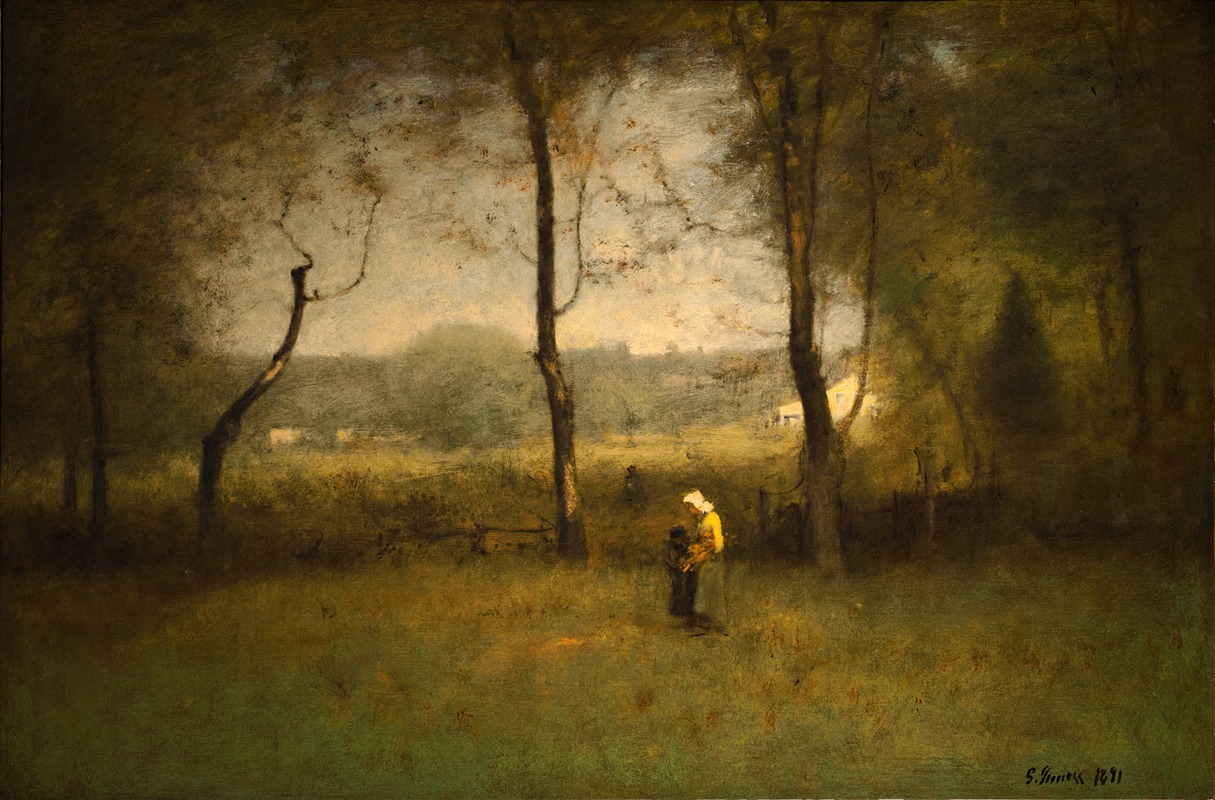
Autumn Woods
George Inness
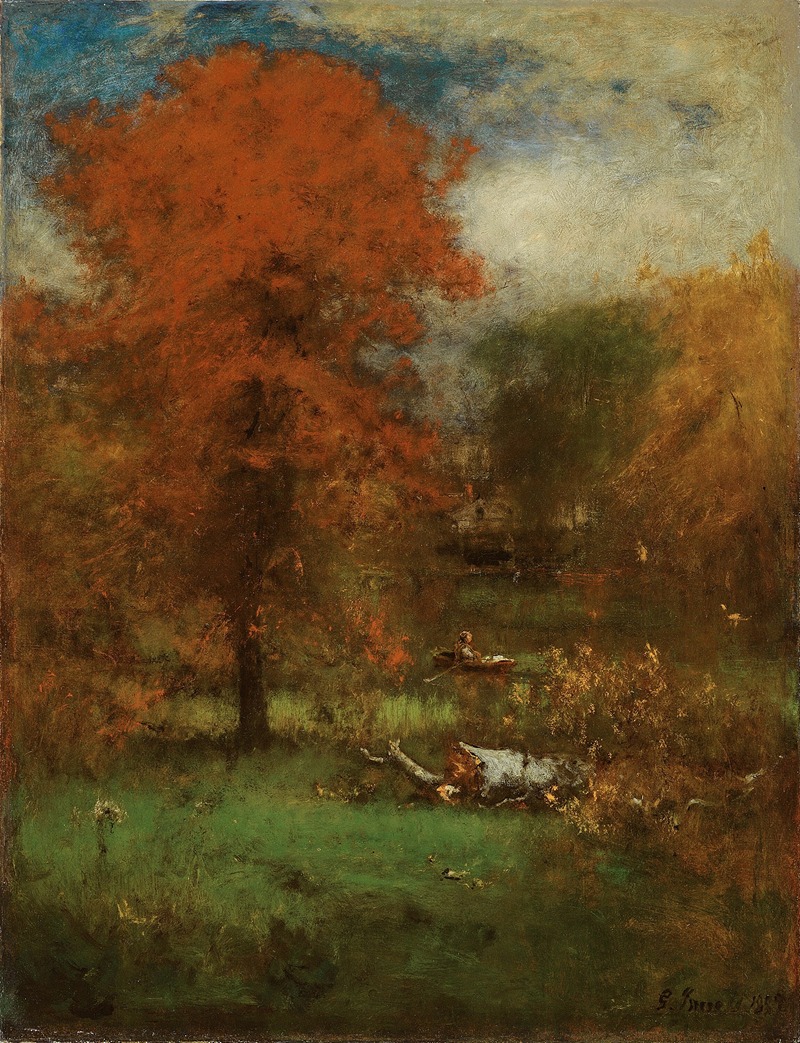
The Mill Pond
George Inness
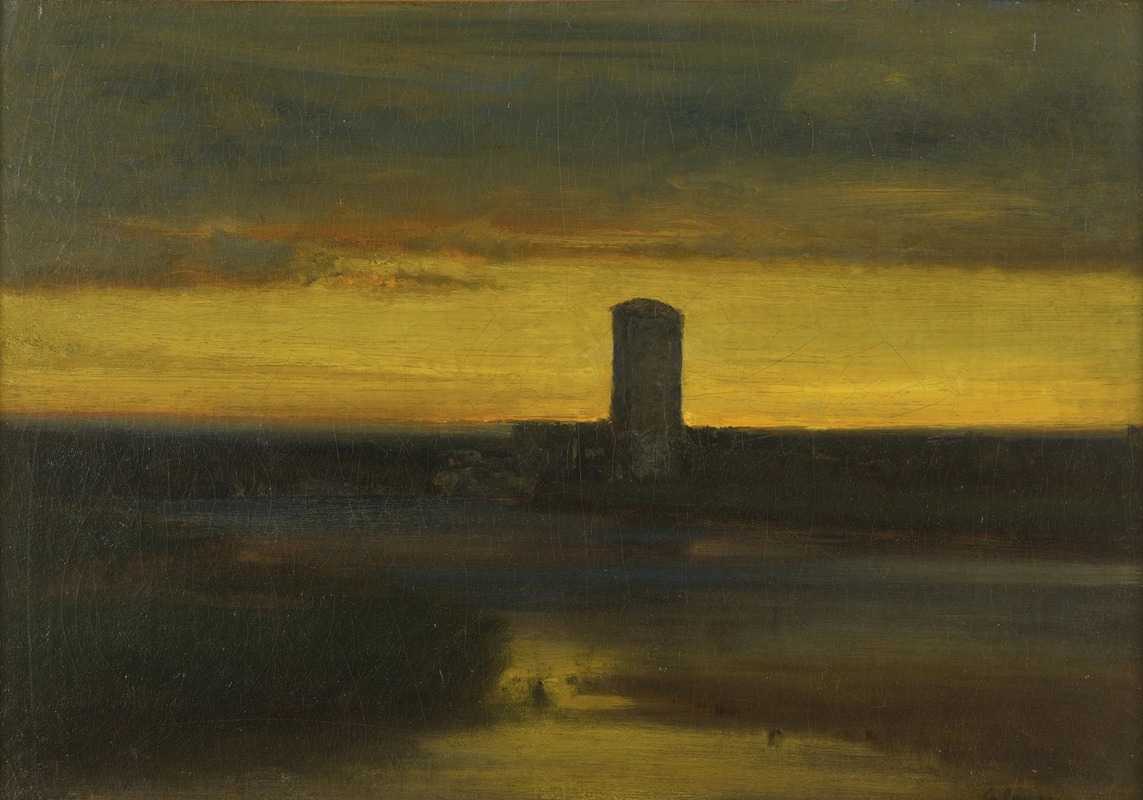
Afterglow
George Inness
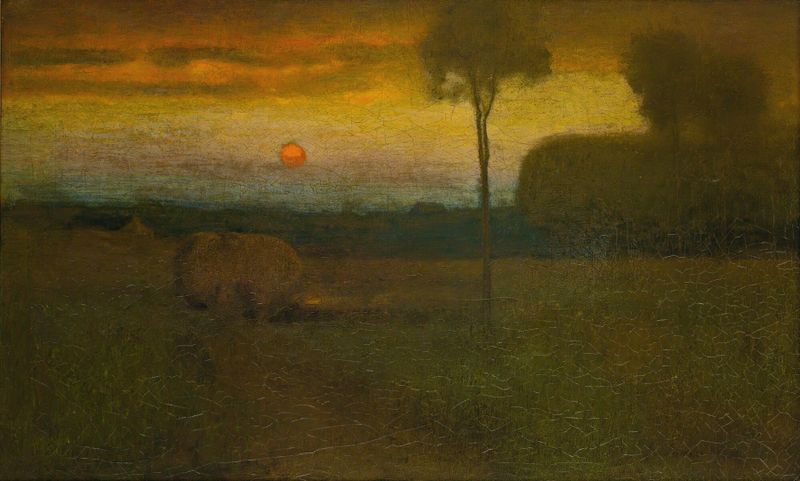
Landscape (Evening Landscape)
George Inness

Montclair
George Inness

View in Berkshire County, Massachusetts, Clearing Off after a September Storm
George Inness

October
George Inness
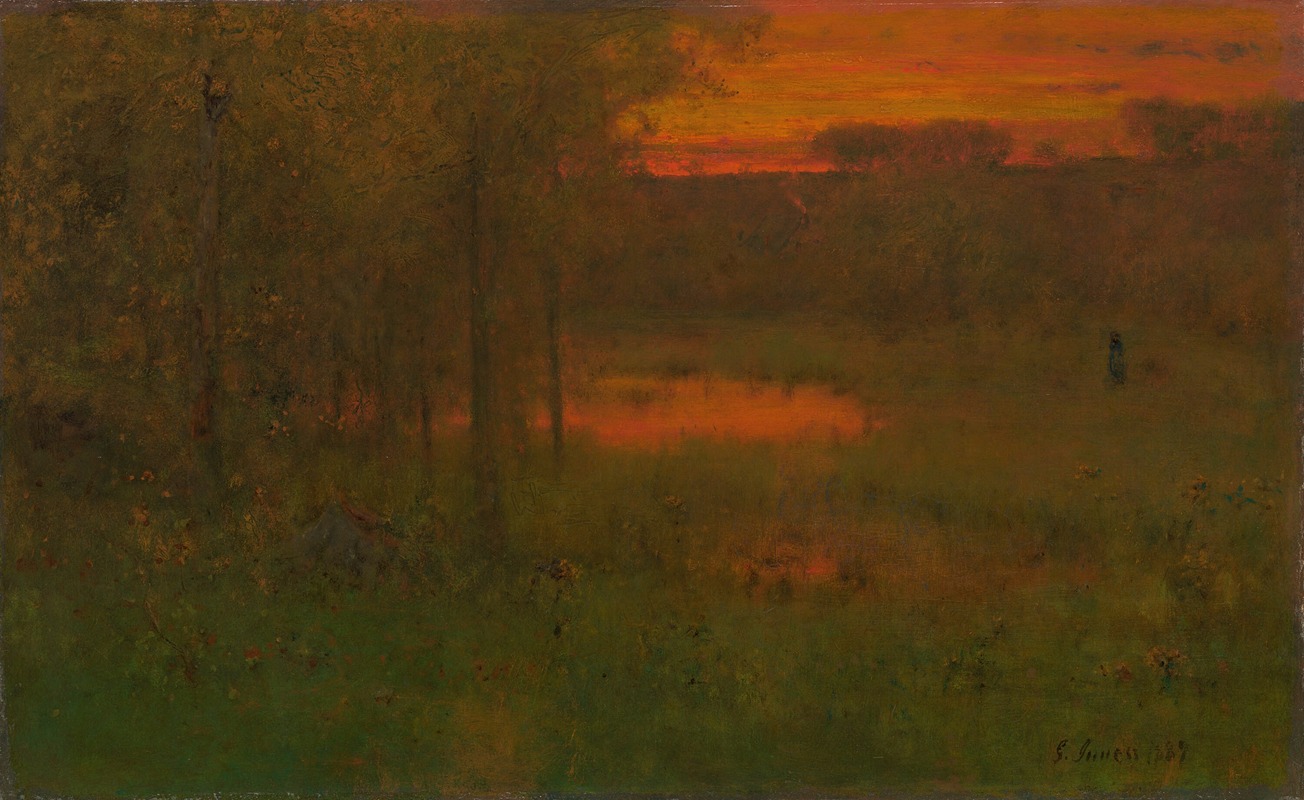
Landscape, Sunset
George Inness
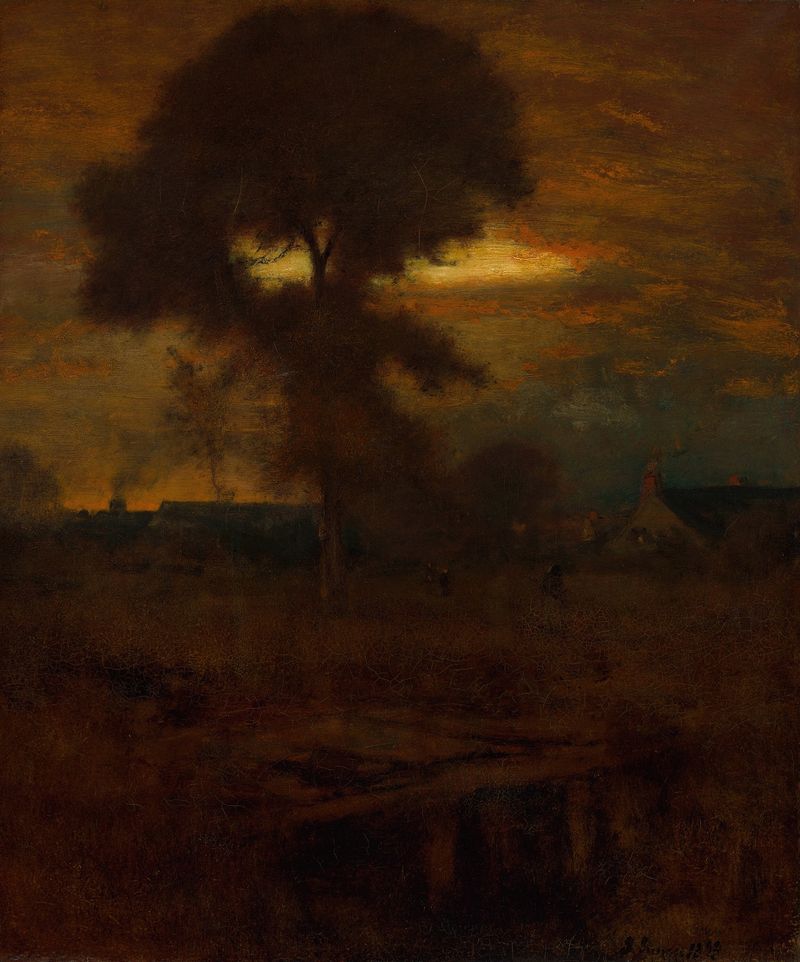
Afterglow
George Inness
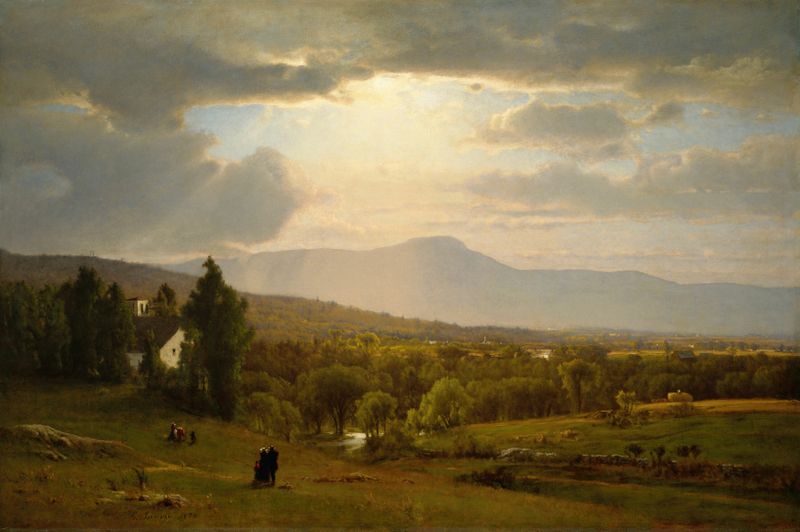
Catskill Mountains
George Inness





