
Ecce Homo — History & Facts
Few subjects in art have invited as much debate and repetition as the moment of Christ’s presentation to the crowd—Ecce Homo—and Abraham Bloemaert’s version stands out for its rare blend of Dutch realism and emotional restraint. While the precise date and commission of this painting remain unknown, it is striking that Bloemaert, a leading figure of the Utrecht school, returned to this theme several times throughout his career, each time altering the mood and composition. The proliferation of Ecce Homo scenes in the early seventeenth century reflects a Europe gripped by religious tensions and a hunger for images that made sacred suffering immediate and human. Here, the story unfolds at the instant Pontius Pilate presents Jesus to the hostile crowd, uttering the words: “Behold the man.” Bloemaert captures Christ crowned with thorns, his hands bound, body battered, and eyes downcast—not in theatrical agony, but in a quiet acceptance that draws the viewer’s gaze.
The ropes and crimson cloak are more than props: they signal both mockery and impending sacrifice. Unlike the dramatic chiaroscuro of Caravaggio’s interpretations, Bloemaert’s light is cooler, his figures less exaggerated, inviting contemplation rather than shock. The composition’s balance between Roman authority and Christ’s vulnerability hints at the painter’s careful study of both Italian models and Northern detail. The journey of this particular Ecce Homo is shrouded in uncertainty; no early records or signatures survive to clarify its origins or first owner.
What is certain is that Abraham Bloemaert was a prolific and influential artist, known for training a generation of Dutch painters and for his versatility across religious, mythological, and pastoral scenes. Works like this one reflect the Utrecht Caravaggisti’s fascination with dramatic narrative, yet Bloemaert’s version remains distinct for its restraint and clarity. Today, the painting’s attribution is secure, but its early travels and patrons are lost to history, leaving us to encounter it as both a testament to a turbulent era and a window into Bloemaert’s evolving vision.
More Artworks by Abraham Bloemaert

Adam and Eve
Abraham Bloemaert
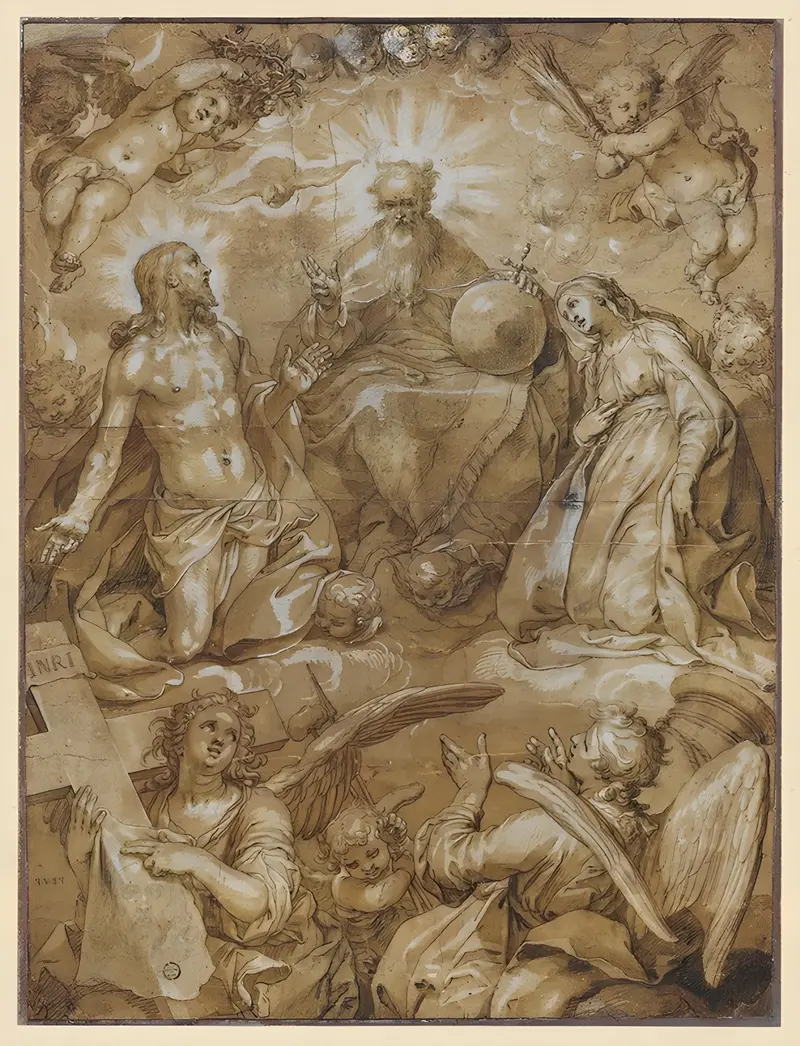
Intercession of Christ and Mary before God the Father
Abraham Bloemaert
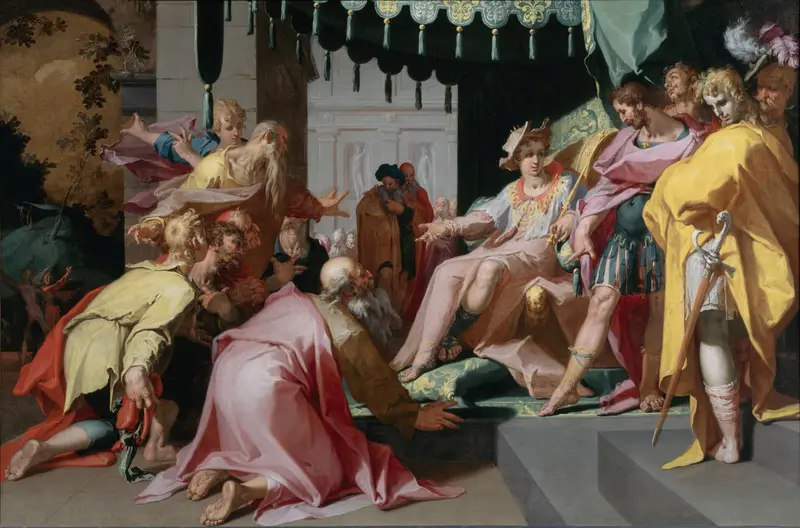
Joseph and his Brothers
Abraham Bloemaert
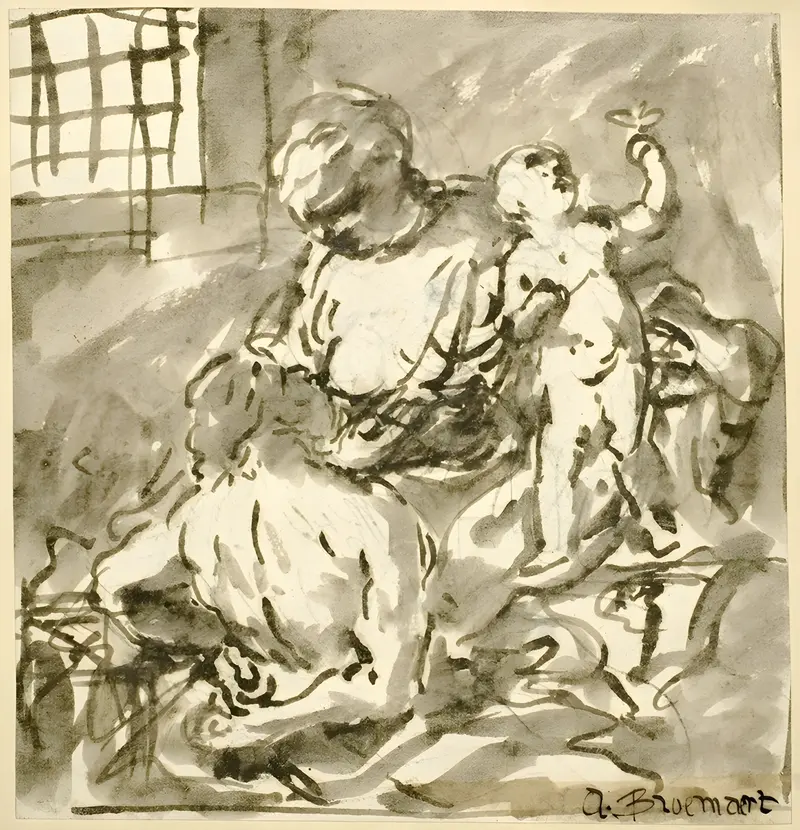
Caritas Romana
Abraham Bloemaert
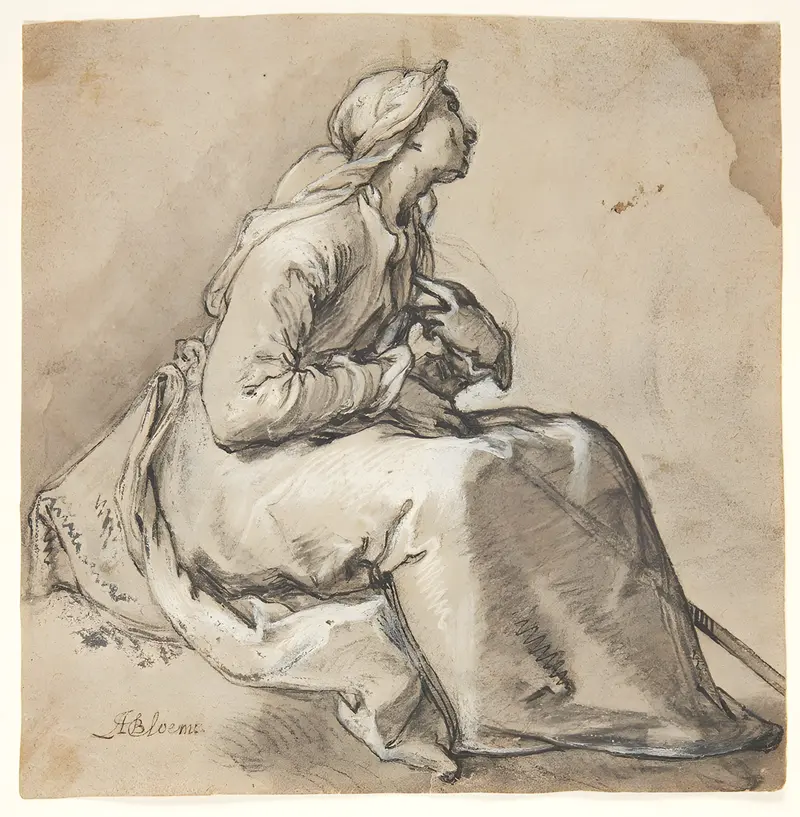
A seated woman facing right
Abraham Bloemaert
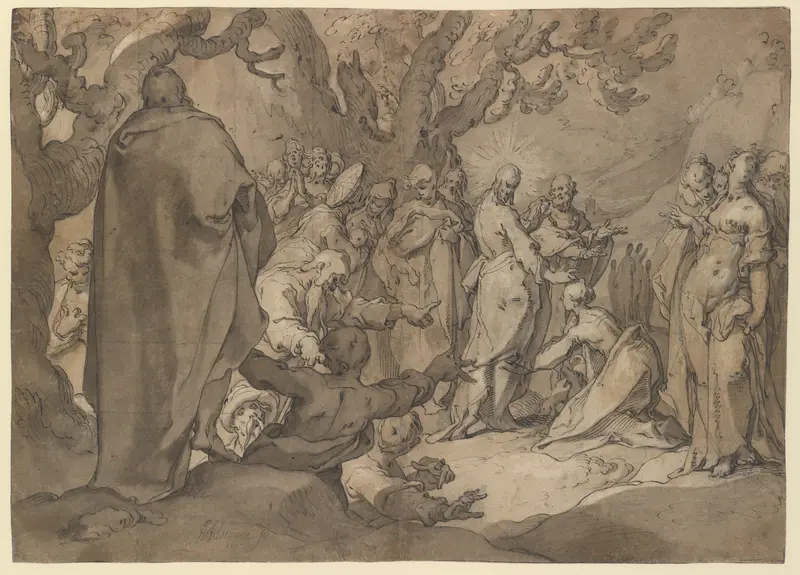
Christ and the Canaanite Women
Abraham Bloemaert
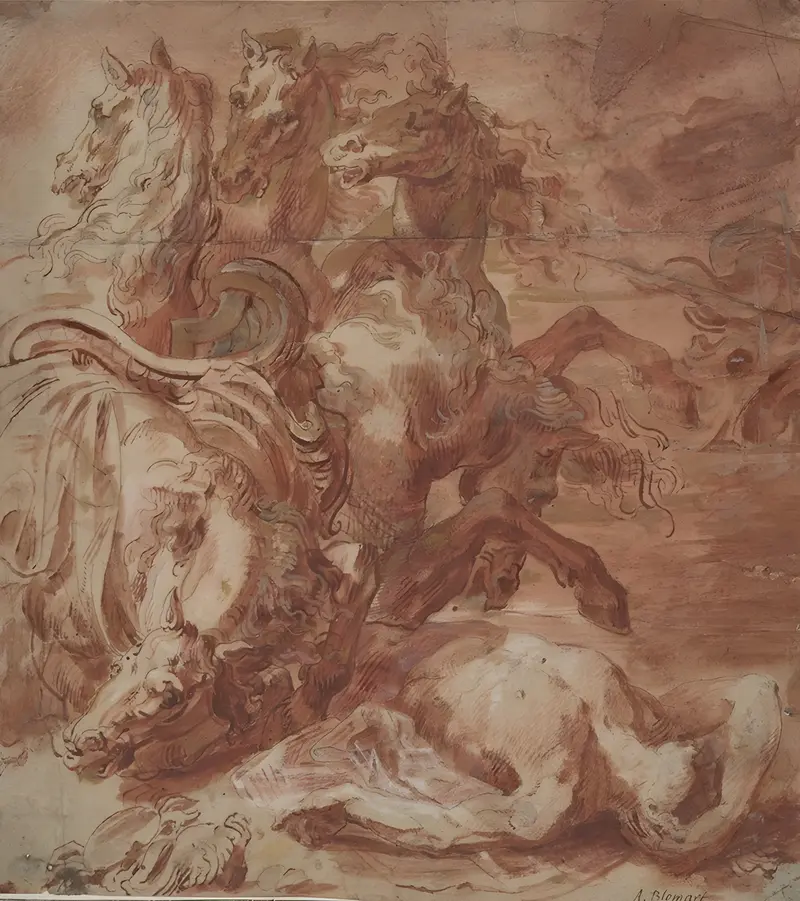
Hippolytus
Abraham Bloemaert
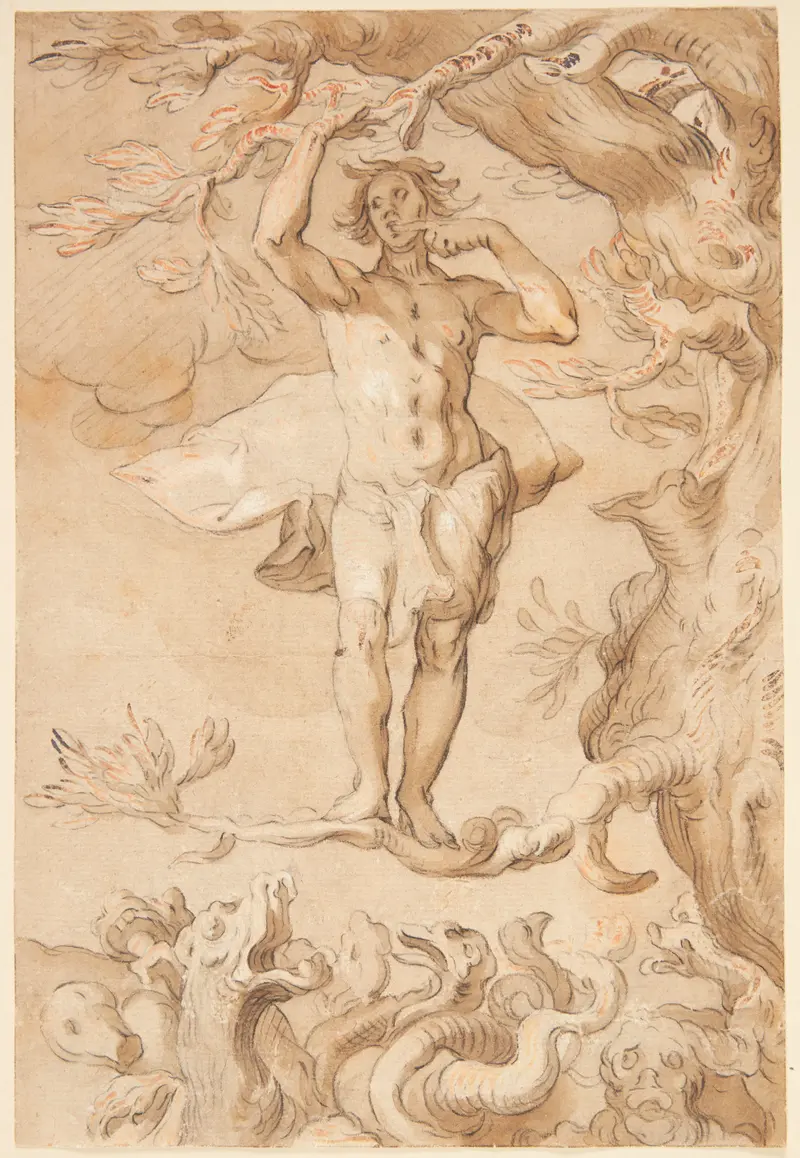
Den menneskelige glædes skrøbelighed En mand, der jages af en drage, klynger sig til en gren, mens han slikker honning af sin finger
Abraham Bloemaert

Moses Striking the Rock
Abraham Bloemaert
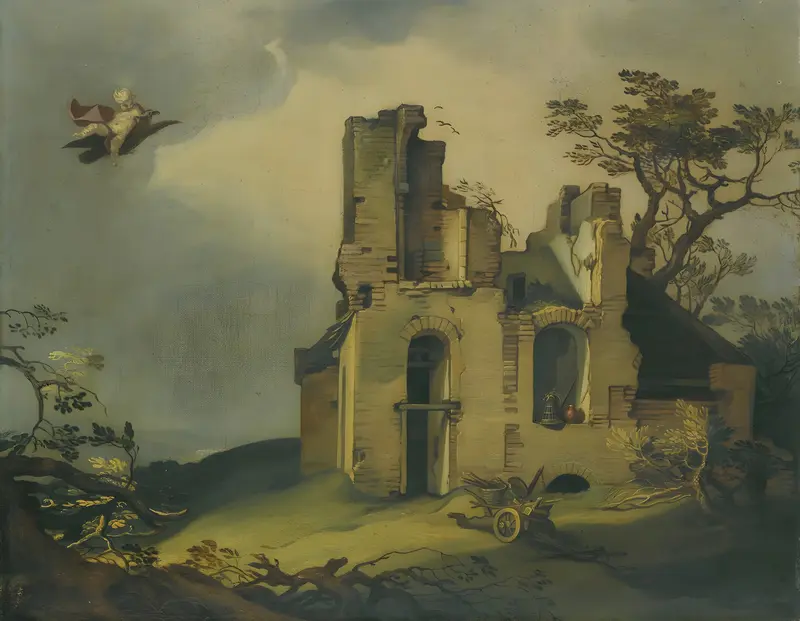
A Landscape With Ruins, With The Rape Of Ganymede
Abraham Bloemaert





