
Eiserne Brücke G 17693 Lenbachhaus — History & Facts
The first thing that seizes the eye in Eiserne Brücke is the way the bridge itself slices across the canvas, a dark, geometric armature holding together a world of shifting color planes. Notice how the iron structure is rendered not with fussy detail, but with bold, almost schematic lines, as if the artist is less interested in the bridge as an object and more in its power to divide and connect the space. The river below is a cool, mottled expanse, its surface broken by hints of green and blue, while the banks and buildings rise in simplified, angular forms.
There is no sign of human presence, yet the painting hums with a sense of waiting—perhaps for the first footstep on the bridge, or the first ripple in the water. Created in 1911, this work stands at the threshold of a new era in European painting, when artists like Alexander Kanoldt were experimenting with structure and abstraction in response to the changing cityscape. Industrial bridges, once mere feats of engineering, became icons of modernity and the uneasy beauty of progress. The painting now belongs to the collection of the Lenbachhaus, a museum known for its holdings of early twentieth-century German art.
History has kept few traces of this specific bridge or its commission, but the painting itself invites us to linger—asking what it means to cross from one world to another, and how the simplest structures can become symbols of an age.
More Artworks by Alexander Kanoldt

Kreuzgang I
Alexander Kanoldt
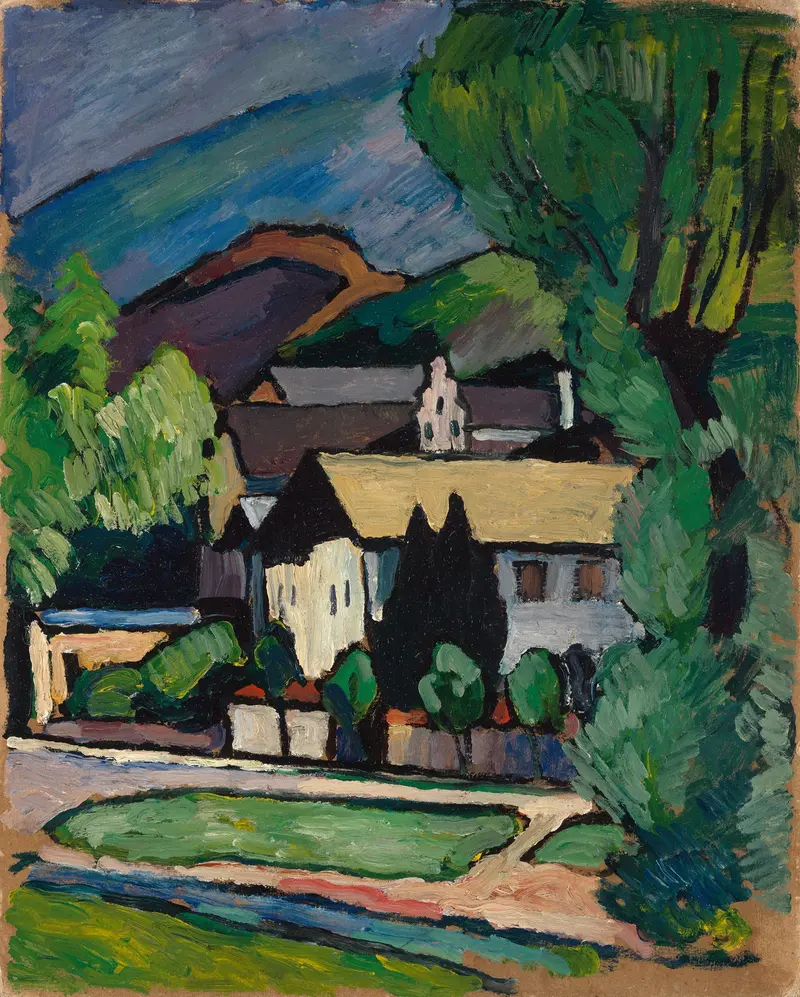
Bayerische Dorfhäuser unter Bäumen
Alexander Kanoldt
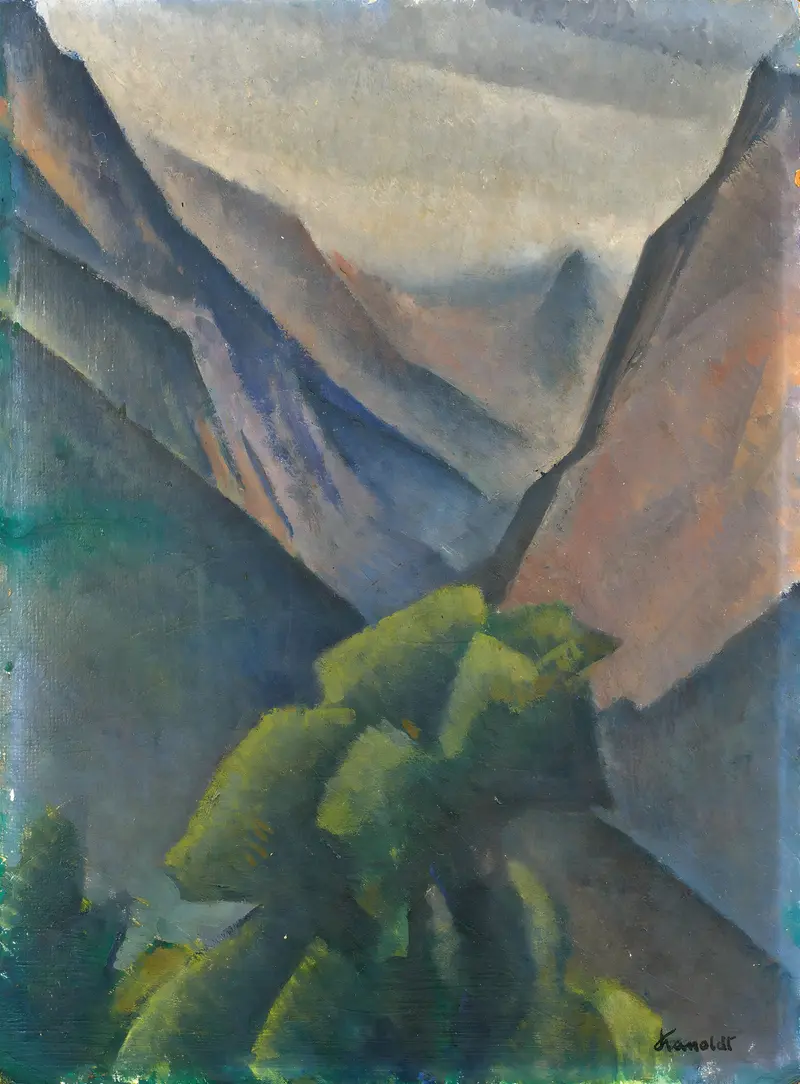
Gebirgsansicht
Alexander Kanoldt
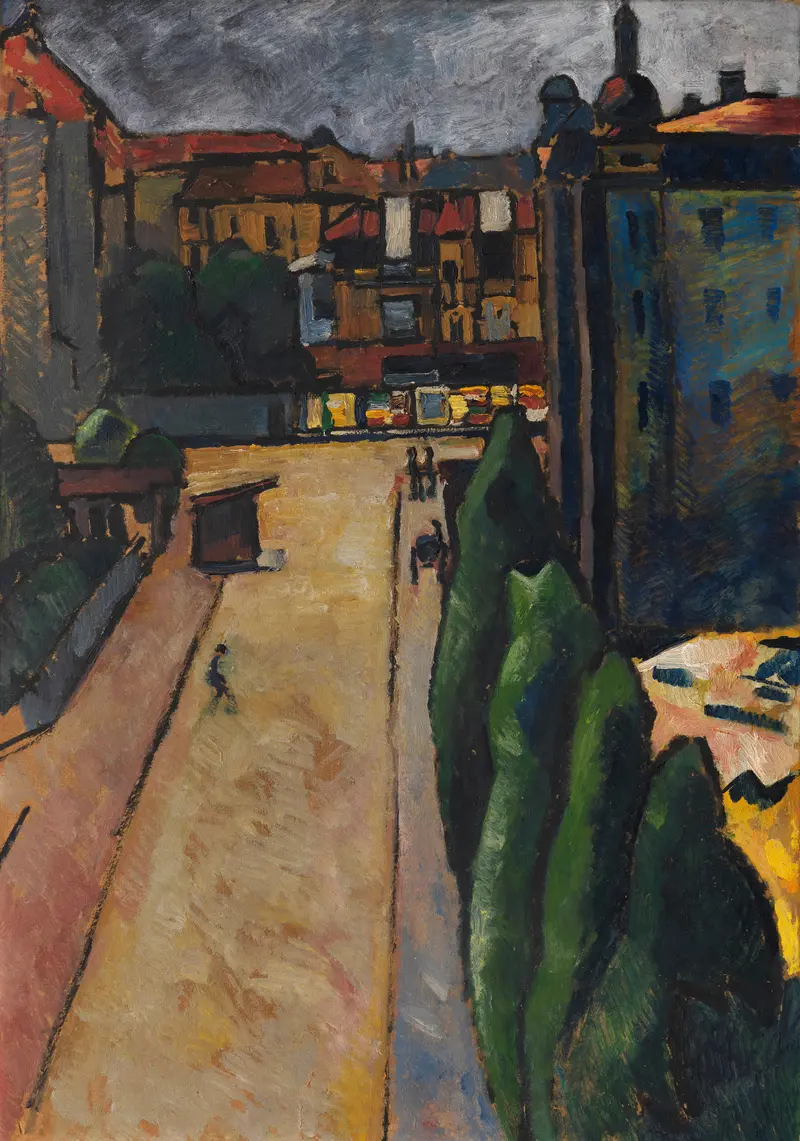
Straßenbild I
Alexander Kanoldt
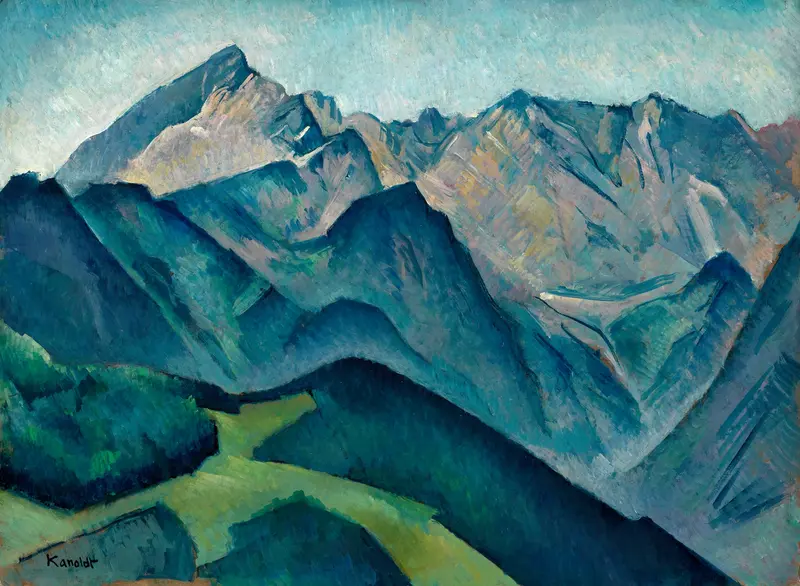
Blick auf die Alpspitze
Alexander Kanoldt

Wiesenlandschaft mit Gehöft
Alexander Kanoldt
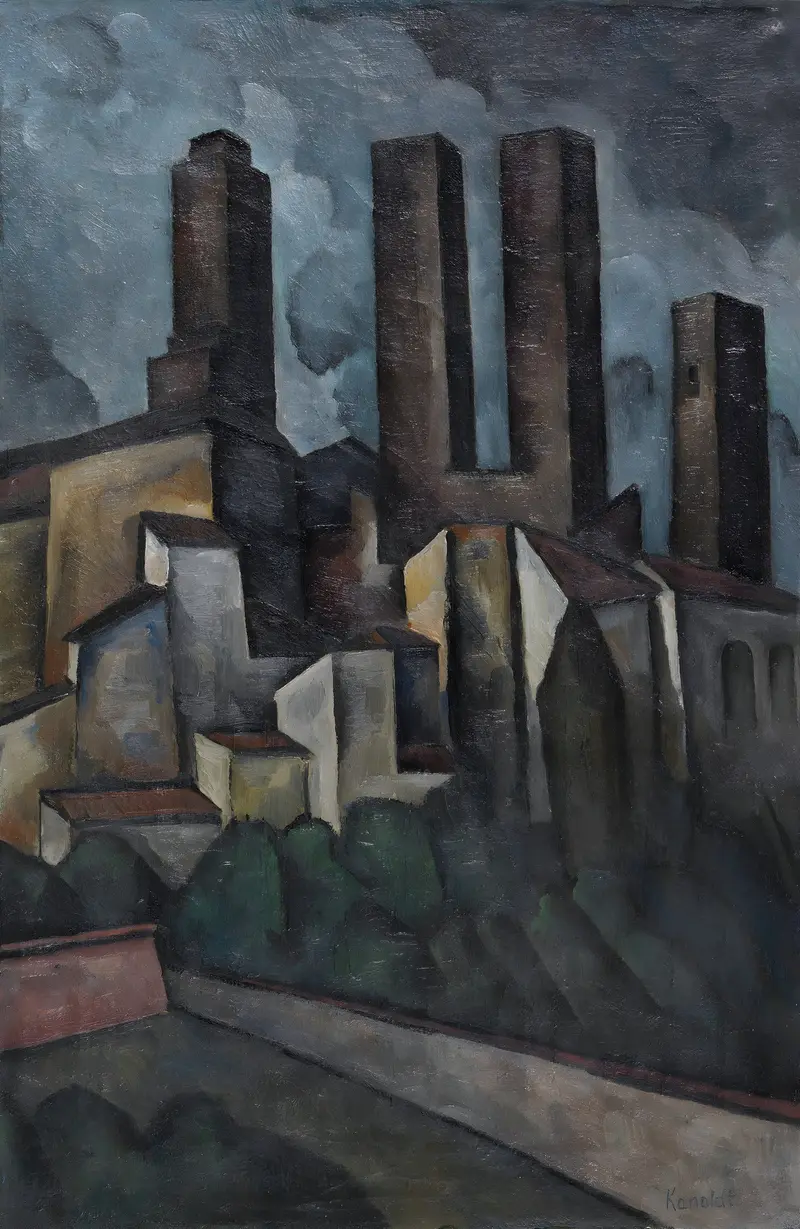
San Gimignano
Alexander Kanoldt
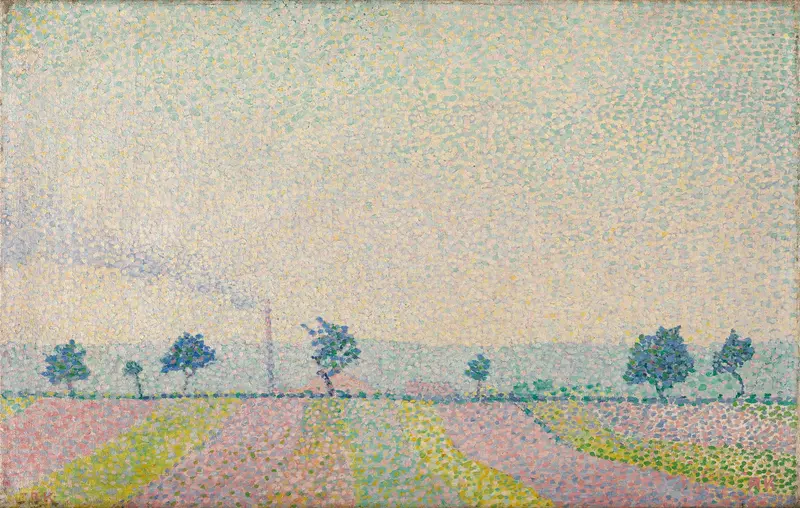
Morgensonne
Alexander Kanoldt
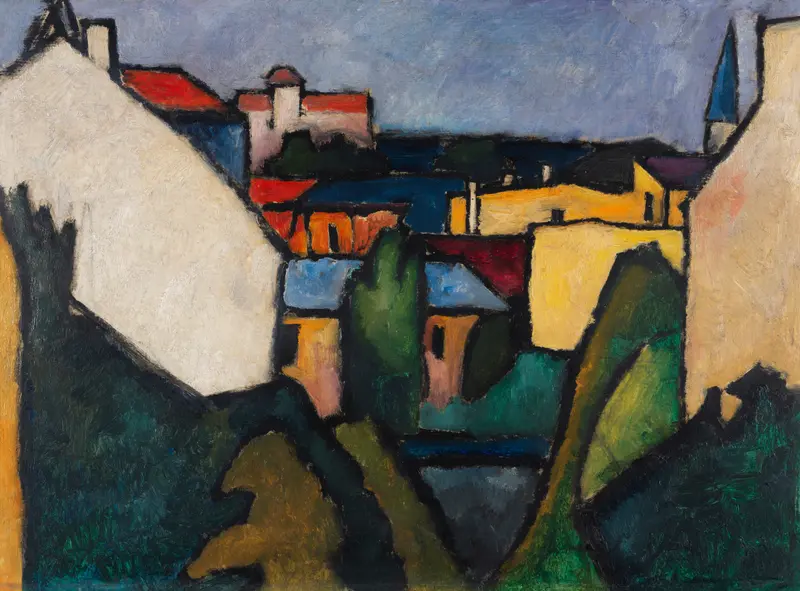
Häuser
Alexander Kanoldt
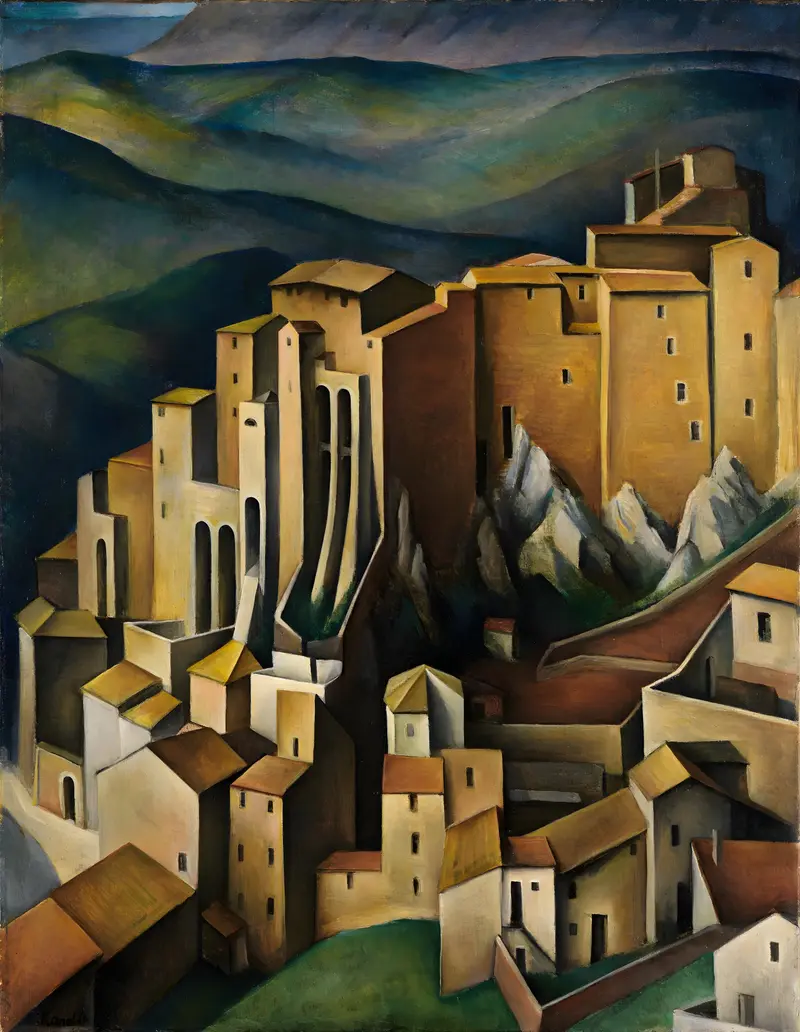
Olevano
Alexander Kanoldt
More Landscape Art

The Starry Night
Vincent van Gogh

View of Delft
Johannes Vermeer

Water Lilies
Claude Monet

The Grand Canal, Venice, looking north-west from the Ca' Corner to the Ca' Contarini degli Scrigni, with the campanile of Santa Maria della Carità
Canaletto

Windsor Castle
Canaletto

The Grand Canal looking North-East from the Palazzo Dolfin-Manin to the Rialto Bridge
Canaletto