El Mar — History & Analysis
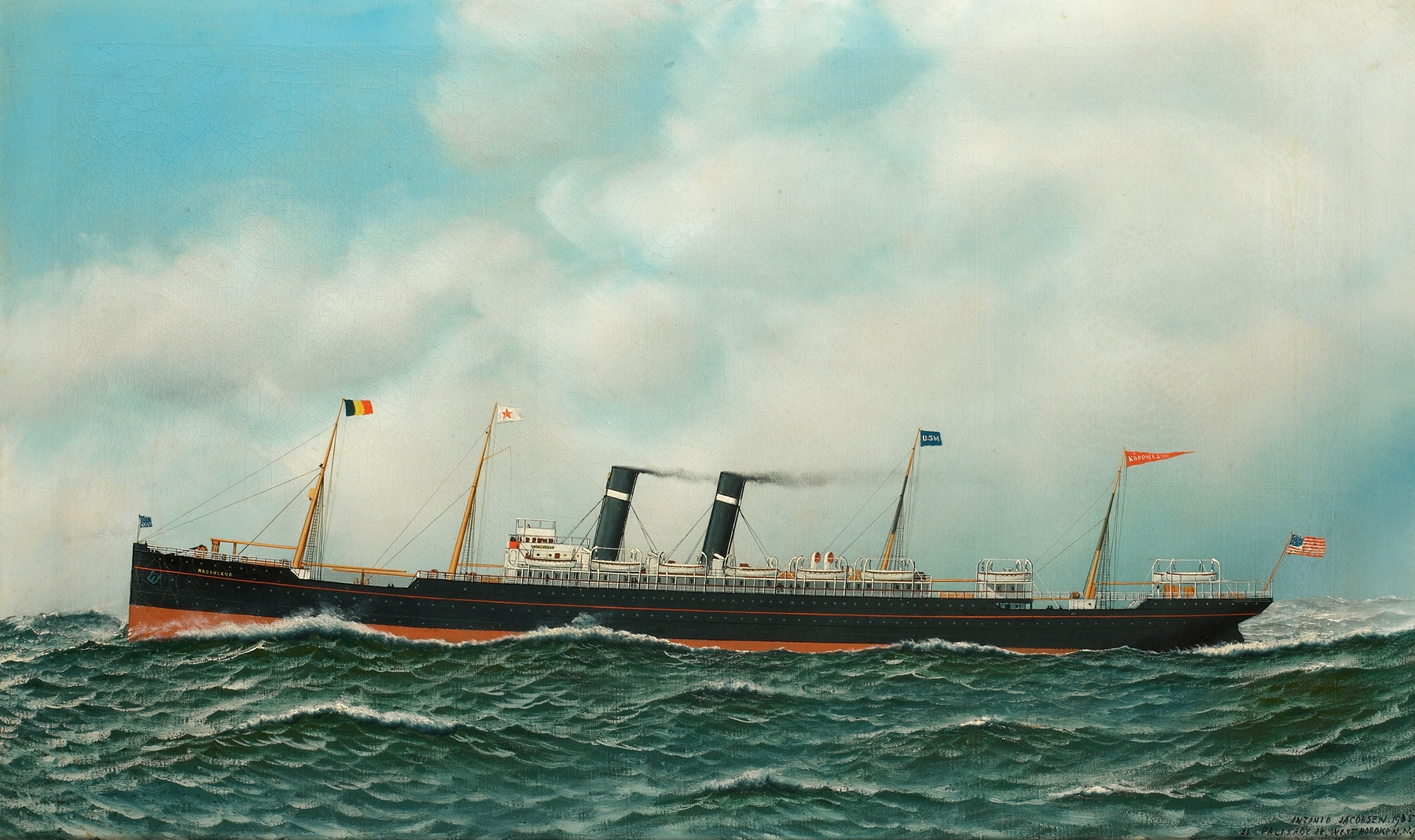
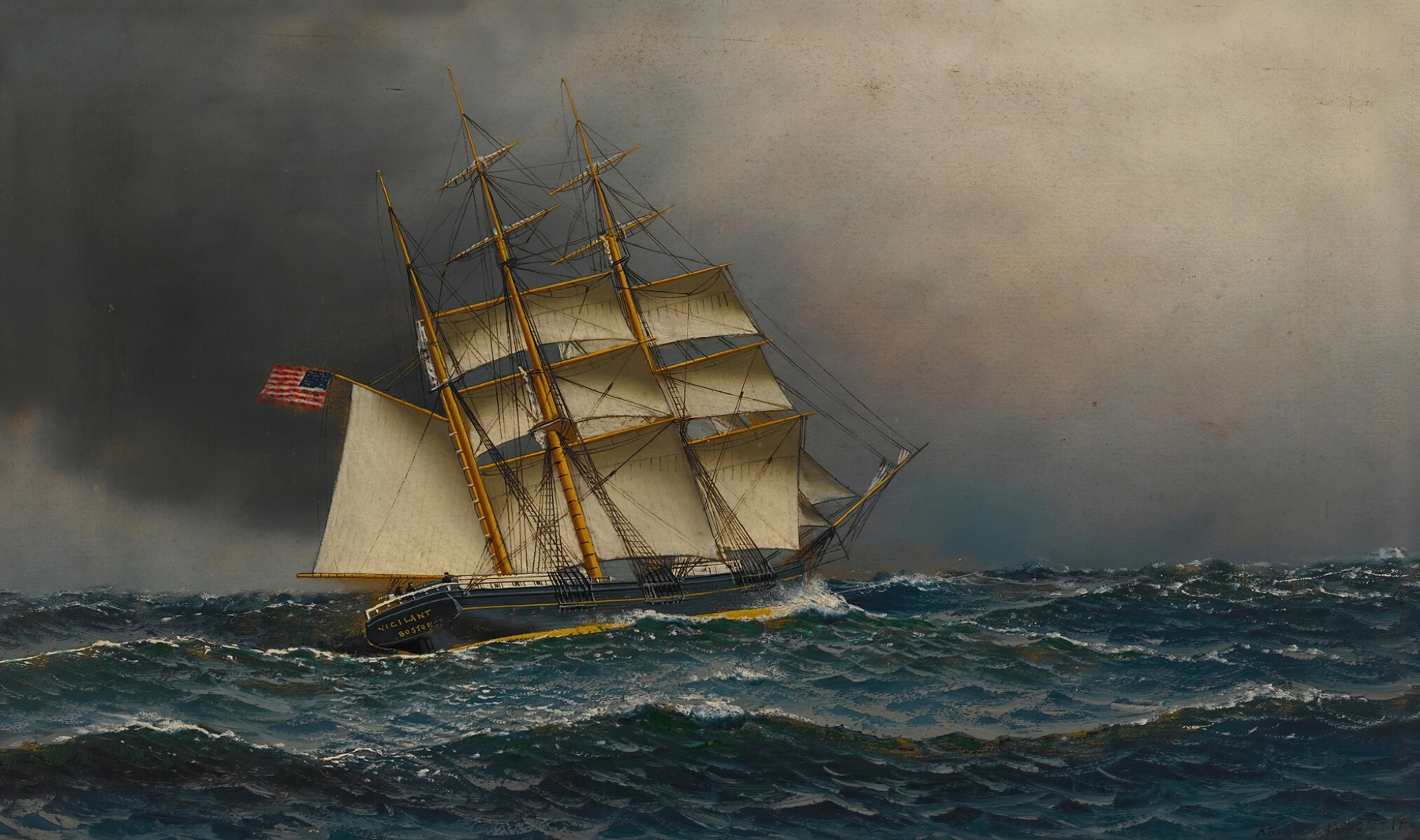
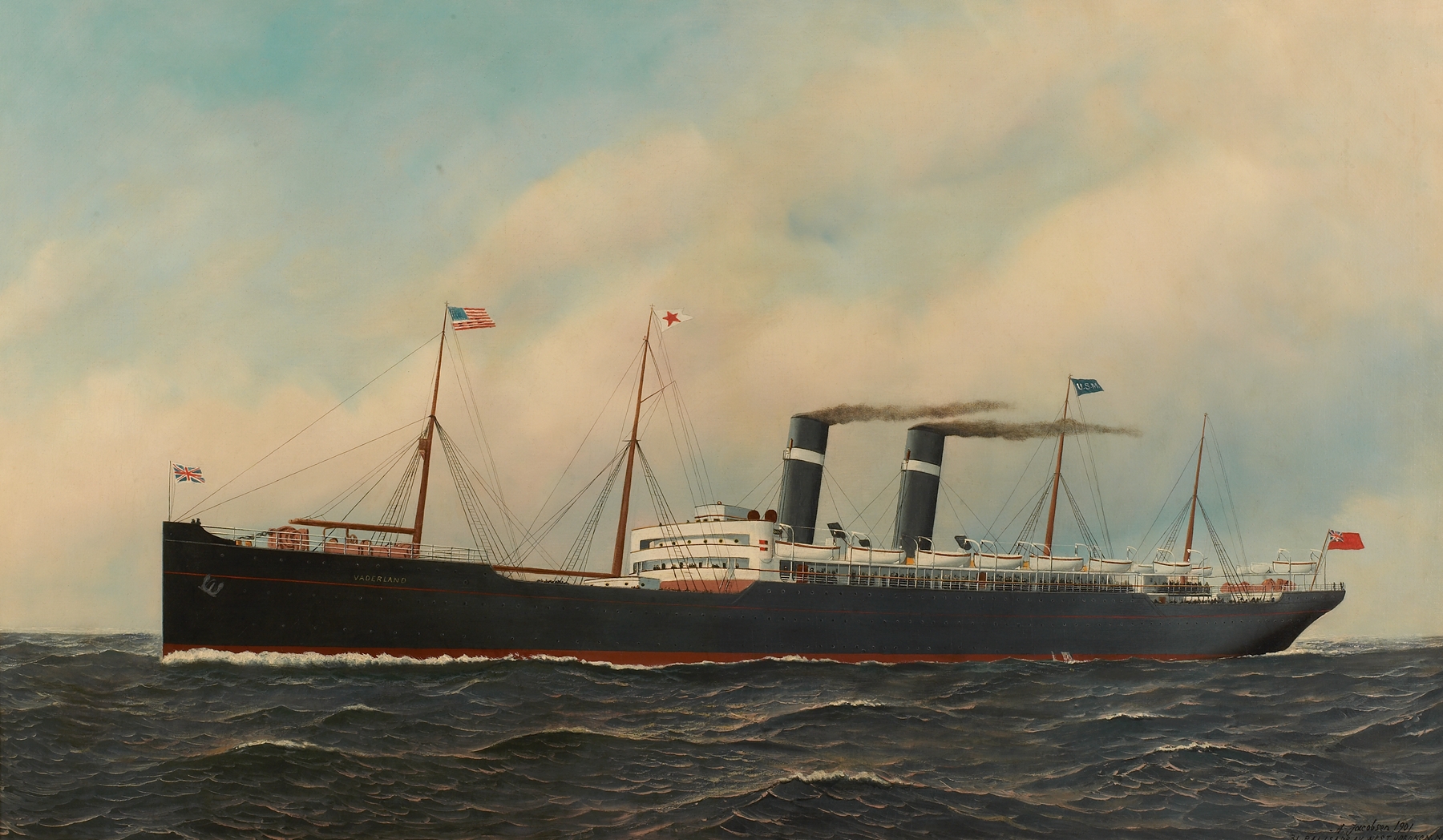
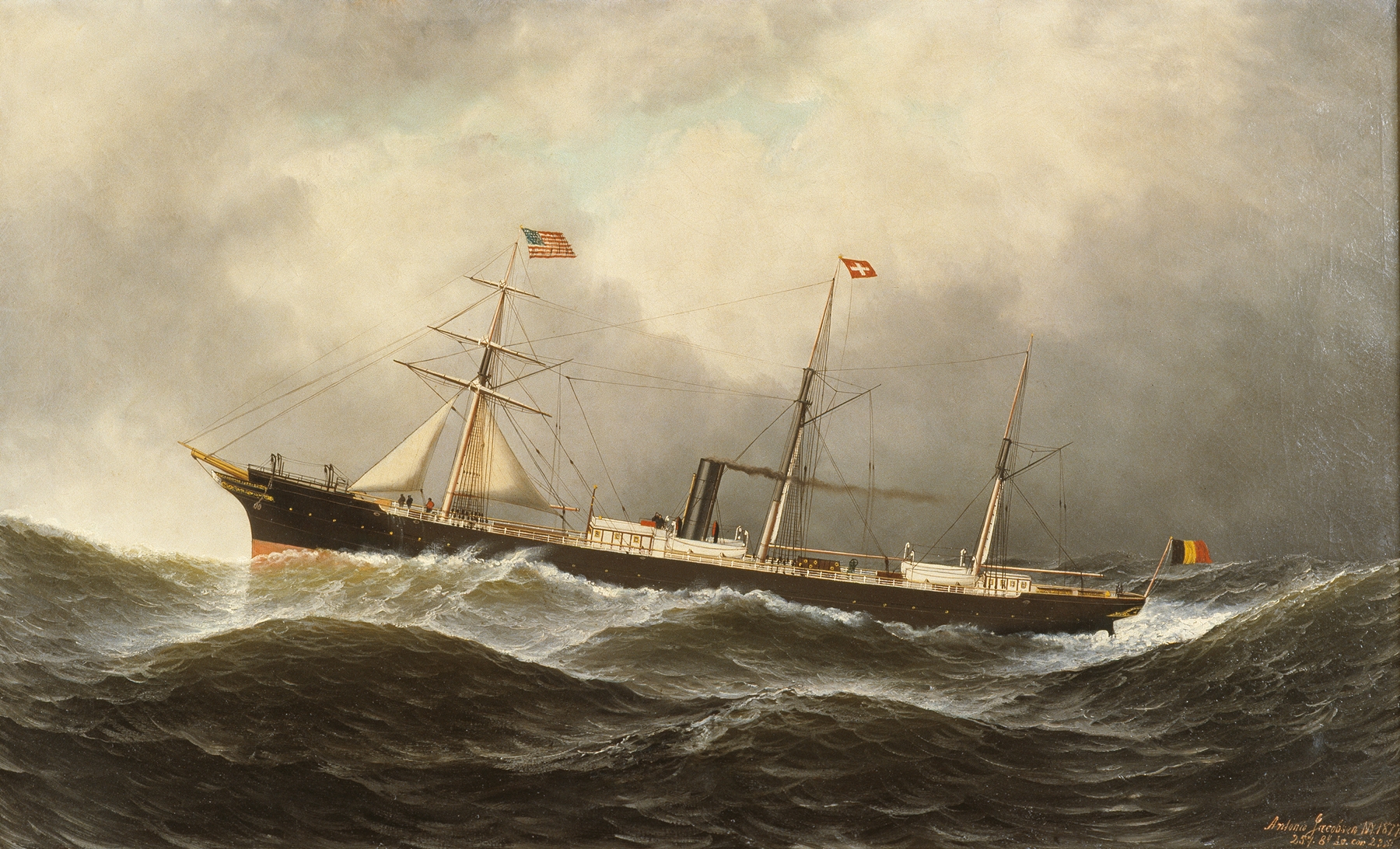
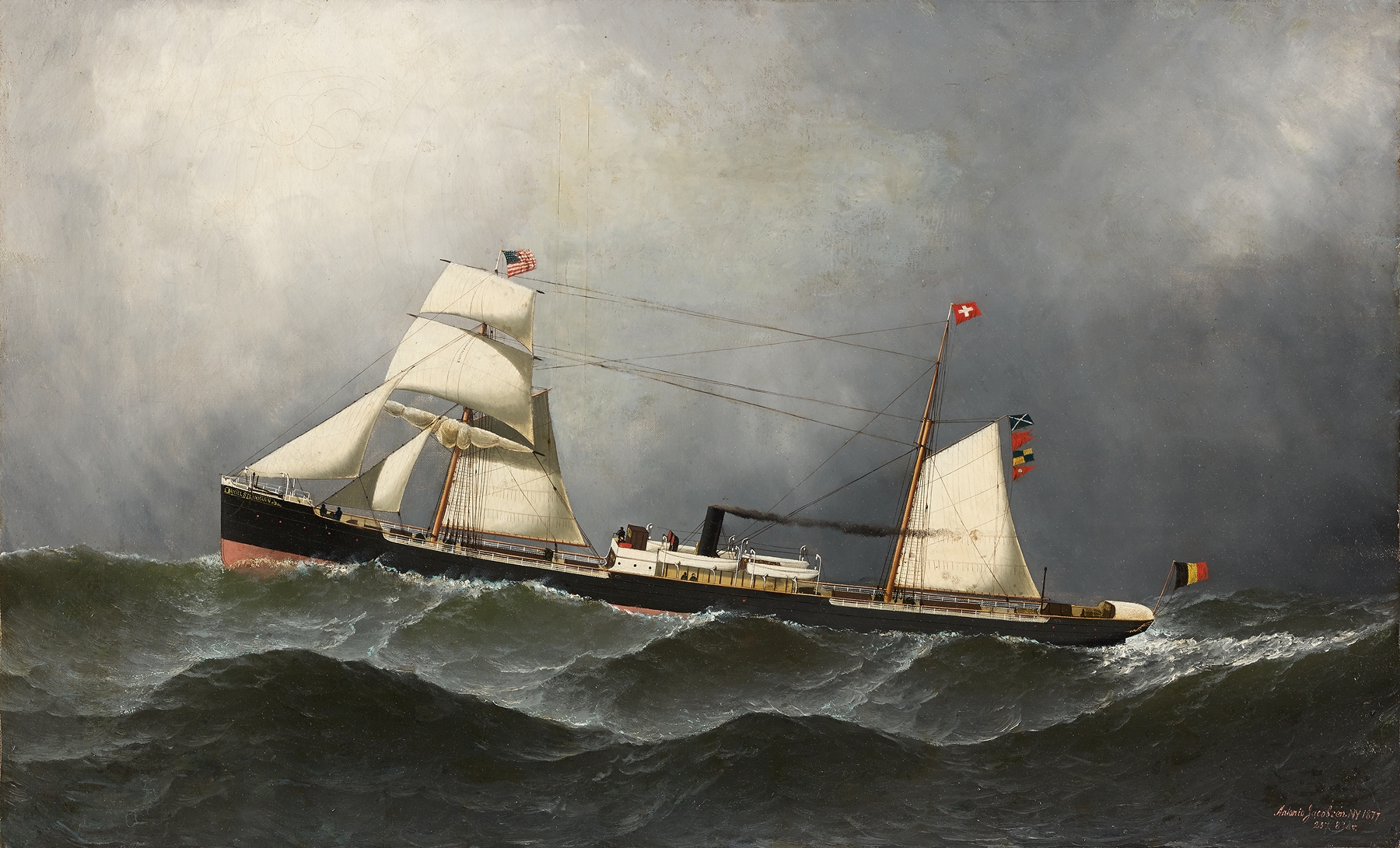
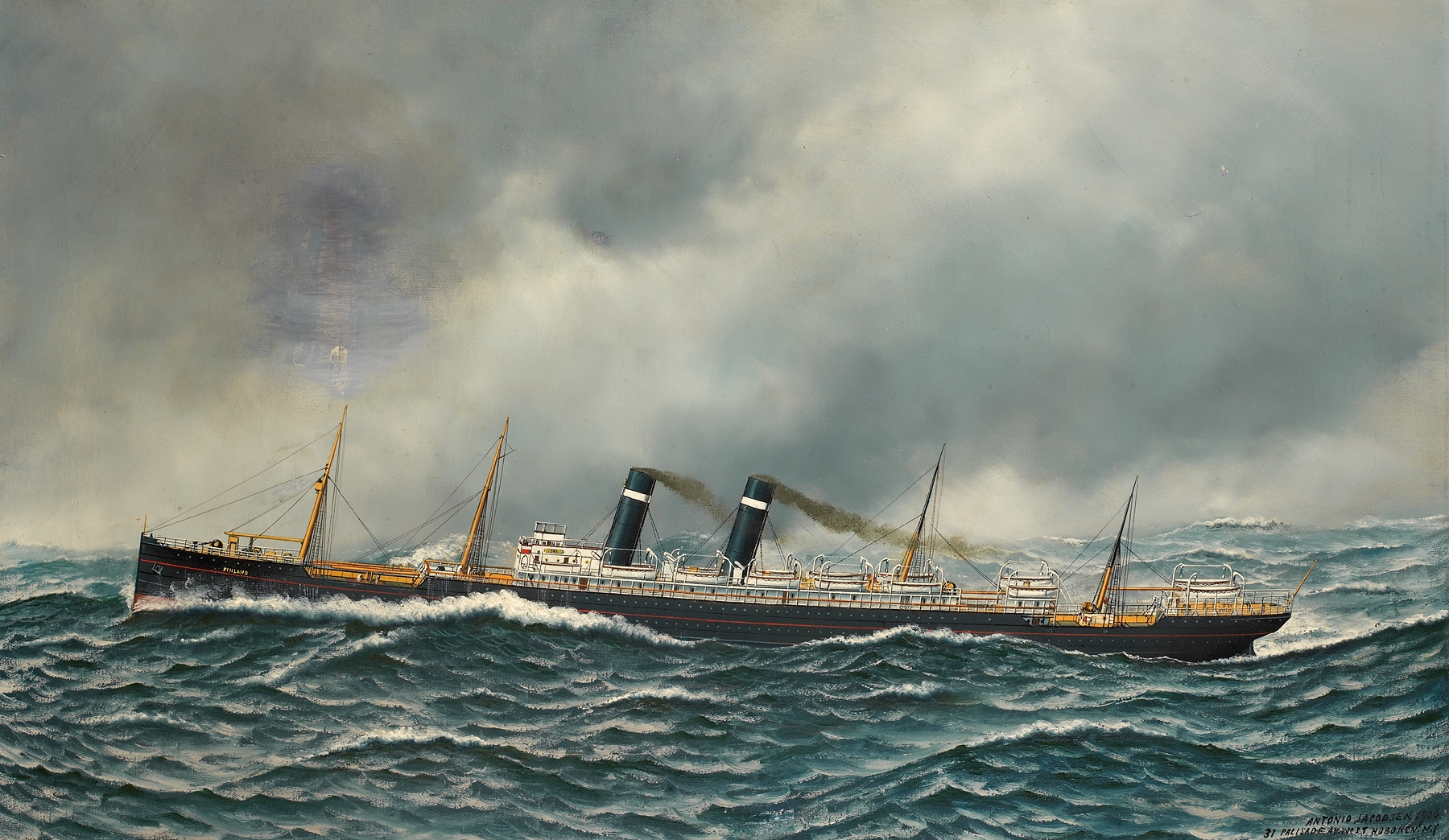
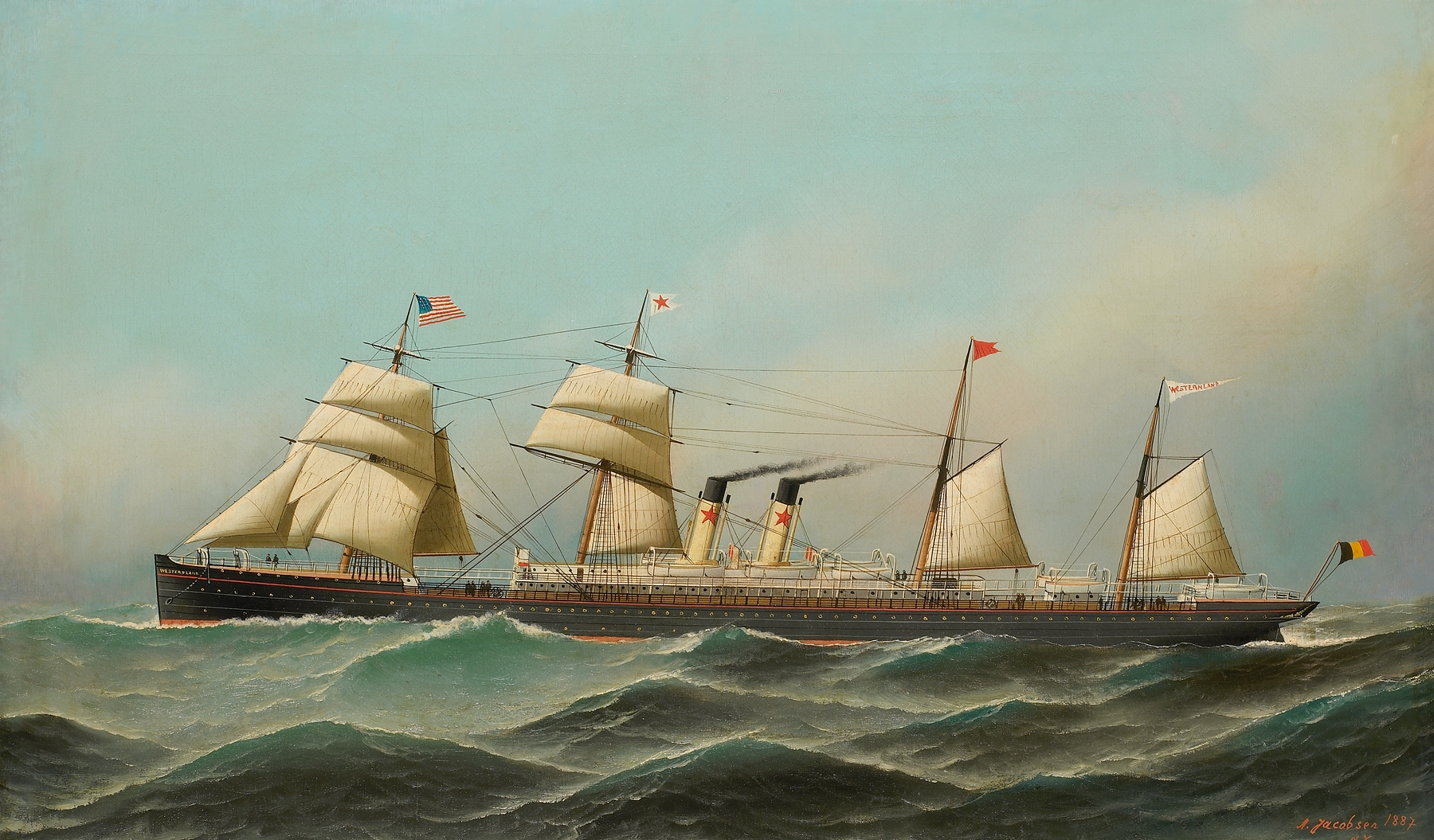
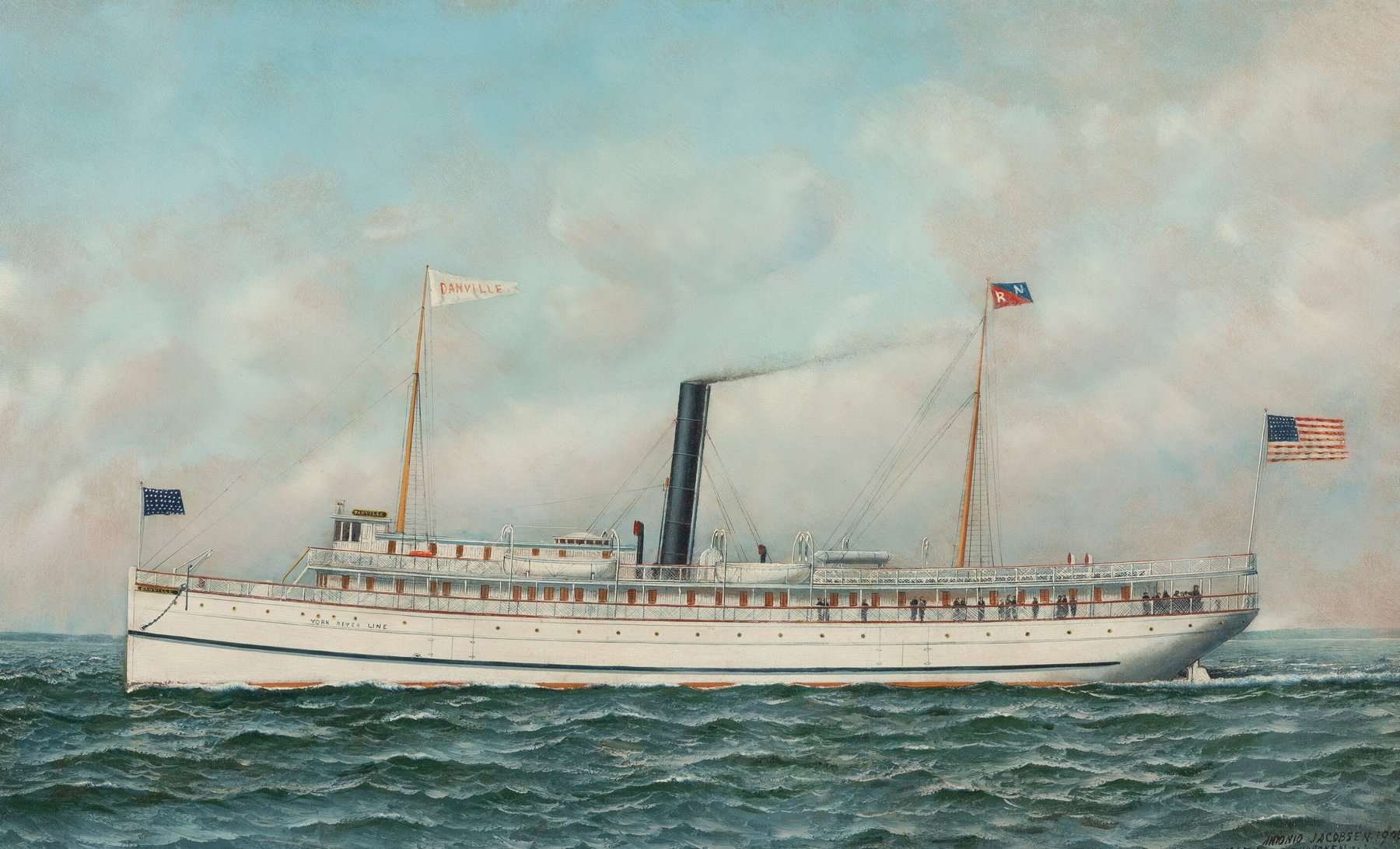
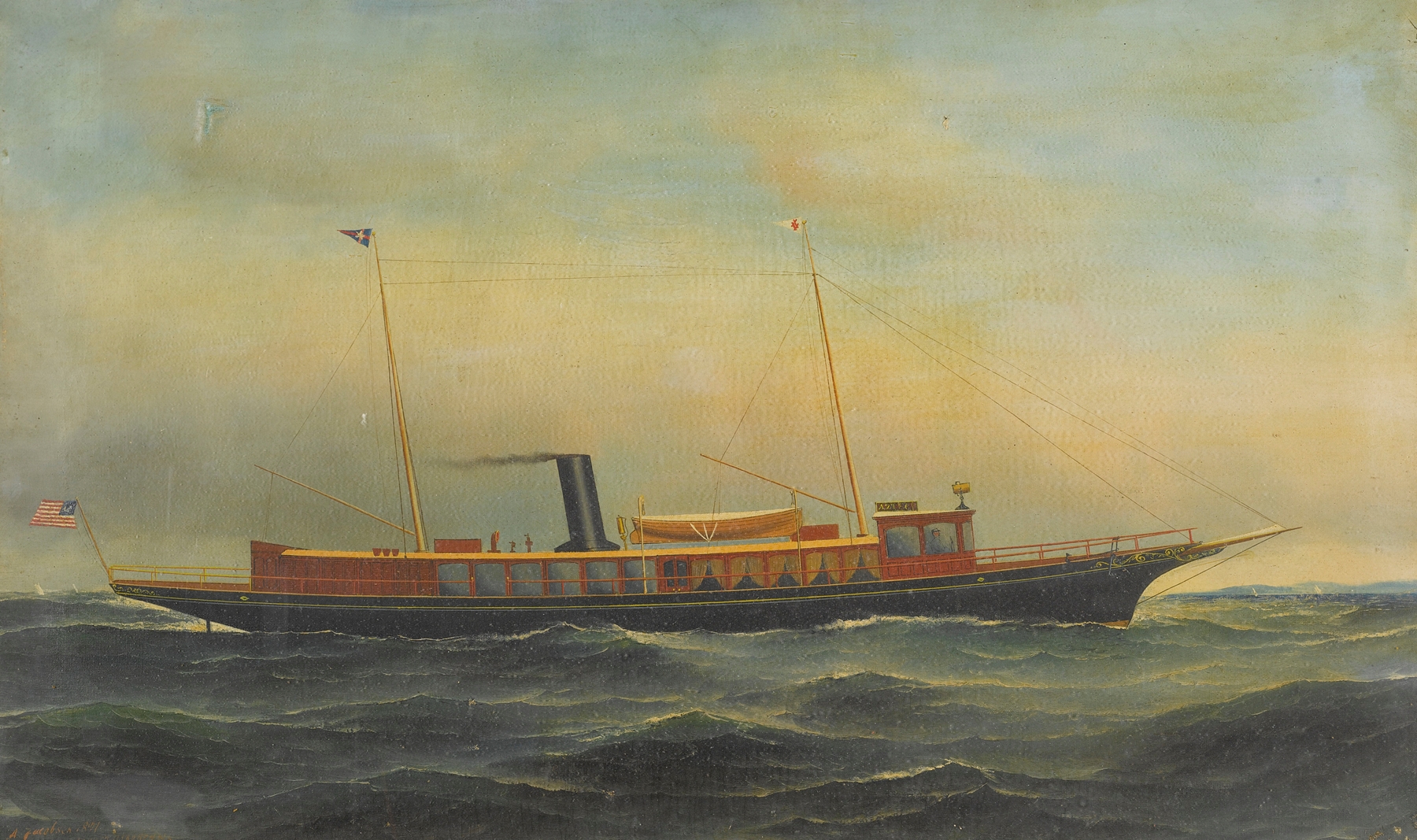
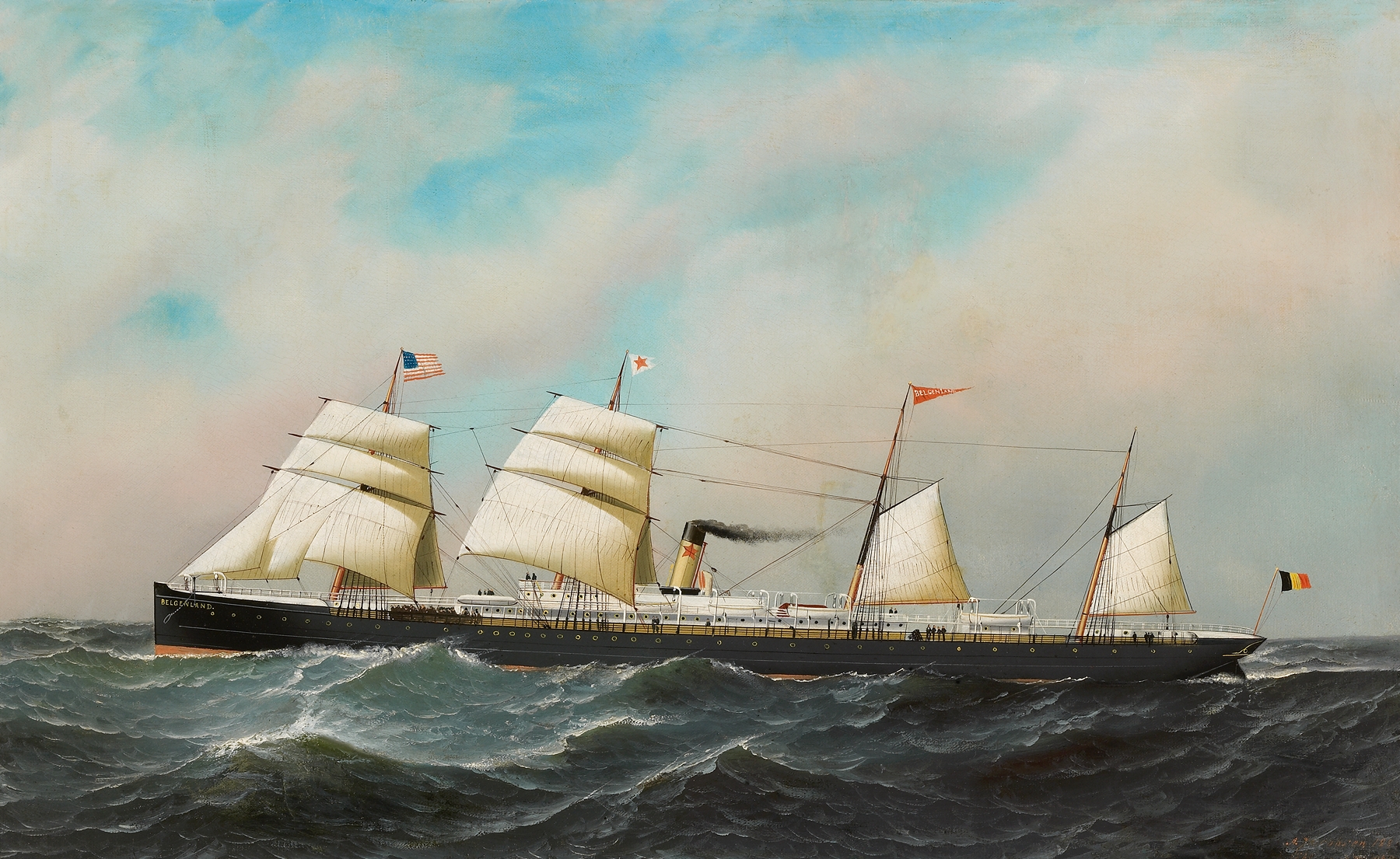
Could a single brushstroke hold eternity? In the hands of Antonio Jacobsen, the illusion of the boundless sea becomes a breathtaking reality, captivating the viewer's imagination with its vastness and depth. Focus on the horizon line where the deep blue waves kiss the cerulean sky, creating a sense of infinite space. The ship, with its sails billowing, draws the eye as it navigates the turbulent waters.
Notice how the delicate brushstrokes convey the sea's movement — a rhythmic dance that seems to pulse with life. The interplay of light and shadow adds a layer of drama, highlighting the ship's majestic form against the churning backdrop. Yet, beneath this serene exterior lies a tension between nature's might and humanity's ambition. The ship, a symbol of exploration, faces the unknown — a reminder of mankind's relentless pursuit of discovery amidst the unfathomable depths.
The contrast between the vibrant colors of the ship and the darker tones of the ocean evokes feelings of vulnerability and courage, inviting reflection on our own journey through uncharted waters. Antonio Jacobsen painted El Mar in 1895 during a time of flourishing maritime trade and exploration. Working in New Jersey, he was inspired by the ships of his era, capturing the nuances of their designs and the essence of maritime life. This period marked an artistic shift in which painters sought to convey the relationship between humanity and the expansive natural world, a theme that is palpably present in this work.