
Emmaus Disciples — History & Facts
What grips the viewer first in Emmaus Disciples is the charged hush that seems to hang in the candlelit air, as if the very moment of recognition is suspended between breaths. The light, warm and direct, falls across the faces and hands of the figures, pulling them out from the darkness and gathering the drama tightly around the table. Every gesture is a clue: the older man leans forward, hands pressed to his chest in startled realization, while the figure in the broad-brimmed hat throws up his hand in a mixture of surprise and awe.
At the center, the calm, steady gaze of Christ anchors the scene, his hands poised as if blessing or breaking bread, and the servant, half in shadow, looks on with gentle curiosity. The table itself is a stage, set with simple food and flanked by two glowing candles that double as both literal and spiritual illumination. Painted in 1622, this work belongs to a world where religious stories were not distant legends but living dramas, meant to be felt as much as understood. In the Dutch and Flemish tradition of the early seventeenth century, scenes like this were commissioned for private devotion or for display in homes, inviting viewers to place themselves at the table, to experience the shock and wonder of revelation firsthand.
The artist, Abraham Bloemaert, was known for his versatility and for bridging the styles of Mannerism and the emerging Baroque, and in this painting, you can sense both the theatrical composition and the new taste for realism and psychological depth. Though history has kept few traces of this specific canvas beyond its date and subject, it stands as a vivid example of how painters of the era used light, gesture, and everyday objects to make the sacred immediate—urging us to linger over every detail, as if we too might recognize something unexpected in the familiar glow.
More Artworks by Abraham Bloemaert

Adam and Eve
Abraham Bloemaert
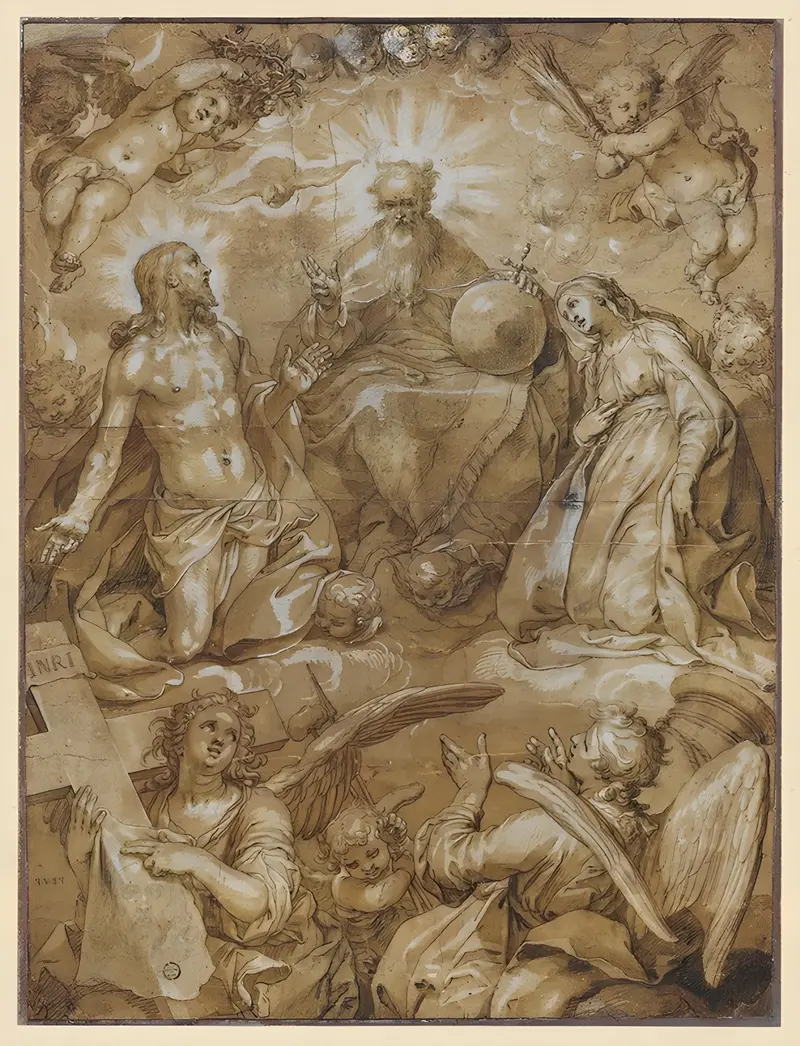
Intercession of Christ and Mary before God the Father
Abraham Bloemaert
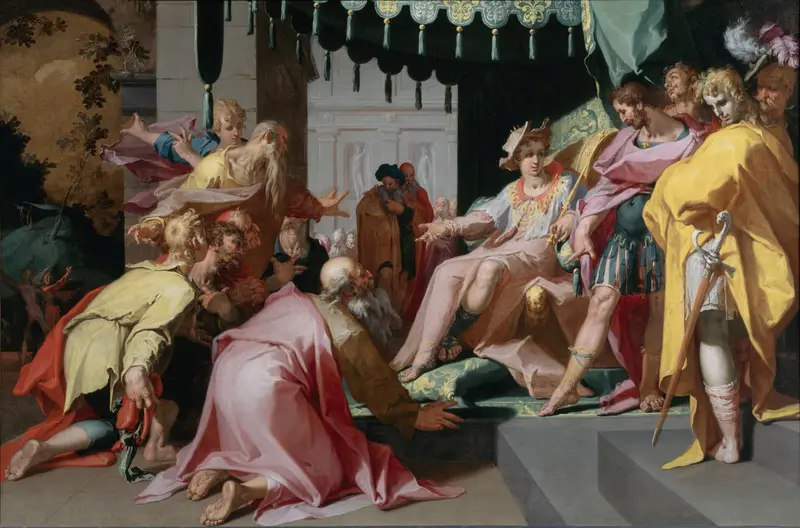
Joseph and his Brothers
Abraham Bloemaert
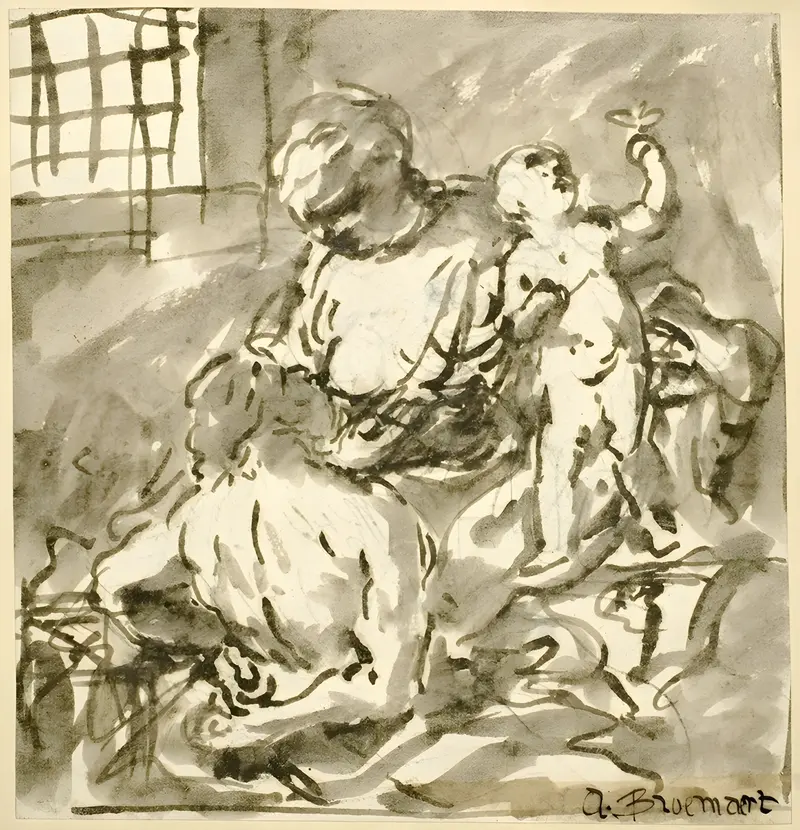
Caritas Romana
Abraham Bloemaert
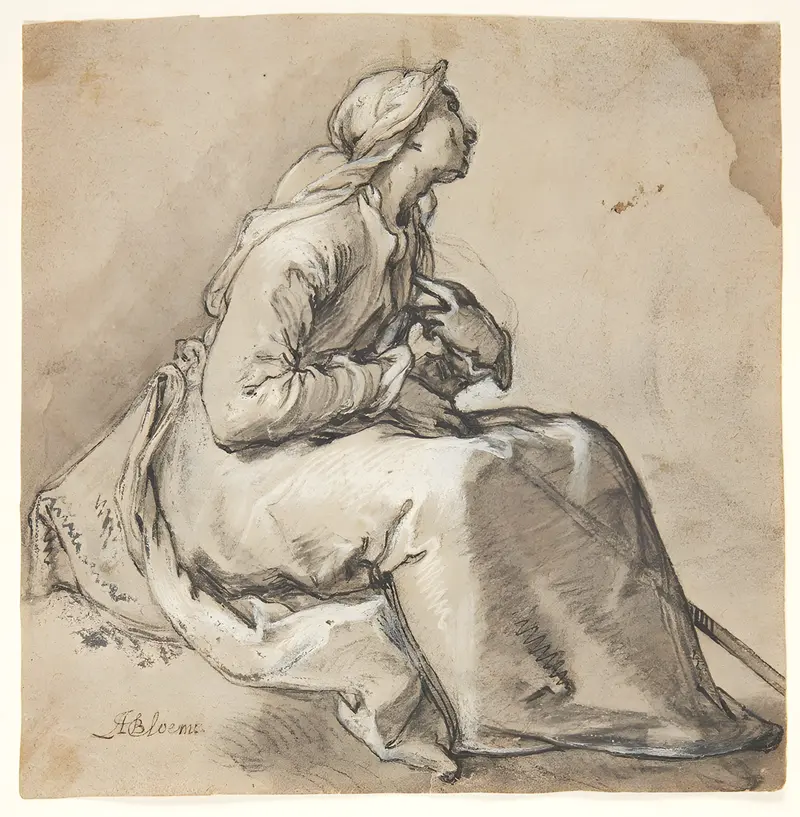
A seated woman facing right
Abraham Bloemaert
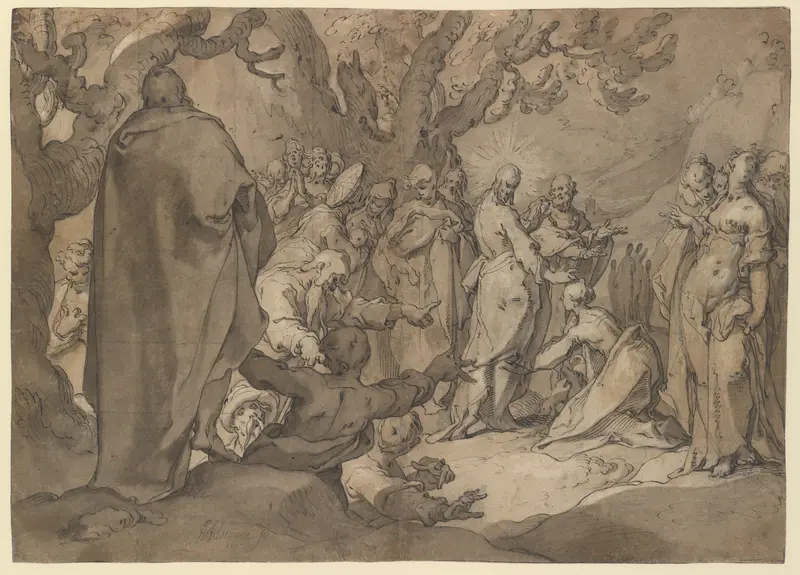
Christ and the Canaanite Women
Abraham Bloemaert
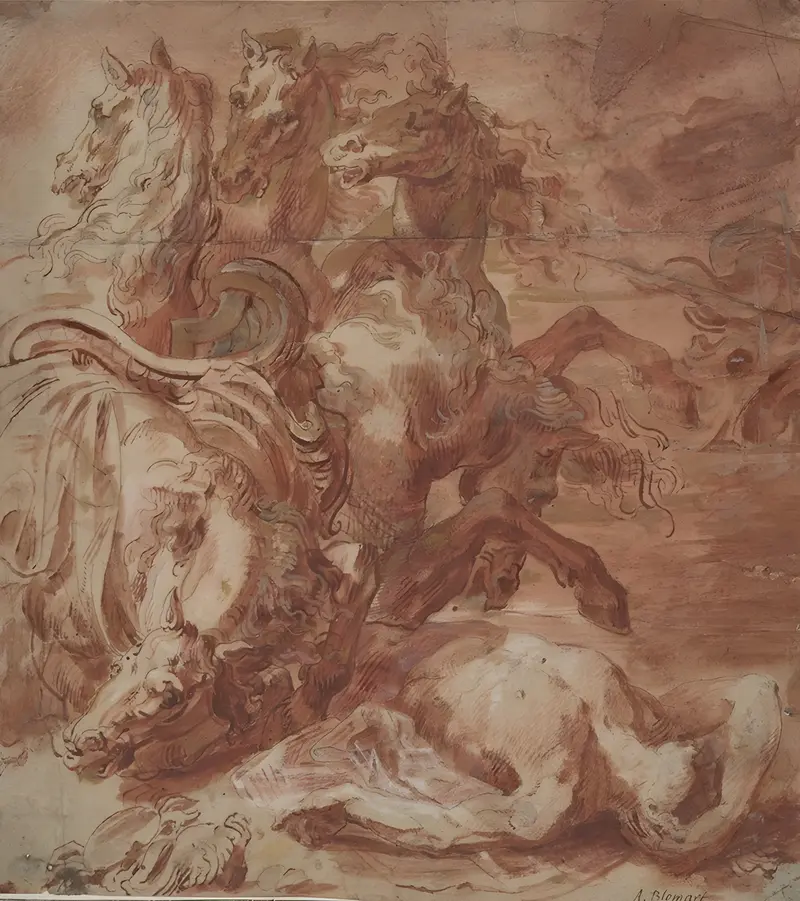
Hippolytus
Abraham Bloemaert
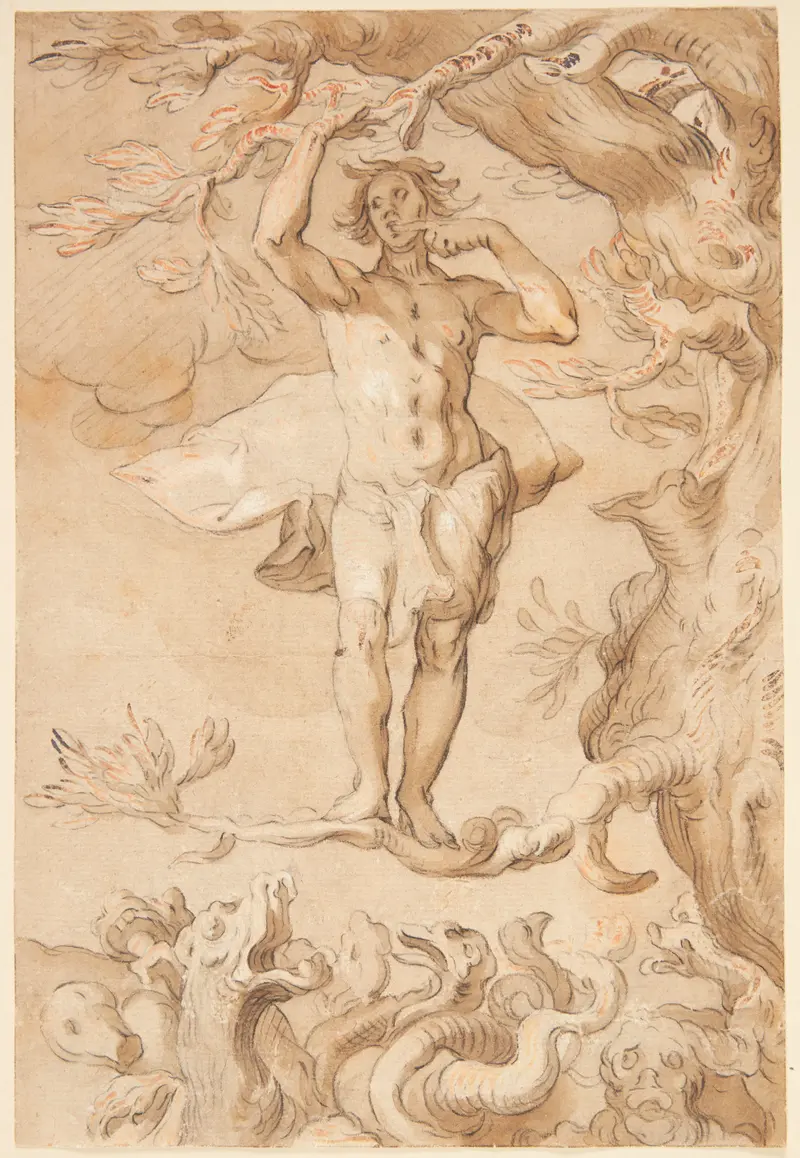
Den menneskelige glædes skrøbelighed En mand, der jages af en drage, klynger sig til en gren, mens han slikker honning af sin finger
Abraham Bloemaert

Moses Striking the Rock
Abraham Bloemaert
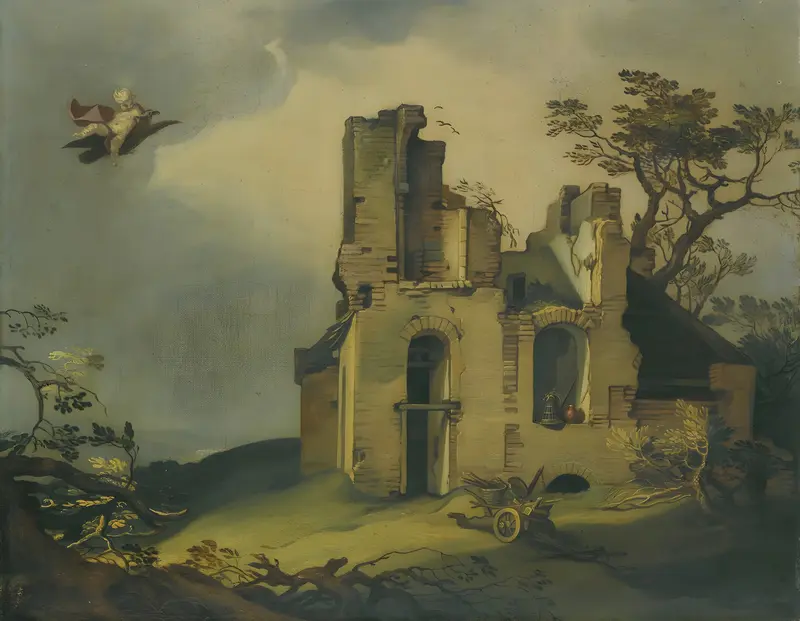
A Landscape With Ruins, With The Rape Of Ganymede
Abraham Bloemaert





