
Emperor Domitian — History & Facts
What first strikes the eye in Emperor Domitian is the sheer clarity with which the figure emerges from the darkness, as if history itself has conjured this Roman emperor back into the present. The profile is uncompromising, almost sculptural, with the laurel wreath crowning the subject as a symbol of victory and imperial authority. The artist’s handling of light draws attention to the smooth planes of the face and the subtle flush of the cheek, while the red cloak and gold clasp add a note of ceremonial grandeur.
The background, a deep, nearly featureless shadow, ensures that all attention remains fixed on the emperor’s youthful, almost idealized features. This is not a portrait of a particular moment, but an image meant to embody the idea of power itself. Works like this, inspired by the traditions of Renaissance and Baroque portraiture, were often created to evoke the virtues and authority of the ancient world for new audiences. In the centuries following the rediscovery of classical antiquity, European artists and patrons looked to Rome for models of leadership and virtue, commissioning portraits of emperors as both decoration and moral example.
Abraham Bloemaert—whose name appears on the frame—was known for his versatility and his ability to adapt classical themes for contemporary viewers, though the precise date and circumstances of this painting remain obscure. The work’s modern documented date and private collection status remind us how such images continue to circulate, inviting each new viewer to measure themselves against the calm, enigmatic gaze of power.
More Artworks by Abraham Bloemaert

Adam and Eve
Abraham Bloemaert
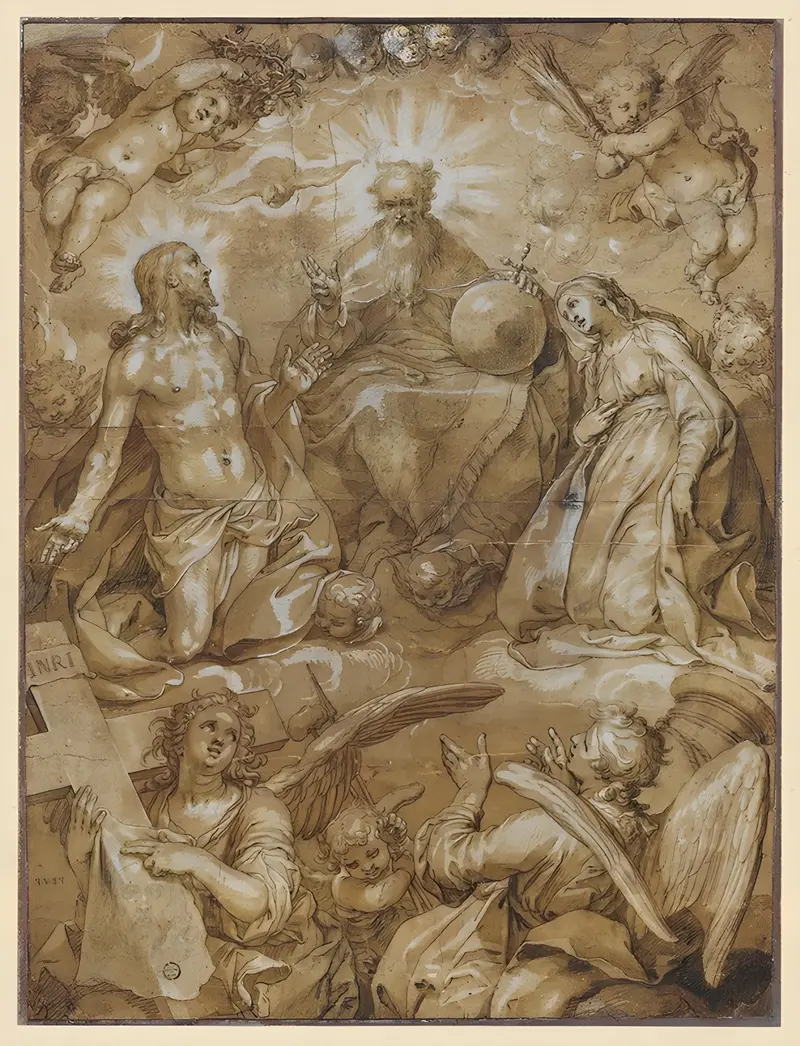
Intercession of Christ and Mary before God the Father
Abraham Bloemaert
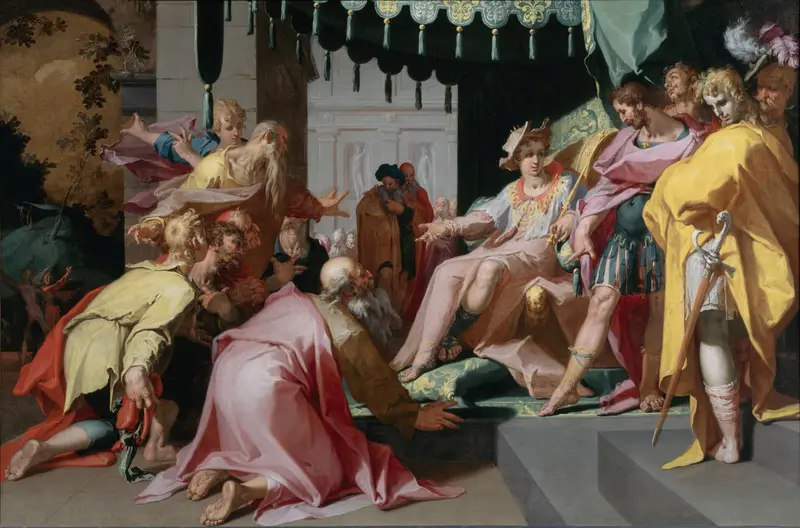
Joseph and his Brothers
Abraham Bloemaert
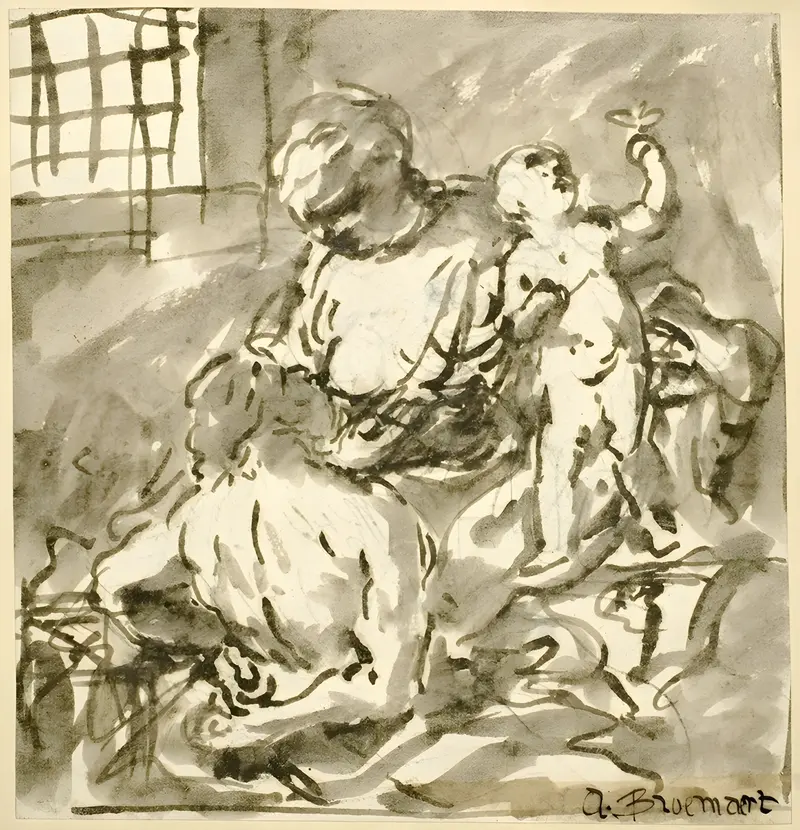
Caritas Romana
Abraham Bloemaert
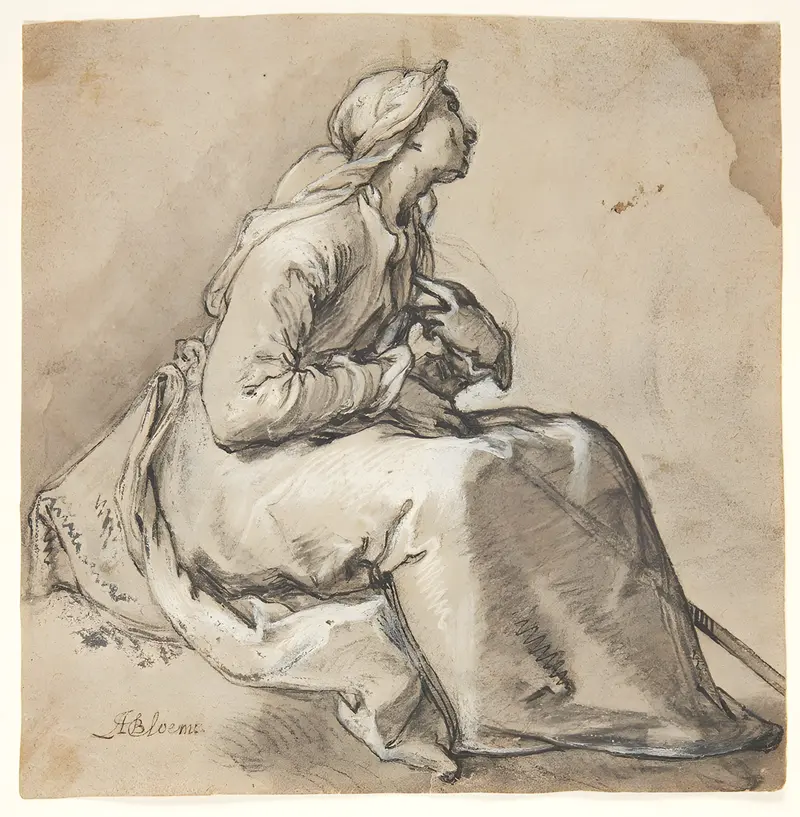
A seated woman facing right
Abraham Bloemaert
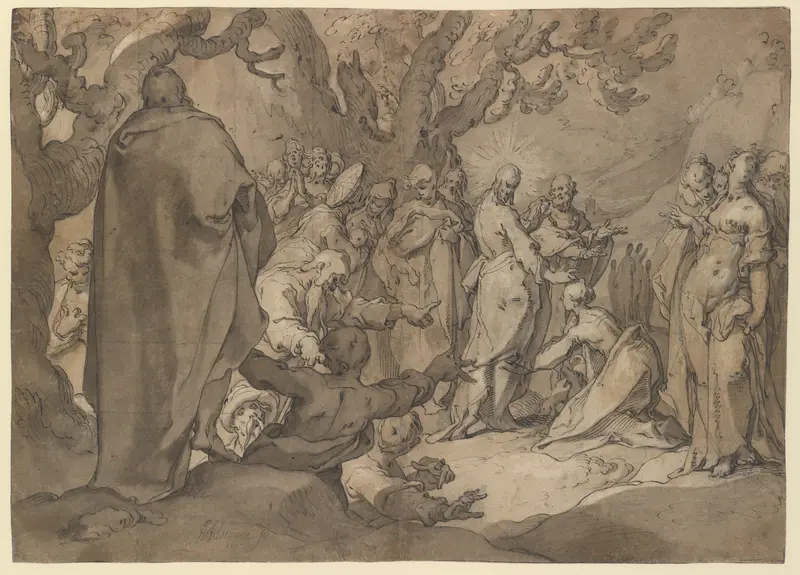
Christ and the Canaanite Women
Abraham Bloemaert
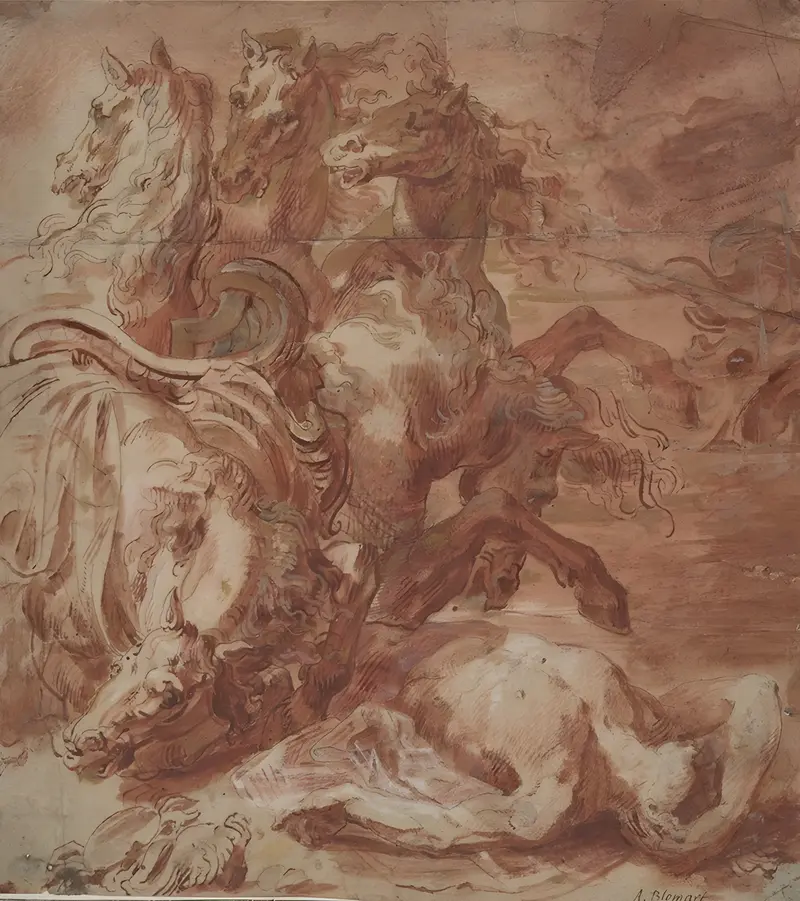
Hippolytus
Abraham Bloemaert
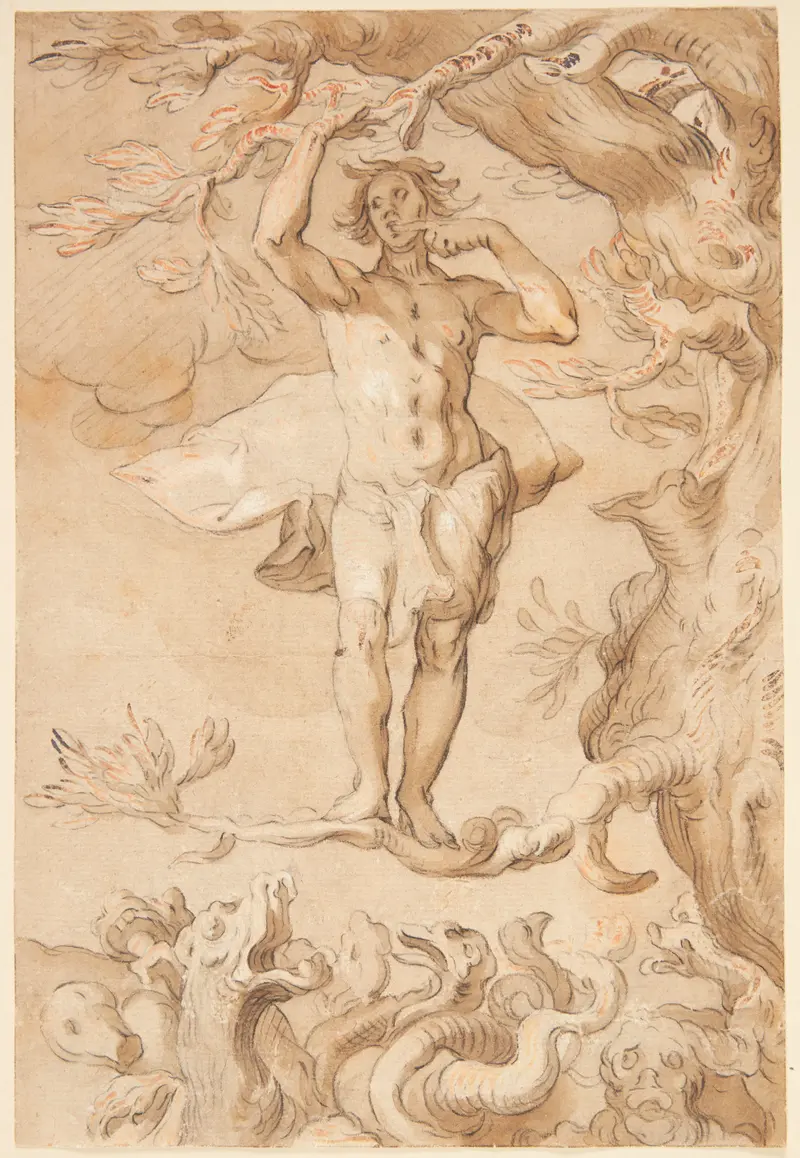
Den menneskelige glædes skrøbelighed En mand, der jages af en drage, klynger sig til en gren, mens han slikker honning af sin finger
Abraham Bloemaert

Moses Striking the Rock
Abraham Bloemaert
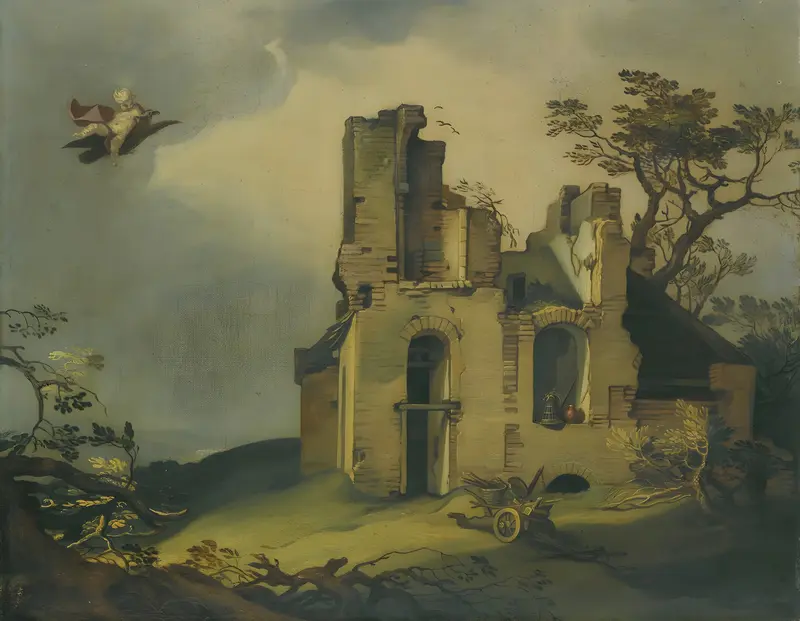
A Landscape With Ruins, With The Rape Of Ganymede
Abraham Bloemaert





