
Entrée de l’ancien cimetière Saint-André, 13 rue Suger, en 1906. 6ème arrondissement — History & Facts
Who listens when art speaks of silence? In Entrée de l’ancien cimetière Saint-André, 13 rue Suger, en 1906, tranquility envelops the viewer, beckoning an introspective journey through stillness and memory. Look to the left, where the archway welcomes you into a world of shadows and soft light, a gateway that invites contemplation. The muted palette, dominated by grays and browns, frames the scene with a quiet elegance. Notice how the delicate brushwork captures the textural variations of the stone, blending realism with an ethereal quality that breathes life into the inanimate.
The gentle interplay of light filtering through the trees creates a serene atmosphere, enhancing the sense of balance between presence and absence. Within this scene lies a profound dialogue between the living and the dead. The arch, sturdy yet worn, stands as a testament to time’s passage, while the overhanging branches invoke nature's reclamation of human spaces. The absence of figures amplifies the emotional weight, allowing silence to fill the space, urging the viewer to reflect on what remains after life's ephemeral moments.
Each detail—the mossy stones, the slight curl of leaves—echoes the inevitability of change, creating a poignant connection to the themes of memory and legacy. In 1906, Frédéric Houbron painted this piece amidst a burgeoning appreciation for the Impressionist movement in France, capturing the essence of a Paris that was transforming yet still rooted in history. Life was shifting; the city was expanding, and yet places like this ancient cemetery offered a poignant reminder of the past, wherein Houbron found solace and inspiration. It was a time when artists were exploring the intersection of the real and the transient, deeply influenced by their surroundings and the emotional landscapes of their inner worlds.
More Artworks by Frédéric Houbron
Browse all →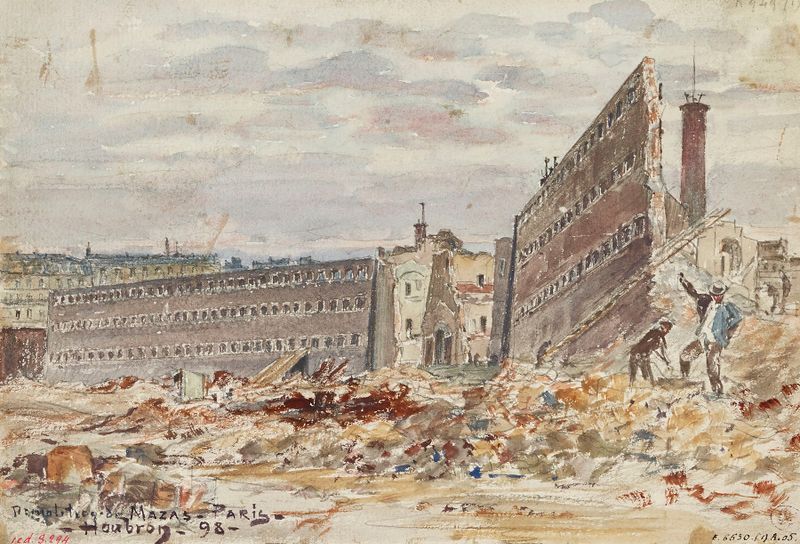
Démolition de la prison Mazas, 23, 25 boulevard Diderot (ancien boulevard Mazas)
Frédéric Houbron
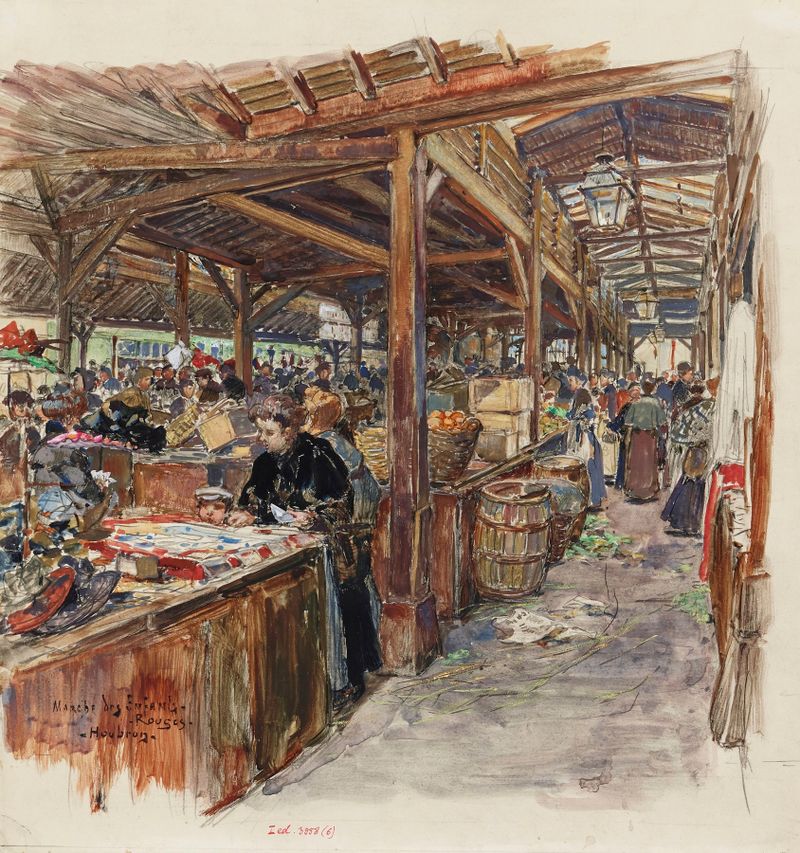
Intérieur du Marché des Enfants Rouges. 3ème arrondissement
Frédéric Houbron
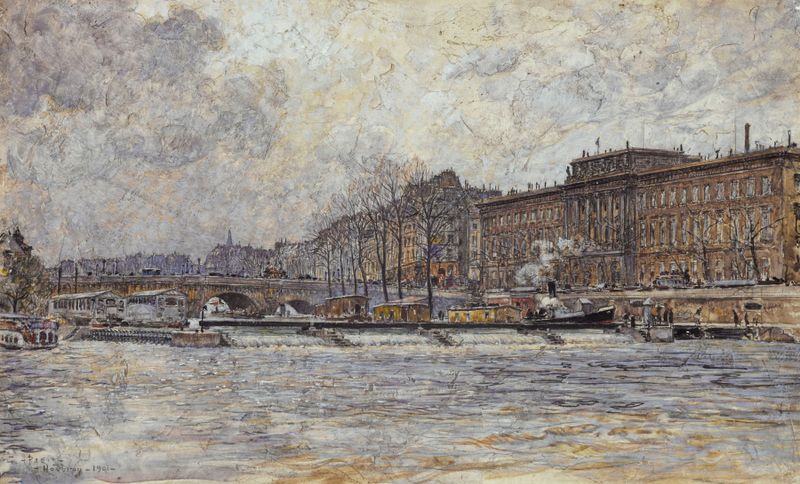
L’Hôtel de la Monnaie et le Pont-Neuf
Frédéric Houbron

Quai des Orfèvres. Paris. 1906
Frédéric Houbron
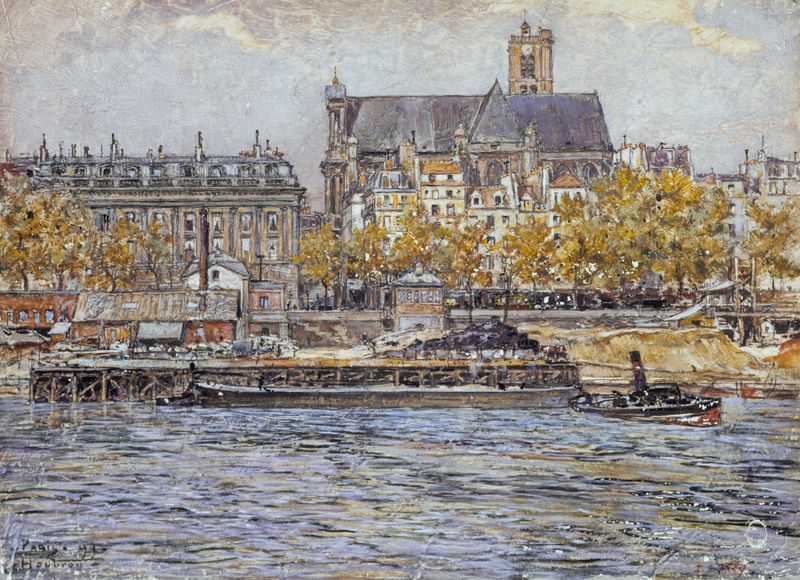
Le quai de l’Hôtel-de-Ville et l’église Saint-Gervais-Saint-Protais
Frédéric Houbron
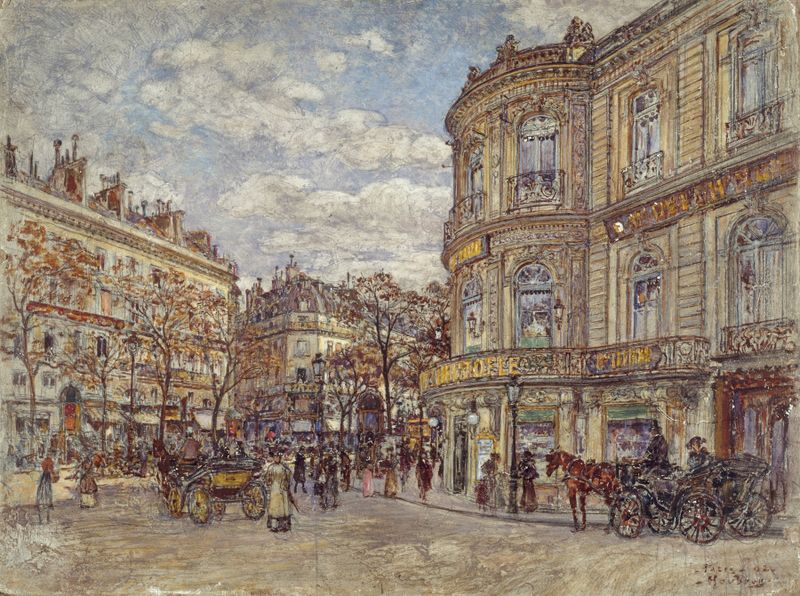
Le Pavillon de Hanovre, rue Louis-le-Grand
Frédéric Houbron

La rue du Chevalier-de-la-Barre, avec le Sacré-Cœur en construction
Frédéric Houbron
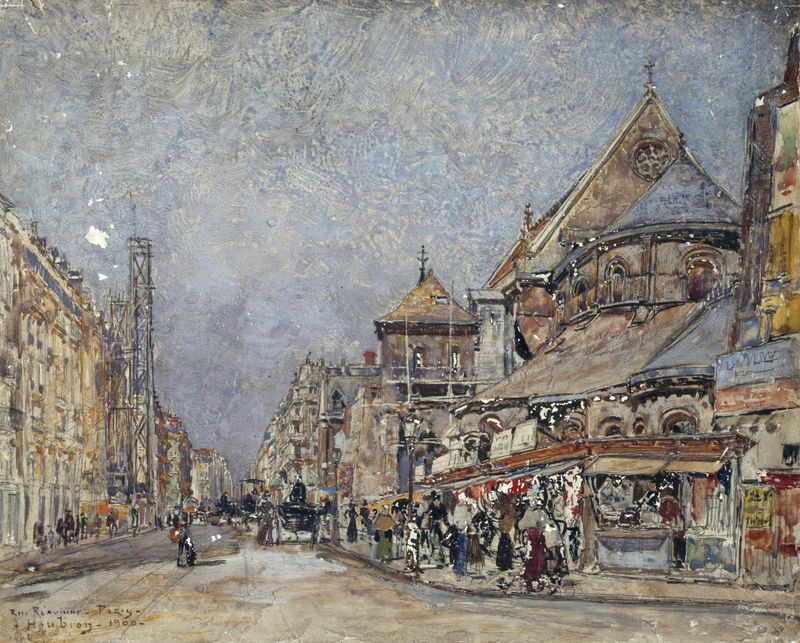
La rue Réaumur et le chevet de l’église Saint-Martin-des-Champs
Frédéric Houbron
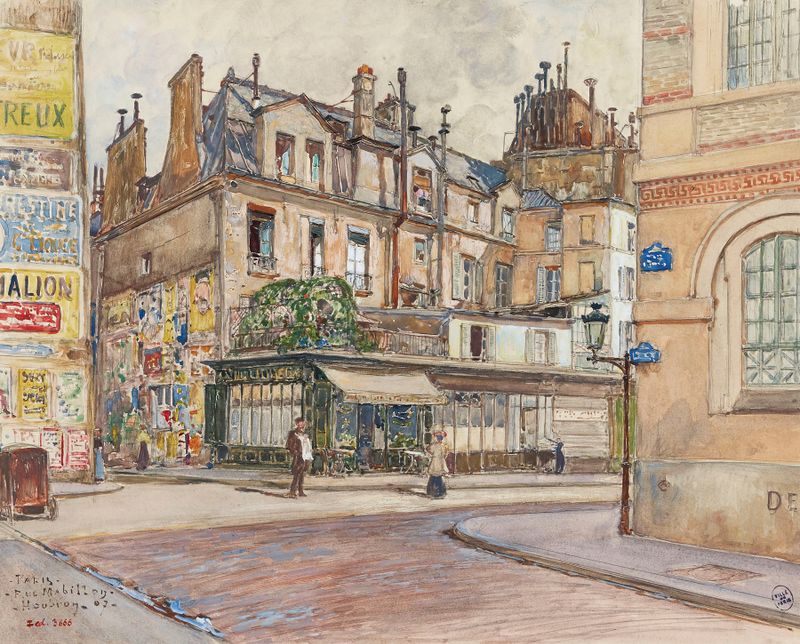
Angle rue Mabillon et rue Clément, en 1907. 5ème et 6ème arrondissements
Frédéric Houbron
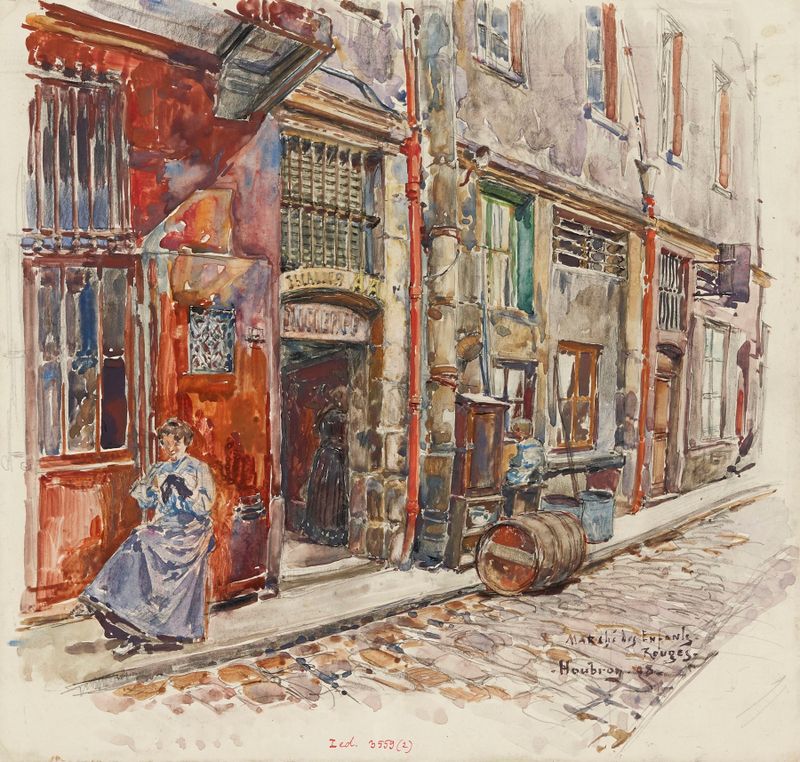
Entrée escalier A du Marché des Enfants-Rouges, en 1908. 3ème arrondissement
Frédéric Houbron





