
Eros Vanquished — History & Facts
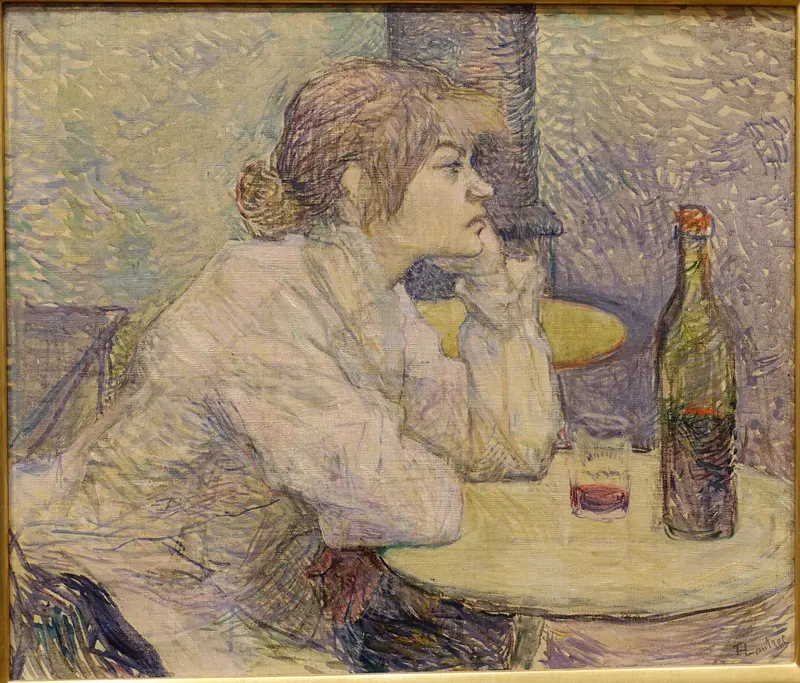
In Eros Vanquished, vibrant colors dominate the canvas, creating a striking contrast between warm reds and cool blues. The painting features a central figure, likely representing Eros, who appears defeated and melancholic. Surrounding him are abstract forms that suggest chaos and turmoil, enhancing the emotional weight of the scene.
The setting is ambiguous, allowing the viewer to focus on the figure's expression and posture. The painting is executed in oil on canvas, a medium that allows for rich textures and deep colors. Toulouse-Lautrec's brushwork is loose yet deliberate, giving the piece a sense of movement and fluidity. The use of light and shadow adds depth, particularly around the central figure, emphasizing his vulnerability.
The approximate dimensions of the work are 100 x 120 cm, making it a sizable piece that commands attention. Henri de Toulouse-Lautrec was known for his depictions of Parisian nightlife, but Eros Vanquished reflects a more introspective side of his artistry. Created in the 1890s, this work diverges from his typical subjects, exploring themes of love and defeat. An interesting fact about this painting is how it captures the emotional turmoil associated with romantic relationships, a theme that resonates universally.
This work showcases Toulouse-Lautrec's versatility as an artist beyond his famous poster designs.
More Artworks by Henri de Toulouse-Lautrec
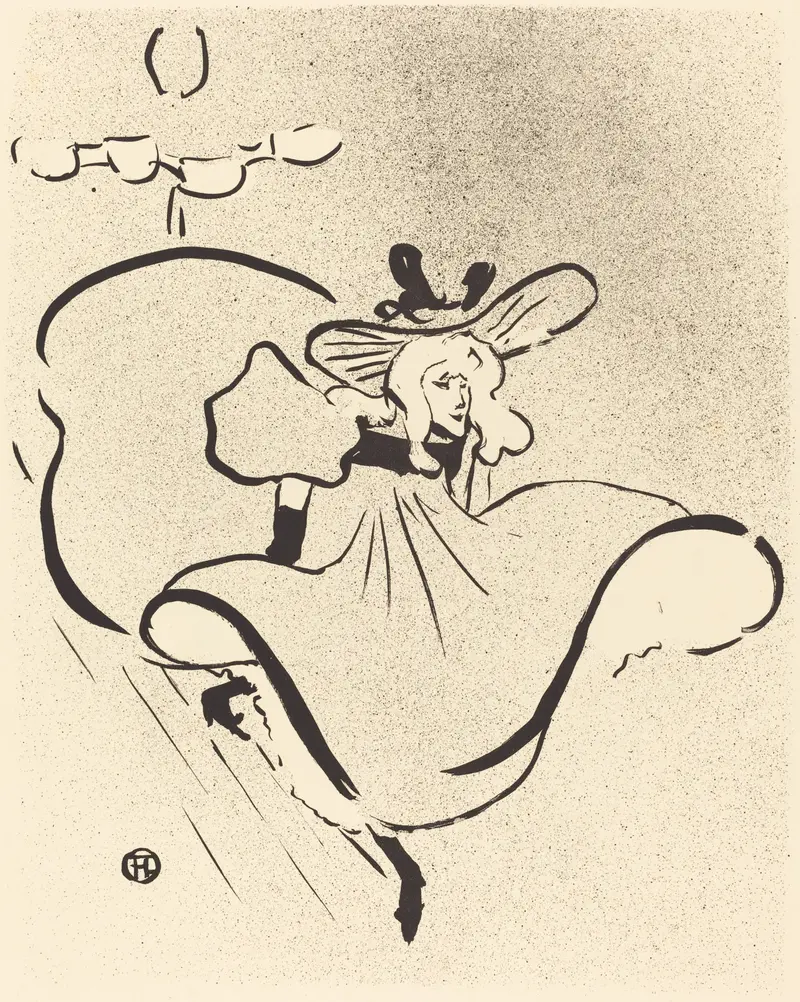
Jane Avril
Henri de Toulouse-Lautrec
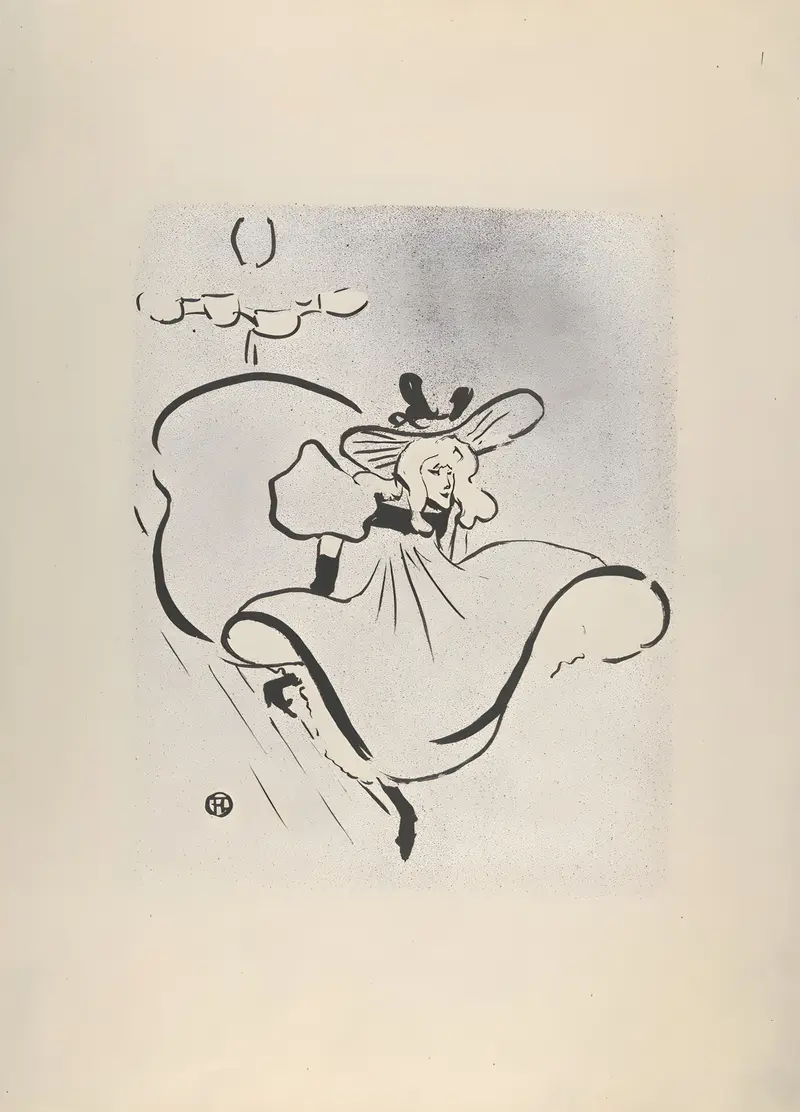
Jane Avril.
Henri de Toulouse-Lautrec

Quadrille at the Moulin Rouge
Henri de Toulouse-Lautrec
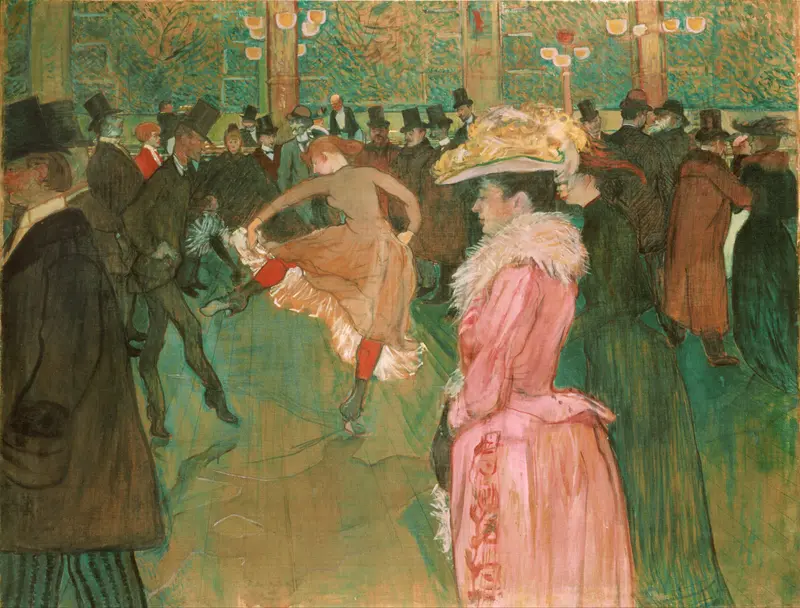
At the Moulin Rouge- The Dance
Henri de Toulouse-Lautrec
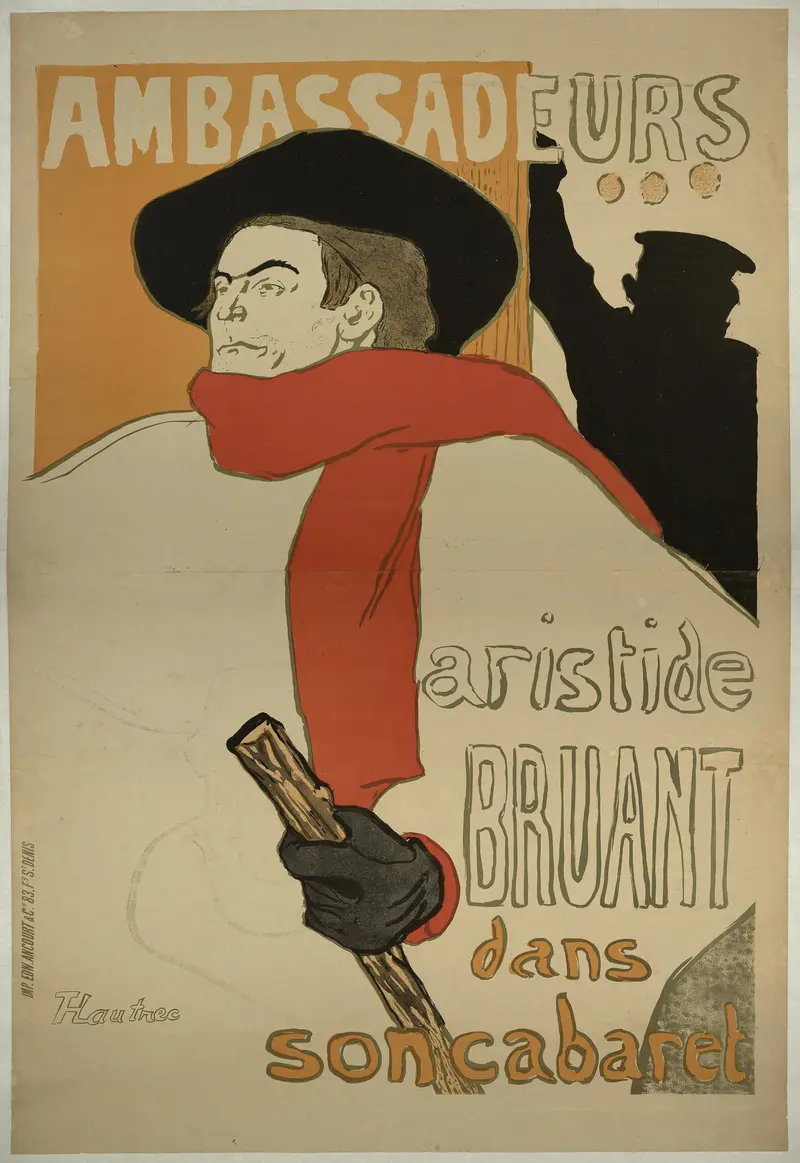
Ambassadeurs. Aristide Bruant dans son cabaret
Henri de Toulouse-Lautrec
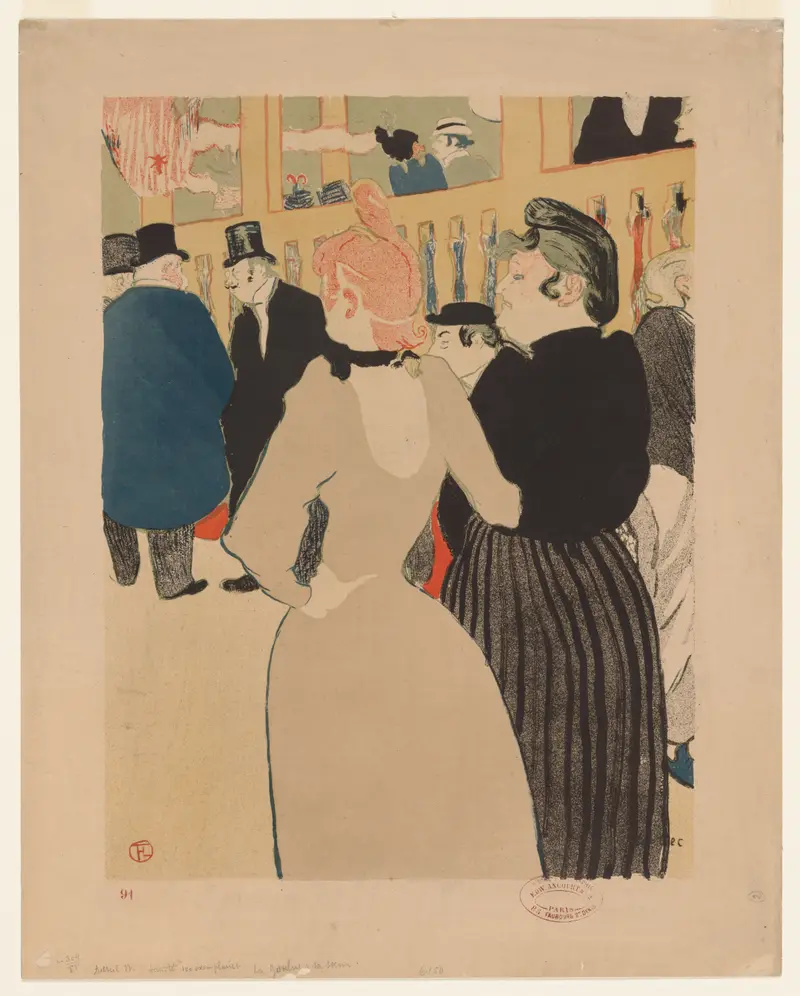
At the Moulin Rouge; La Goulue and Her Sister
Henri de Toulouse-Lautrec
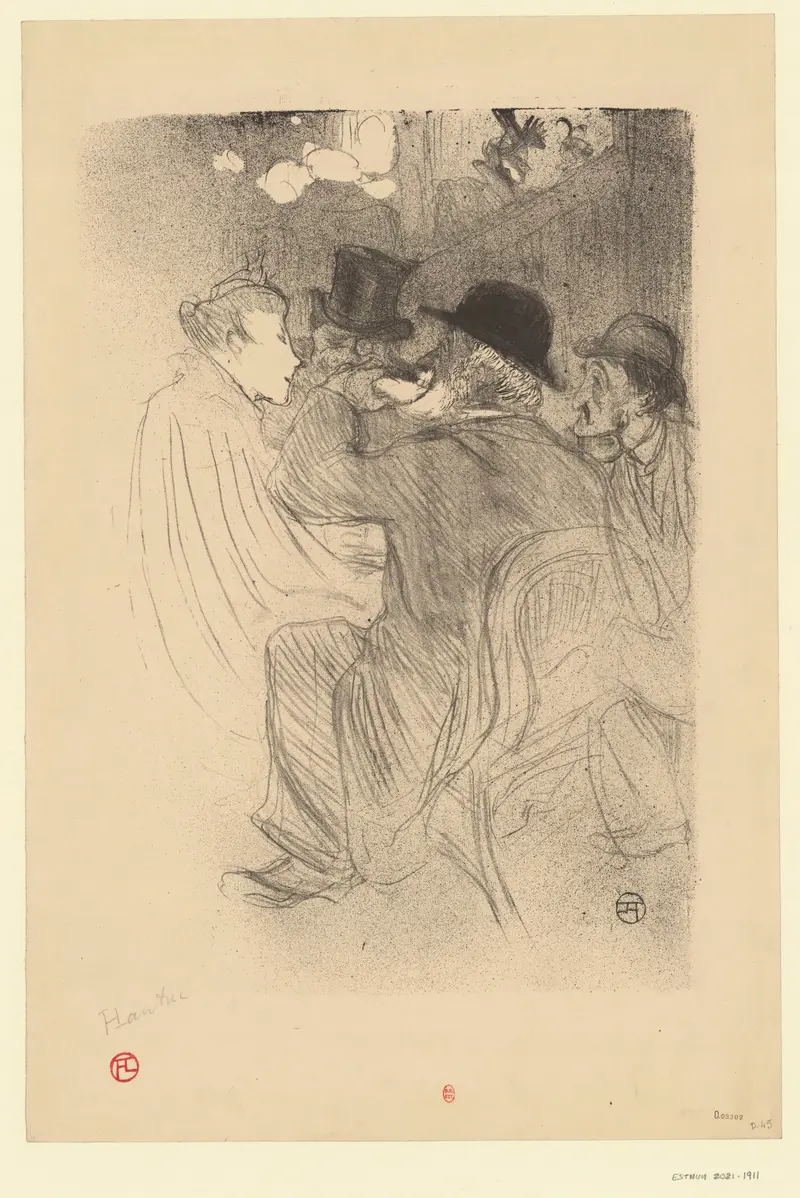
Au Moulin Rouge;Un Rude! Un Vrai Rude!
Henri de Toulouse-Lautrec
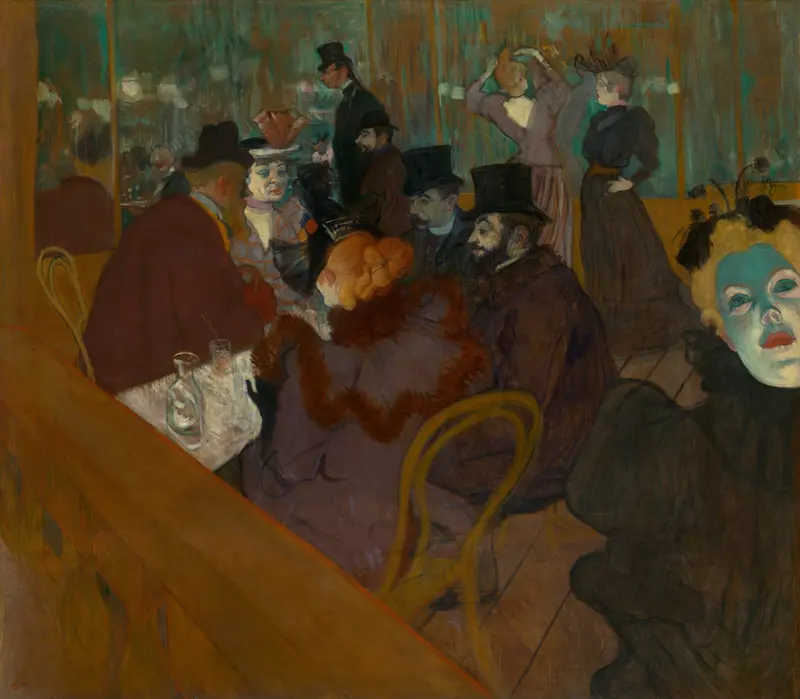
At the Moulin Rouge
Henri de Toulouse-Lautrec
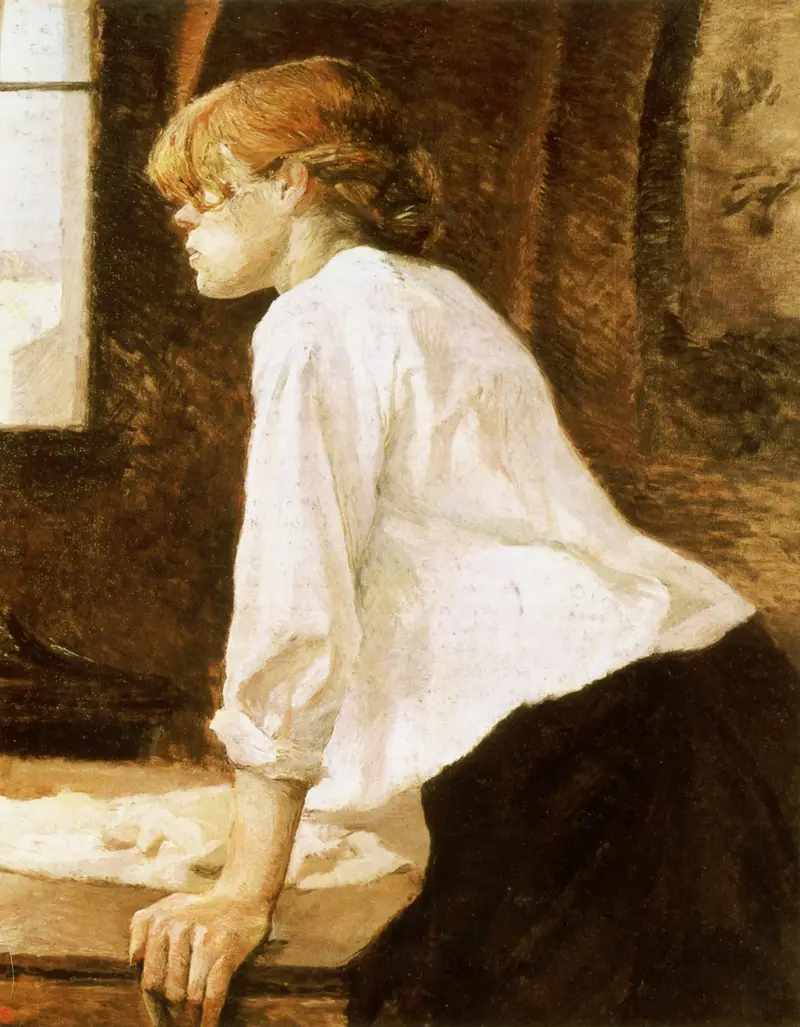
La Blanchisseuse
Henri de Toulouse-Lautrec
The Hangover (Suzanne Valadon)
Henri de Toulouse-Lautrec





