
Ester wordt voorgesteld aan Ahasveros — History & Facts
In Ester wordt voorgesteld aan Ahasveros, shadows and light weave a delicate dance, revealing hidden truths beneath the surface of opulence. Look to the left at the figure of Esther, her poised demeanor a striking contrast to the imposing presence of King Ahasveros. The rich blue of her gown cascades into a deep shadow, enveloping her in mystery, while the golden hues of the court reflect the raw power and authority of the king. Notice how the soft, diffused light outlines her form, accentuating her vulnerability amid the grandeur, and guiding your eyes to the intricate details of the jewelry that adorns her — symbols of both beauty and burden. Within this moment, a profound tension exists; Esther stands on the precipice of destiny, her expression a mixture of courage and trepidation.
The king, while regal, is framed in relative darkness, suggesting the looming threat he represents and the weight of her forthcoming decision. The juxtaposition of light and shadow not only enhances the emotional gravity of the moment but also hints at the broader narrative of sacrifice and survival that defines her story. Hans Holbein painted this work in 1538 during a tumultuous period for artists in Europe, as the Reformation shifted the religious landscape. Working in the court of Henry VIII in England, Holbein was navigating both personal and professional challenges, yet he managed to capture a defining moment in history.
This painting reflects not only his masterful technique but also the intricate interplay of power dynamics, both celebrated and concealed, in human relationships.
More Artworks by Hans Holbein (II)
Browse all →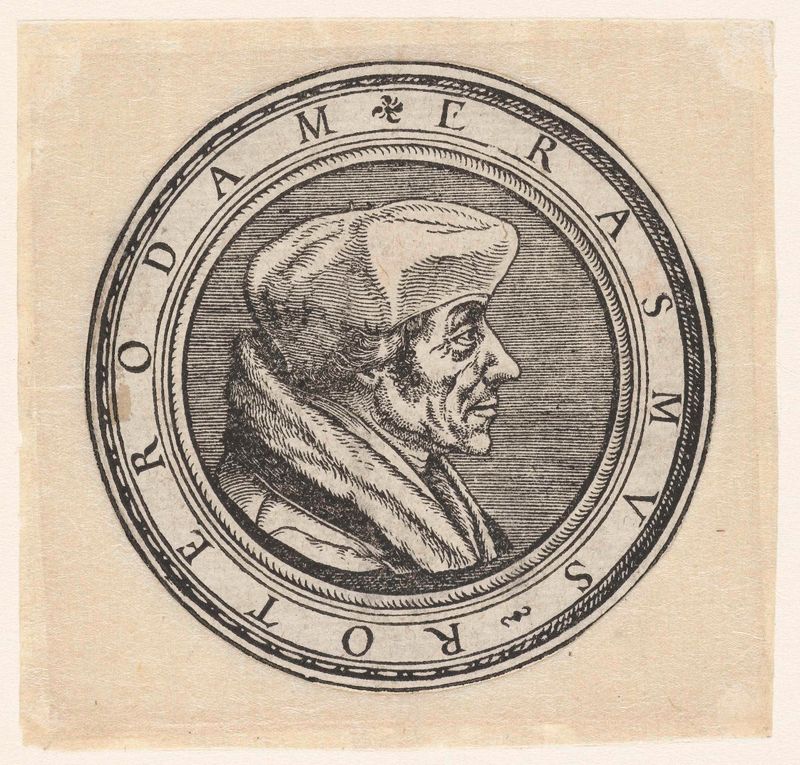
Portret van Erasmus
Hans Holbein (II)
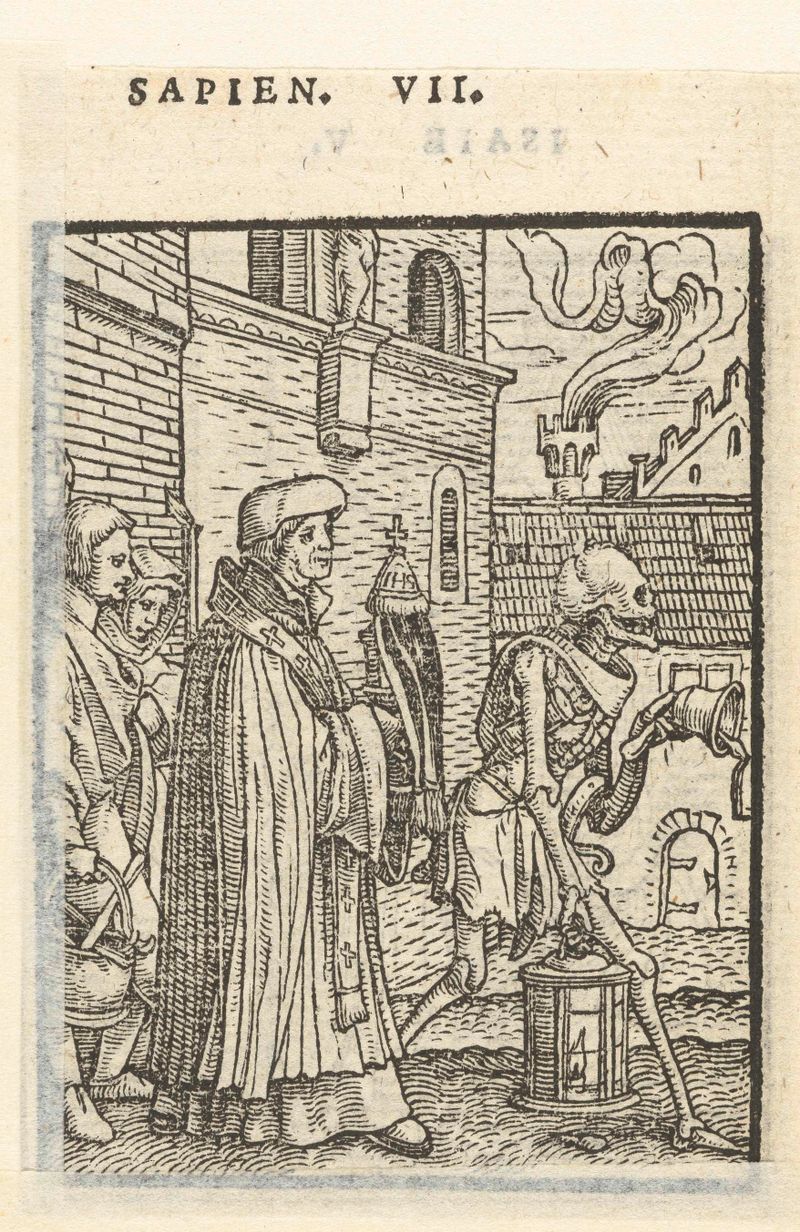
Priester en de Dood
Hans Holbein (II)
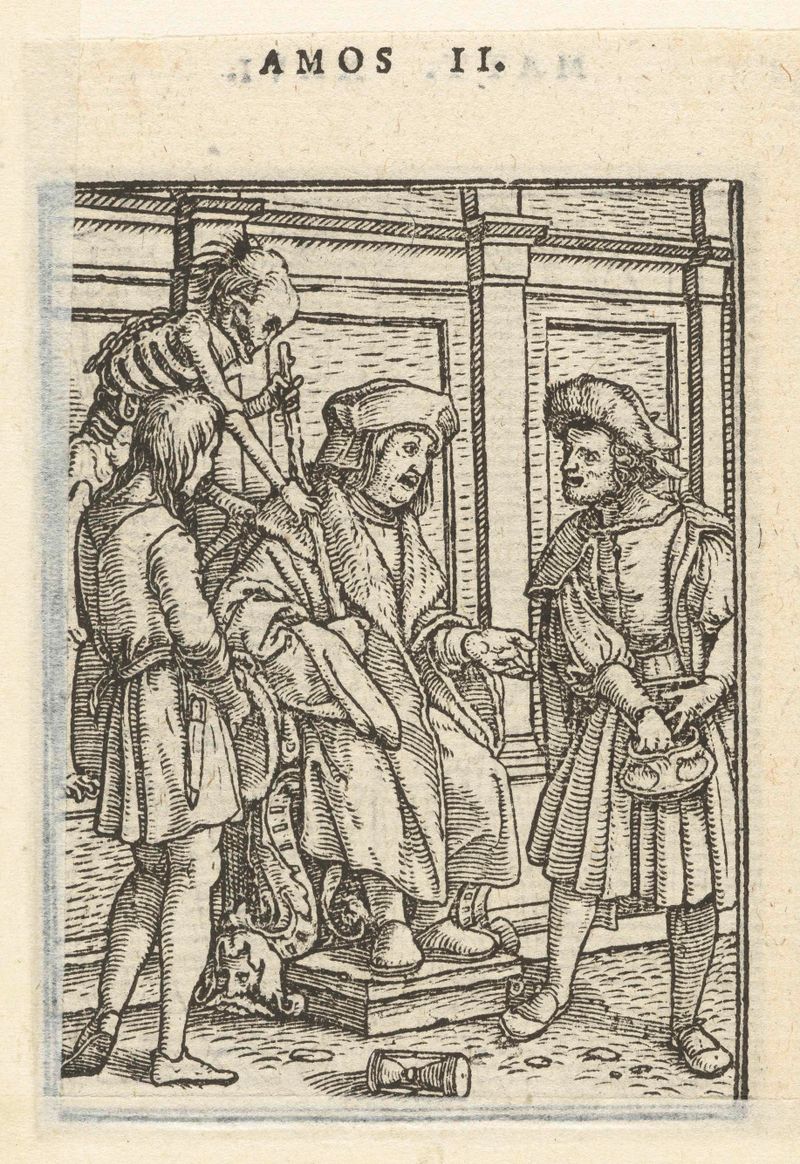
Rechter en de Dood
Hans Holbein (II)
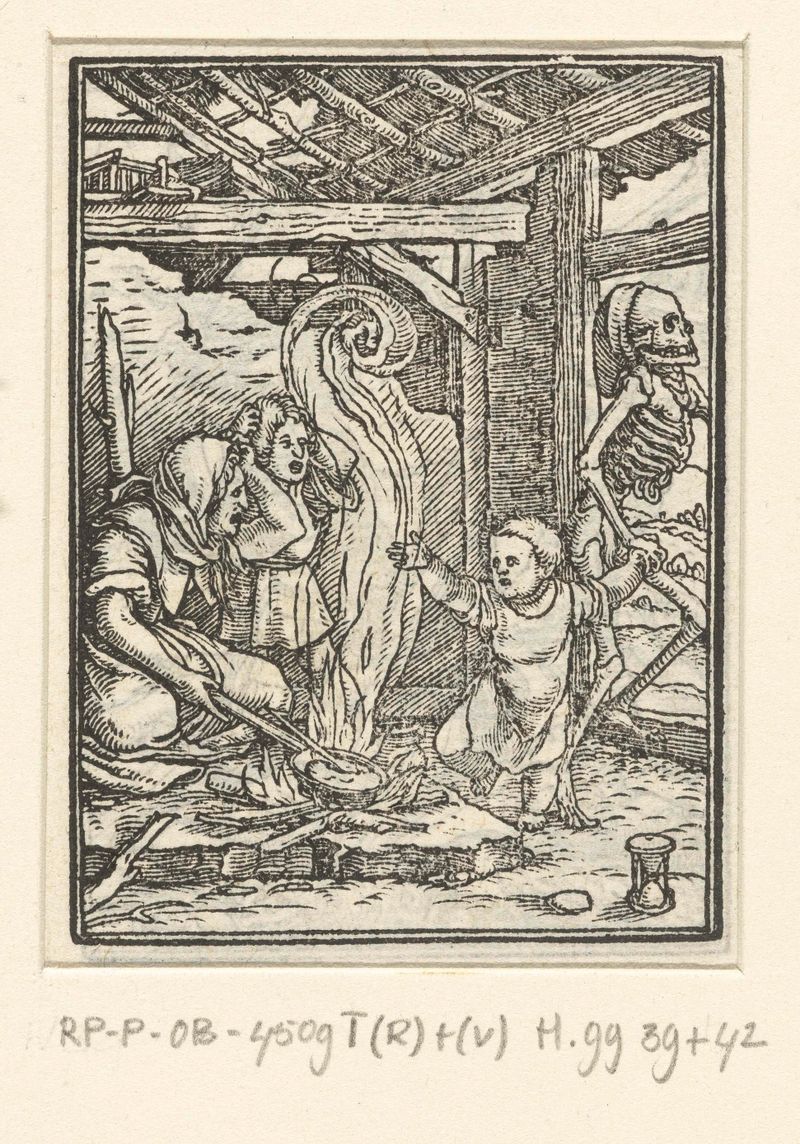
Kind en de Dood
Hans Holbein (II)
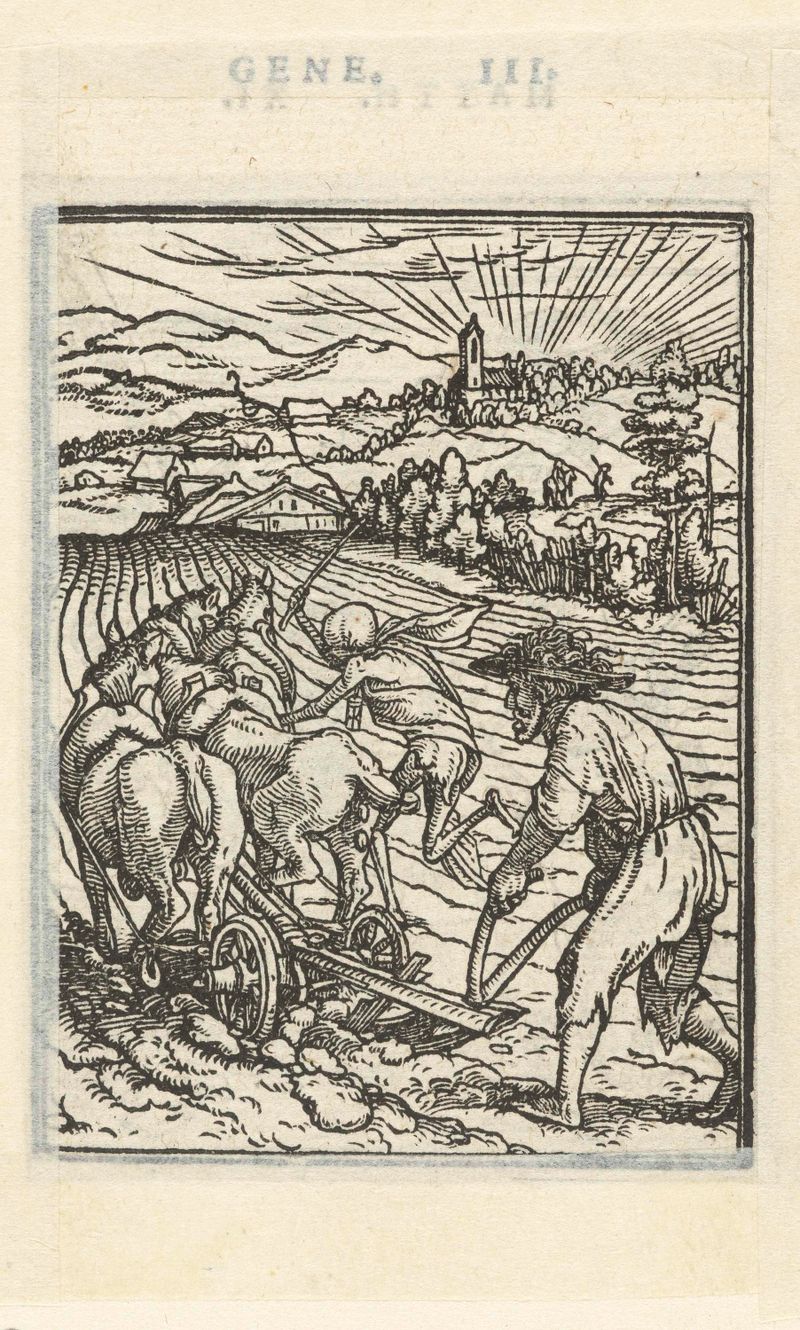
Boer en de Dood
Hans Holbein (II)
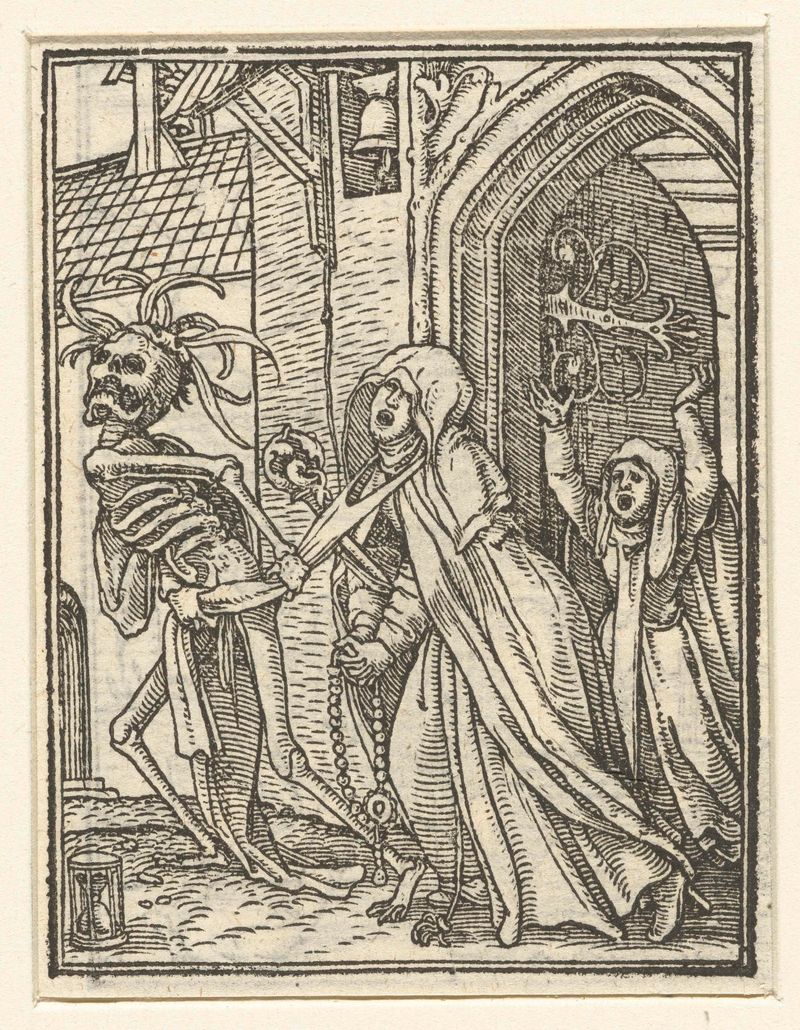
Abdis en de Dood
Hans Holbein (II)
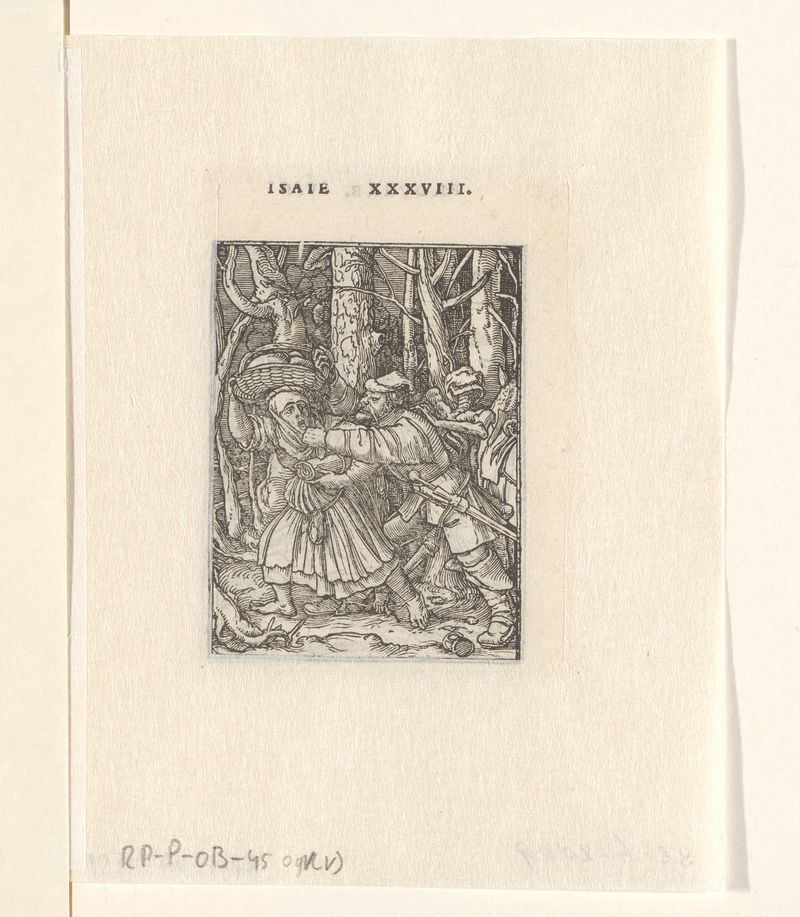
Dief en de Dood
Hans Holbein (II)
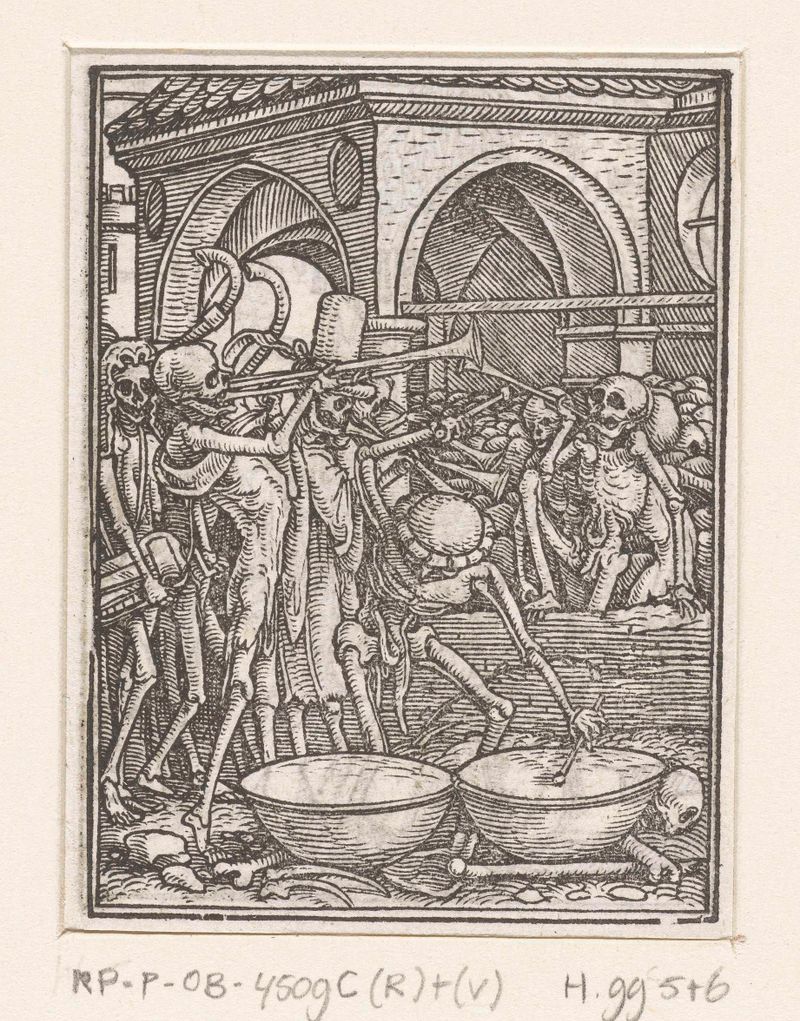
Skeletons Making Music from Dance of the Dead
Hans Holbein (II)
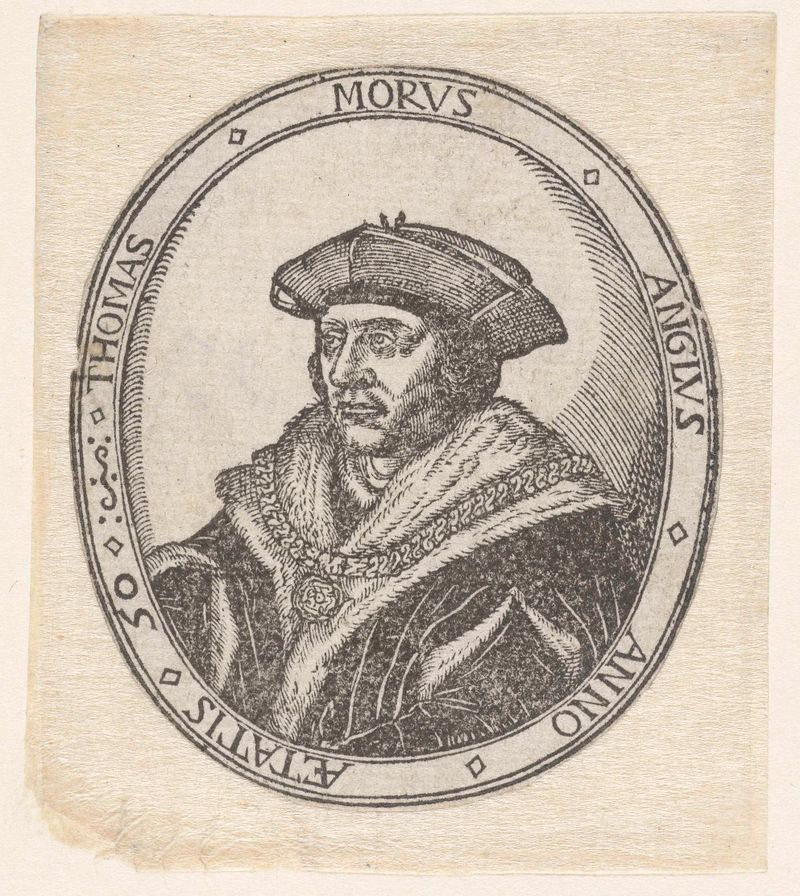
Portret van Thomas More
Hans Holbein (II)
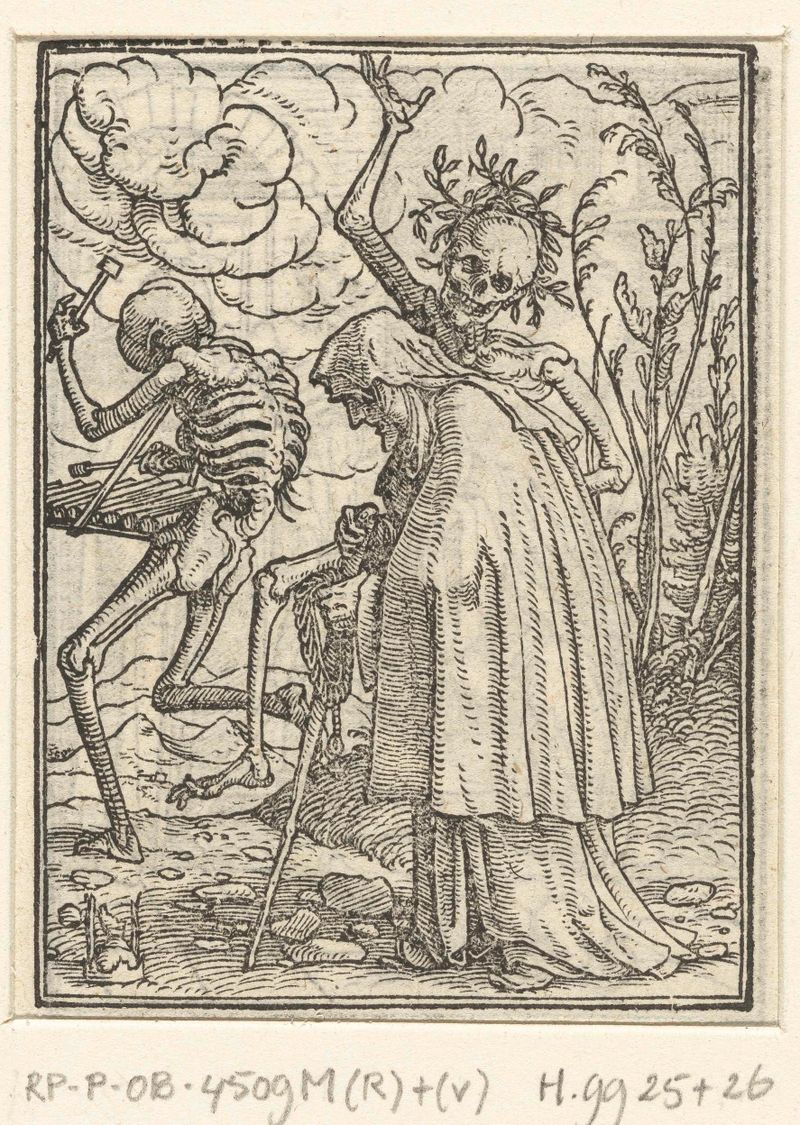
Oude vrouw en de Dood
Hans Holbein (II)
More Historical Art
Browse all →
The Night Watch Militia Company of District II under the Command of Captain Frans Banninck Cocq
Rembrandt van Rijn

Lincoln Memorial
Henry Bacon

The Third of May 1808
Francisco de Goya

Isaac and Rebecca, Known as ‘The Jewish Bride’
Rembrandt van Rijn

The Charge of the Mamelukes (1814)
Francisco de Goya

De vier ruiters van de apocalyps
Albrecht Dürer