Discover insights about this artwork
Étretat, la voile rouge — History & Facts
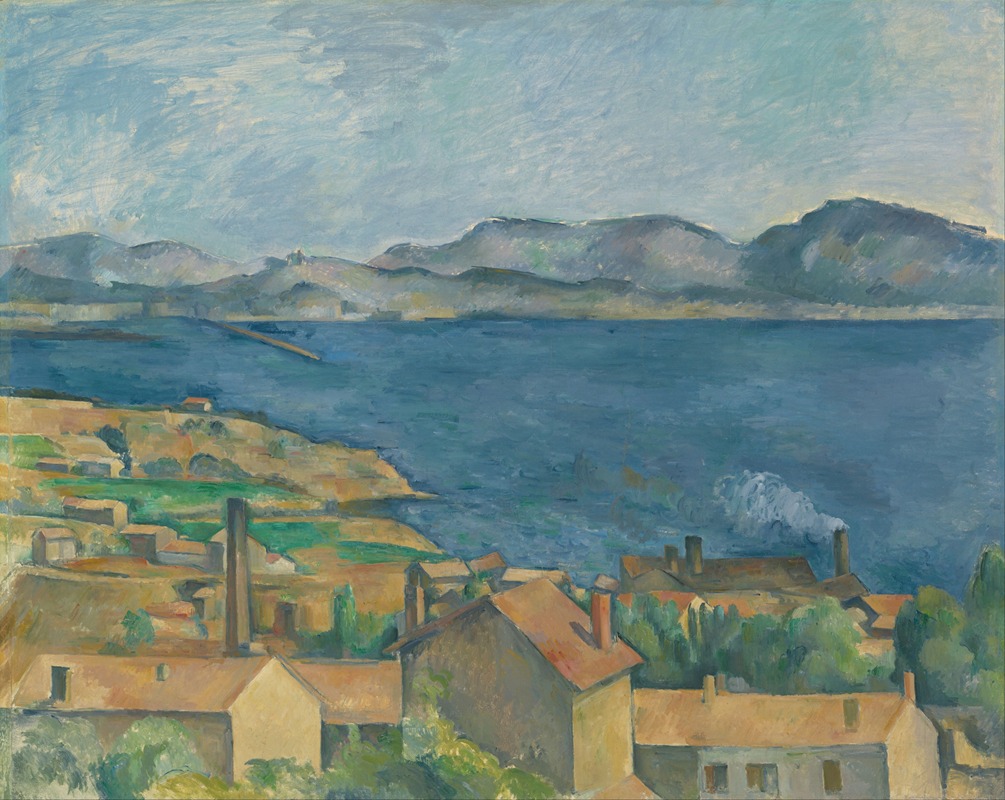
In Étretat, la voile rouge, Henri Matisse presents a vibrant coastal scene. The painting features a striking red sail that stands out against the blue sea and sky. The cliffs of Étretat are depicted in bold strokes, adding to the dynamic feel of the work.
The colors are bright and saturated, typical of the Fauvist style. The painting is executed in oil on canvas, showcasing Matisse's characteristic use of color and form. The brushwork is loose and expressive, allowing the viewer to feel the movement of the water and the wind. The composition is balanced yet lively, drawing the eye to the red sail.
The approximate dimensions of the painting are 65 x 81 cm. Henri Matisse painted this work during a period when he was exploring the use of color to express emotion. Étretat, la voile rouge reflects his fascination with the coastal landscapes of France. Interestingly, Matisse often returned to the same subjects, reinterpreting them through different styles and techniques.
This painting is a notable example of his Fauvist approach, emphasizing color over detail.
More Artworks by Henri Matisse
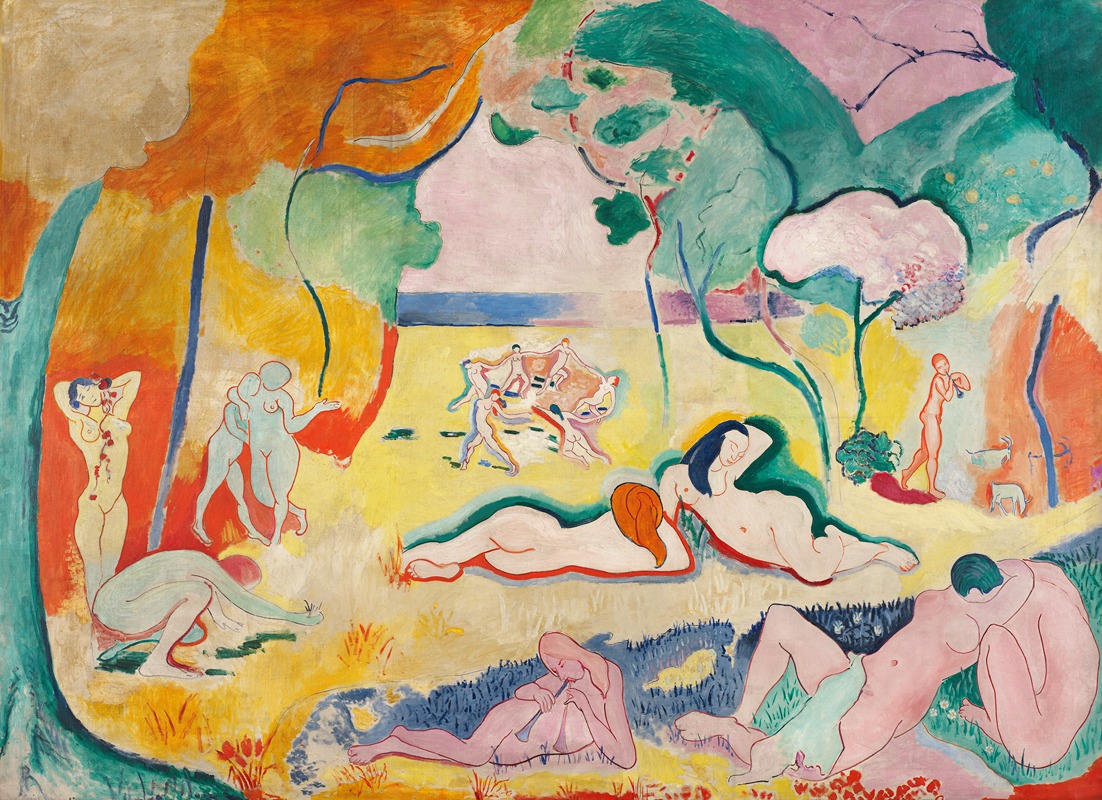
Le Bonheur de vivre, also called The Joy of Life
Henri Matisse
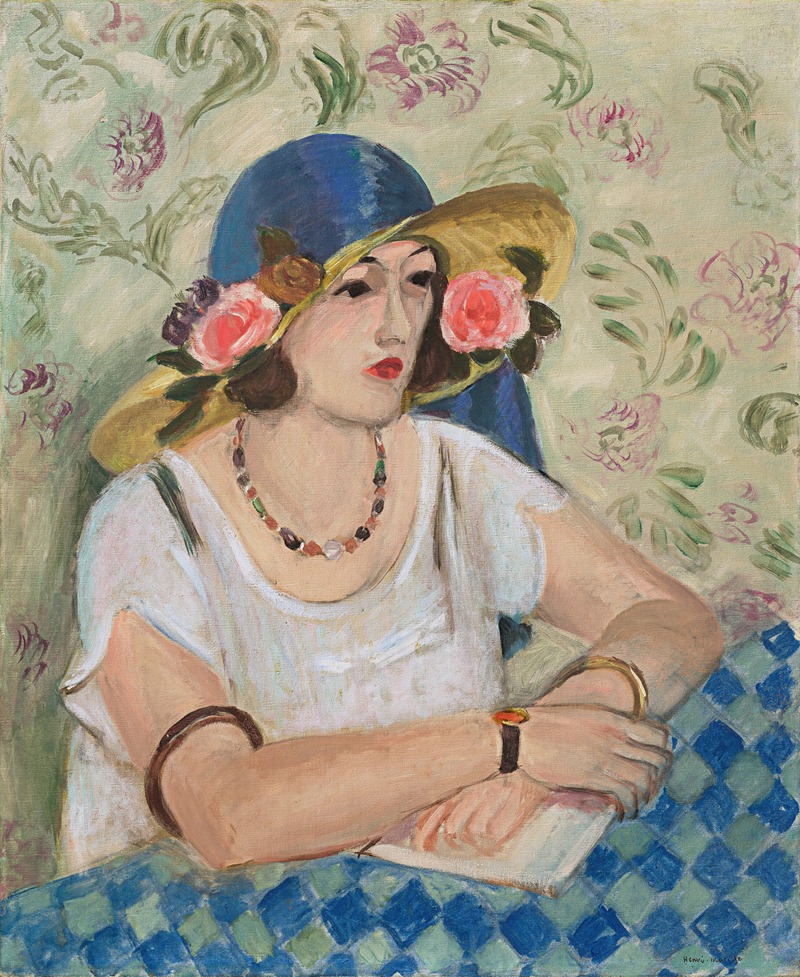
Femme au chapeau fleuri
Henri Matisse
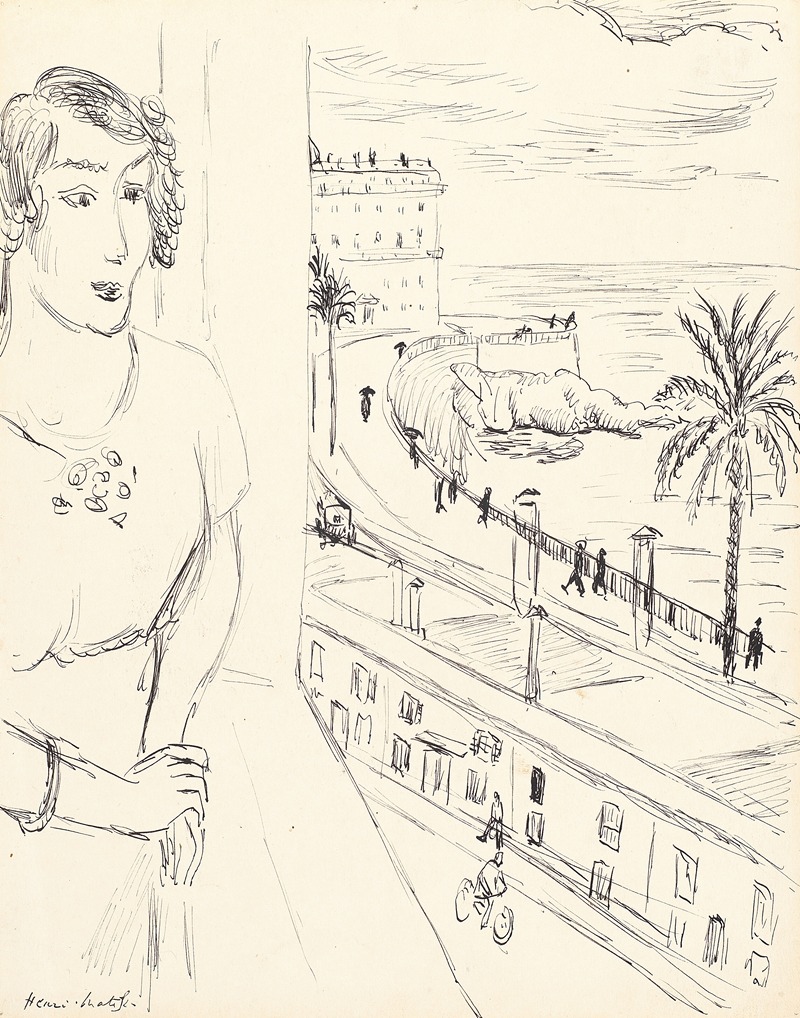
Femme près de la fenêtre, Nice
Henri Matisse
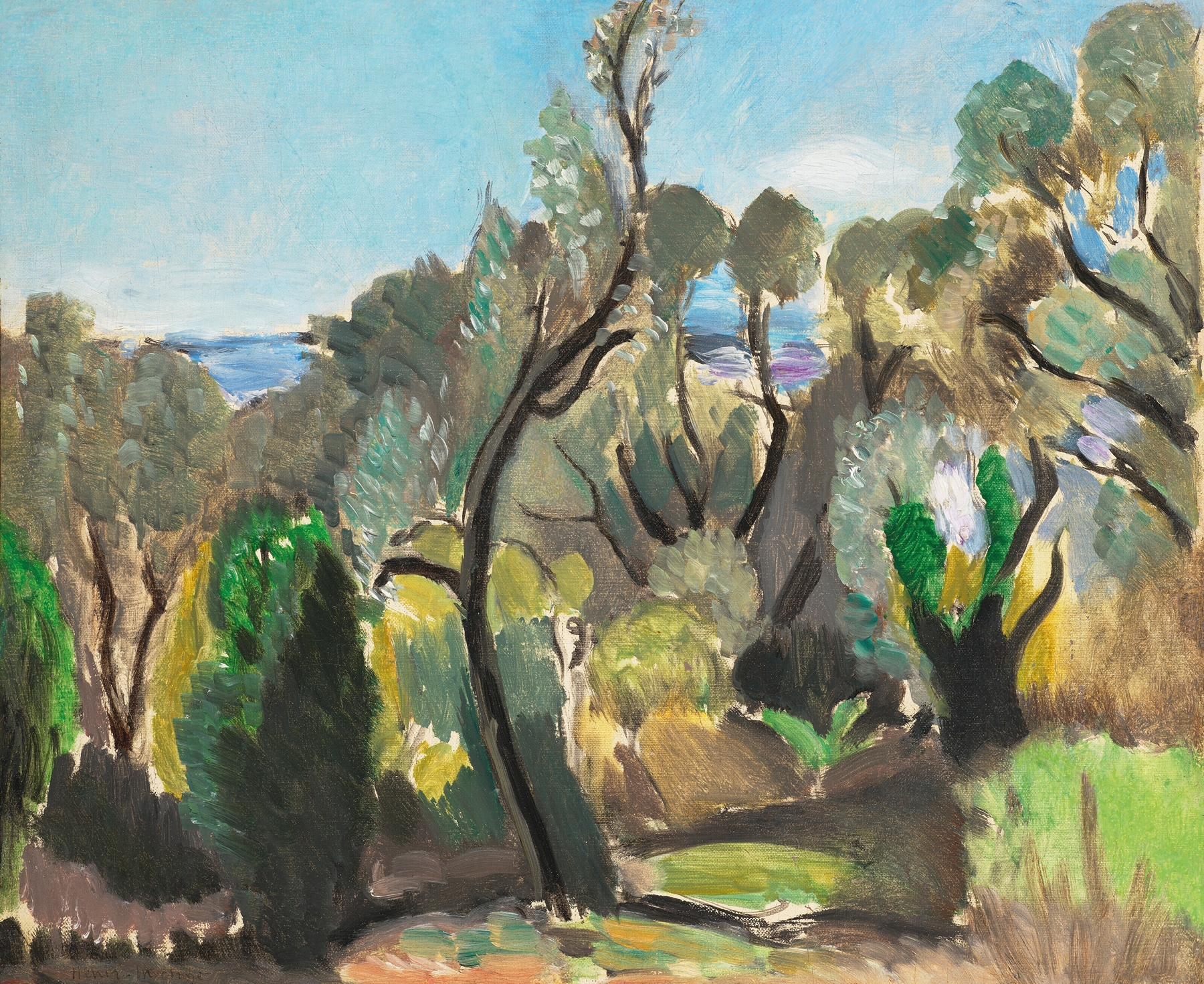
Paysage aux environs de Nice ou Les Oliviers ou Coin du Mont-Boron
Henri Matisse
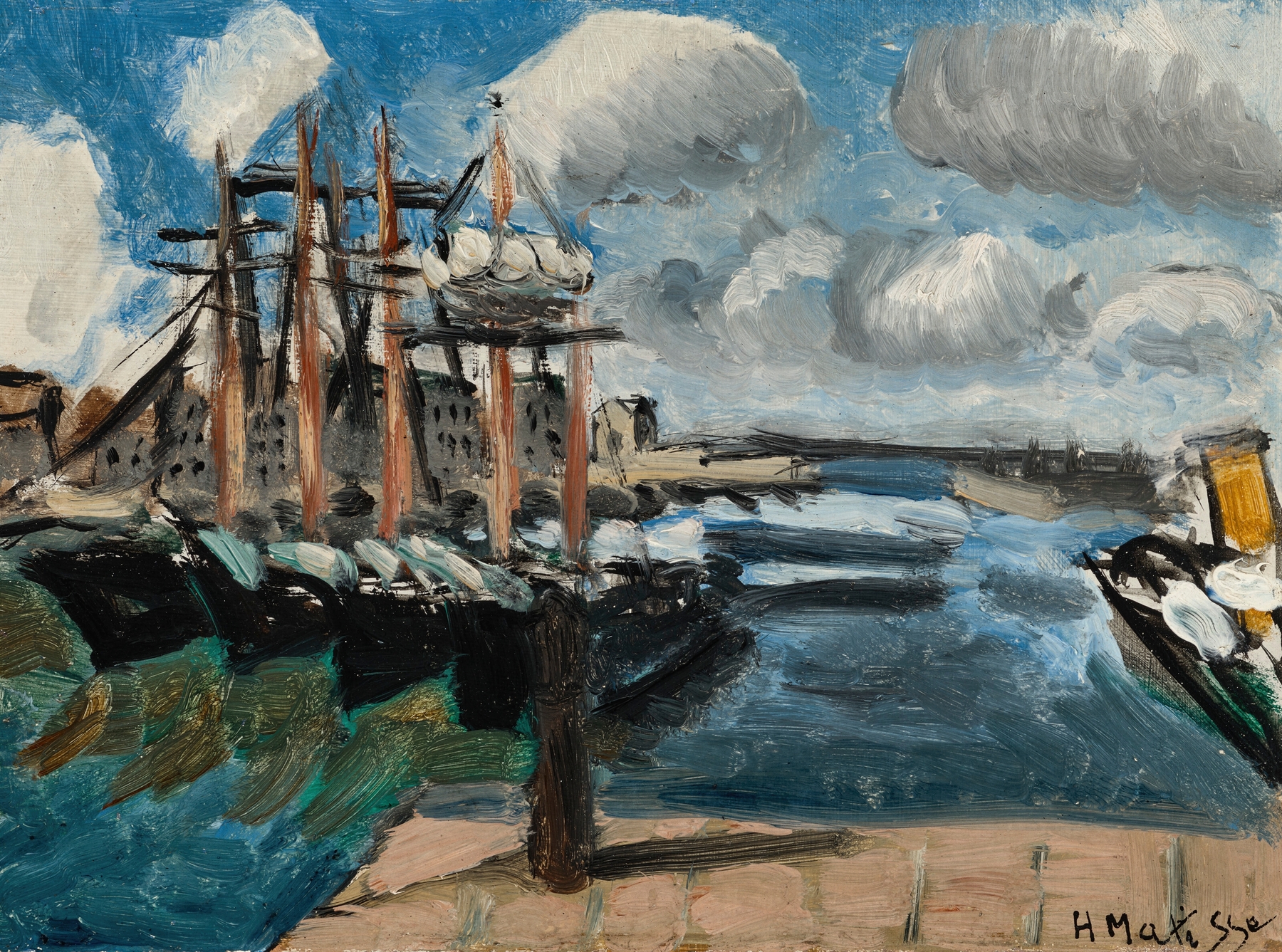
Port de Cherbourg
Henri Matisse
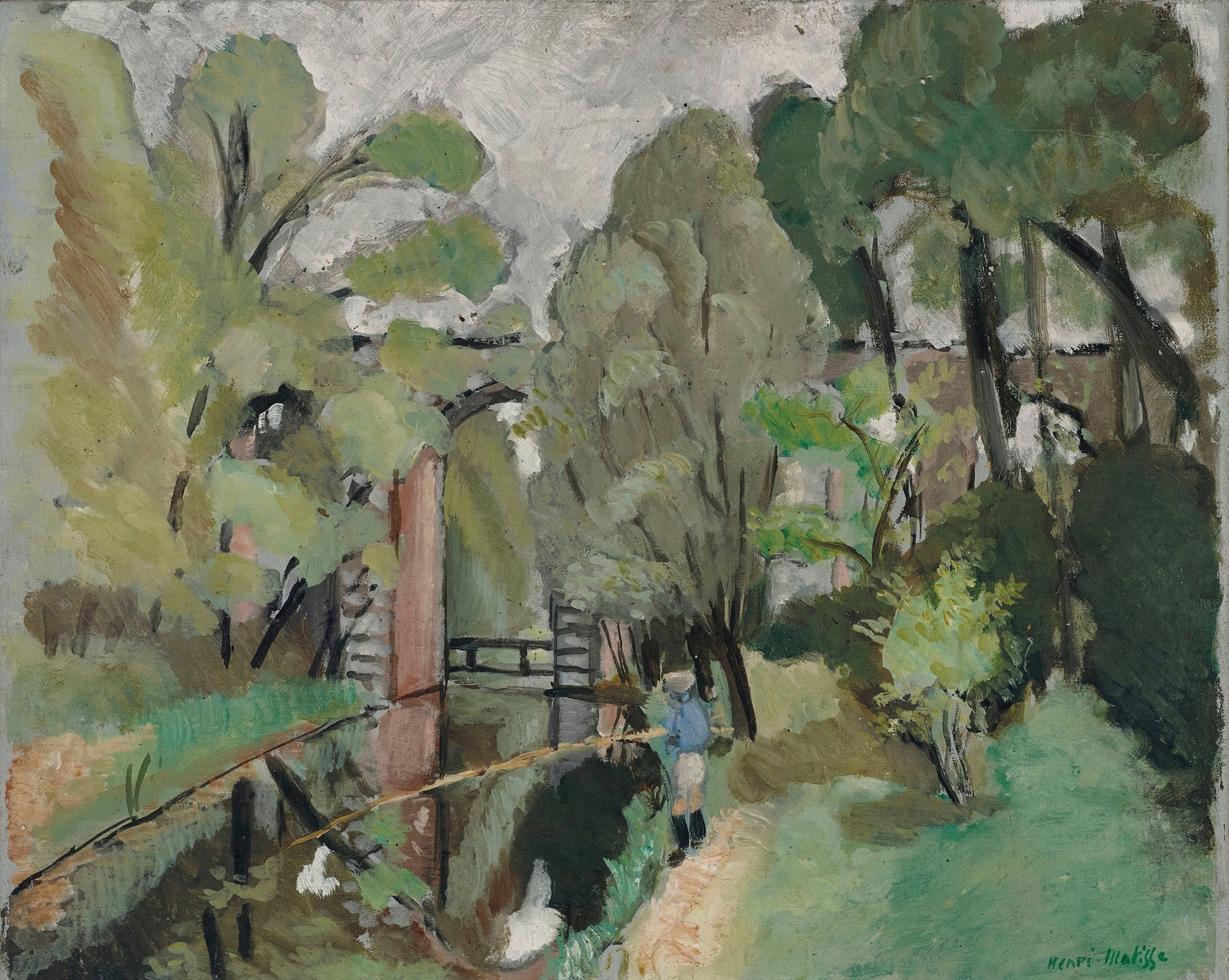
Le Petit pêcheur, Maintenon
Henri Matisse
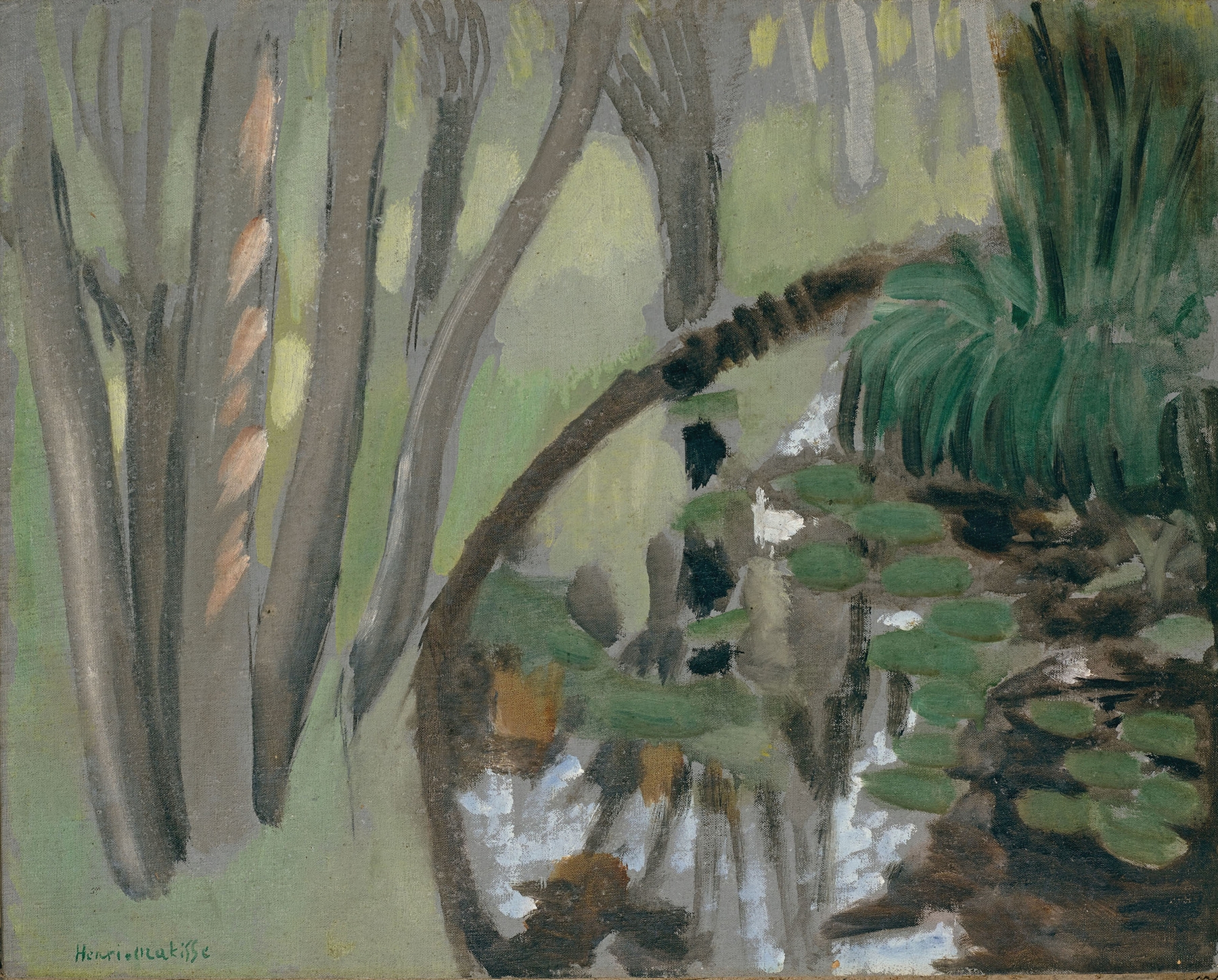
Le ruisseau, Maintenon
Henri Matisse
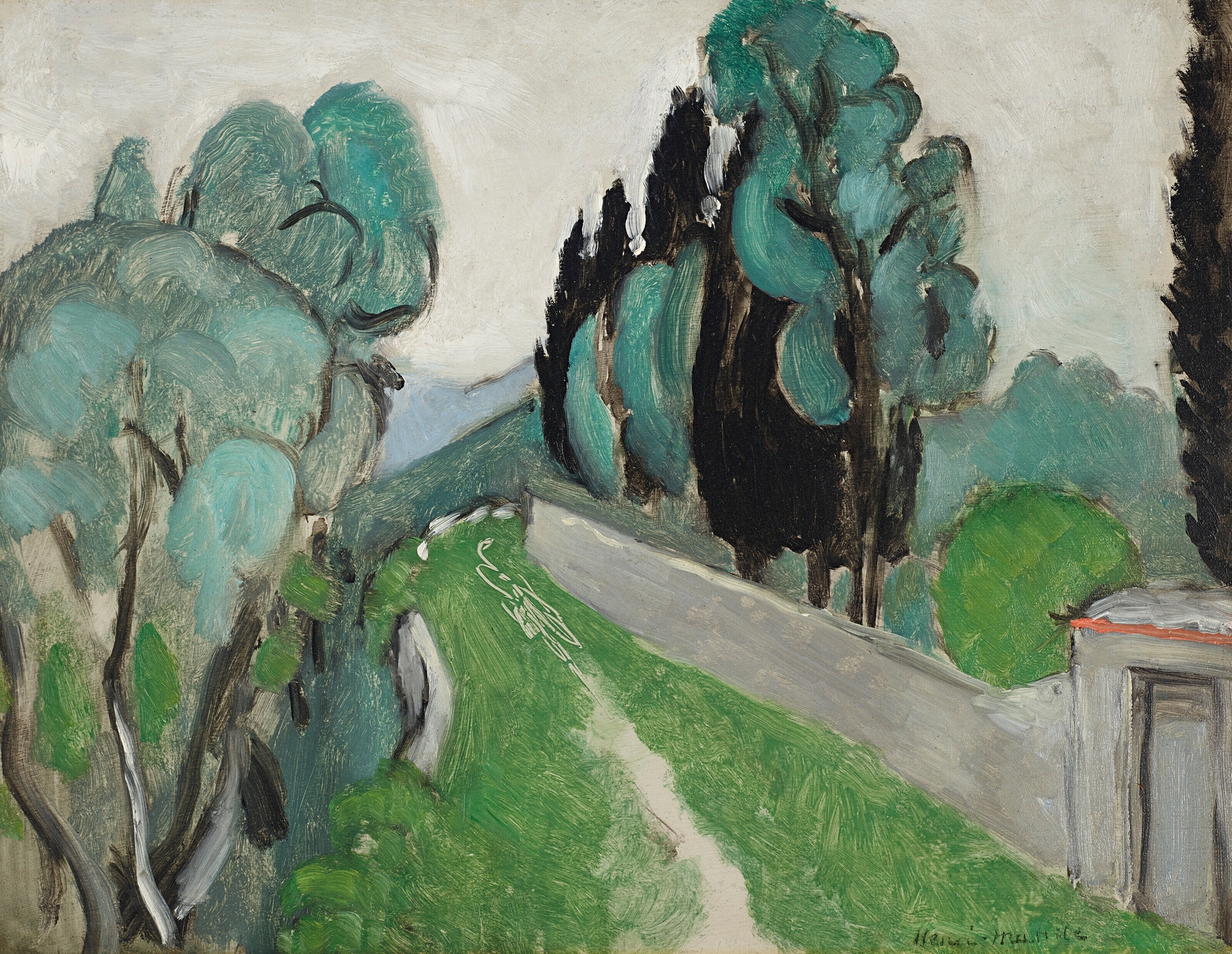
Paysage avec cyprès et oliviers aux environs de Nice
Henri Matisse
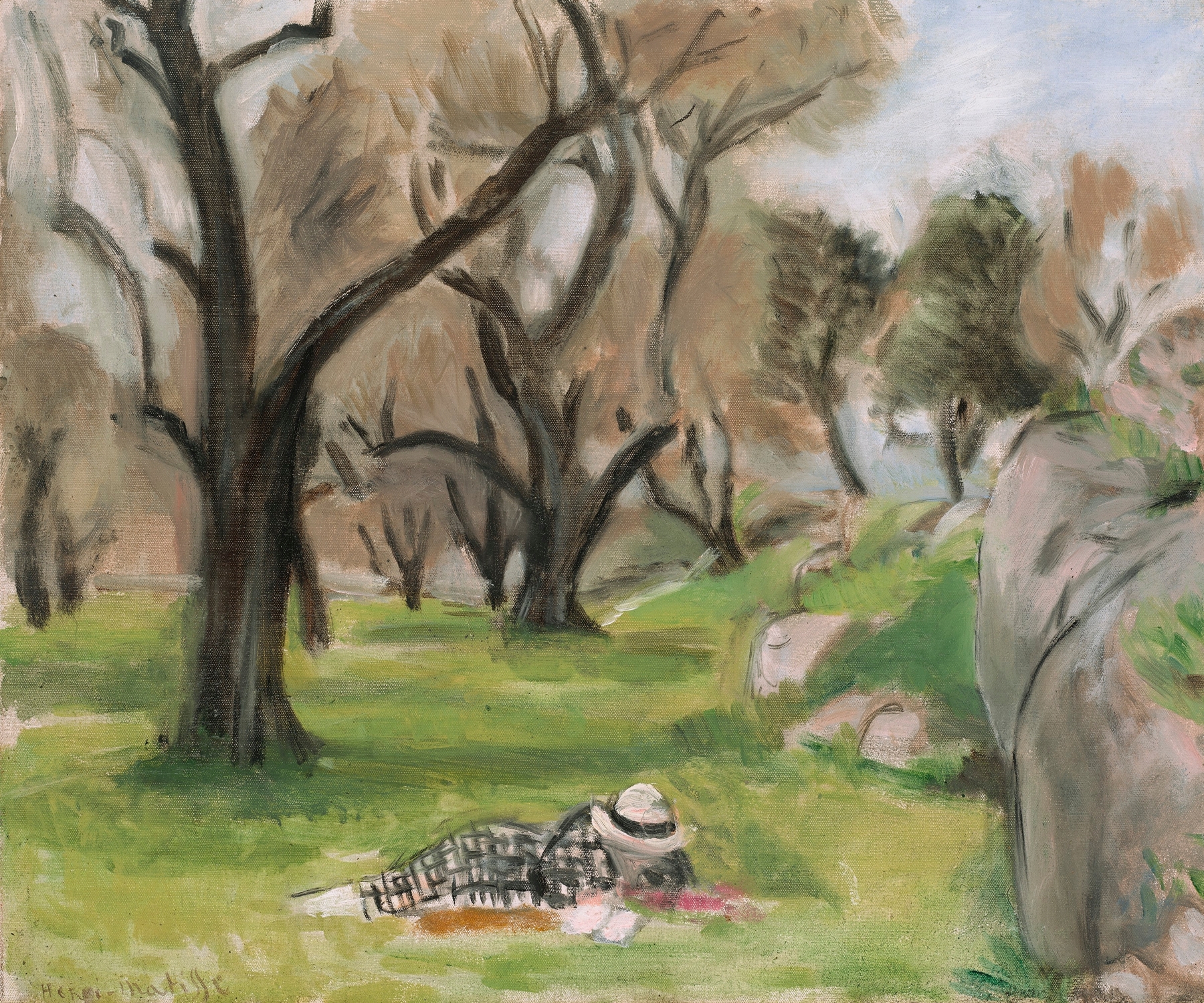
Paysage du Midi
Henri Matisse
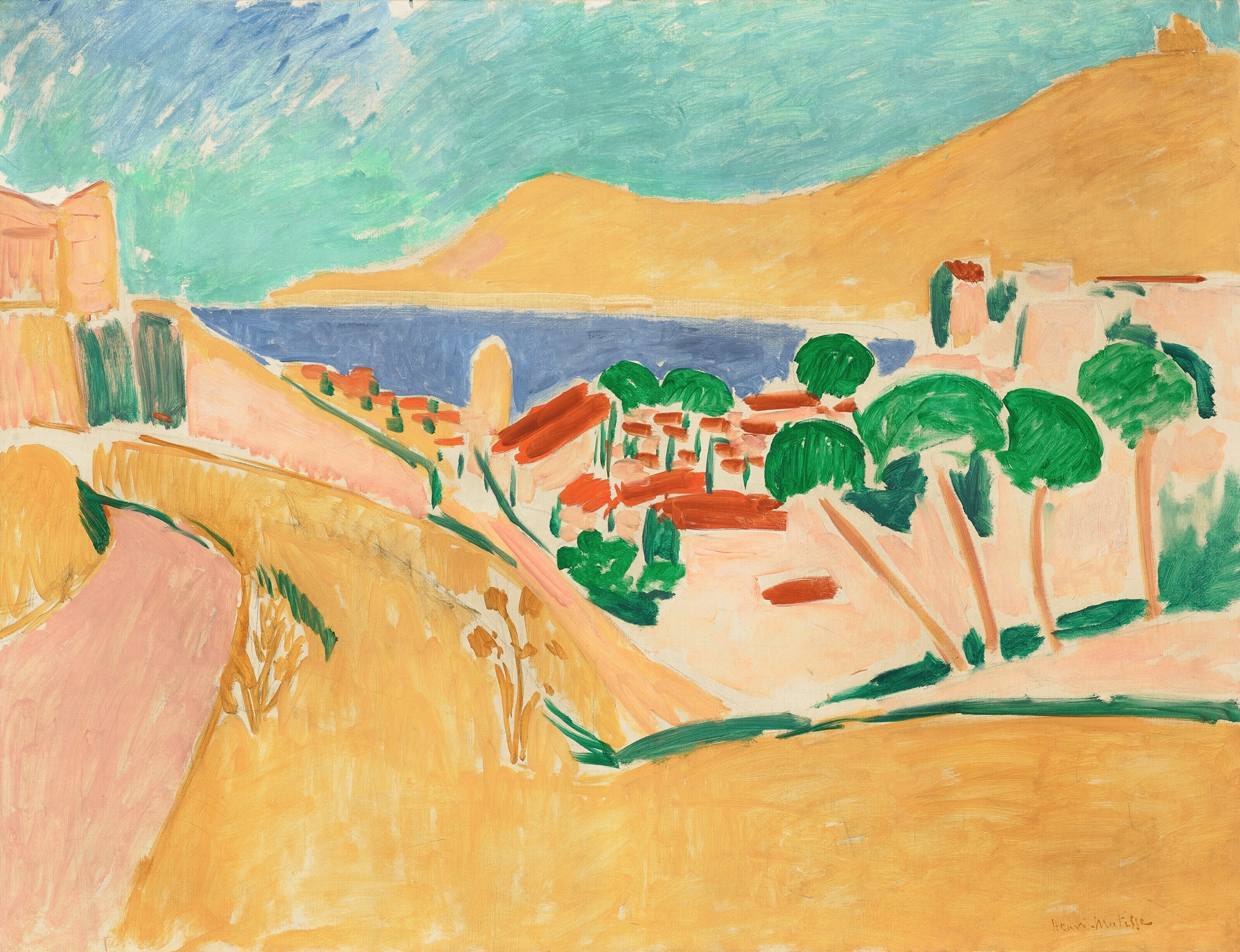
Collioure en août
Henri Matisse