
Etude d'un homme nu (Study of a Nude Man) — History & Facts
When Théodore Géricault entered the École des Beaux-Arts in Paris in 1810, he was just nineteen, but already determined to challenge the conventions of academic art. Etude d'un homme nu (Study of a Nude Man) is one of his earliest surviving works from this formative period, created as part of the rigorous training in life drawing that every aspiring painter underwent. What makes this study remarkable is that it foreshadows the raw physicality and psychological intensity that would later define Géricault's mature masterpieces.
The young artist’s bold handling of anatomy and light caught the attention of his teachers, and even at this stage, his work stood out in the crowded studios of the Academy. The study presents a male figure, stripped of narrative context, posed in a way that emphasizes both muscular tension and vulnerability. The model’s limbs are arranged to reveal the play of light across sinew and bone, his gaze averted as if lost in thought or perhaps weary from holding the pose. Unlike the idealized nudes of Jacques-Louis David, who favored smooth, marble-like flesh, Géricault insists on the reality of the human body—its weight, imperfections, and latent energy.
The focus on the model’s back and the subtle twist of his torso invite the viewer to consider not just the form, but the effort and humanity behind it. In this, Géricault aligns more closely with the expressive studies of Michelangelo, yet his approach is distinctly modern, seeking truth over ideal. The precise provenance of Etude d'un homme nu is uncertain, as is typical for academic studies from this era, which were rarely intended for public display. Such works commonly remained in the artist’s studio or were passed among fellow students and teachers as demonstrations of skill.
For Géricault, these early studies were crucial exercises that laid the groundwork for his later, more ambitious paintings, such as The Raft of the Medusa. Today, this drawing is valued not only as a testament to his technical training but also as a glimpse into the restless energy that would soon transform French painting. It survives as a rare witness to the beginnings of a restless and revolutionary talent.
More Artworks by Théodore Géricault
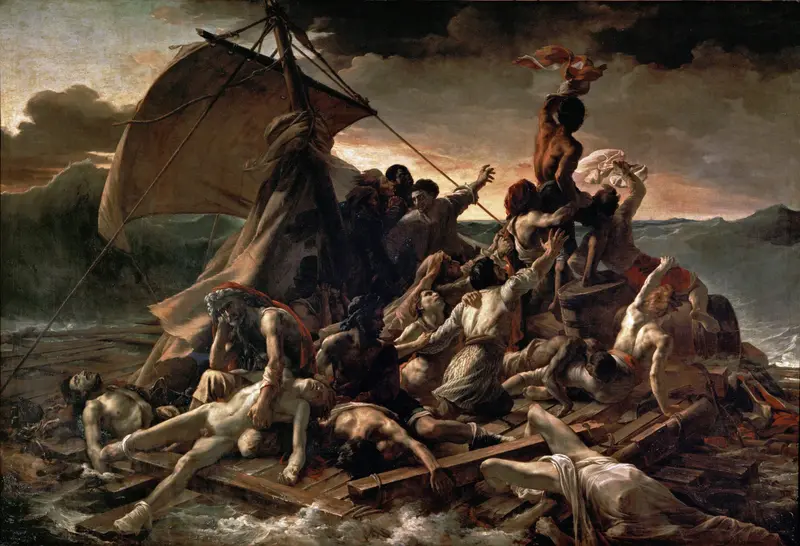
The Raft of the Medusa
Théodore Géricault

Géricault - Le naufrage du radeau de la Méduse, MBA 790
Théodore Géricault
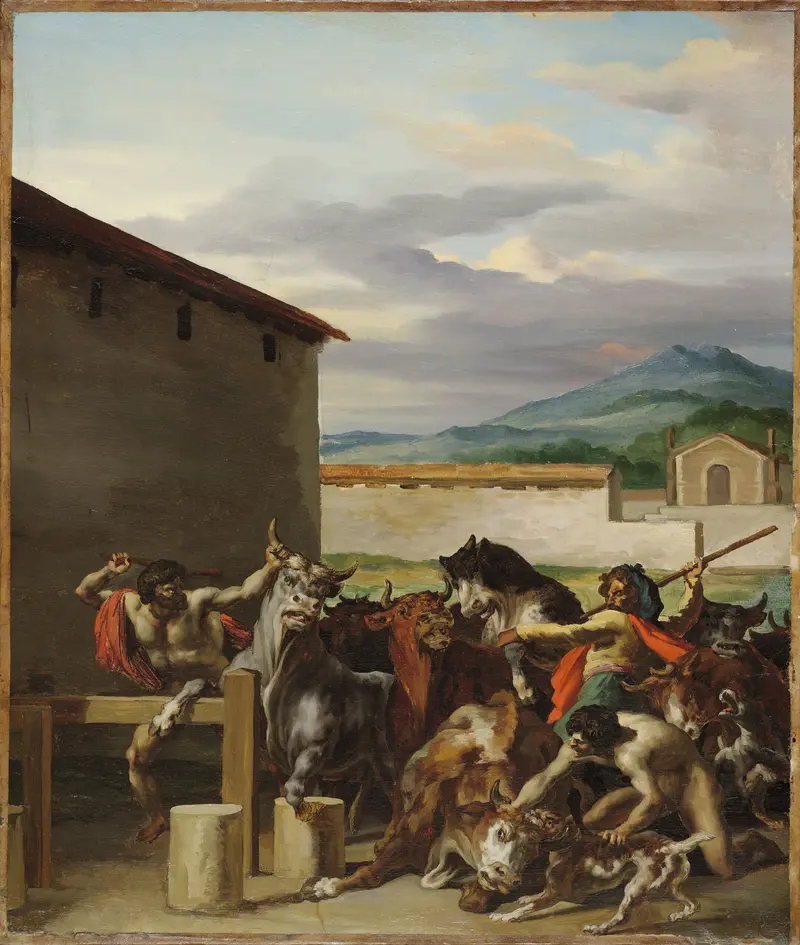
Cattle Market
Théodore Géricault
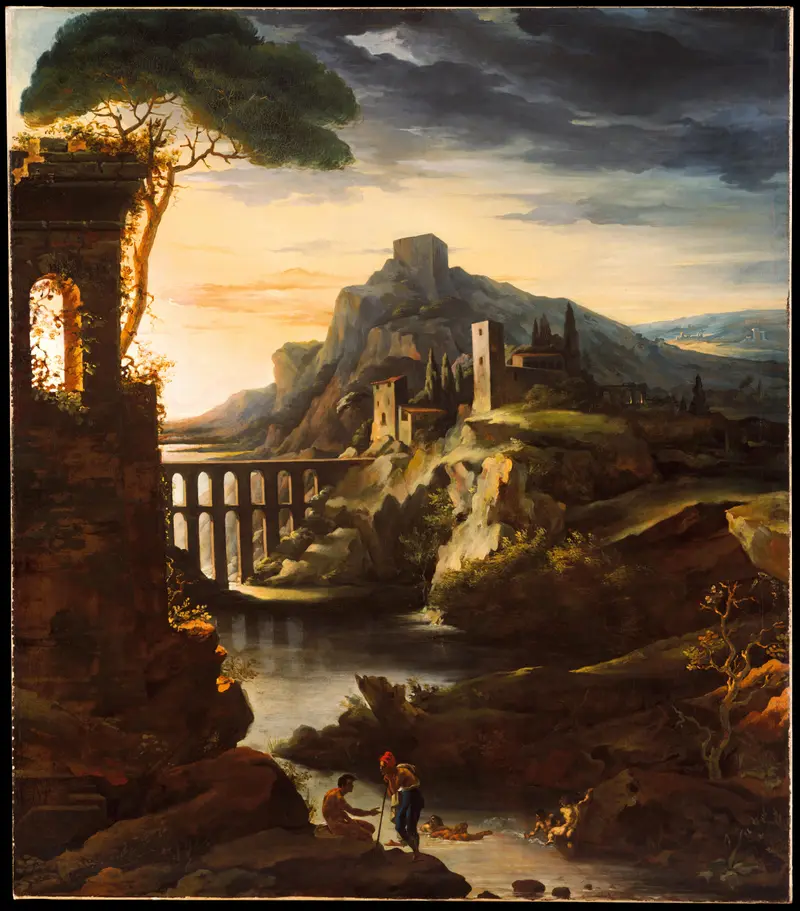
Evening; Landscape with an Aqueduct
Théodore Géricault
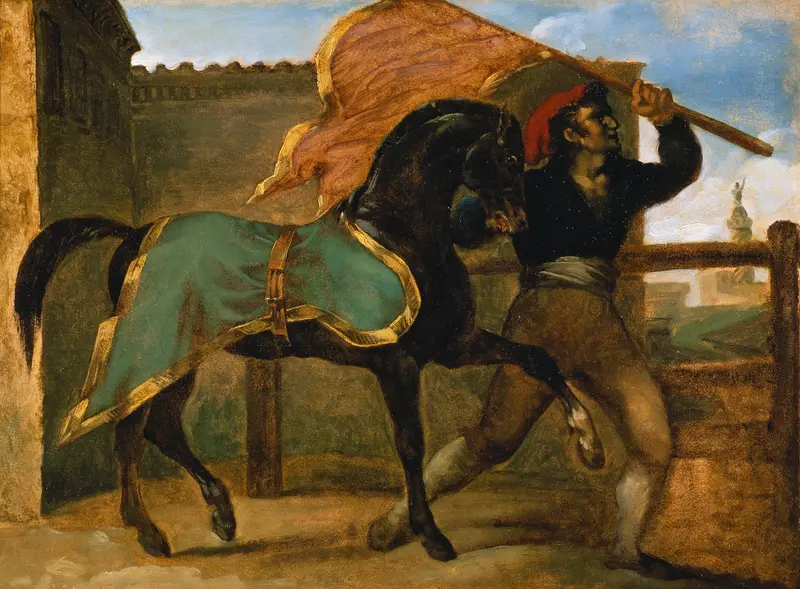
Horse Race
Théodore Géricault

Horses Standing in a Mews
Théodore Géricault
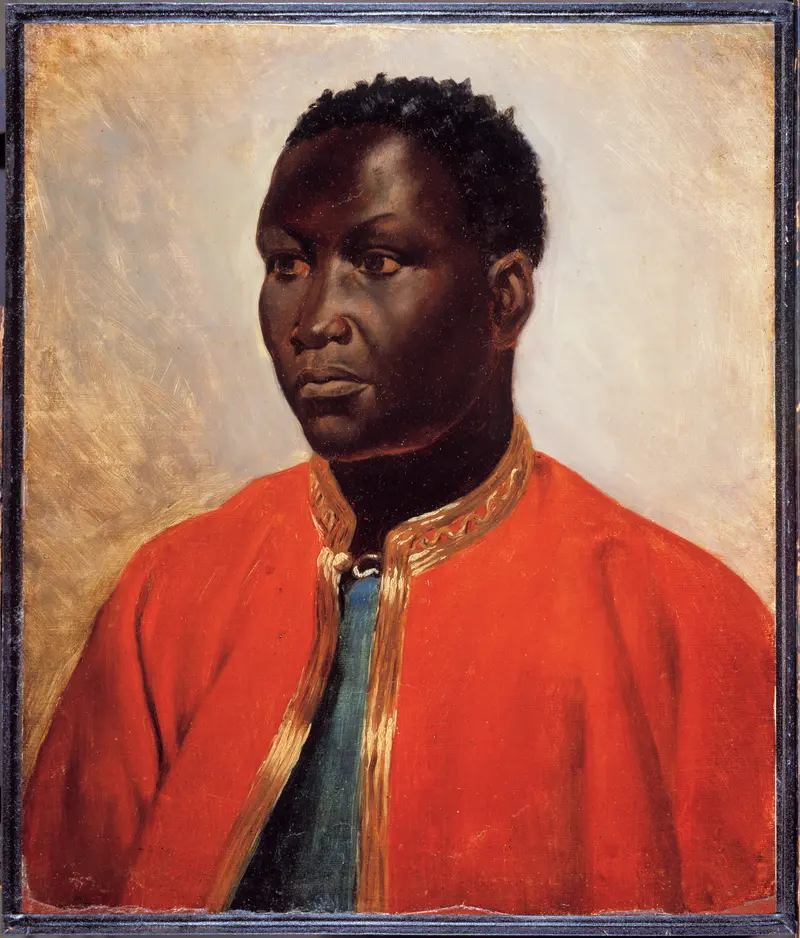
Portrait of a Negro
Théodore Géricault
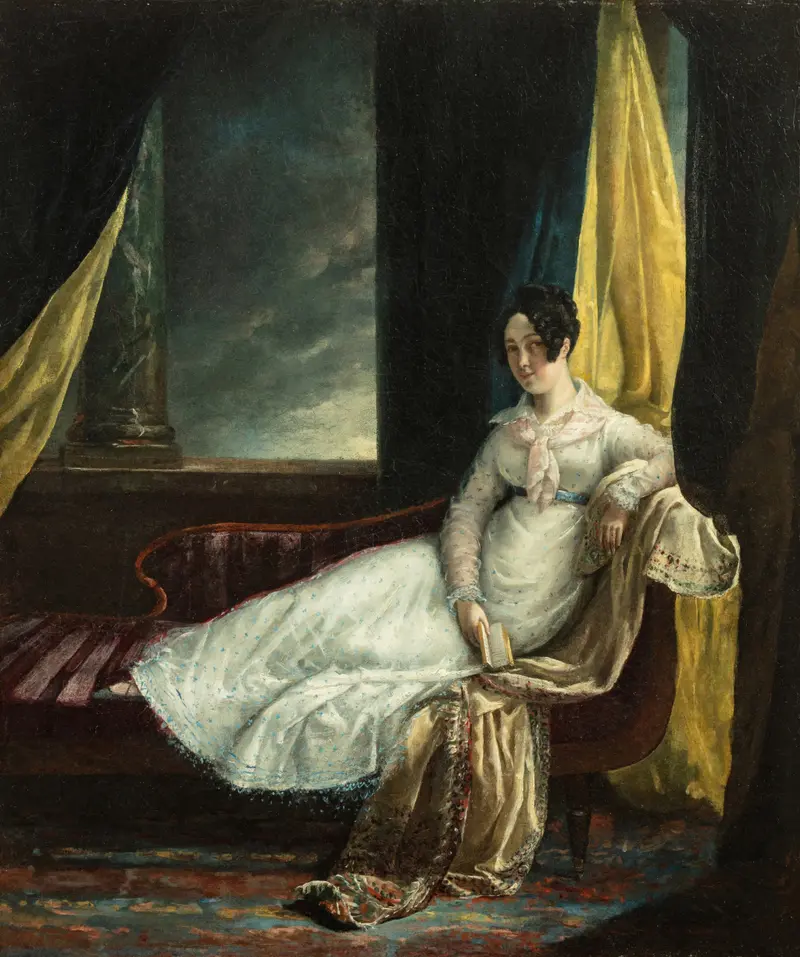
Portrait of Zoë Elmore
Théodore Géricault
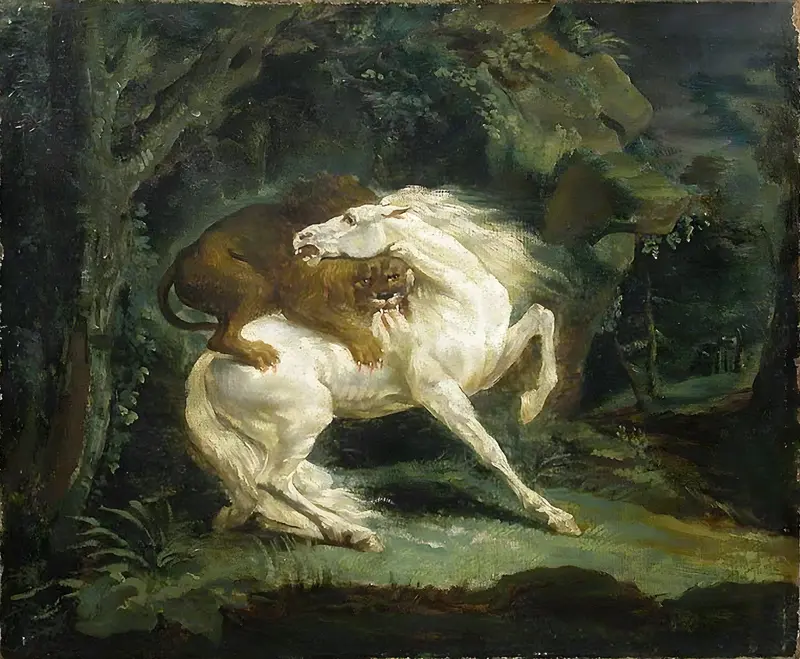
Cheval attaqué par un lion
Théodore Géricault
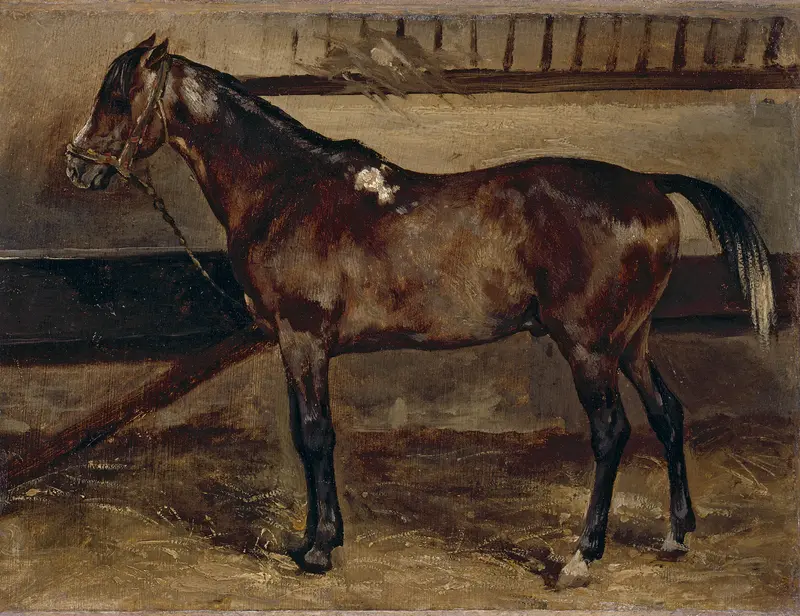
Cheval brun à l'écurie
Théodore Géricault



