Discover insights about this artwork
Étude de vaches — History & Facts
In Étude de vaches, Eugène Boudin presents a tranquil scene featuring cows grazing in a lush green landscape. The painting is characterized by soft, natural colors, predominantly greens and browns, which create a serene atmosphere. The cows are depicted with attention to detail, showcasing their forms and textures against the backdrop of a gentle sky.
This idyllic setting invites viewers to appreciate the simplicity of rural life. The painting is executed in oil on canvas, allowing for rich textures and depth in the colors. Boudin's brushwork is loose yet deliberate, capturing the essence of the cows and their environment. The composition is balanced, with the cows positioned harmoniously within the landscape.
This technique is typical of Boudin's style, reflecting his commitment to realism and observation of nature. Eugène Boudin was a pioneer of plein air painting and is often regarded as a precursor to Impressionism. He had a profound influence on artists like Claude Monet, who admired his ability to capture light and atmosphere. Étude de vaches is a testament to Boudin's love for the French countryside and his dedication to portraying its beauty.
Interestingly, this work exemplifies his focus on animal subjects, which he often included in his landscapes.
More Artworks by Eugène Boudin
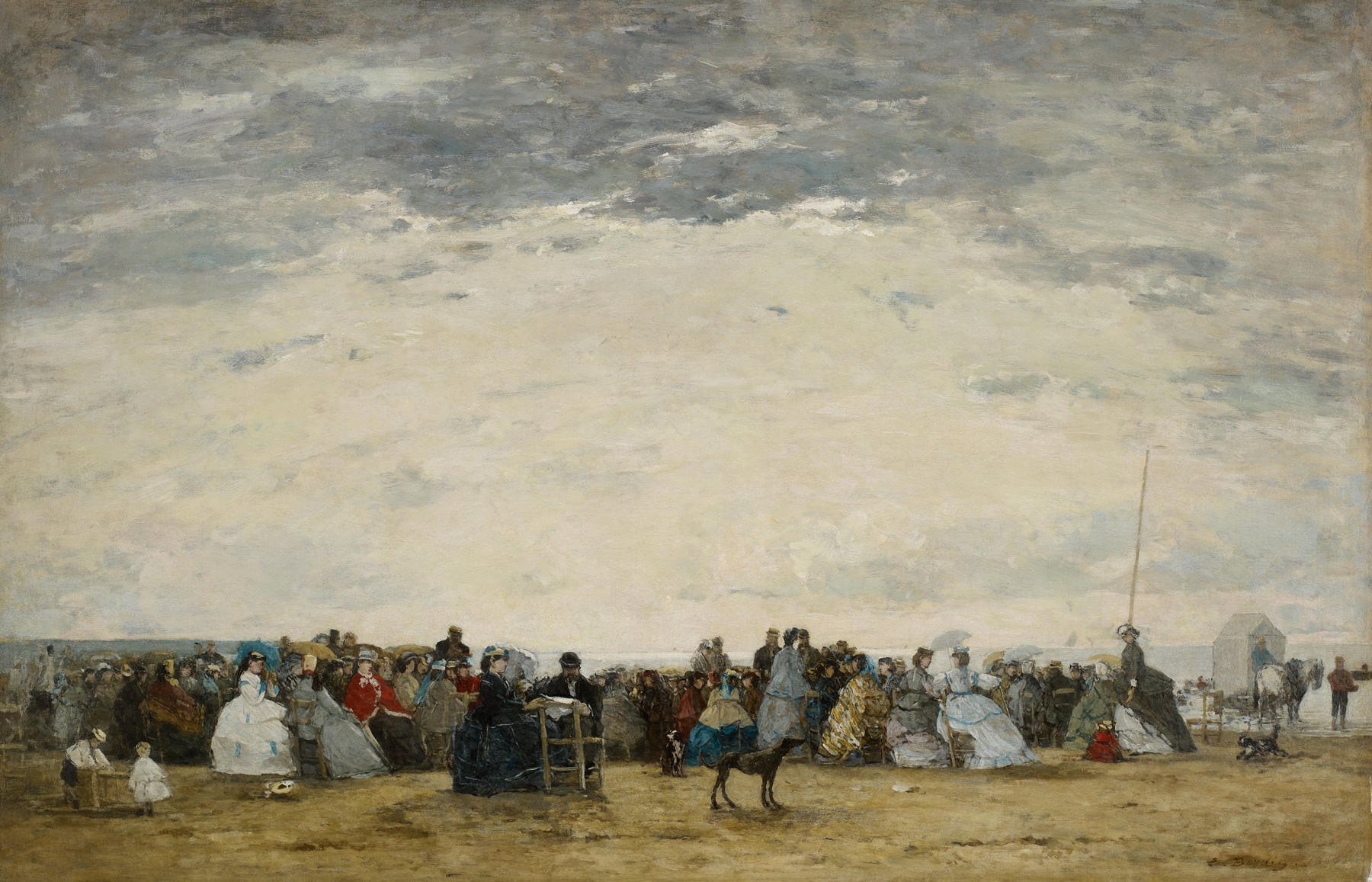
Vacationers on the Beach at Trouville
Eugène Boudin
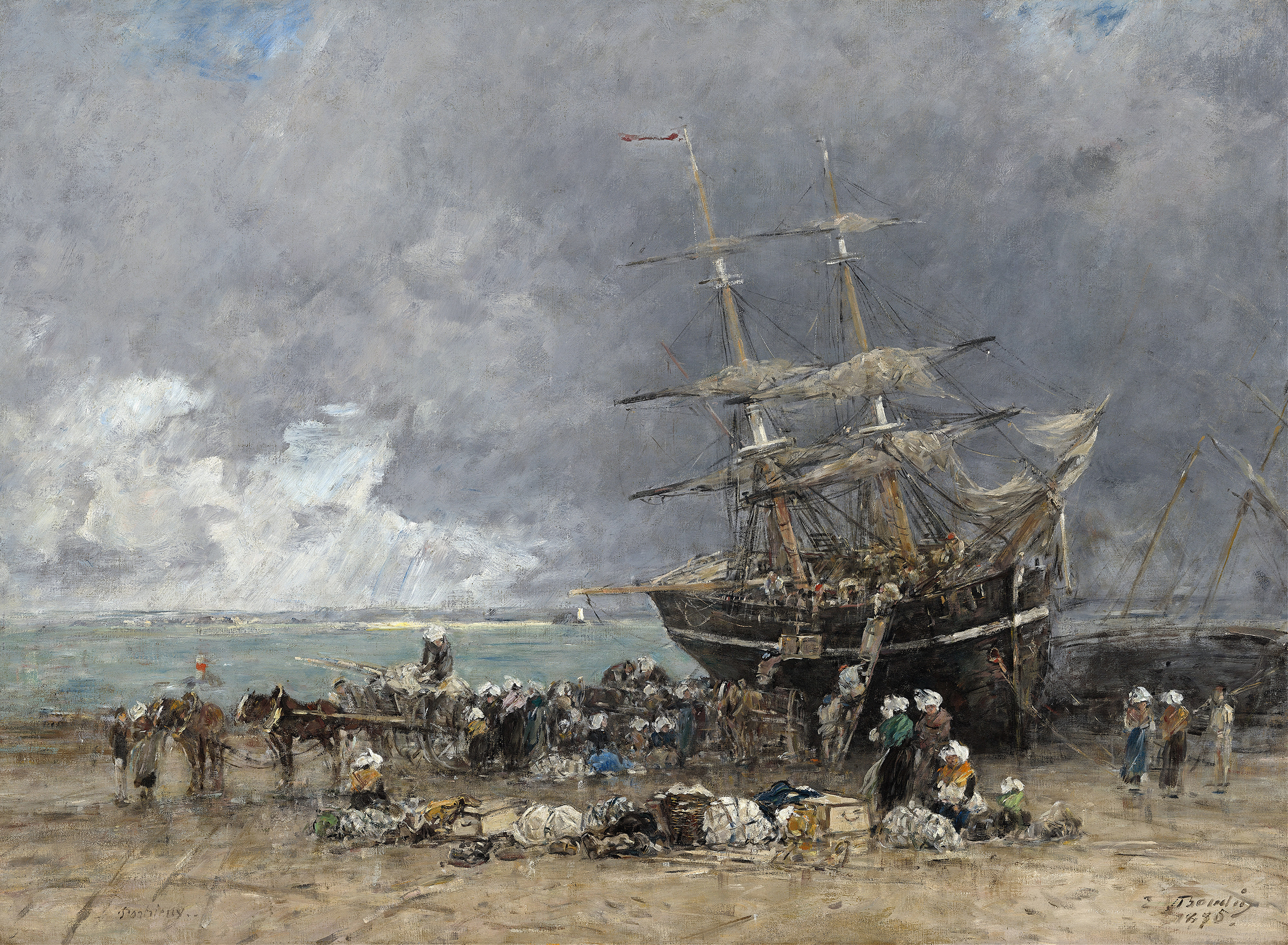
Return of the Terre-Neuvier
Eugène Boudin
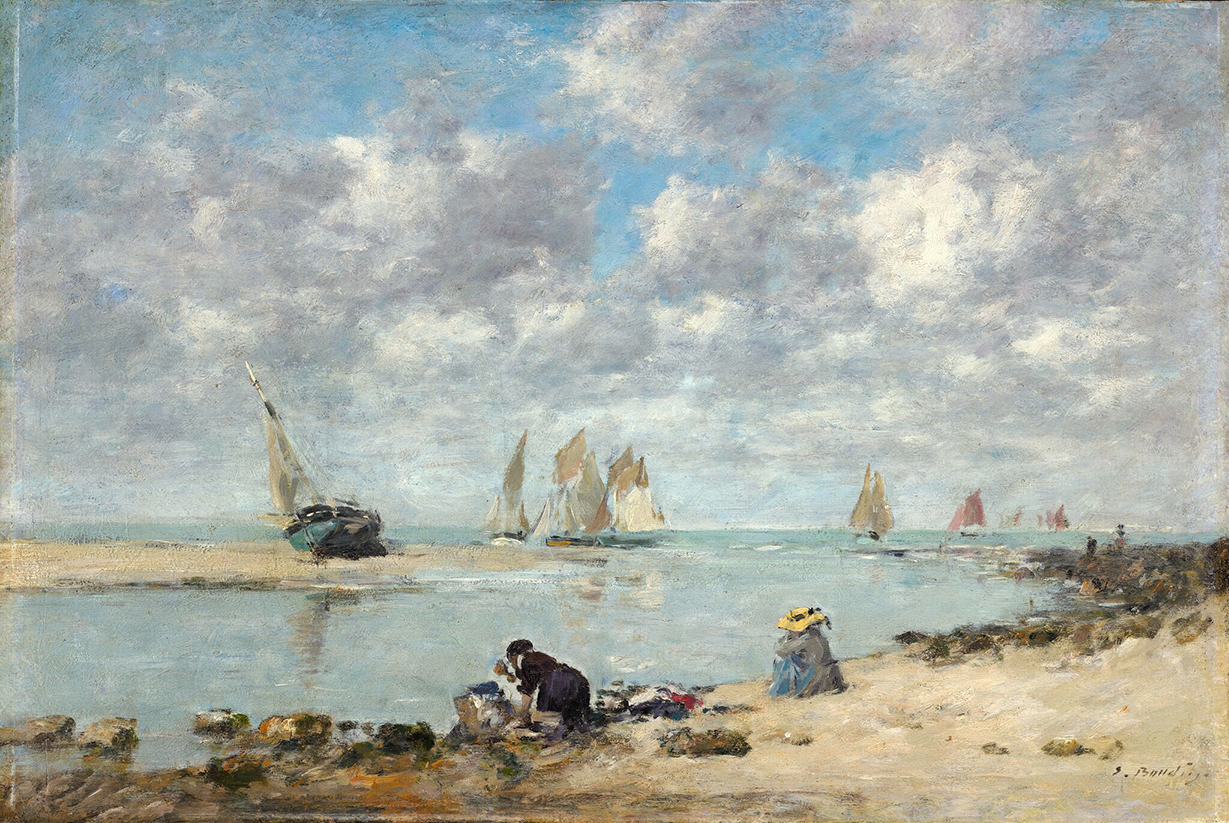
Washerwoman near Trouville
Eugène Boudin
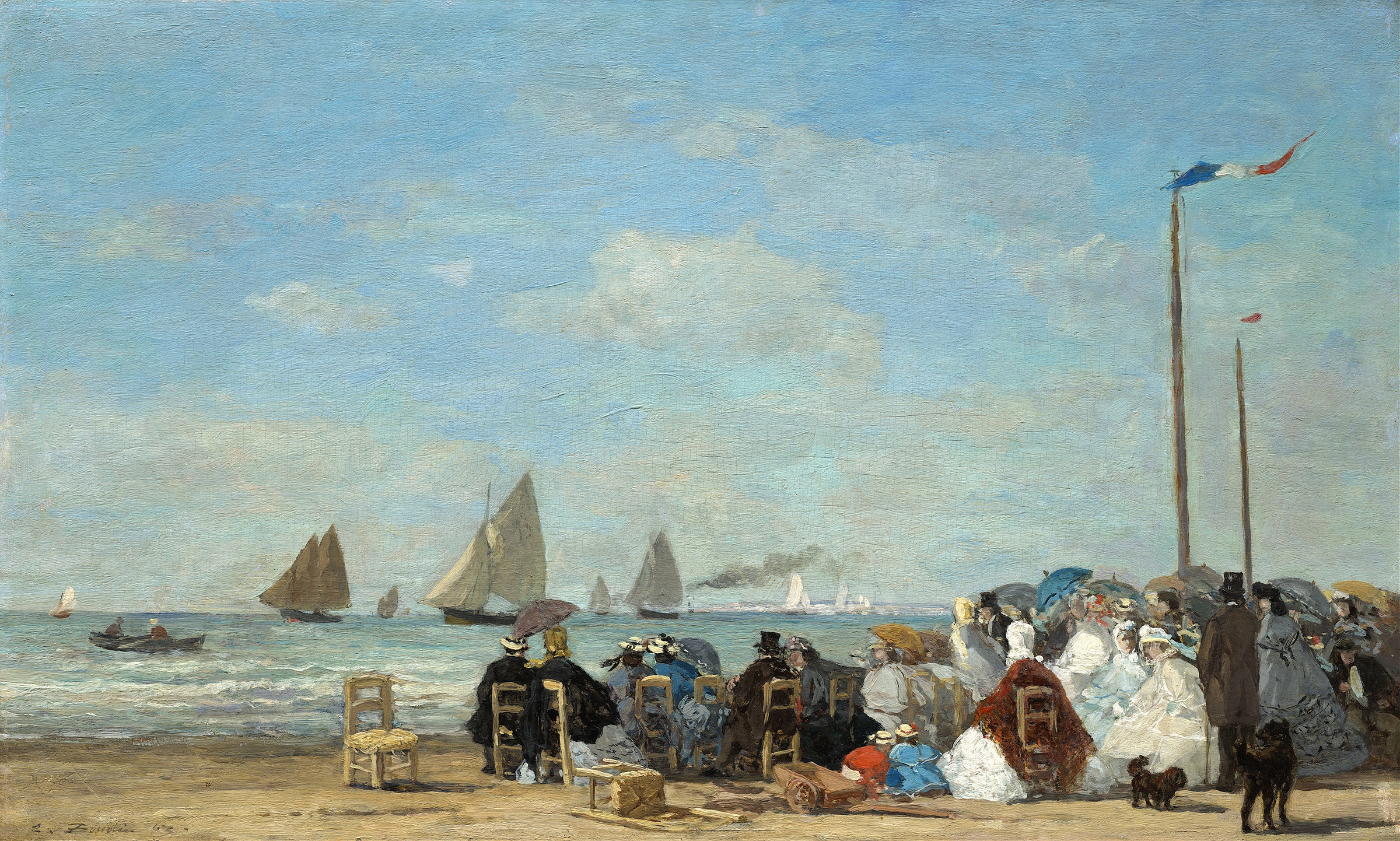
Beach Scene at Trouville
Eugène Boudin
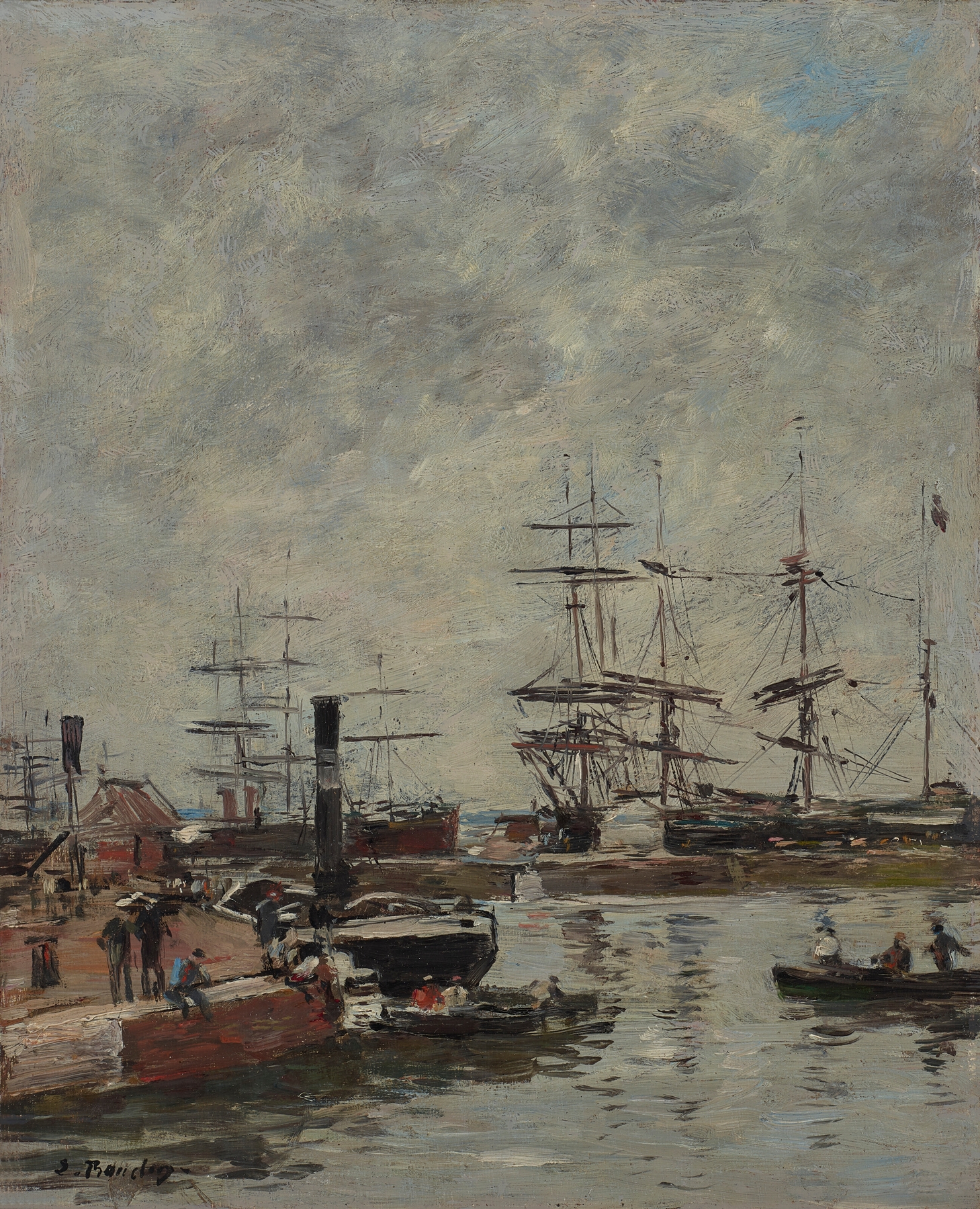
Port, navires à quai
Eugène Boudin
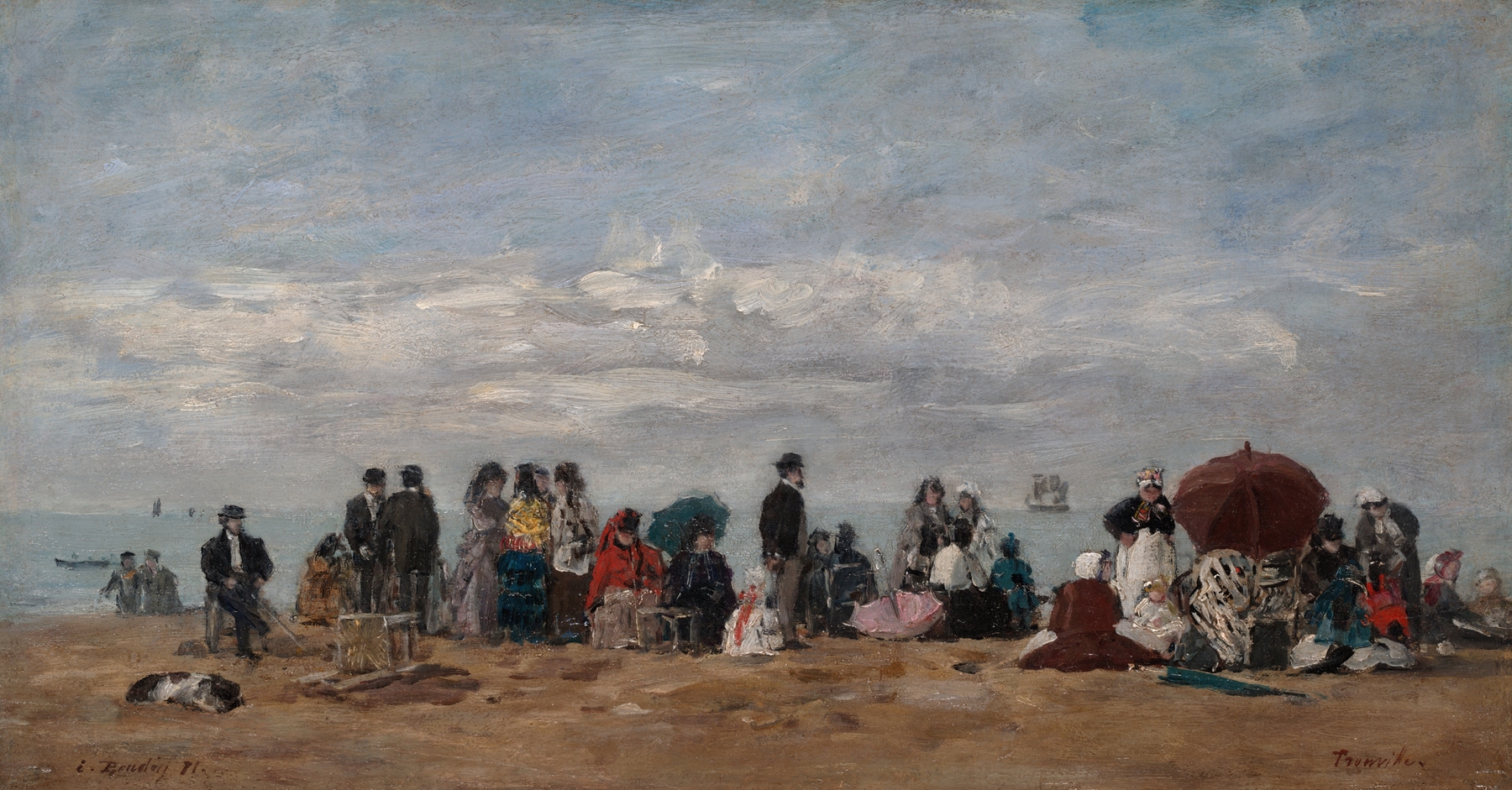
The Beach at Trouville
Eugène Boudin
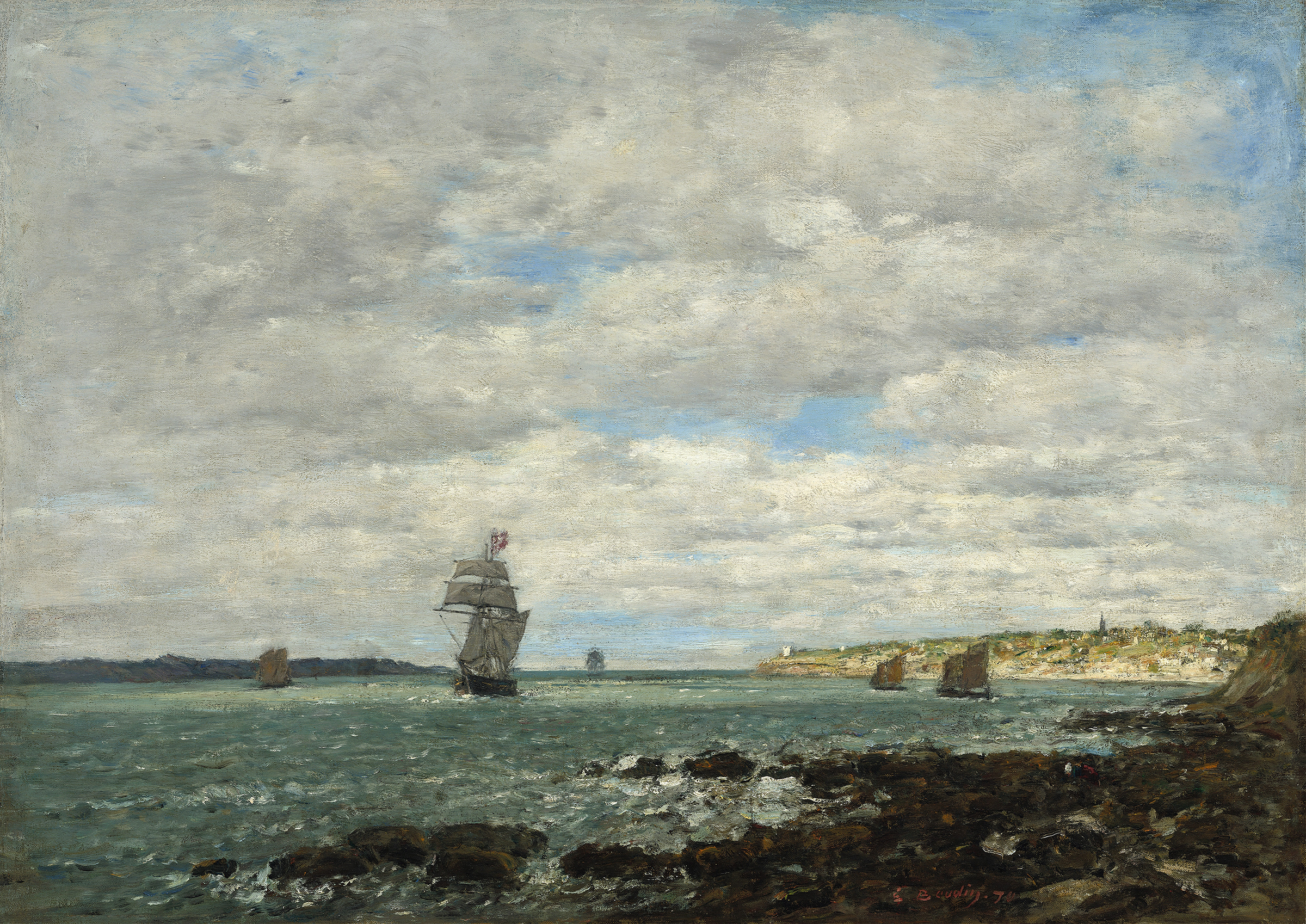
Coast of Brittany
Eugène Boudin
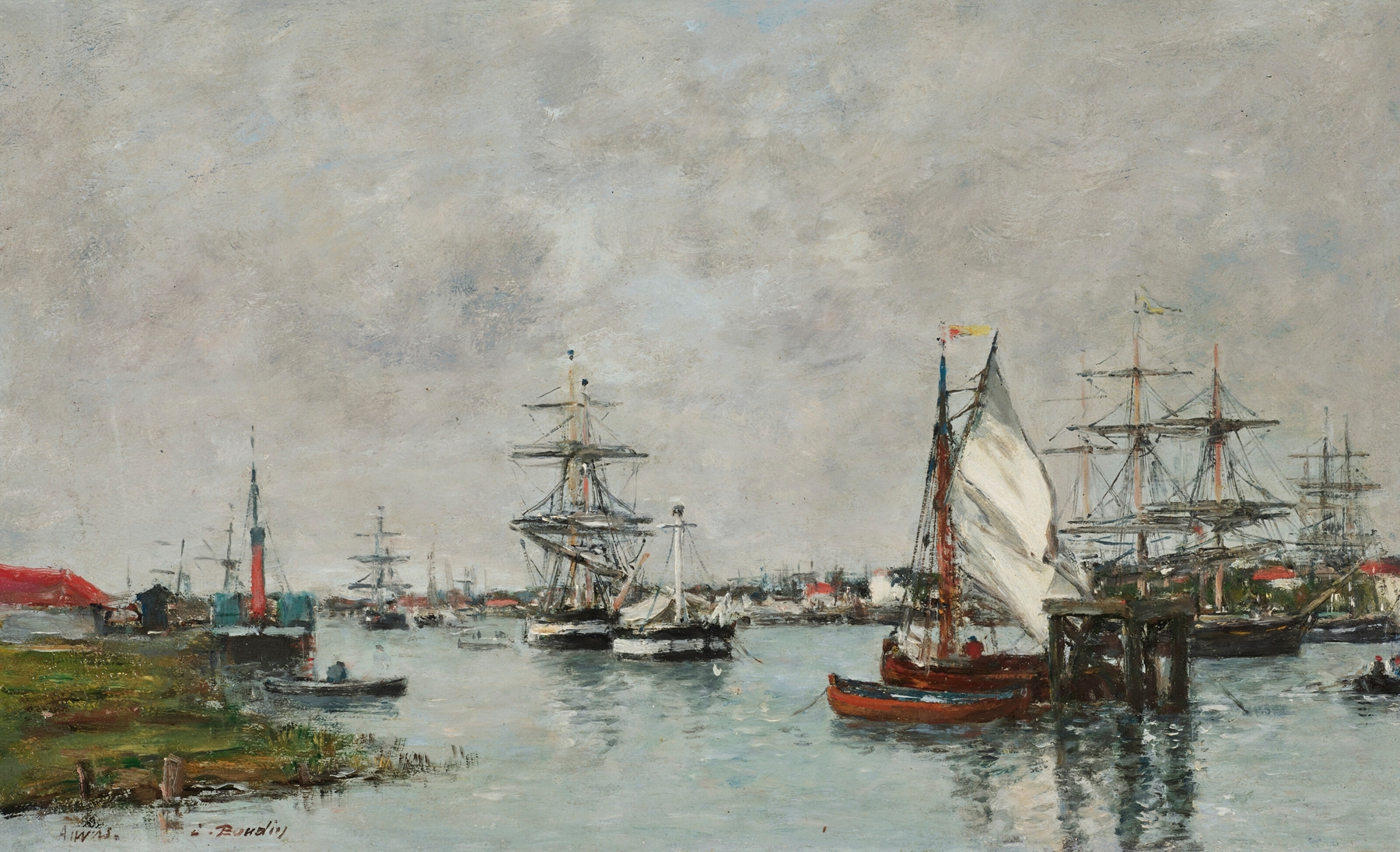
Port d’Anvers
Eugène Boudin
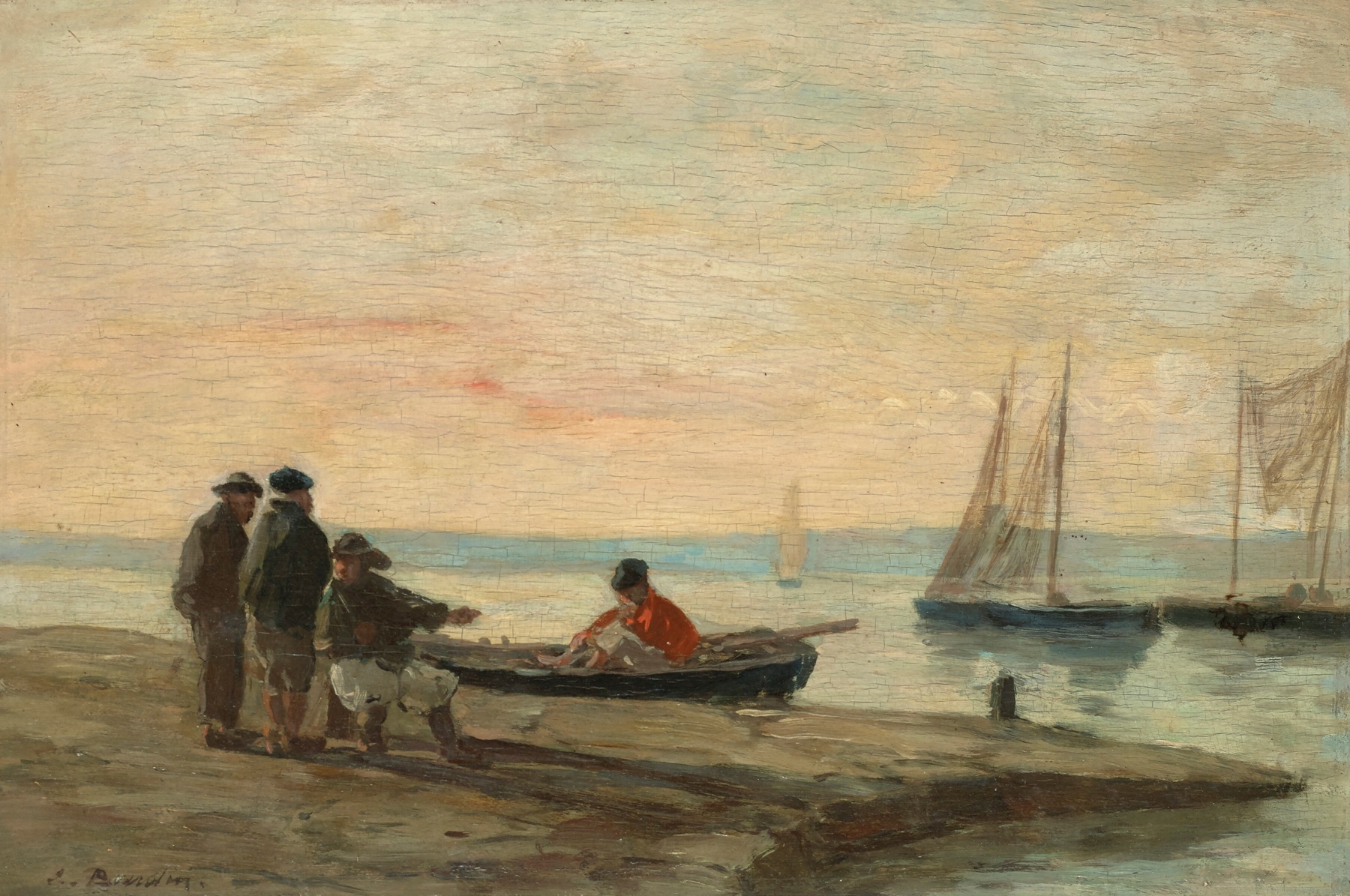
Port aux environs d’Honfleur
Eugène Boudin
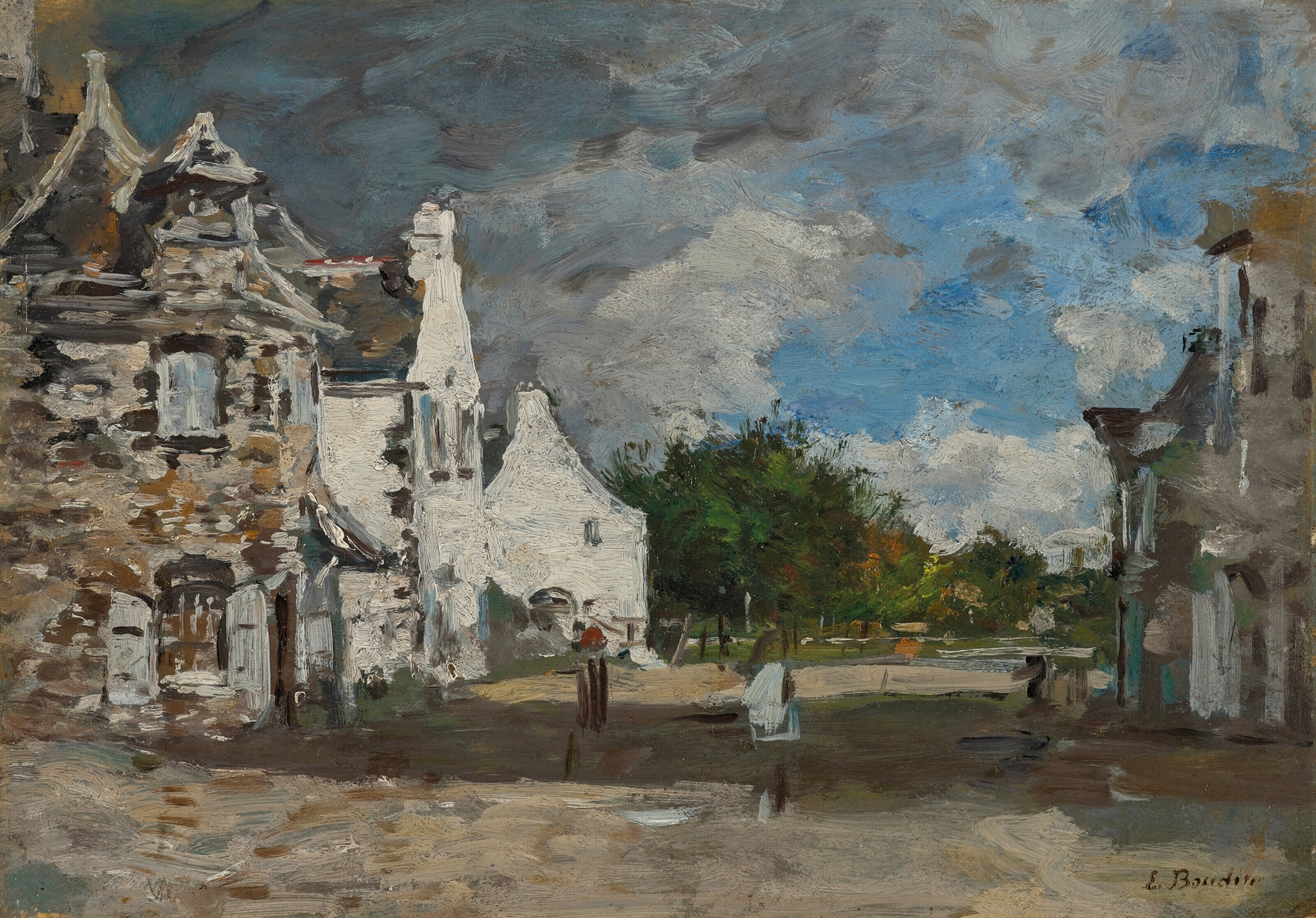
Le Faou, un coin du village
Eugène Boudin