
Discover insights about this artwork
étude pour la fée electricité — History & Facts
In étude pour la fée electricité, vibrant colors dominate the canvas, with bold strokes creating a lively atmosphere. The composition features abstract forms that suggest movement and energy, reflecting the theme of electricity. Figures dance across the surface, their outlines blurred, enhancing the sense of dynamism.
The background is filled with bright hues, creating a sense of joy and celebration. The painting is executed in oil on canvas, showcasing Dufy's characteristic use of color and form. The brushwork is loose and expressive, allowing the colors to blend and interact in a way that captivates the viewer. The dimensions are approximately 100 x 150 cm, making it a substantial piece that commands attention.
The work exemplifies the Fauvist style, emphasizing bold colors and emotional expression. Raoul Dufy was a prominent French painter associated with the Fauvism movement, known for his vibrant color palette and innovative compositions. étude pour la fée electricité was created as a preparatory study for a larger work, showcasing Dufy's fascination with the theme of electricity. An interesting fact about this piece is that it reflects the optimism of the early 20th century, a time when electricity was transforming daily life.
Dufy's work often celebrates modernity, making this piece a significant representation of that era.
More Artworks by Raoul Dufy
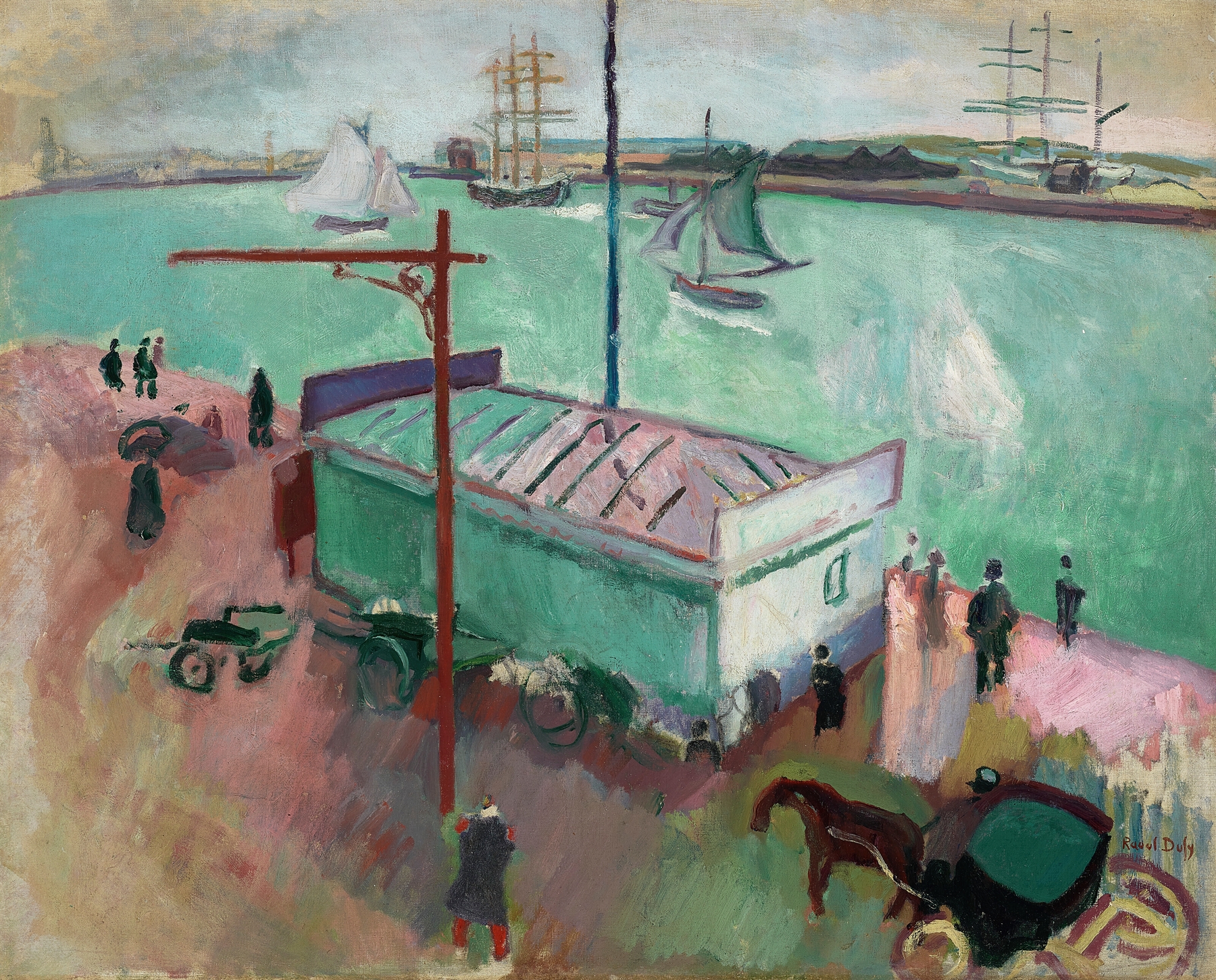
Le Port du Havre
Raoul Dufy
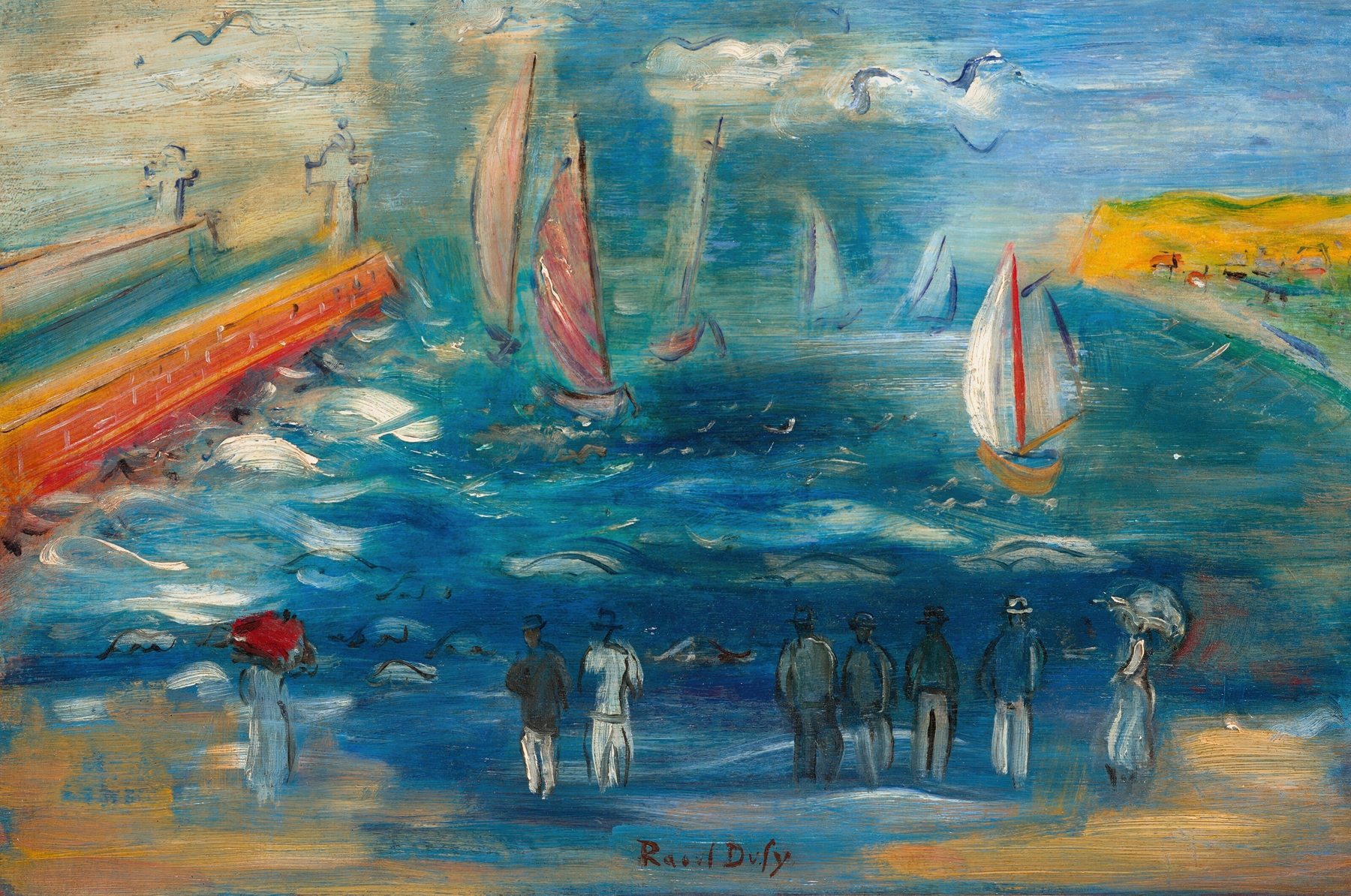
Départ des régates
Raoul Dufy
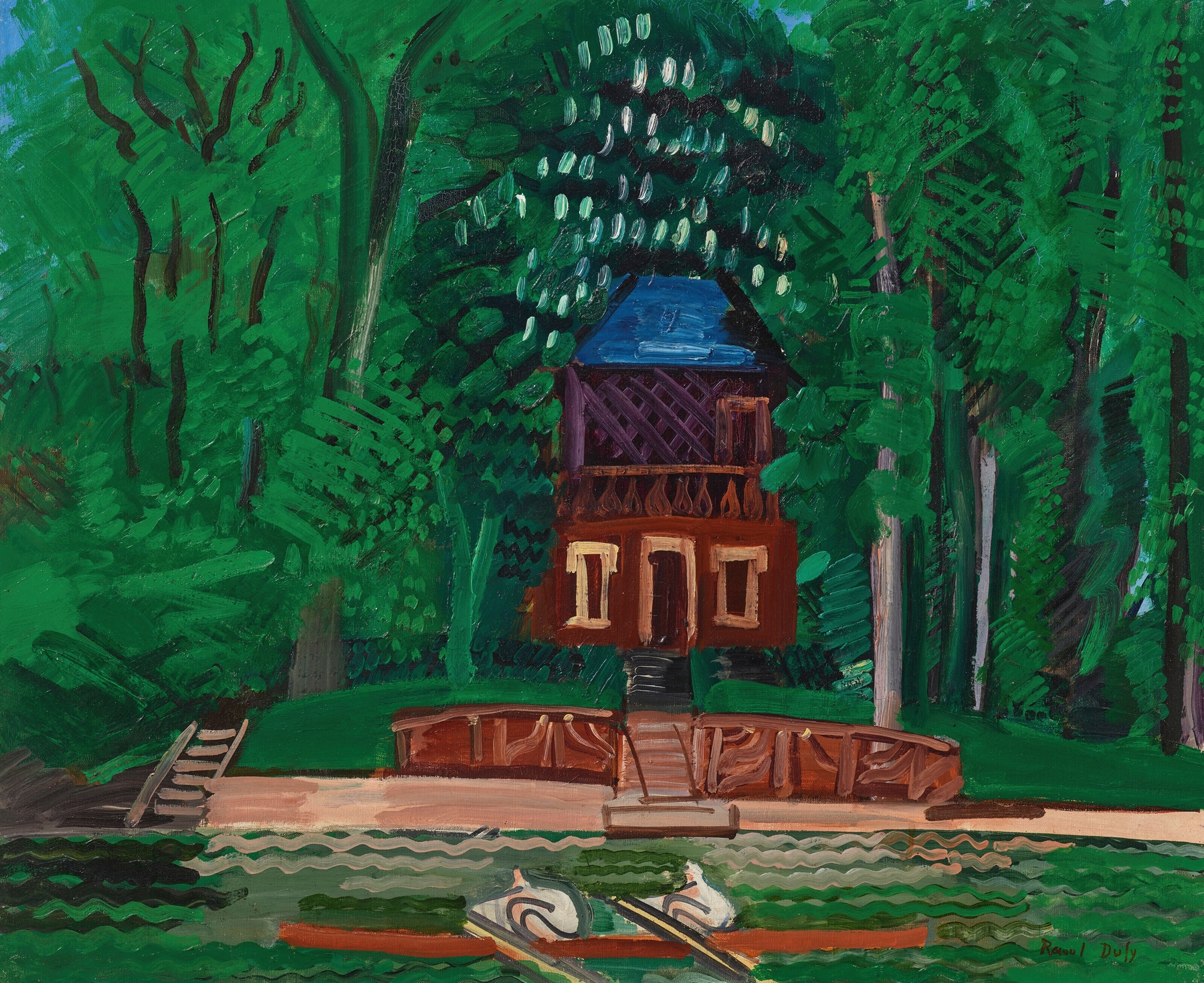
Les canotiers sur la Marne
Raoul Dufy
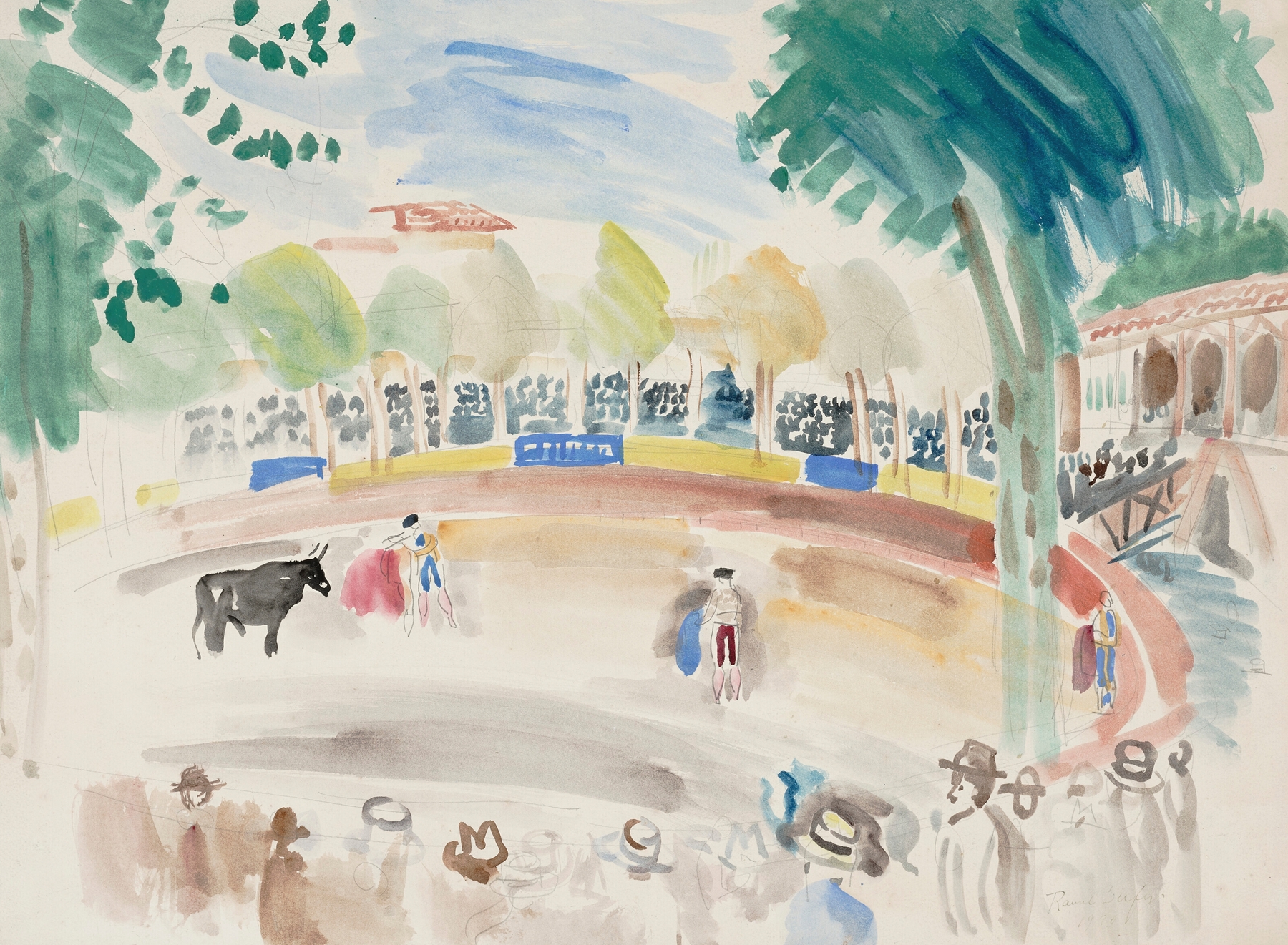
La corrida
Raoul Dufy
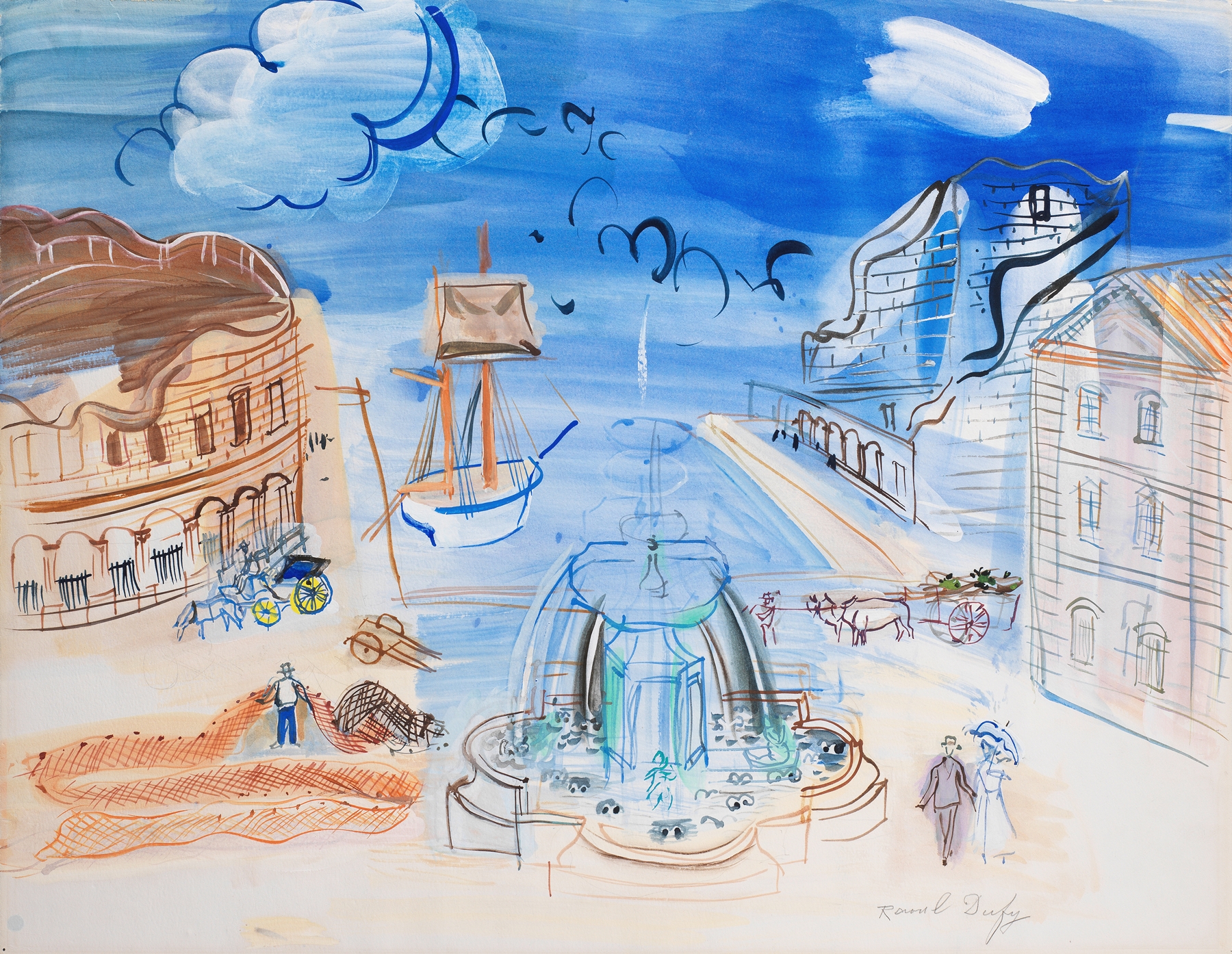
Composition au port et à la fontaine
Raoul Dufy
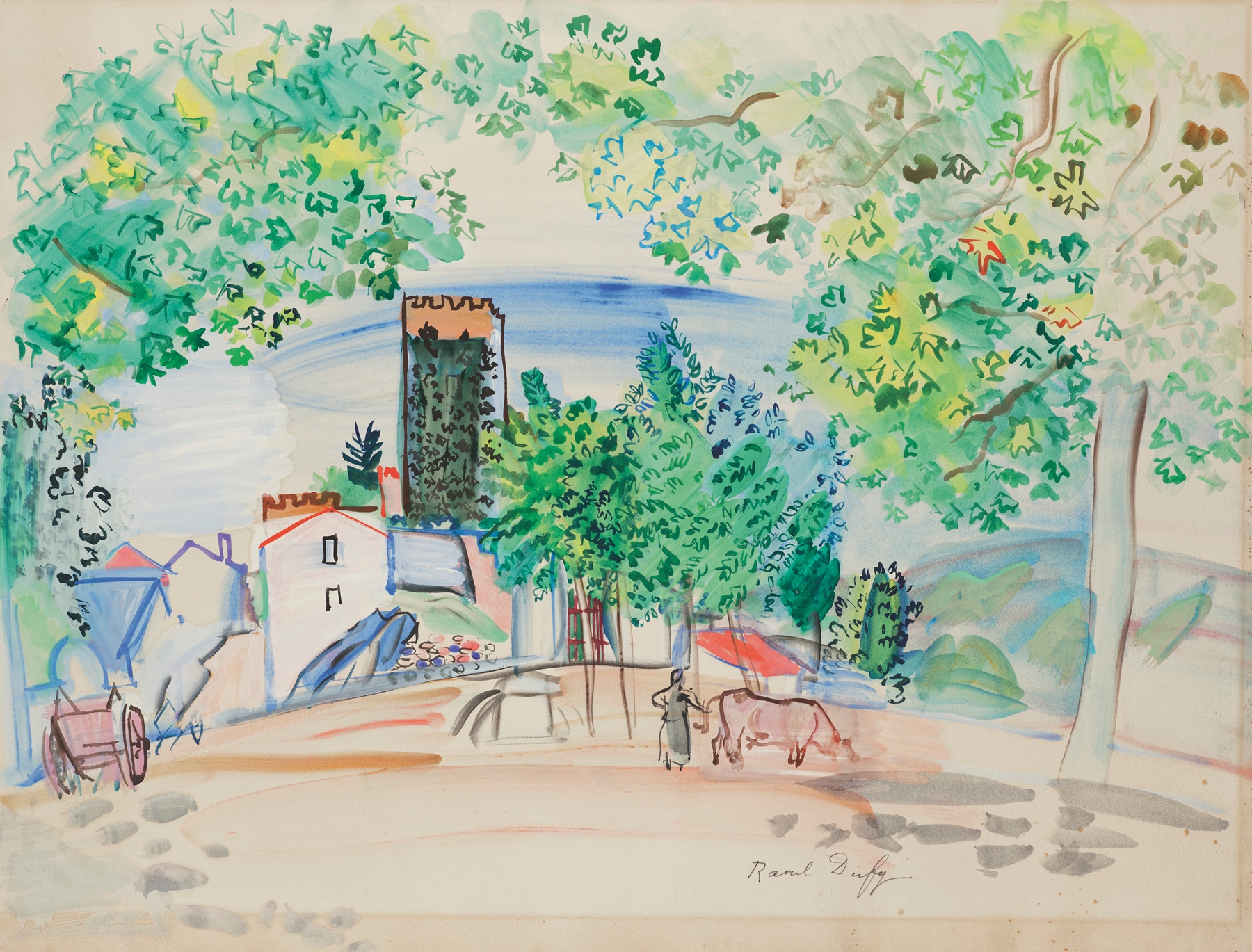
Vue de la Tour de Vernet-les-Bains
Raoul Dufy
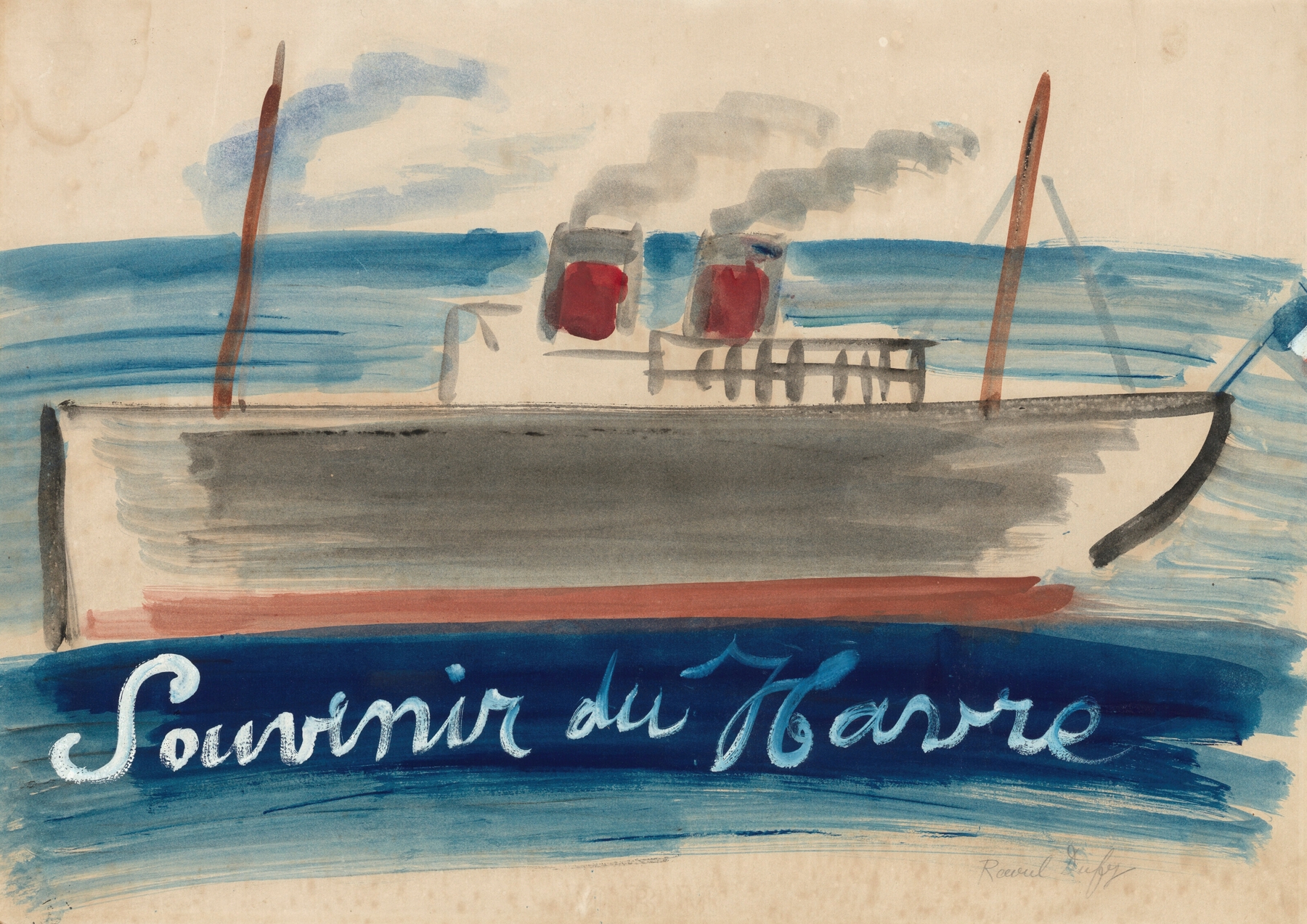
Souvenir du Havre
Raoul Dufy
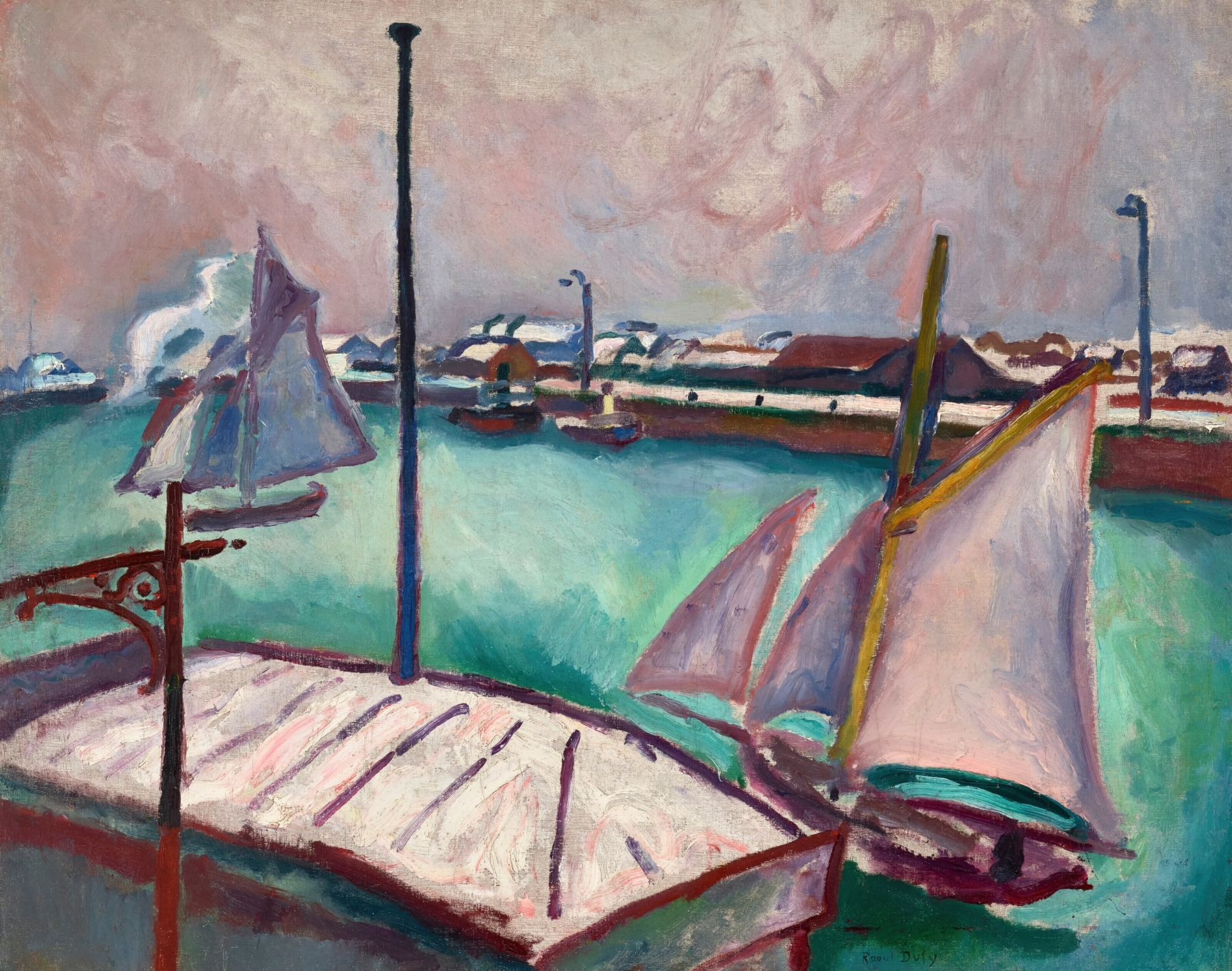
Les Barques
Raoul Dufy
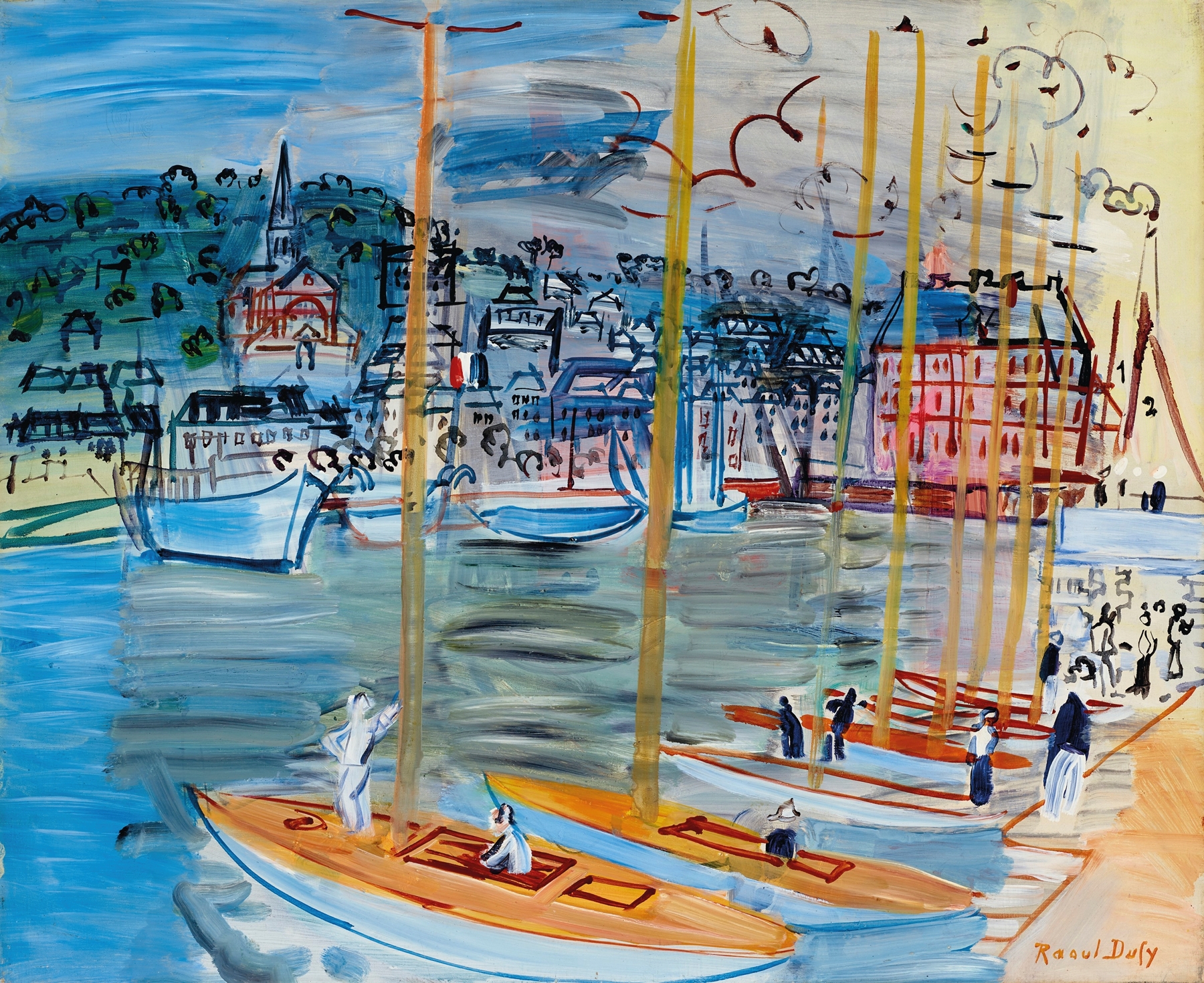
Le bassin de Deauville
Raoul Dufy
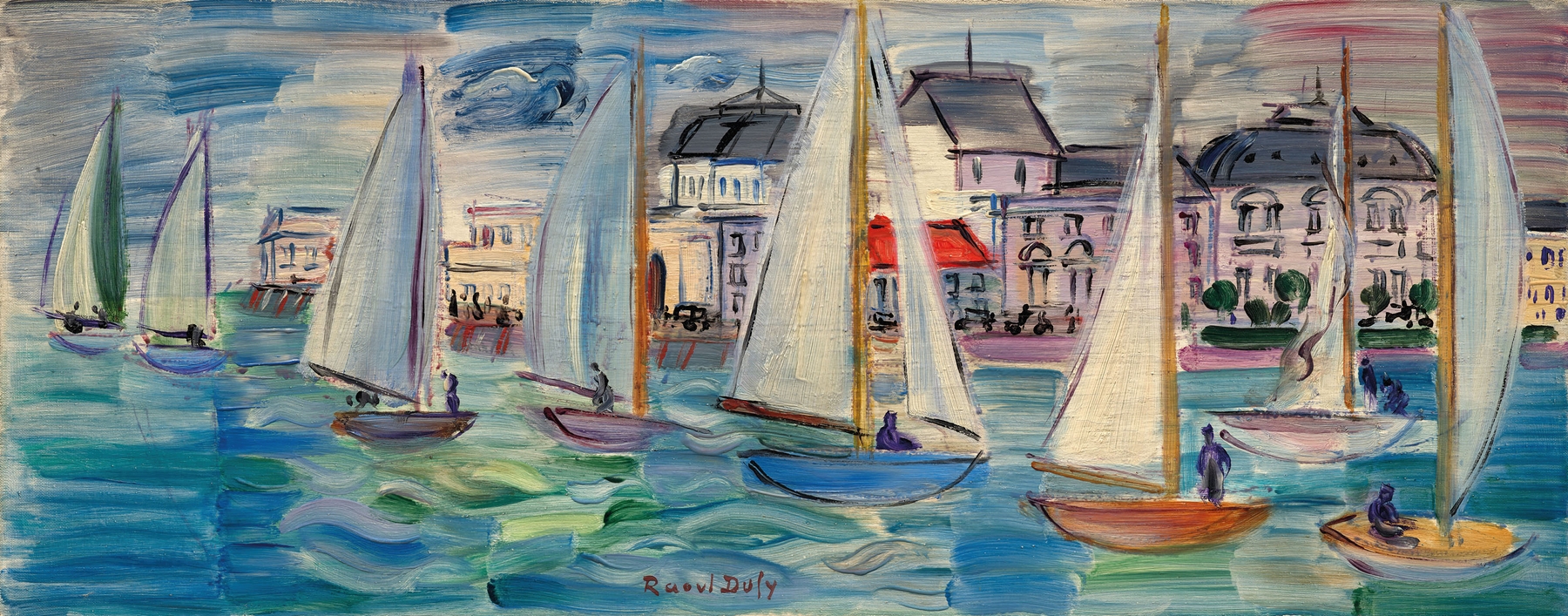
Régates à Deauville
Raoul Dufy
More Allegory Art
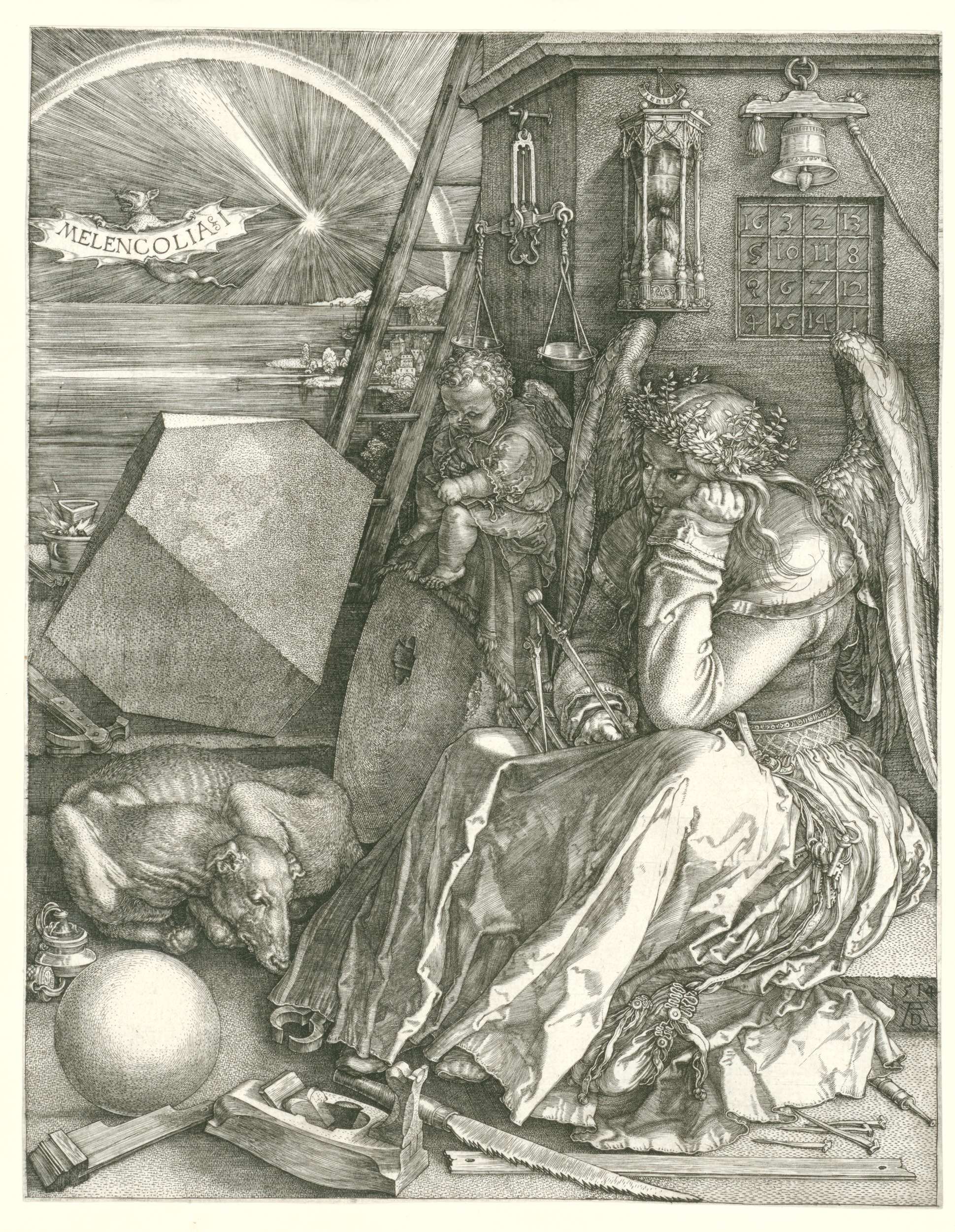
Melancholia
Albrecht Dürer
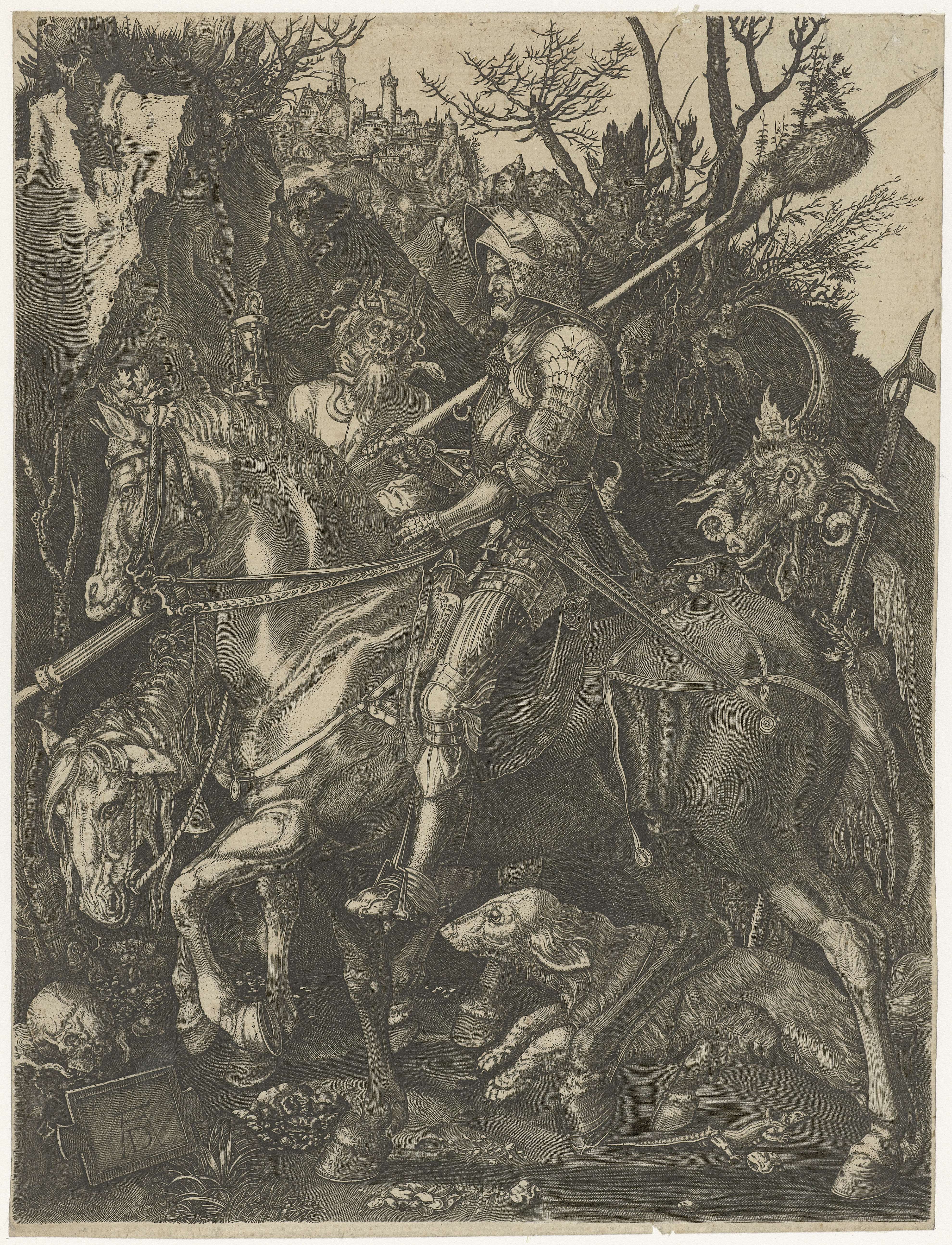
Ridder, Dood en Duivel
Unknown Artist
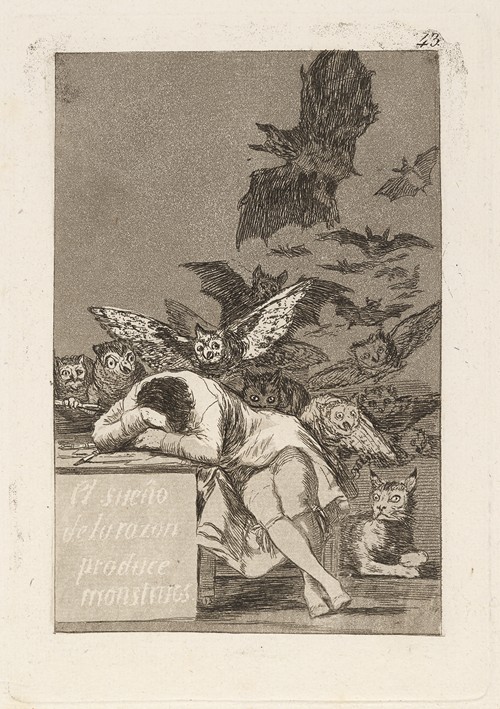
El sueño de la razon produce monstruos. (The sleep of reason produces monsters.)
Francisco de Goya
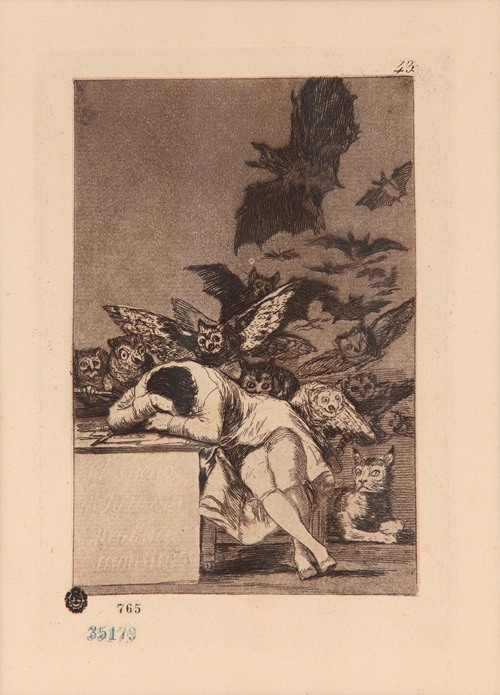
El sueño de la razon produce moustruos (Serie Caprichos)
Francisco de Goya
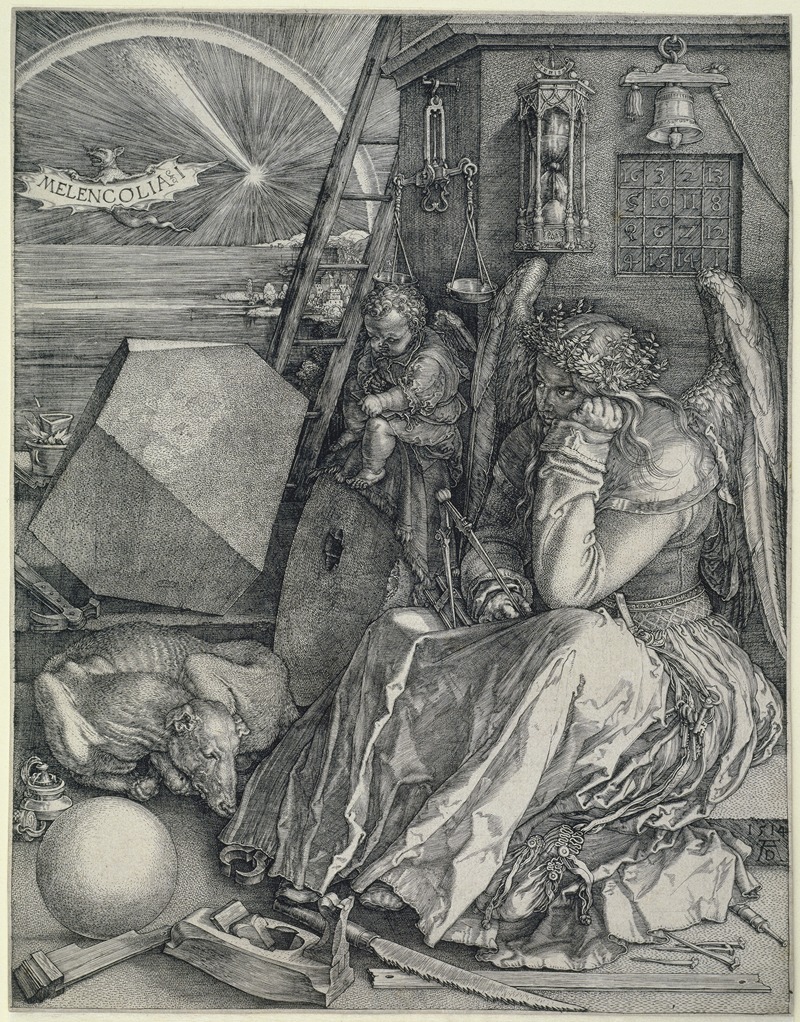
Melencolia I (The Melancholy)
Albrecht Dürer
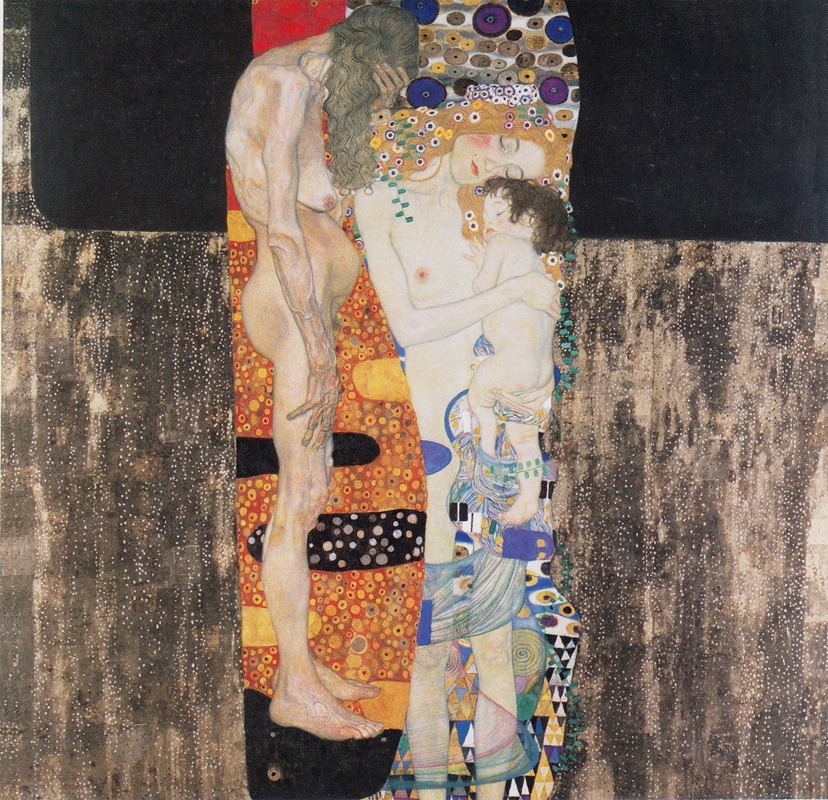
The Three Ages of the Woman
Gustav Klimt