
Étude pour le Paradis perdu: Adam — History & Facts
When Alexandre Cabanel unveiled Étude pour le Paradis perdu: Adam in 1865, he was at the height of his fame, having just completed his celebrated The Birth of Venus for the Paris Salon. This study forms part of a larger, ambitious project: a series of preparatory works exploring the biblical story of the Fall, which Cabanel never realized as a finished cycle. The painting captures a rare moment in his career when he was deeply engaged in translating epic religious narratives into the language of academic art.
Unlike his more polished Salon pieces, this étude offers a glimpse into Cabanel’s working process and his fascination with the human form as a vessel for spiritual drama. The scene Cabanel selects is the instant after Adam’s expulsion from Eden—a figure poised between innocence and loss. Adam’s body, rendered with classical precision, twists in a gesture of despair, his gaze cast downward as if searching for the paradise now lost to him. The play of light across his torso emphasizes both his vulnerability and his lingering nobility, while the shadowed background suggests the closing gates of Eden.
In contrast to Masaccio’s Expulsion from the Garden of Eden, where shame and anguish dominate, Cabanel’s Adam is marked by a quieter, more introspective grief, inviting the viewer to contemplate the psychological weight of exile. The precise provenance of Étude pour le Paradis perdu: Adam remains somewhat obscure, as is often the case with preparatory studies from the mid-19th century. It is known that Cabanel produced several such études for private collectors and as teaching tools for his students at the École des Beaux-Arts. Over time, works like this have gained appreciation not only as steps toward grand compositions but as independent explorations of narrative and anatomy.
Today, the painting stands as a testament to Cabanel’s technical skill and his ability to infuse even a study with emotional depth, bridging the academic tradition and the personal vision that defined his mature style.
More Artworks by Alexandre Cabanel
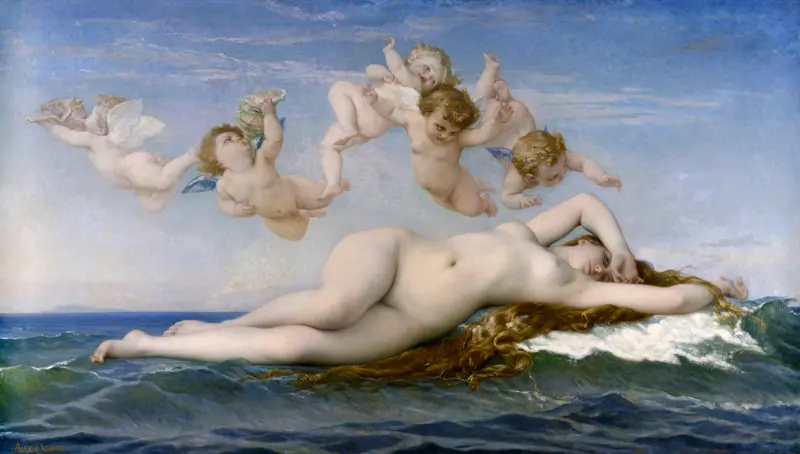
The Birth of Venus
Alexandre Cabanel
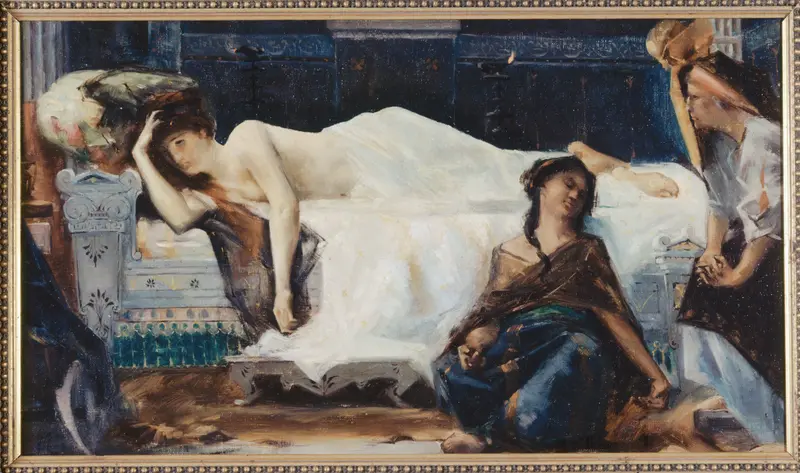
Phèdre
Alexandre Cabanel
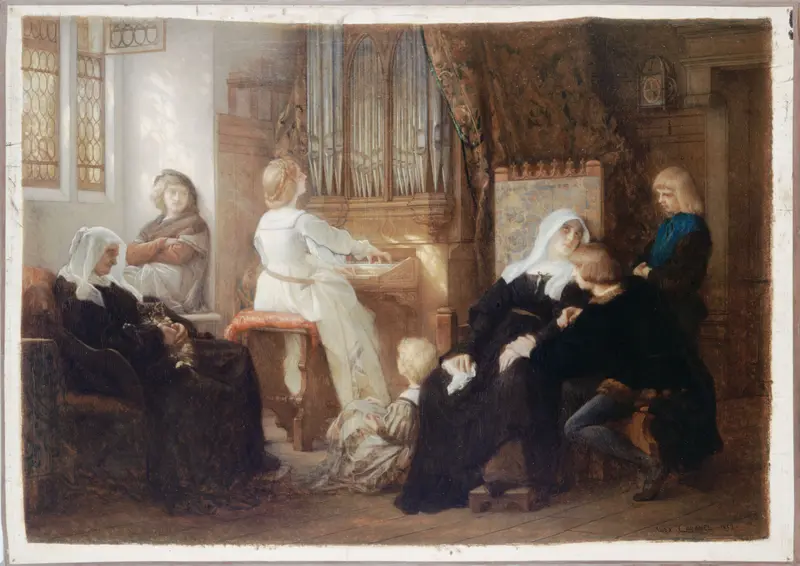
La veuve du maître de chapelle
Alexandre Cabanel
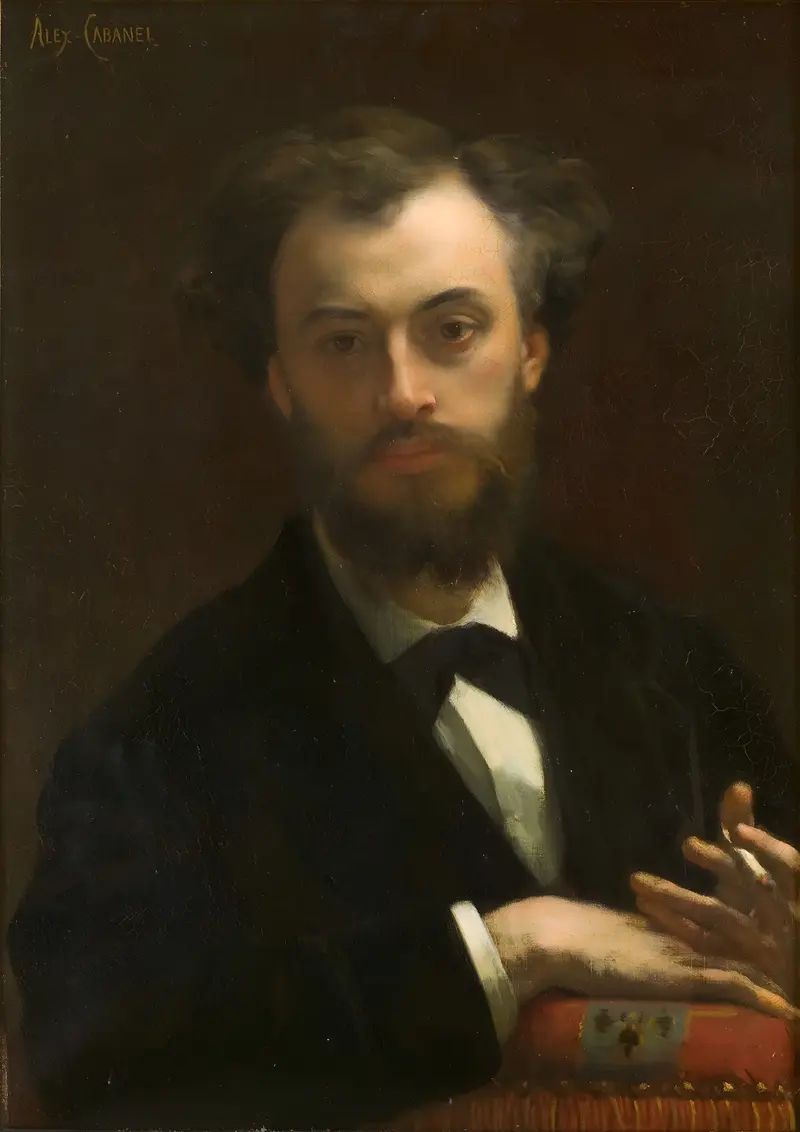
Portrait de M. Pierre Cabanel
Alexandre Cabanel
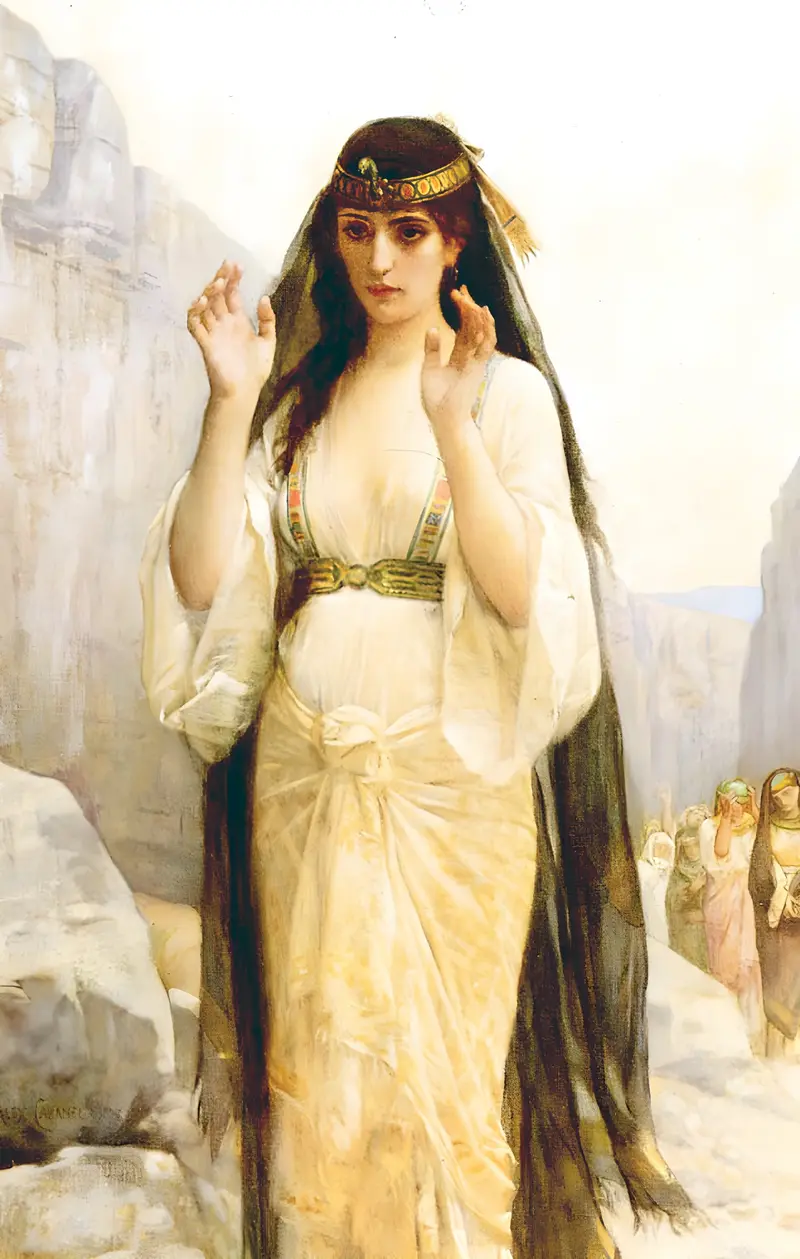
The Daughter of Jephthah
Alexandre Cabanel
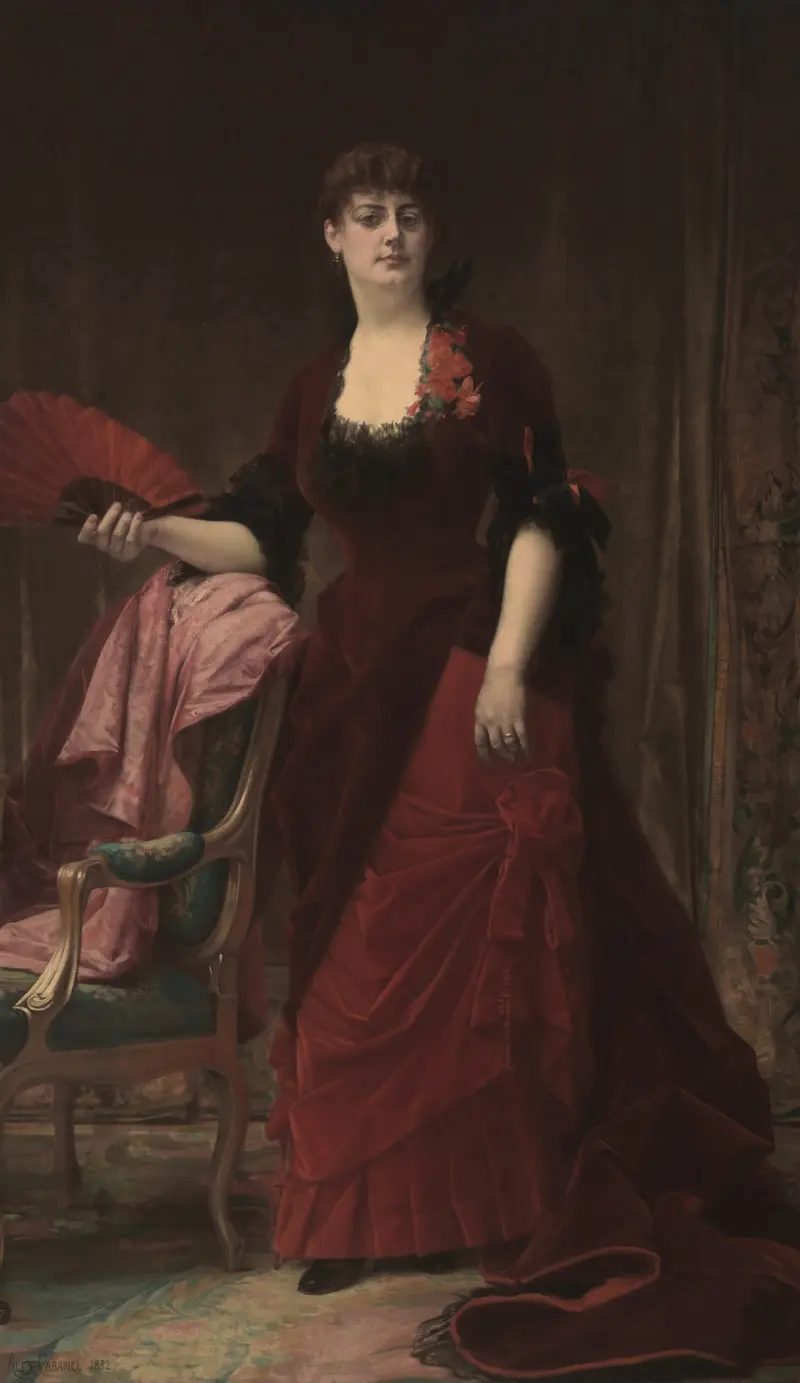
Portrait of Arabella Worsham (later Arabella Huntington)
Alexandre Cabanel
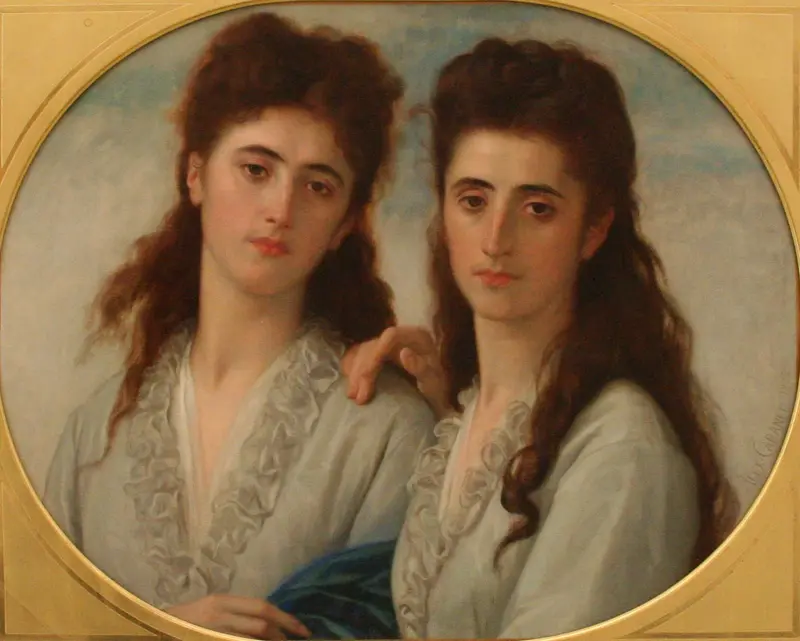
Portrait de mesdemoiselles Sophie et Berthe Cabanel
Alexandre Cabanel
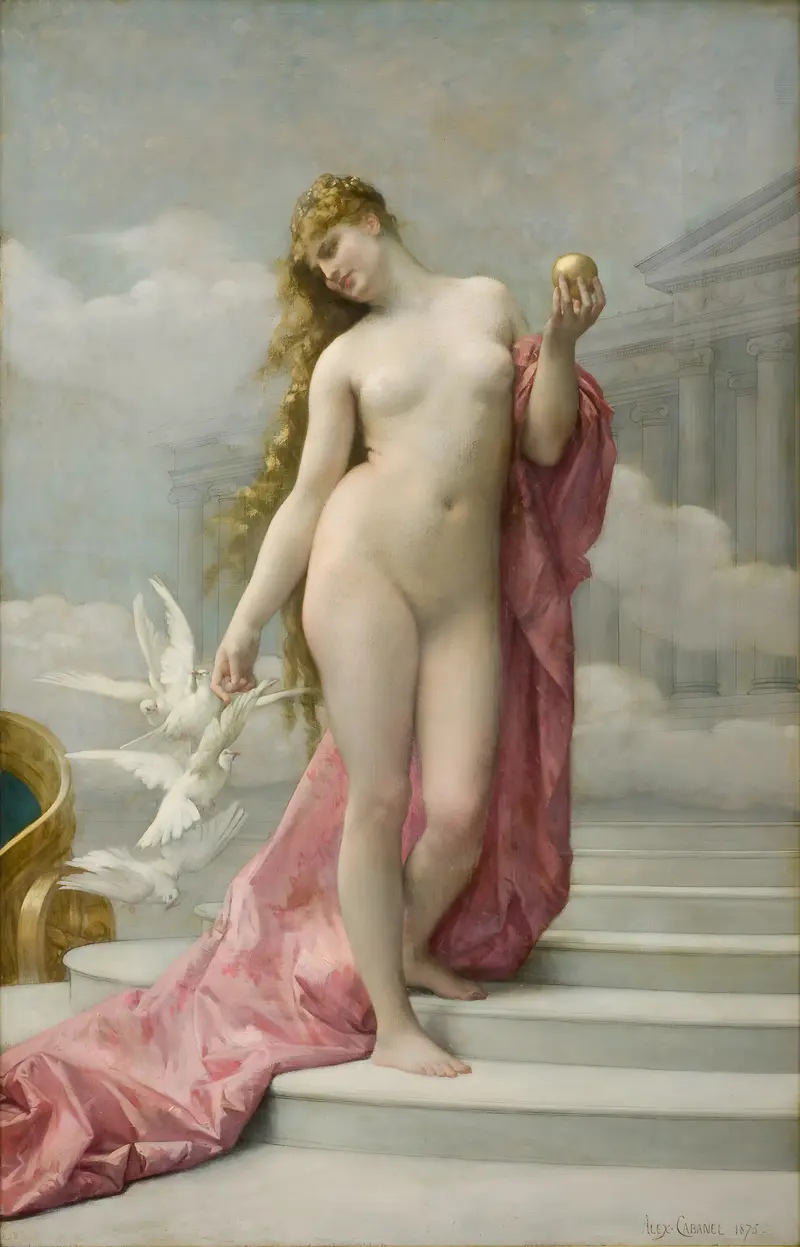
Vénus victorieuse
Alexandre Cabanel
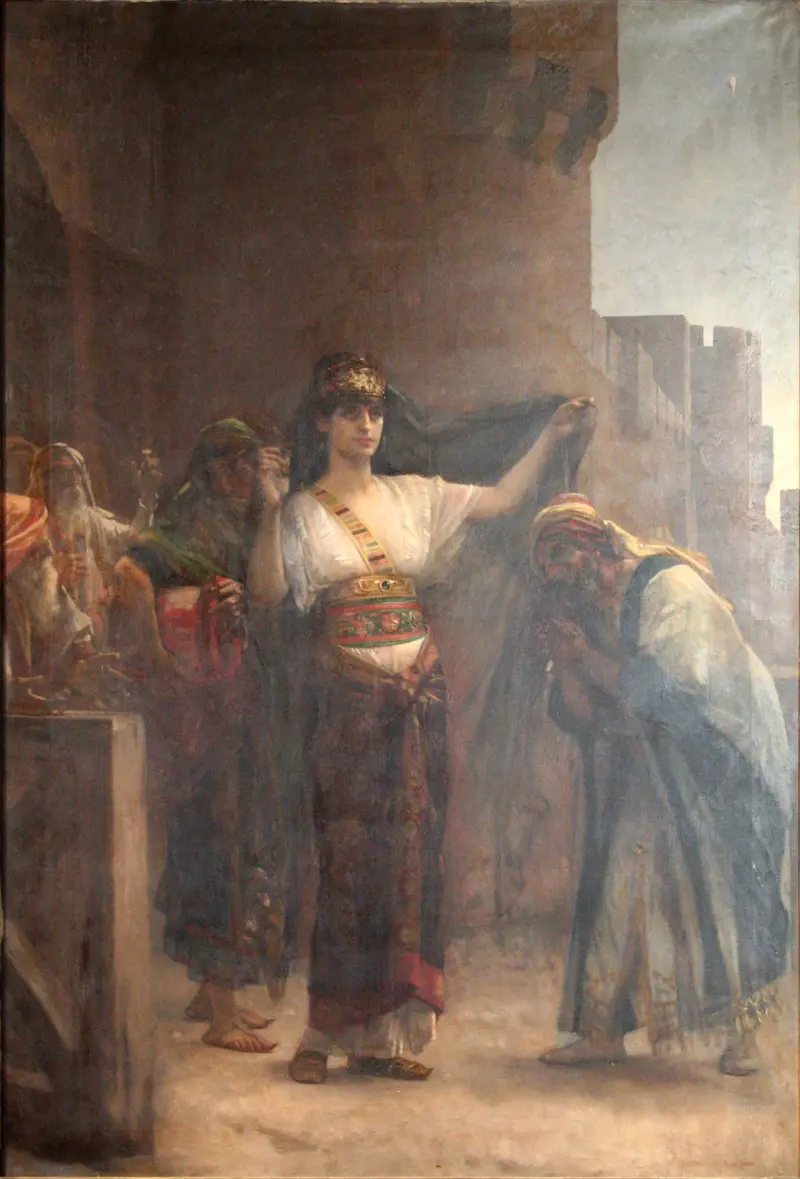
Judith
Alexandre Cabanel
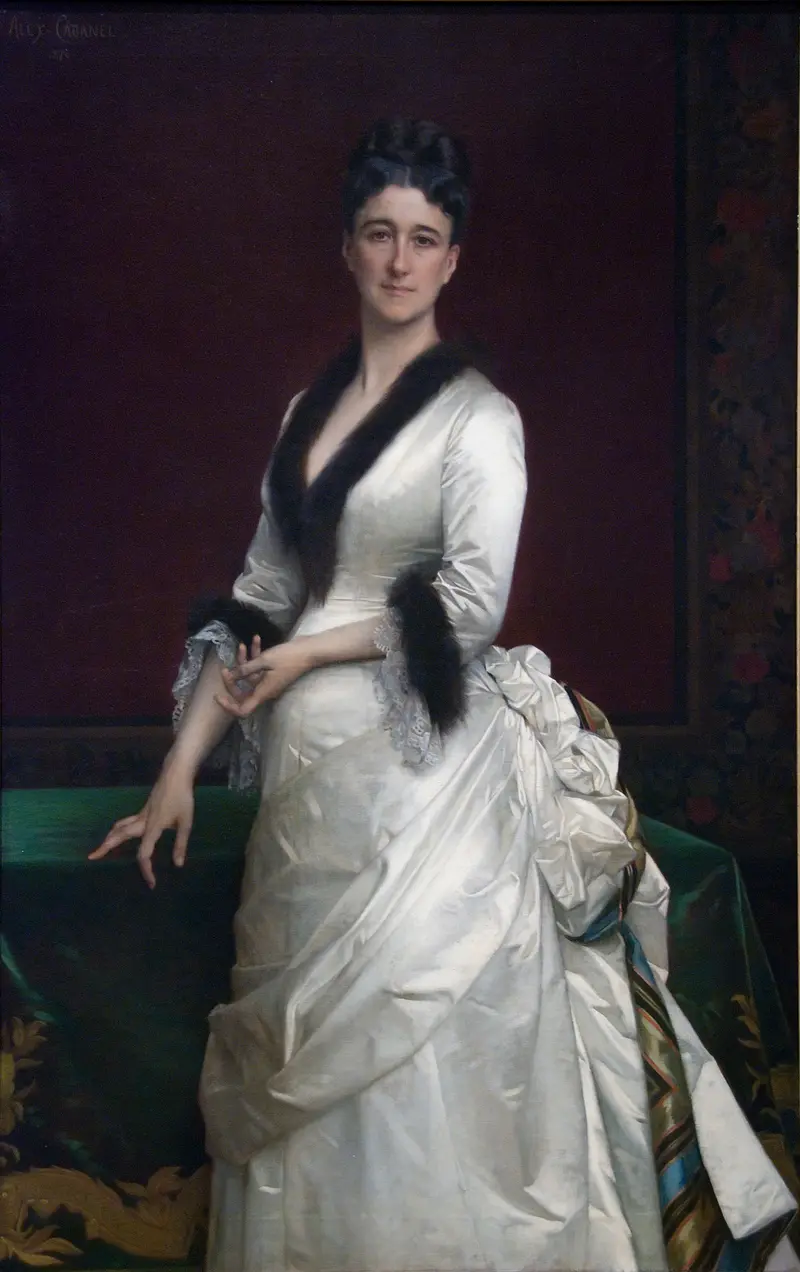
Catharine Lorillard Wolfe (1828–1887)
Alexandre Cabanel





