
Evening — History & Facts
When did color learn to lie? As the hues blend and dance across the canvas, each brushstroke hints at a destiny intertwined with nature’s pulse. Look to the deep violet sky that envelops the horizon; it draws your gaze toward the warm amber glow of the setting sun. The soft transitions between colors reveal a masterful gradation, where reality breathes life into twilight. Notice how the tranquil water reflects not only the vibrant colors but also the poignant stillness of the scene, creating a mirror that blurs the lines between day and night. Yet, beneath the surface lies a complex interplay of emotion and fate.
The juxtaposition of warm and cool tones symbolizes the inevitable change from day to night, representing life's transient moments. The subtle ripples in the water evoke a sense of movement, suggesting that time flows inexorably, carrying our destinies with it. In the simplicity of the landscape, one can sense a profound contemplation on the nature of existence and the passage of time. In 1905, Stanisławski painted this work during a period of artistic exploration in Poland, a time rich with influences from the Impressionist movement.
He sought to capture the fleeting beauty of light and atmosphere, responding to both the changing world around him and his personal journey as an artist. This piece serves as a testament to his evolving style, embracing the emotive power of color while reflecting the broader transformations in European art.
More Artworks by Jan Stanisławski
Browse all →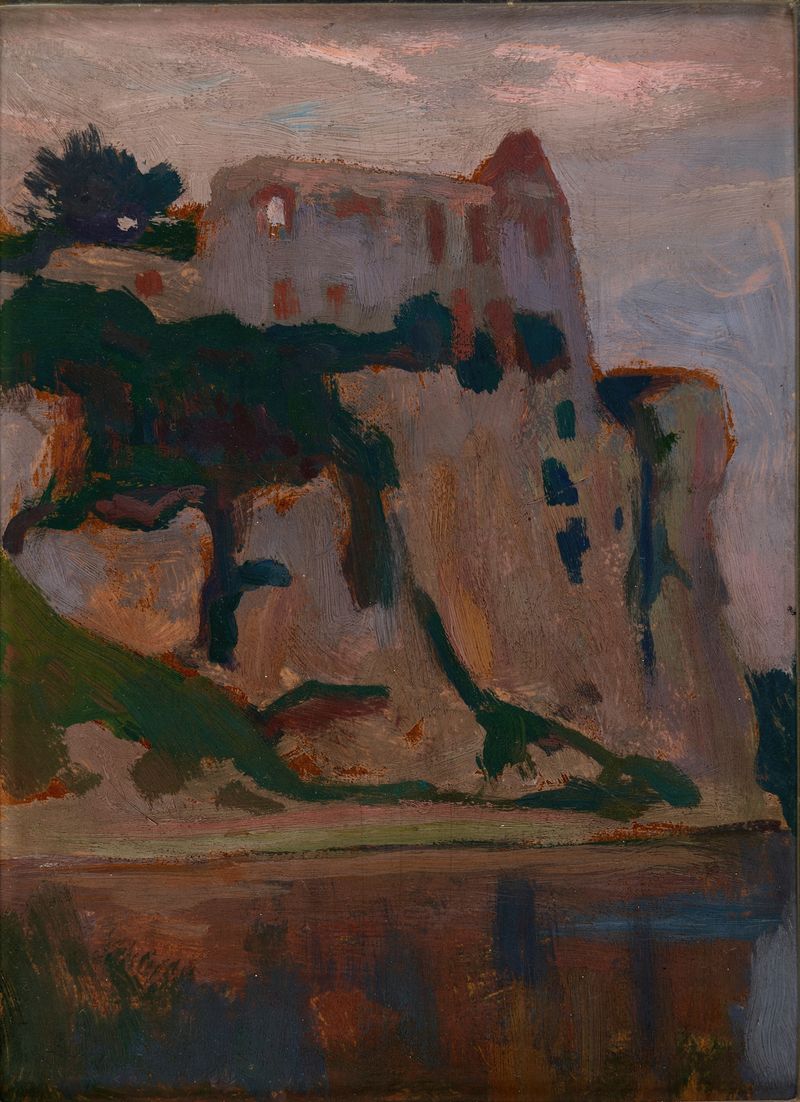
Tyniec at Dawn
Jan Stanisławski
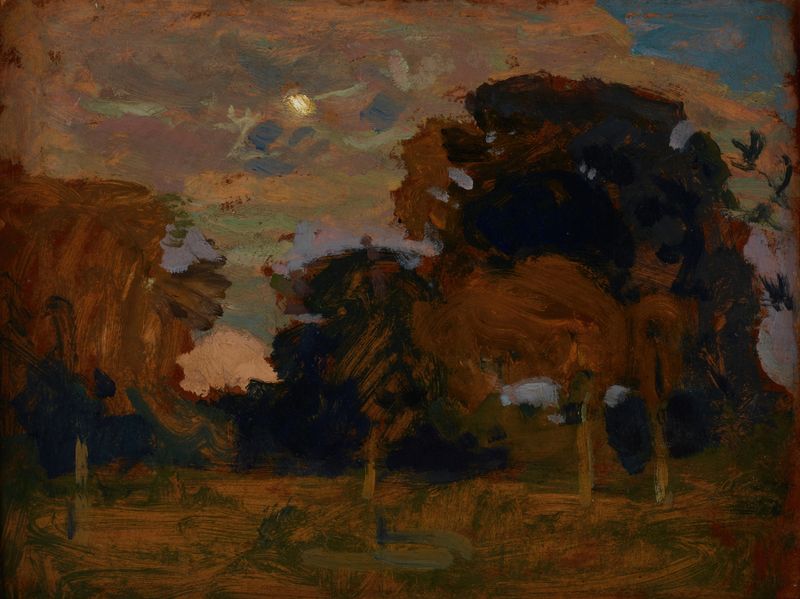
Moon in the Clouds
Jan Stanisławski
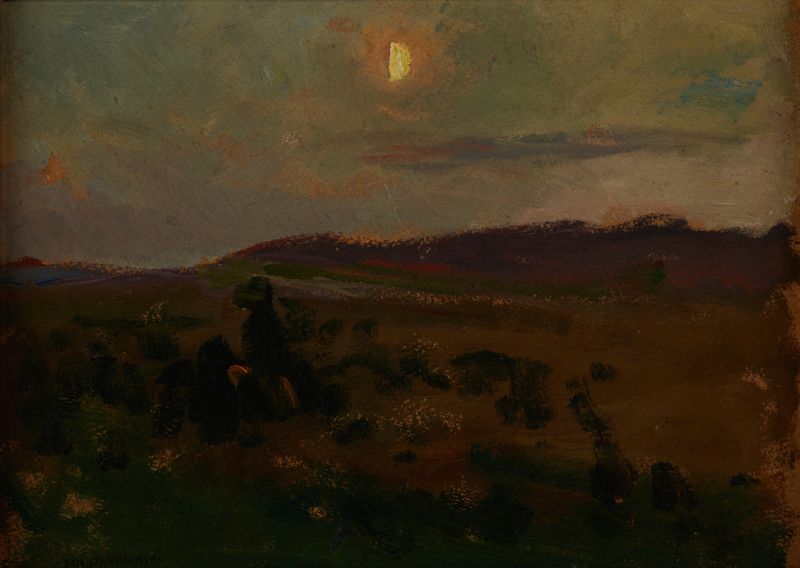
Moonrise
Jan Stanisławski
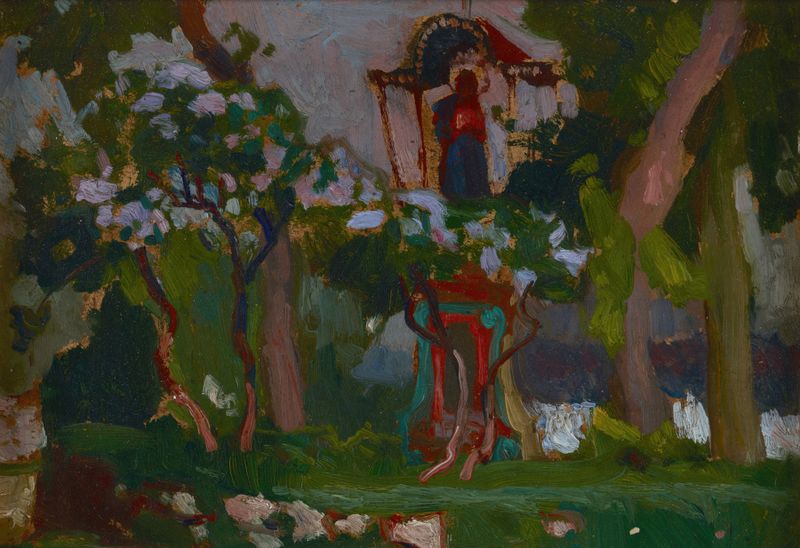
May
Jan Stanisławski
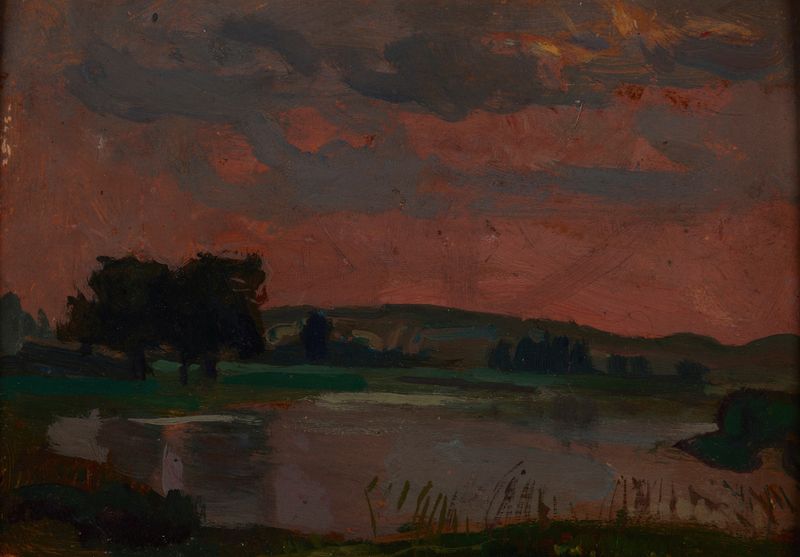
The Vistula in the Twilight
Jan Stanisławski
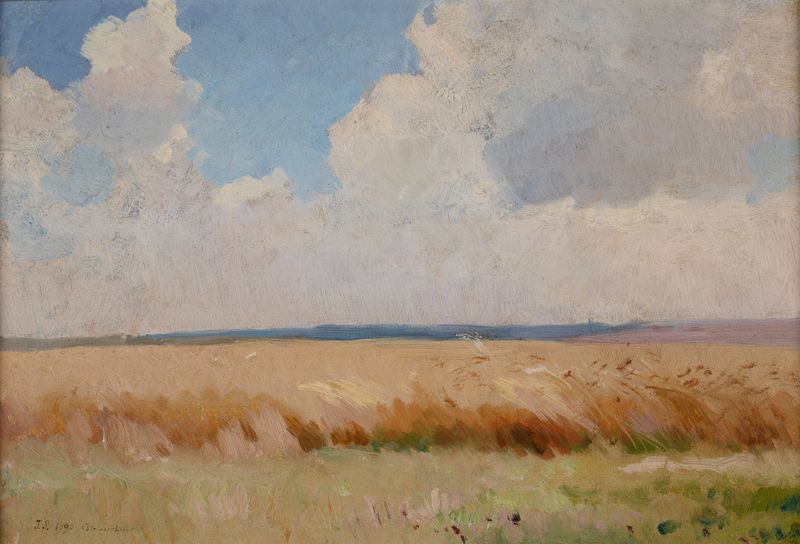
Field at Białocerkiew (Bila Tserkva)
Jan Stanisławski
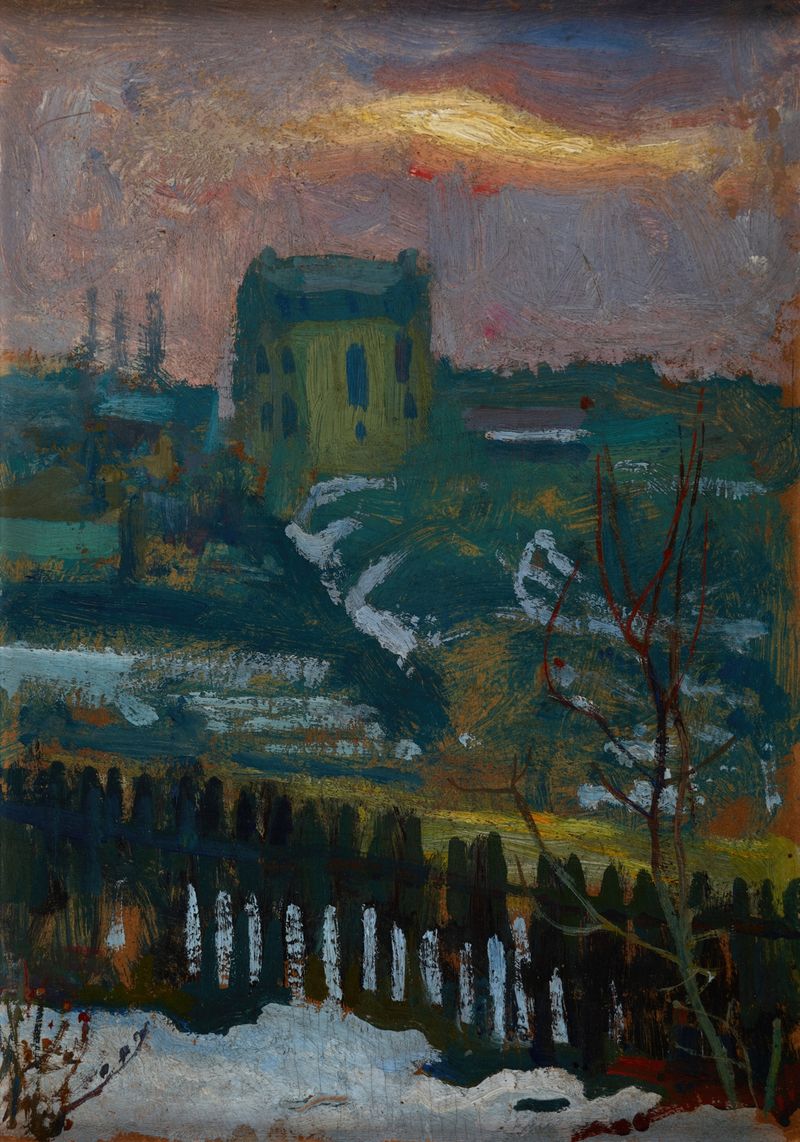
House in Winter
Jan Stanisławski
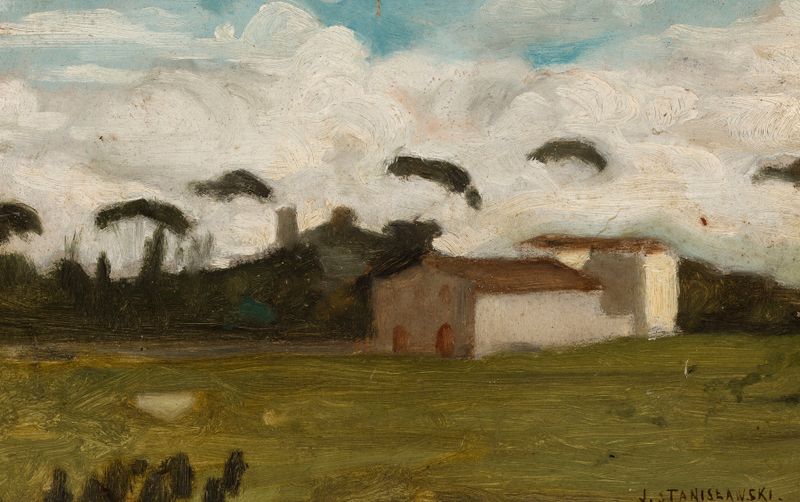
Landscape
Jan Stanisławski
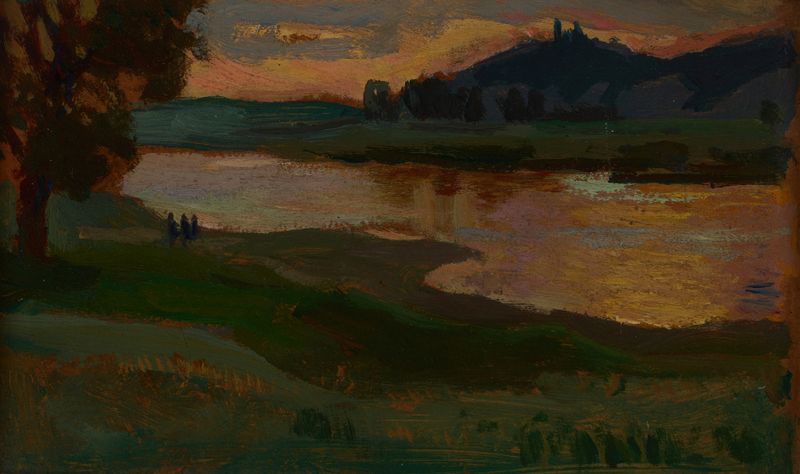
Bielany at Dusk
Jan Stanisławski
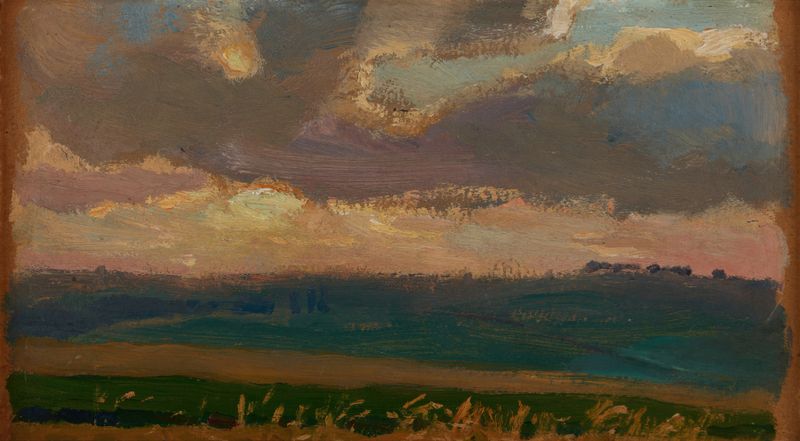
Fields at Proszowice
Jan Stanisławski





