
Evening clouds — History & Facts
Where does light end, and longing begin? This question reverberates through the quiet majesty of the swirling sky in Evening Clouds. Look to the top of the canvas, where a vast expanse of velvety blues and soft lavender hues blend seamlessly, creating a sense of infinite depth. The clouds, brushed with delicate strokes, seem to cradle the fading sun, their warm undertones contrasting with the cooler sky that surrounds them. Notice how the light spills across the horizon, illuminating the edges of the clouds, breathing life into them as they shift and flow like wisps of silk caught in a gentle breeze. Yet beneath this serene beauty lies a subtle tension.
The interplay of light and shadow evokes a fleeting moment, a reminder of the transience of time. The luminous clouds stand as a metaphor for ephemeral emotions, capturing the balance between hope and melancholy. Each brushstroke whispers of a revelation, inviting the viewer to ponder the delicate boundary between tranquility and longing, a space where dreams flicker just beyond reach. In 1911, Eugen Bracht found himself immersed in a world that was rapidly changing, both personally and artistically.
As a prominent figure in the late Romantic movement, he created this piece while living in Germany, juxtaposing nature's beauty against the backdrop of an industrial age. The tensions of a modernizing world permeate his work, yet Evening Clouds stands as a testament to the timeless allure of nature, evoking a deep sense of wonder and reflection.
More Artworks by Eugen Bracht
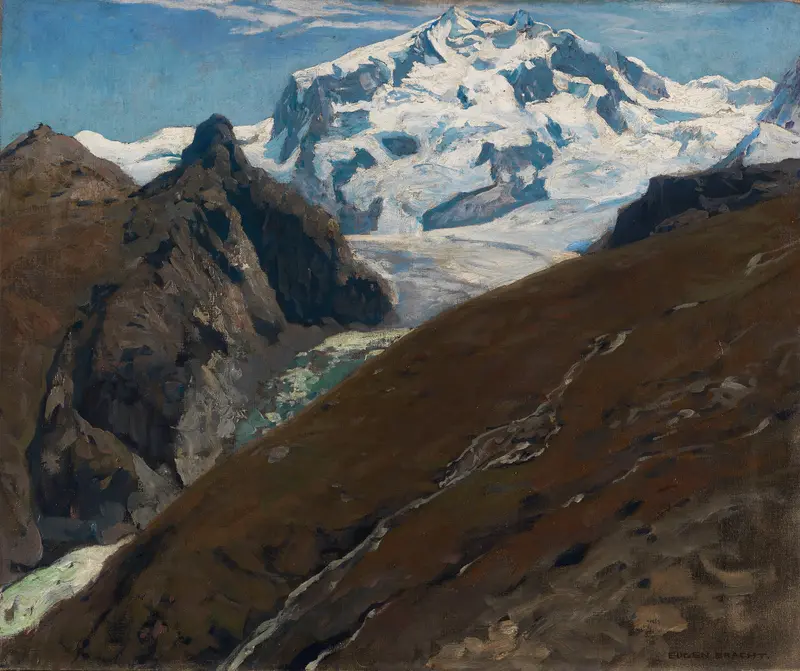
Blick auf den Monte Rosa, Westseite
Eugen Bracht
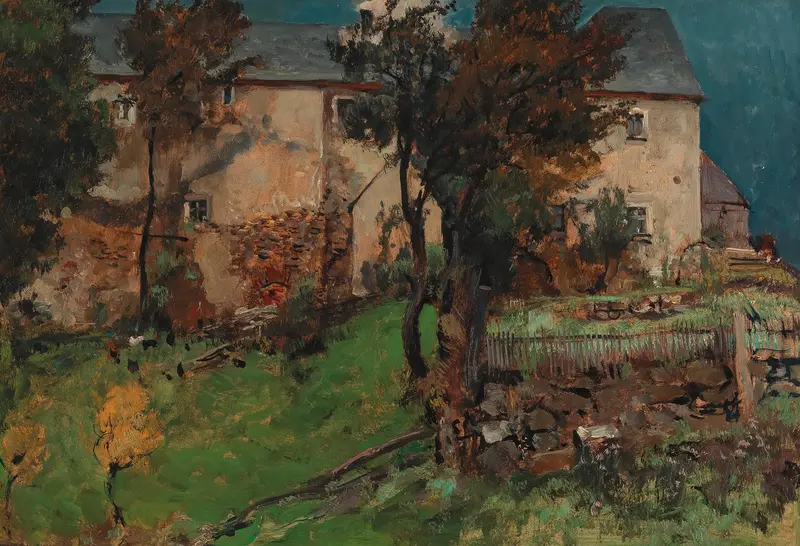
‘Der alte Hof (n. d. N. Windisch-Eschenbach)’
Eugen Bracht
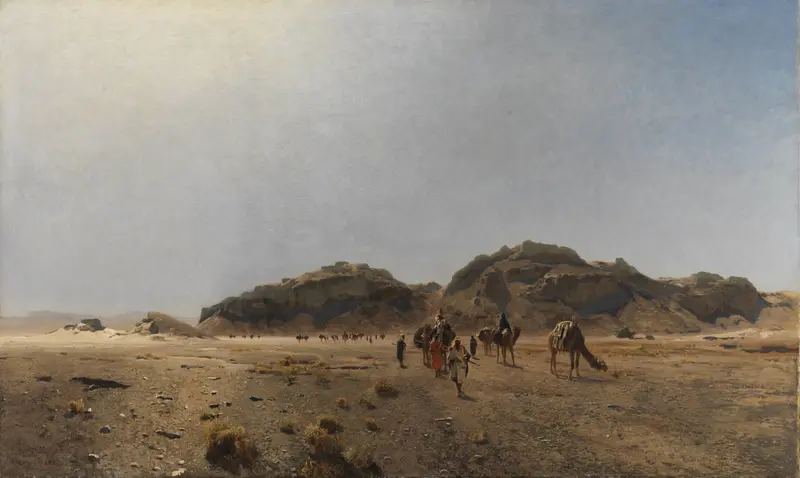
In der Wüste Araba
Eugen Bracht
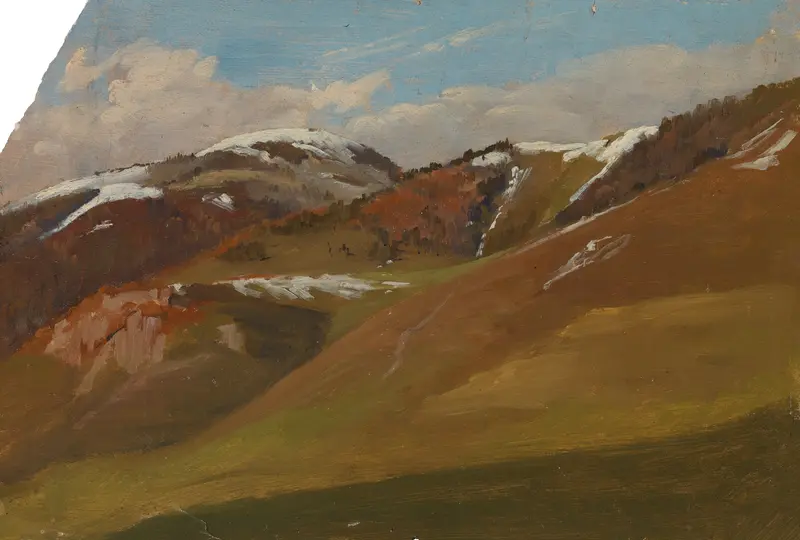
Blick auf Herzogenhorn und Kaiserberg
Eugen Bracht
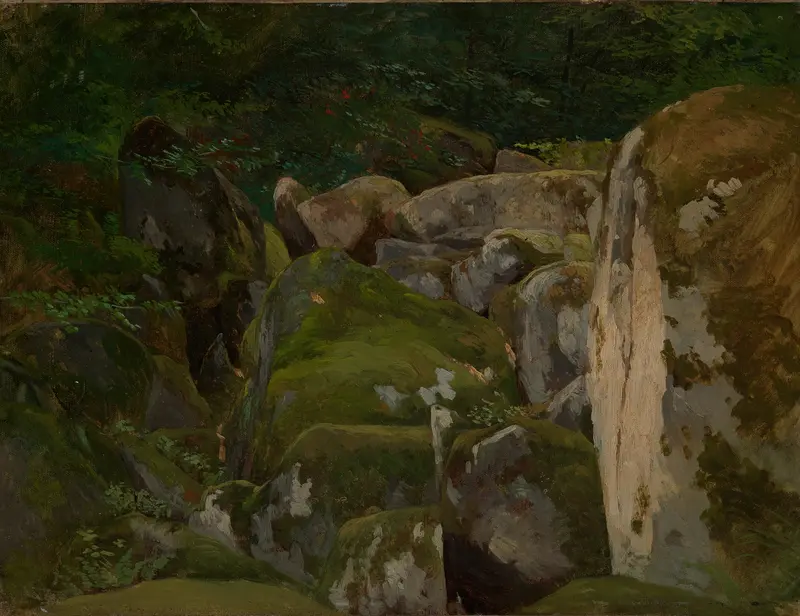
Bemooste Felsen im Waldtal
Eugen Bracht
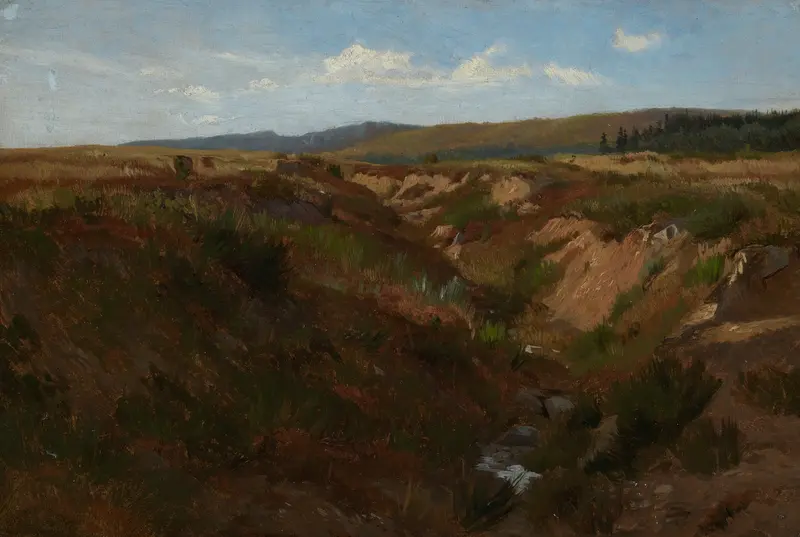
Heide im Soonwald
Eugen Bracht
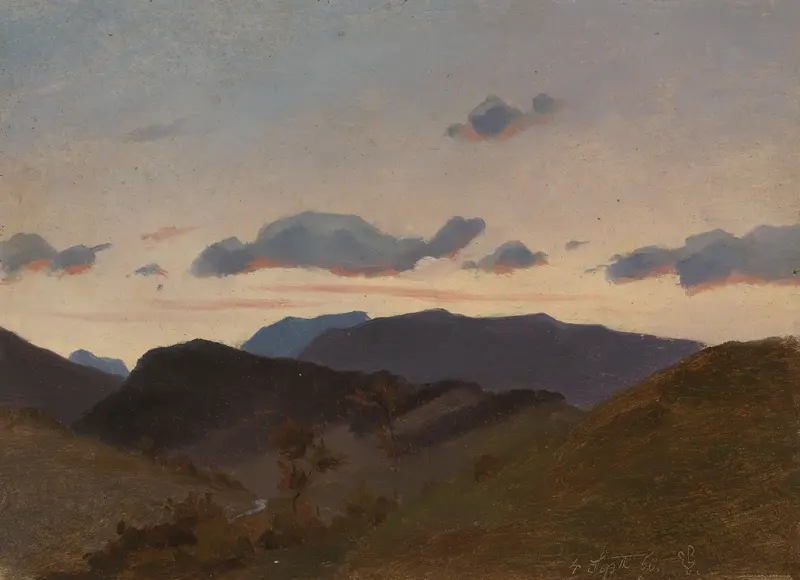
Blick zum Belchen
Eugen Bracht
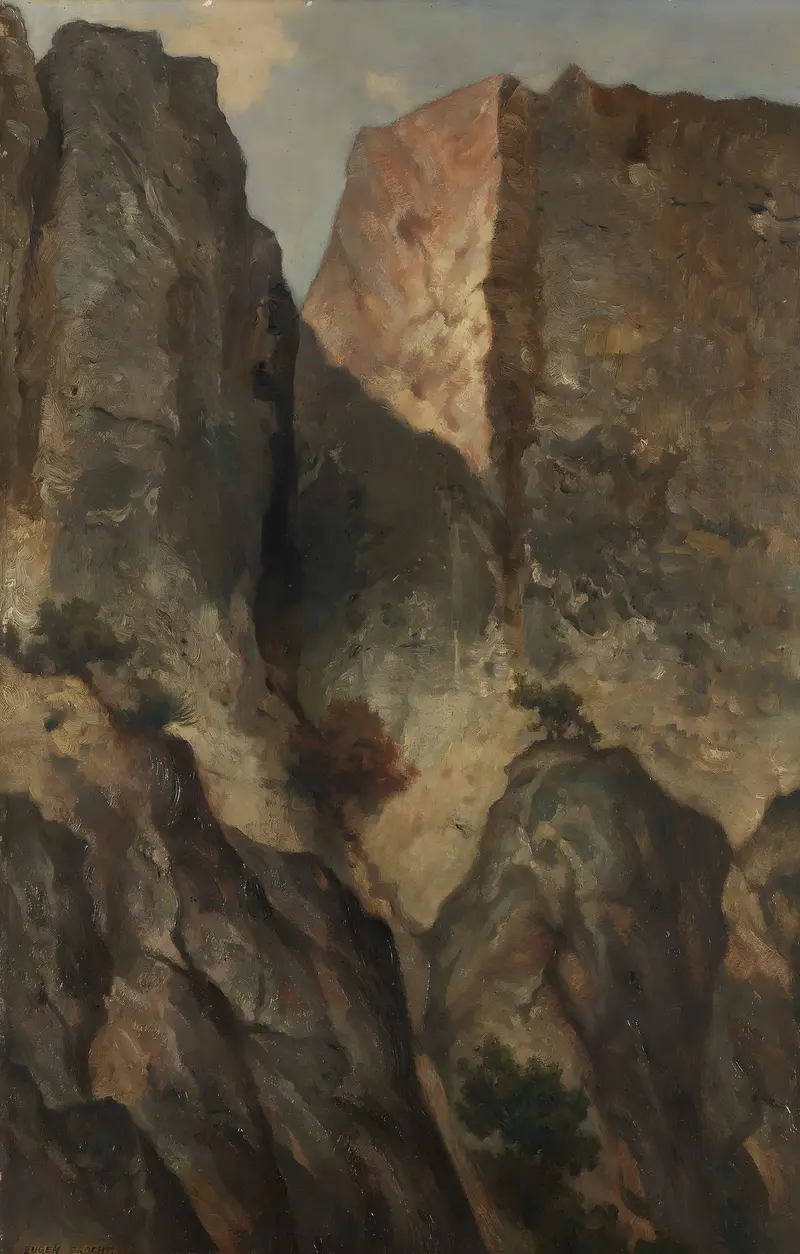
Cape Arkona
Eugen Bracht
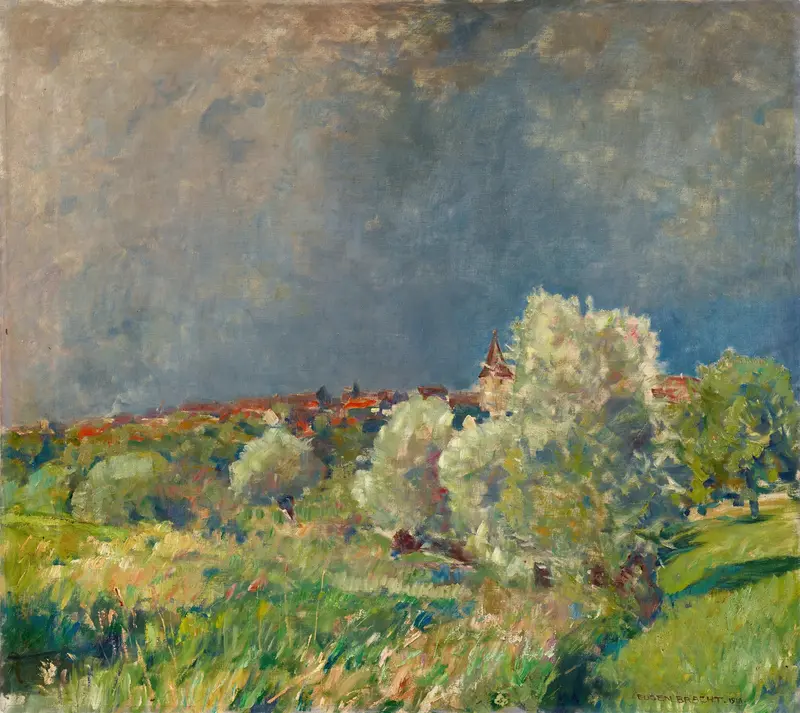
Nach dem Regenschauer
Eugen Bracht
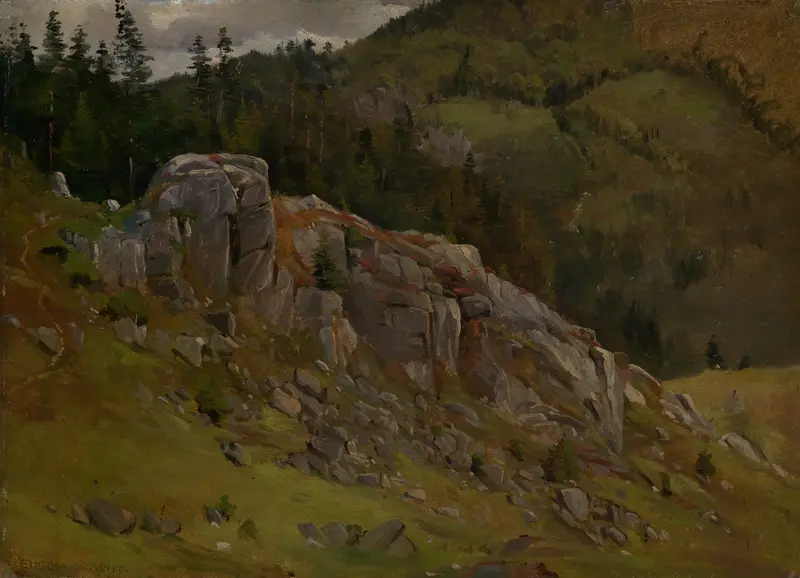
Am Kaiserberg bei Bernau
Eugen Bracht
More Landscape Art

The Starry Night
Vincent van Gogh

View of Delft
Johannes Vermeer

Water Lilies
Claude Monet

The Grand Canal, Venice, looking north-west from the Ca' Corner to the Ca' Contarini degli Scrigni, with the campanile of Santa Maria della Carità
Canaletto

Windsor Castle
Canaletto

The Grand Canal looking North-East from the Palazzo Dolfin-Manin to the Rialto Bridge
Canaletto