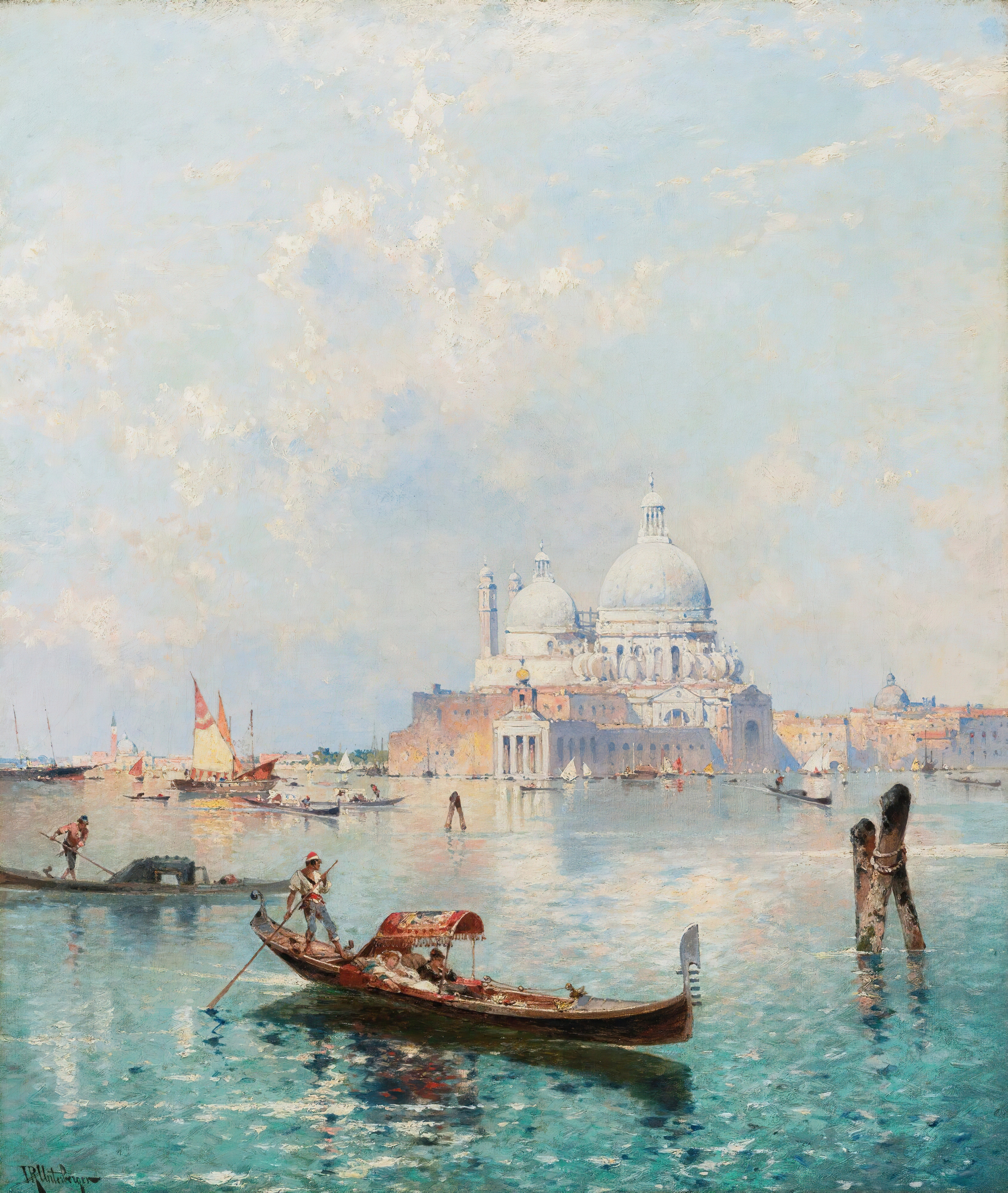
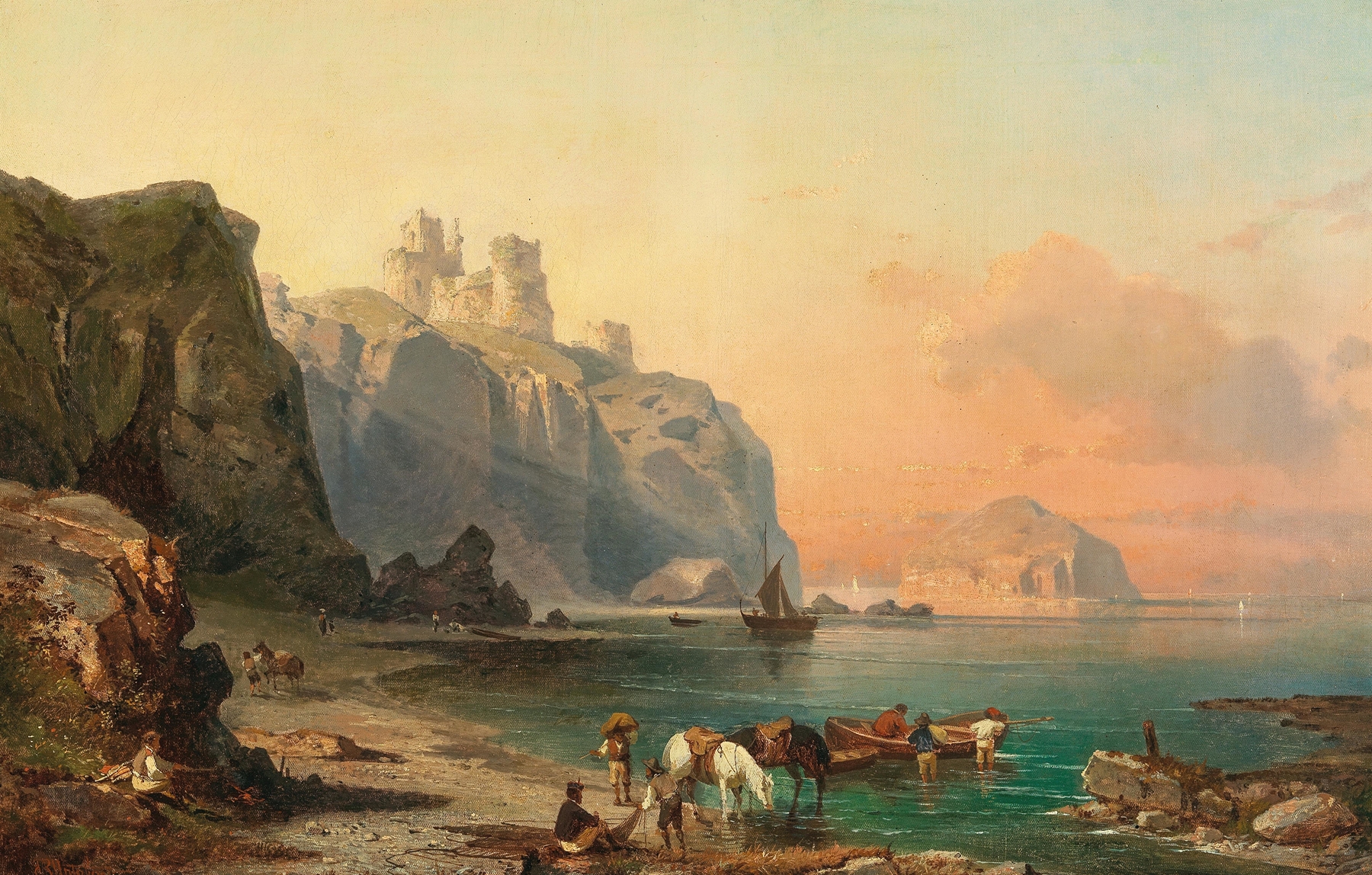
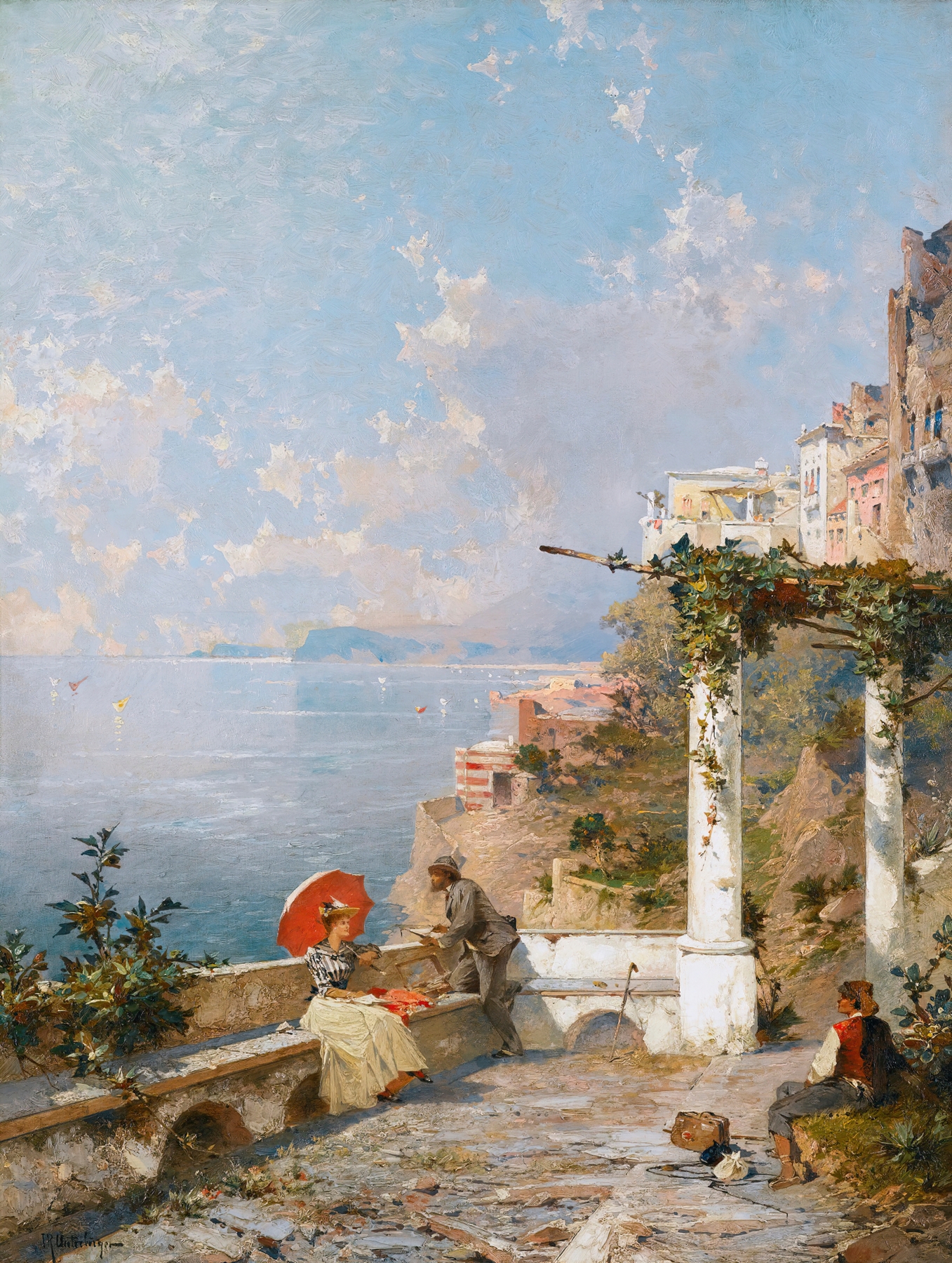
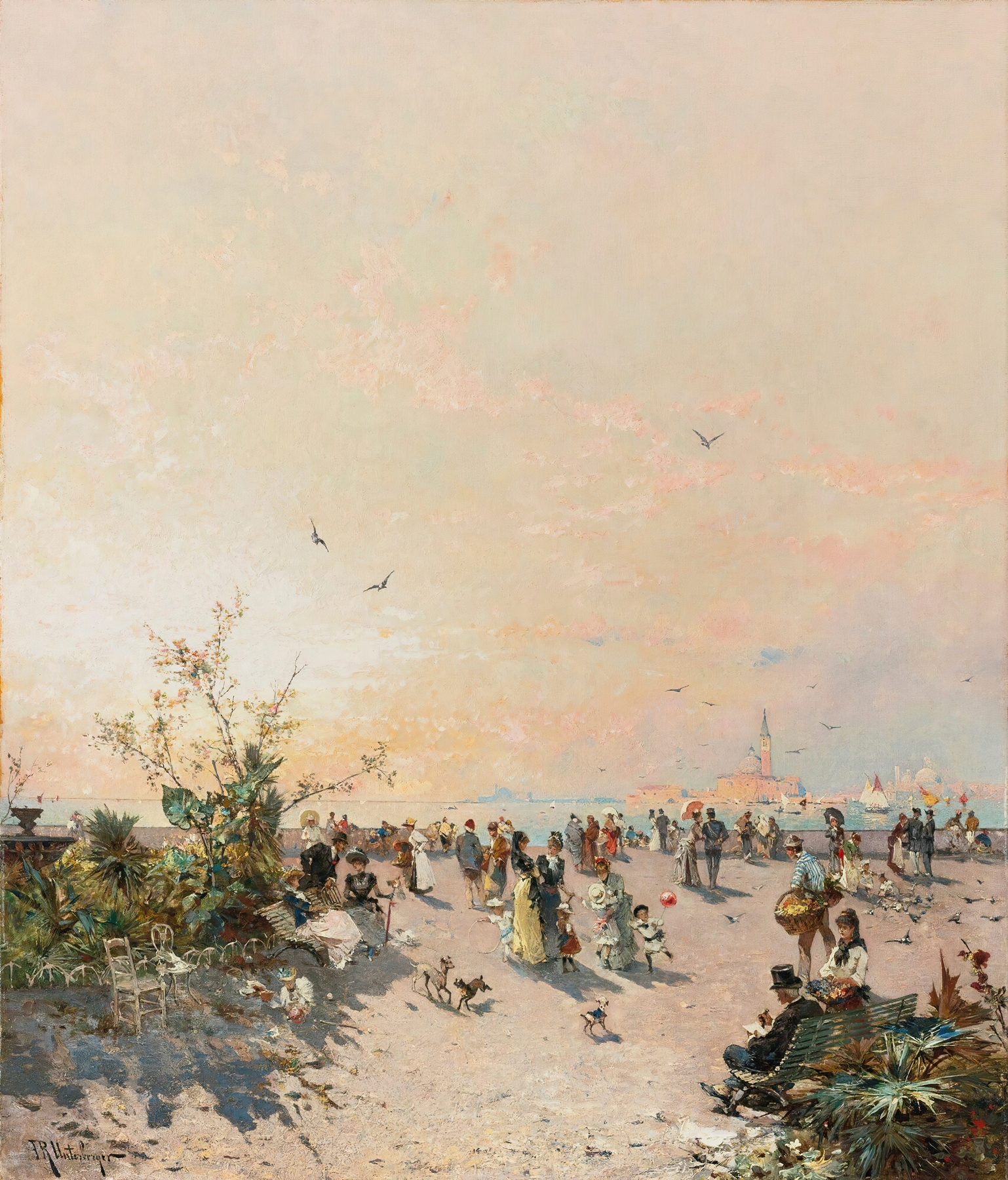
Evening festivities, Bay of Naples, Mount Vesuvius in the distance — History & Analysis
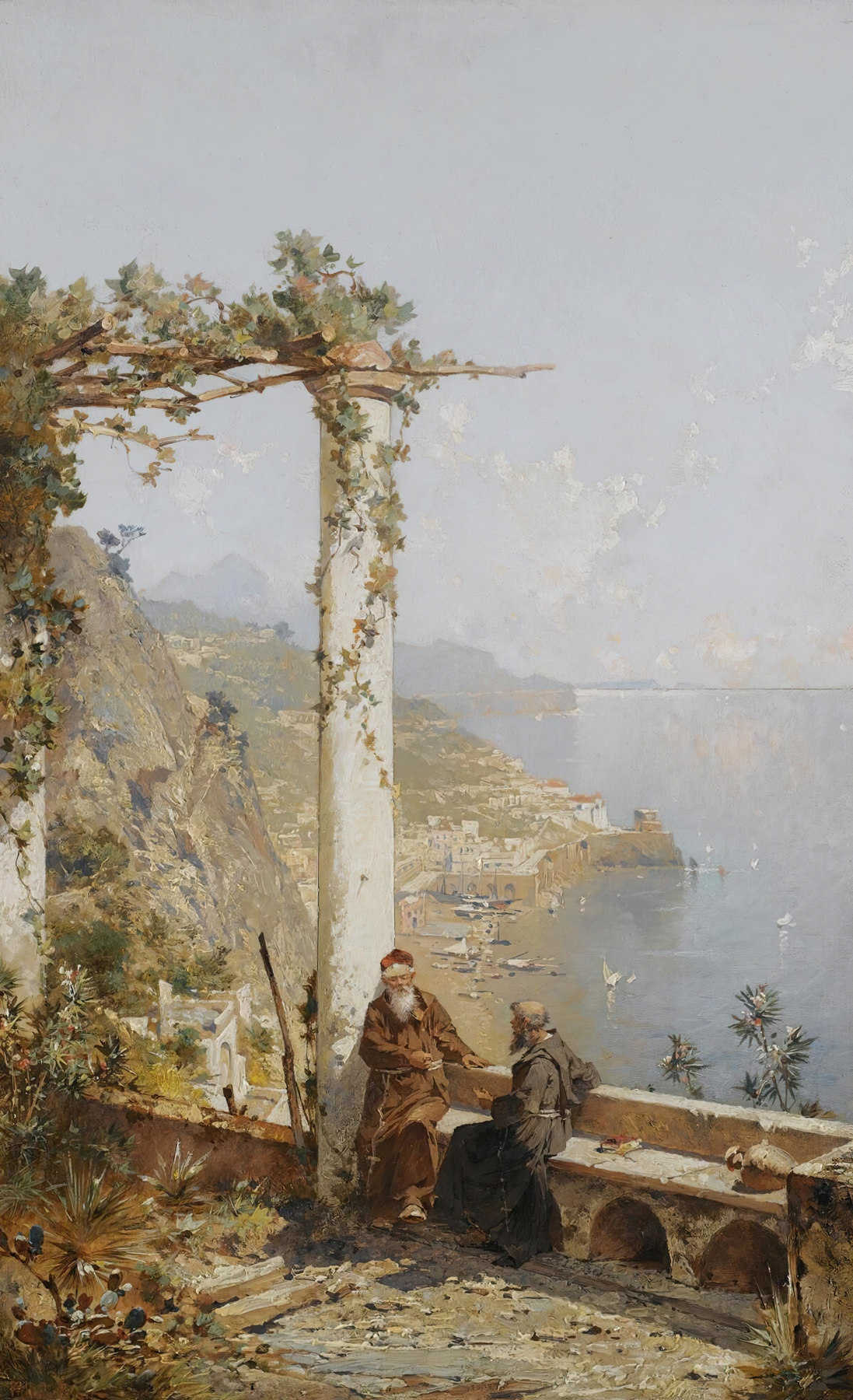
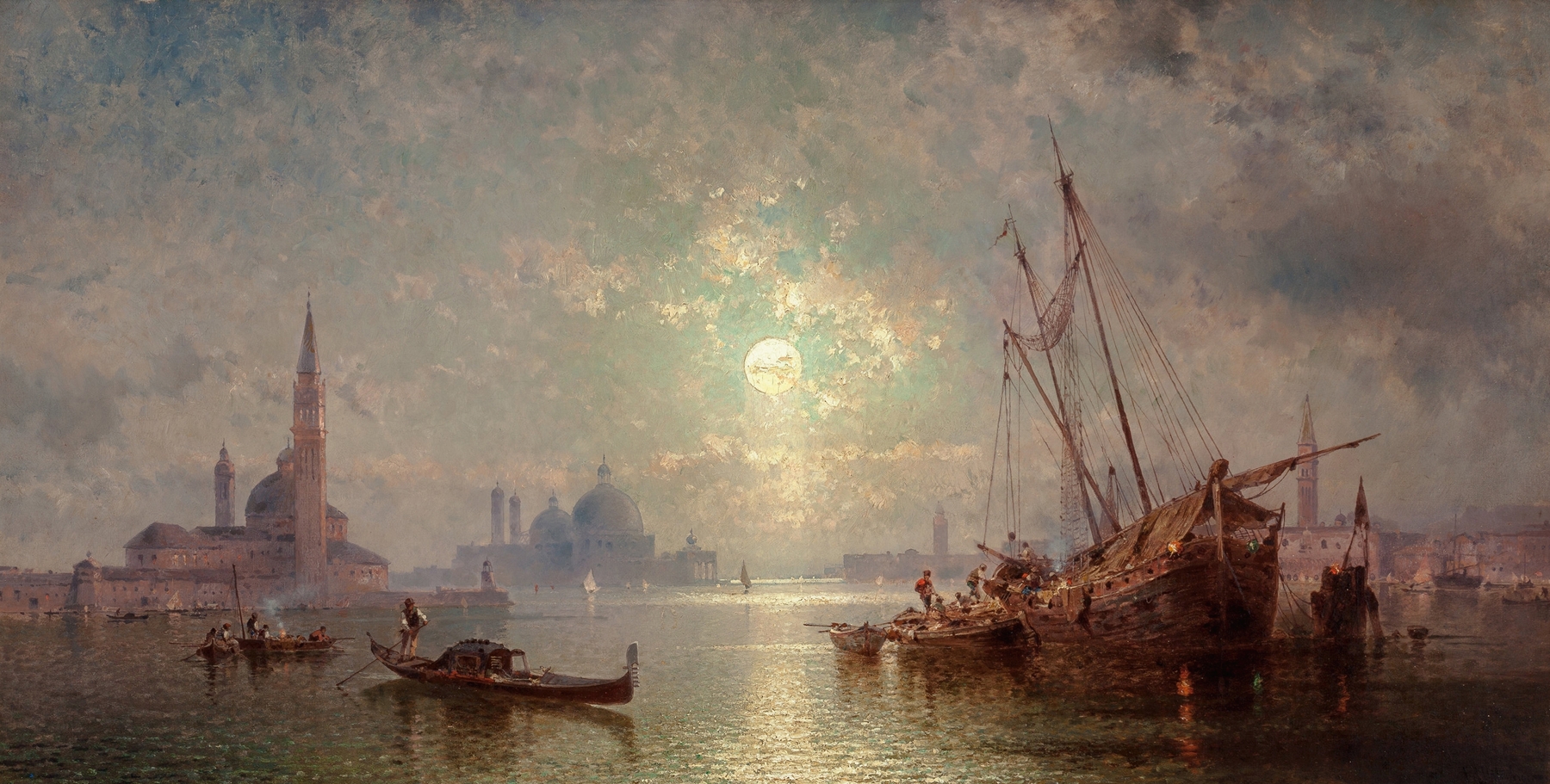
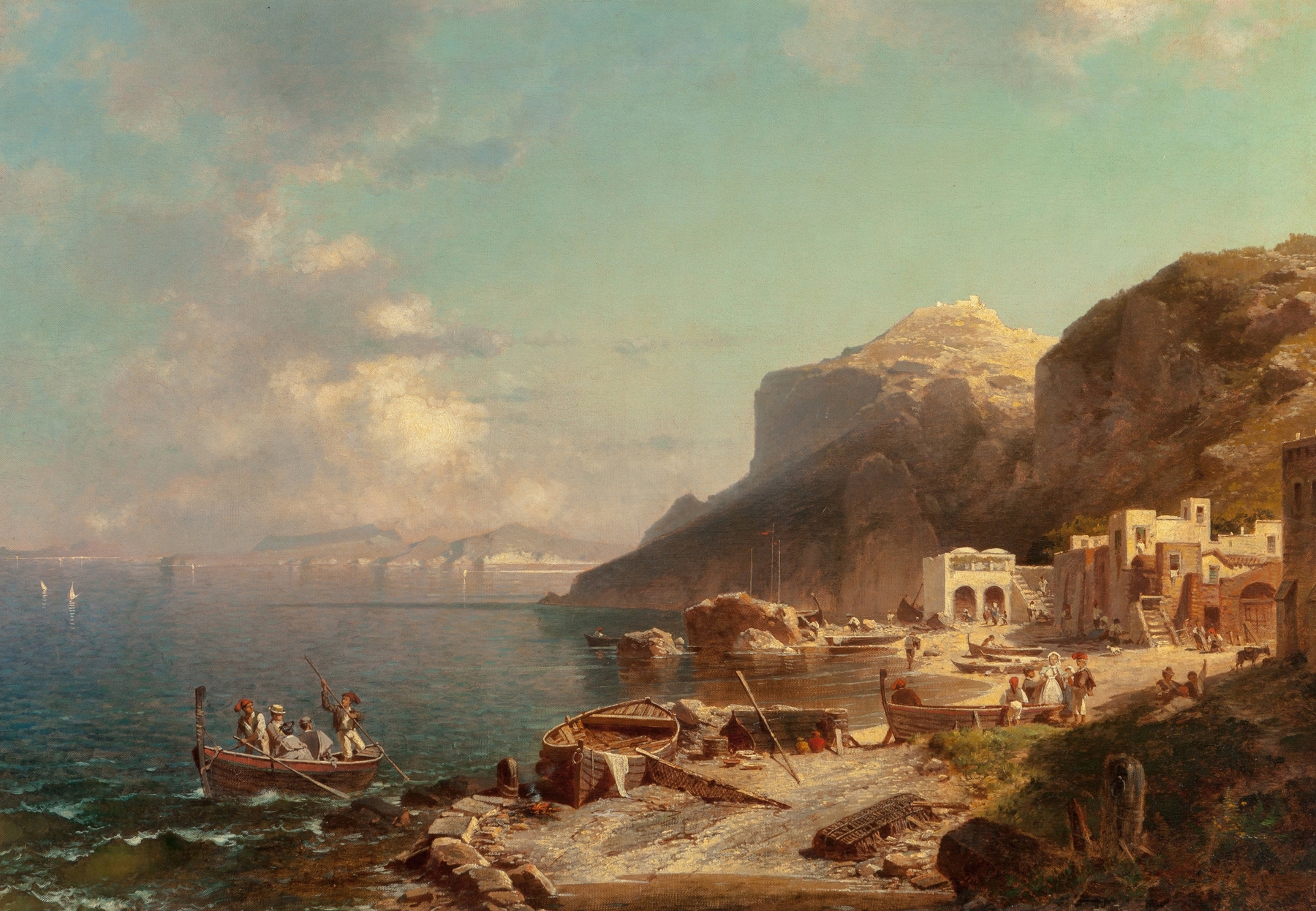
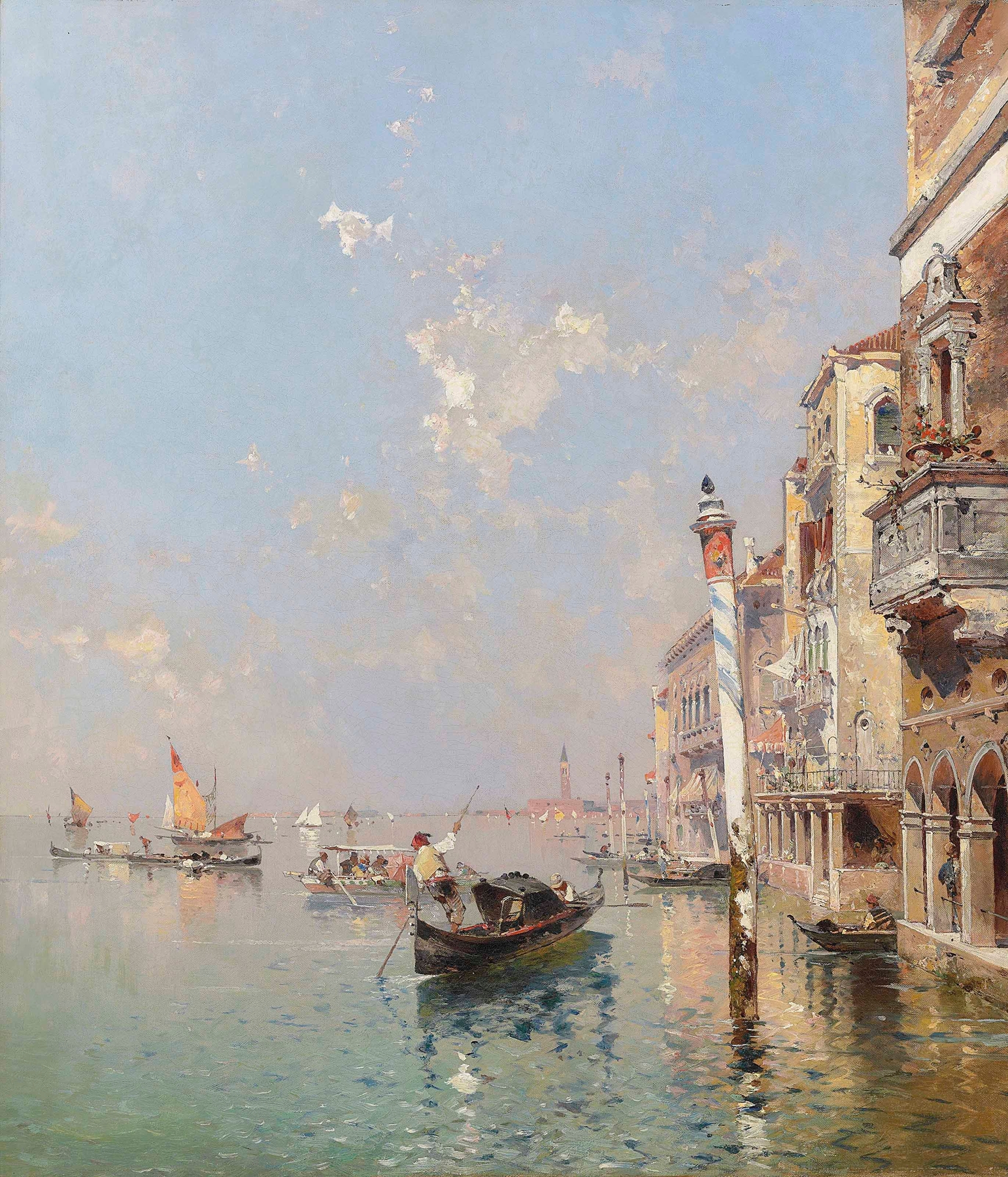
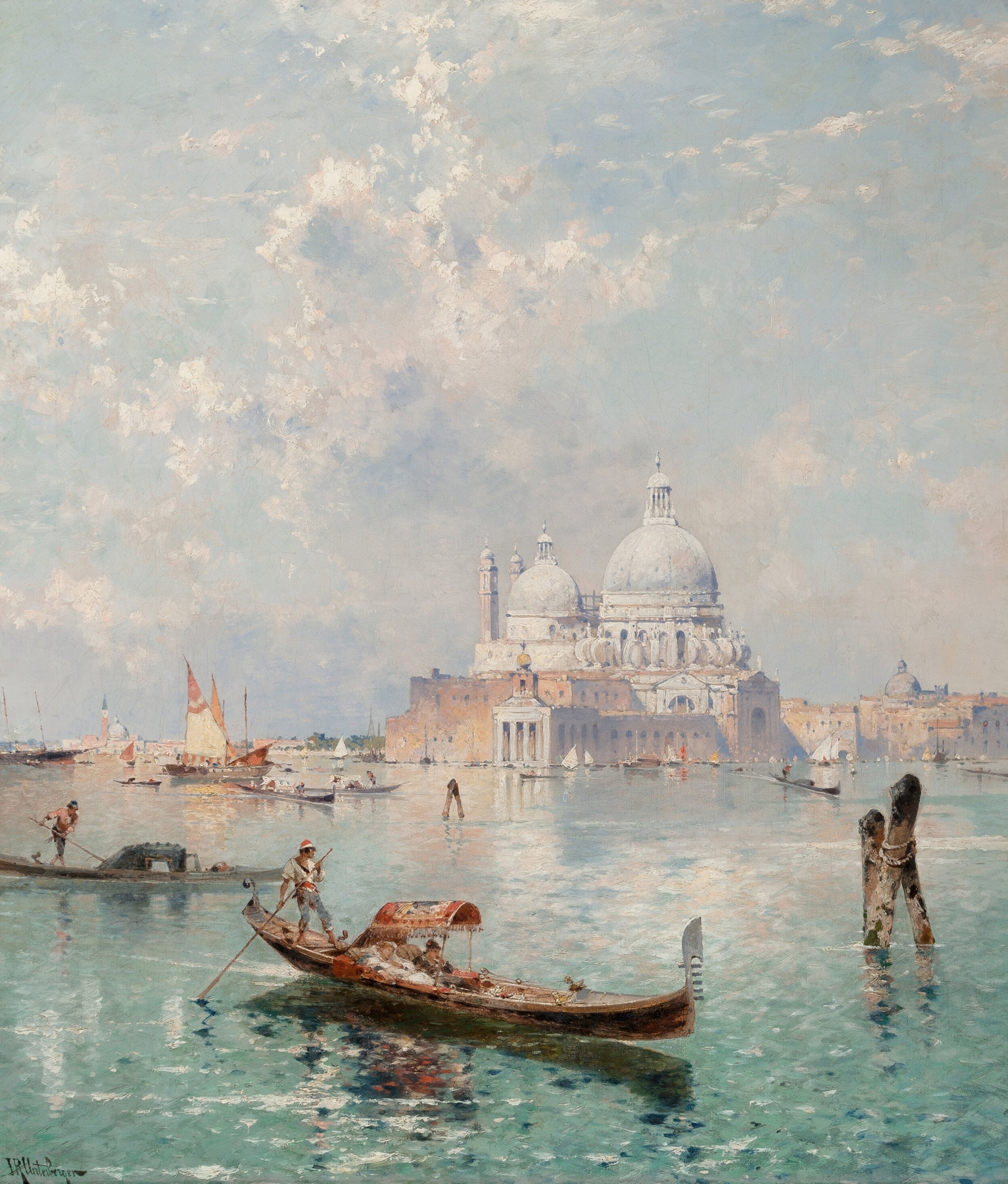
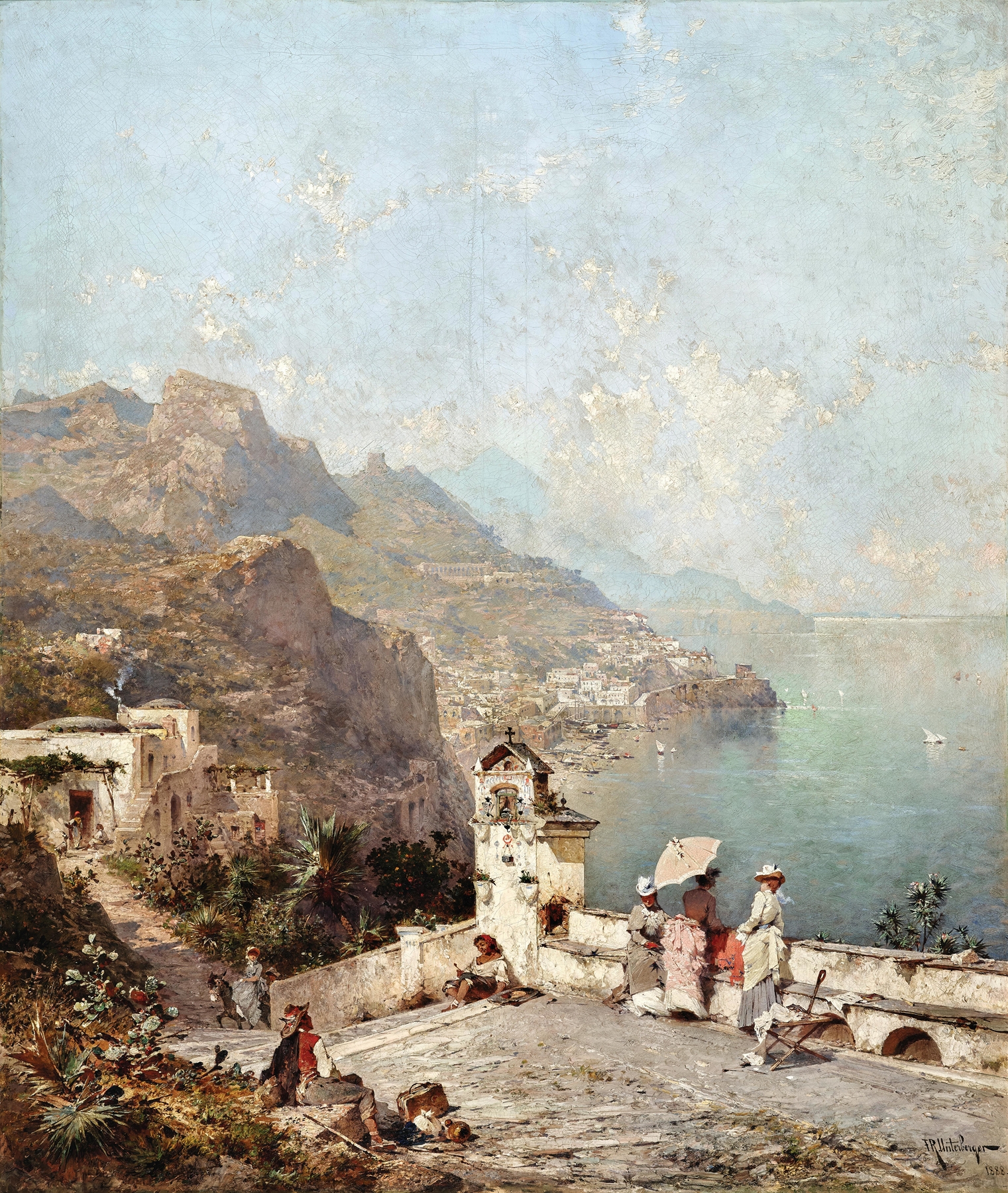
Who listens when art speaks of silence? In the delicate play of light that dances across this canvas, the viewer feels the whisper of history, the rustle of a festive evening teetering on the edge of night. Look to the horizon where the fading sun casts its golden hue over the Bay of Naples, illuminating the water in shimmering patterns. Notice the meticulous brushstrokes that depict the lively gatherings along the shore, with figures engaged in animated conversation, their forms rendered with rich, warm tones.
The distant silhouette of Mount Vesuvius looms majestically, painted in deep blues and purples, almost as if it cradles the laughter and joy of the festivities below. But beneath this radiant surface lies a subtle tension. The contrast between the joyous figures and the immovable mountain suggests an underlying awareness of nature’s unpredictability. Each joyous interaction is contrasted by Vesuvius’s quiet menace, hinting at a fragile balance between celebration and the threat of chaos.
The gentle diffusions of light serve as a reminder of time's passage, inviting the viewer to reflect on the fleeting nature of both joy and calm. Franz Richard Unterberger painted this work during a period of fascination with Italian landscapes and culture, likely while in his studio in the late 19th century. At that time, he was deeply involved in the genre of Romantic landscapes, which sought to capture not just the physical beauty of a place, but also its emotional resonance. The Bay of Naples, with its enchanting vistas and historical significance, perfectly aligned with his artistic exploration, embedding the sublime within the everyday.