
Evening in Alsace — History & Facts
When Evening in Alsace was first exhibited in 1869, it surprised Parisian audiences who knew Gustave Doré primarily as an illustrator of fantastical literature and the Bible. Here, Doré turned his attention to his own homeland, painting the borderlands of Alsace at a moment of uneasy calm just before the Franco-Prussian War. The work is often discussed for its atmosphere of quiet tension, as if the landscape itself is holding its breath—an effect that some critics at the time described as "the silence before the storm." This painting stands out among Doré’s rare forays into landscape, which he approached with the same dramatic sensibility that made his engravings famous. The scene captures a twilight hour in rural Alsace: fields recede into mist, a solitary figure trudges along a winding path, and the last rays of sun catch on the rooftops of a distant village.
Doré’s choice of viewpoint places the viewer at the edge of the road, almost participating in the journey home. The heavy clouds and deepening shadows hint at both the literal end of the day and the metaphorical uncertainty facing the region. The figure’s bowed posture, nearly swallowed by the vastness of the land, recalls Jean-François Millet’s peasants, but where Millet’s The Angelus offers prayerful hope, Doré’s vision is more ambiguous—neither despairing nor reassuring, but suspended.
The careful rendering of the sky, with its restless brushwork, draws the eye upward, suggesting that the drama here is as much in the air as on the earth. As with many of Doré’s paintings, the exact medium of Evening in Alsace is not firmly documented, though it is likely oil on canvas, in keeping with his other works of the period. The painting’s early provenance is unclear; it is not known to have been commissioned, and it may have remained in the artist’s studio for some years. Unlike his engravings, which traveled widely and were reproduced in countless books, Doré’s paintings were less frequently exhibited and only later gained recognition for their atmospheric power.
Today, Evening in Alsace is valued as a rare example of Doré’s engagement with his native landscape, offering a quiet counterpoint to his more theatrical illustrations. Its current location is not widely published, and it remains a lesser-known but significant piece in the story of nineteenth-century French painting.
More Artworks by Gustave Doré

The Deluge
Gustave Doré
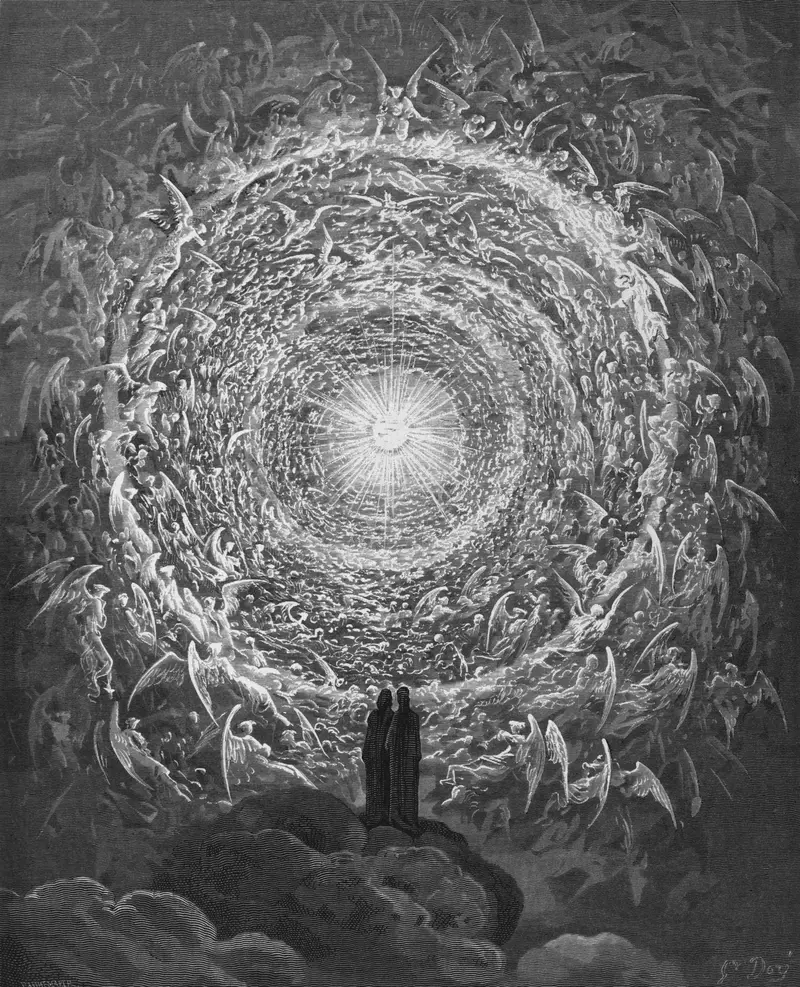
The Empyrean (Paradiso, Canto 31)
Gustave Doré
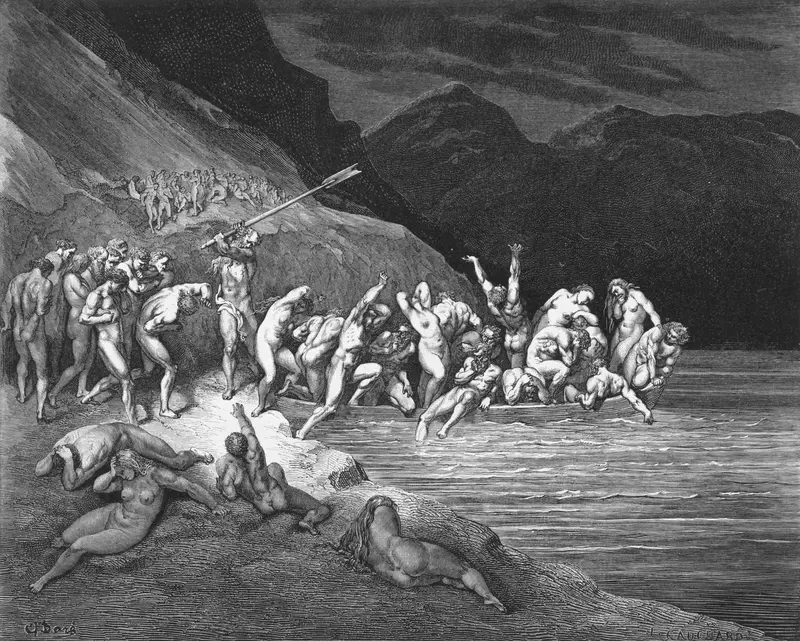
Charon (Inferno, Canto 3)
Gustave Doré
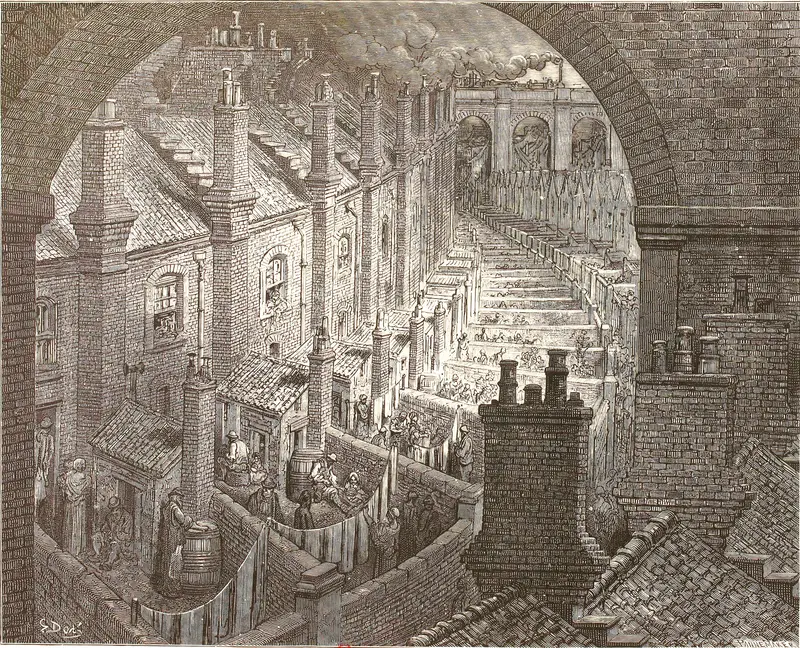
Over London by Rail
Gustave Doré
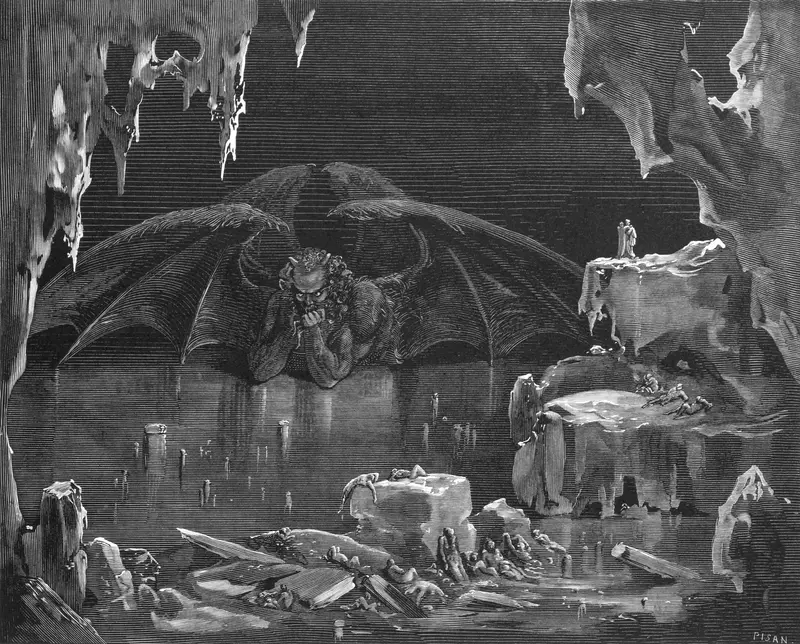
Lucifer, King of Hell
Gustave Doré
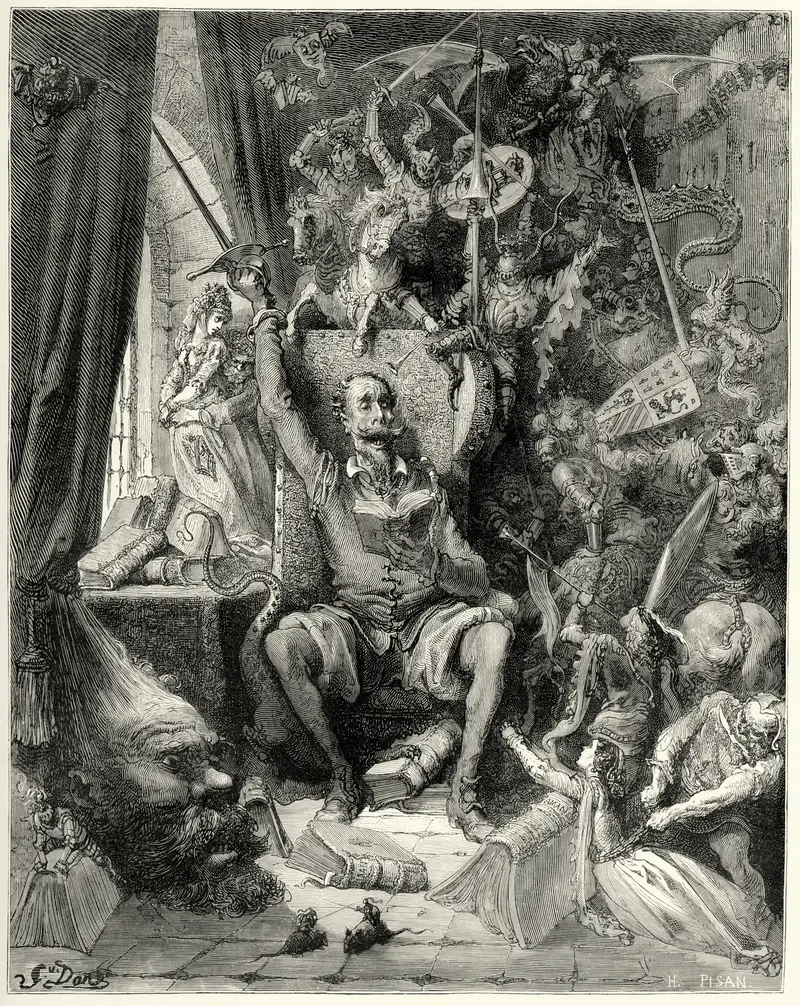
Don Quixote in His Library
Gustave Doré
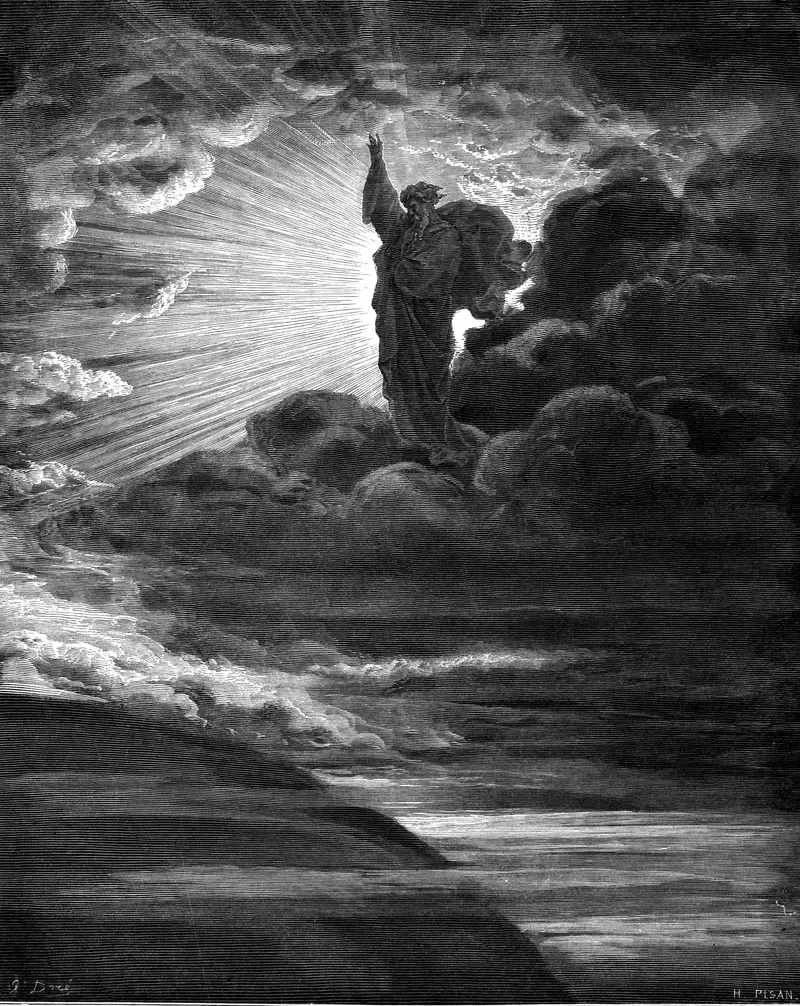
The Creation of Light
Gustave Doré
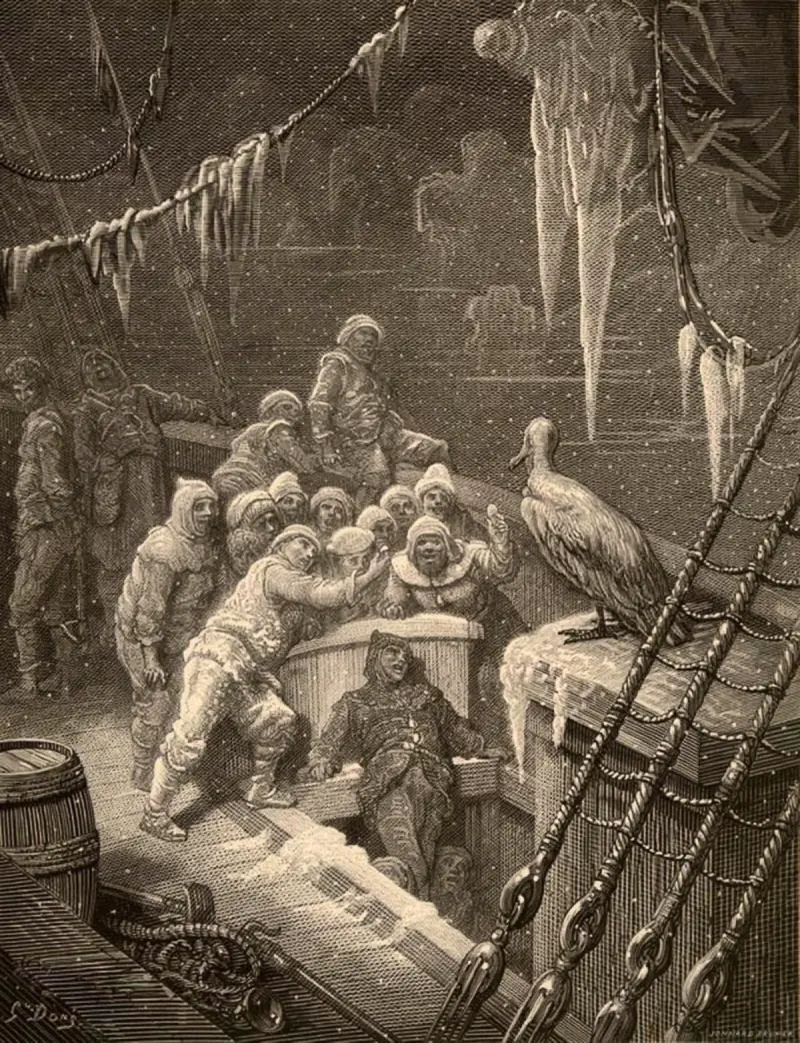
The Albatross (The Rime of the Ancient Mariner)
Gustave Doré
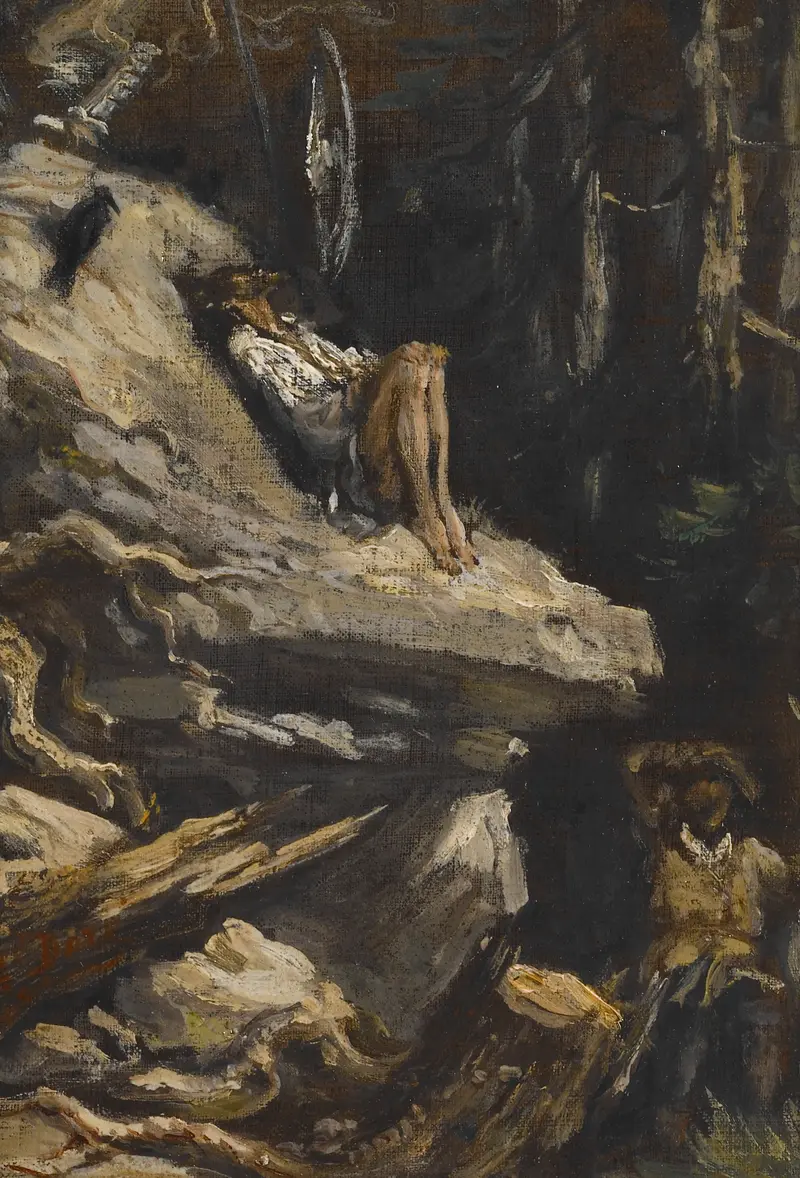
"'Alas!' answered Sancho, 'I found him in his shirt, lean, pale, and almost starved, sighing for his Lady Dulcinea'" from Don Quixote
Gustave Doré
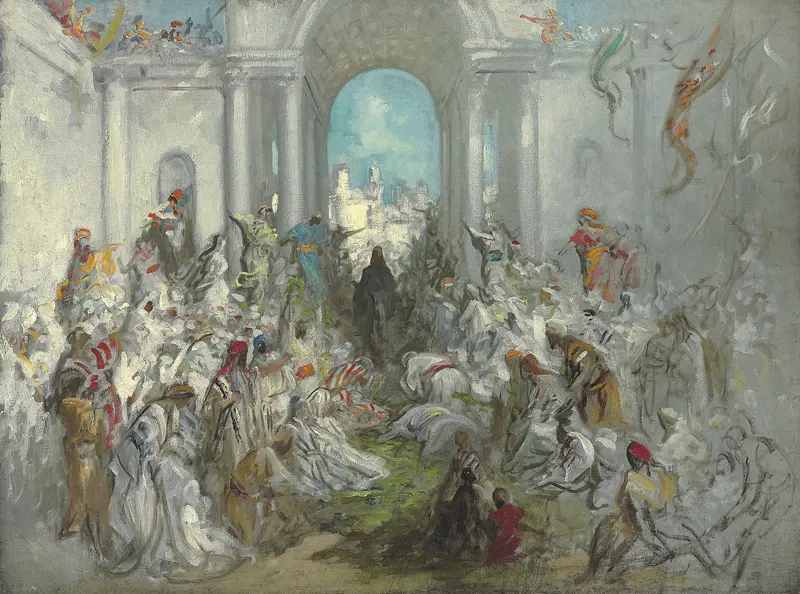
Christ's Entry into Jerusalem
Gustave Doré
More Landscape Art

The Starry Night
Vincent van Gogh

View of Delft
Johannes Vermeer

Water Lilies
Claude Monet

The Grand Canal, Venice, looking north-west from the Ca' Corner to the Ca' Contarini degli Scrigni, with the campanile of Santa Maria della Carità
Canaletto

Windsor Castle
Canaletto

The Grand Canal looking North-East from the Palazzo Dolfin-Manin to the Rialto Bridge
Canaletto