
Evening in the Meadows — History & Facts
What first catches the eye in Evening in the Meadows is the way the late sun glances off the hide of a cow, transforming an everyday scene into something quietly monumental. The painter, Aelbert Cuyp, uses the golden light of the low horizon to knit together the world of people, animals, and water. The viewer is drawn first to the woman kneeling in the grass, intent on her work, while the cows—placid, dignified—stand as sentinels on the rise.
The river glows, its surface broken by boats and the silhouettes of distant figures, while the sky, restless with clouds, hints at the slow drift of time. Every detail, from the lush weeds in the foreground to the sails catching the evening breeze, is placed to invite the eye to linger and wander. This is the Dutch Golden Age as it wished to see itself: prosperous, tranquil, and in harmony with the land. In the mid-1650s, scenes like this were prized by a rising merchant class eager to celebrate their country’s rural abundance and mastery of water.
Cuyp was renowned for his ability to bathe the ordinary in the honeyed light of late day, a style that would later influence English landscape painters. The painting now belongs to the Norton Simon Museum, a quiet testament to how a single evening, caught on canvas, can still invite us to pause and look more closely at the world.
More Artworks by Aelbert Cuyp

The Maas at Dordrecht
Aelbert Cuyp
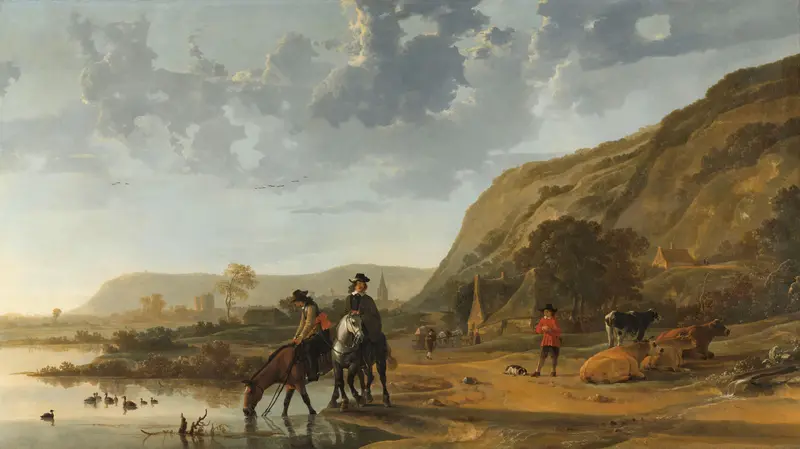
River Landscape with Riders
Aelbert Cuyp

The Maas at Dordrecht
Aelbert Cuyp
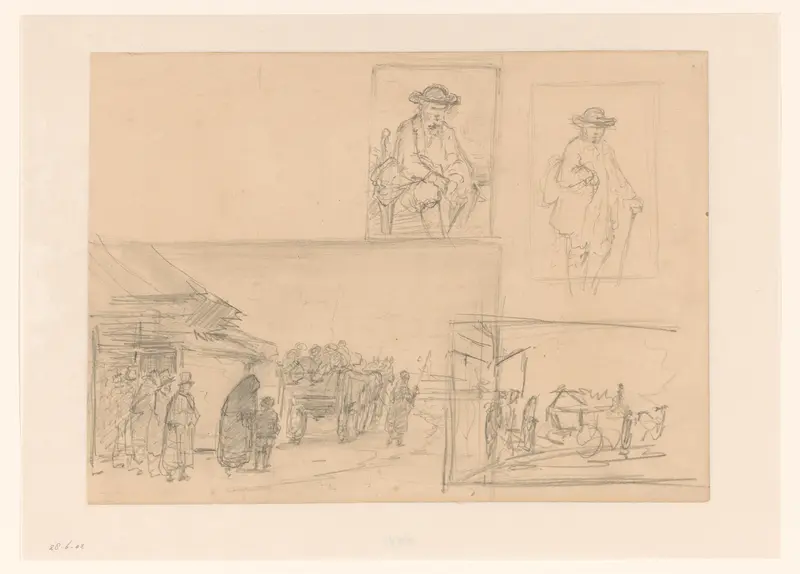
Gezicht op Dordrecht
Aelbert Cuyp
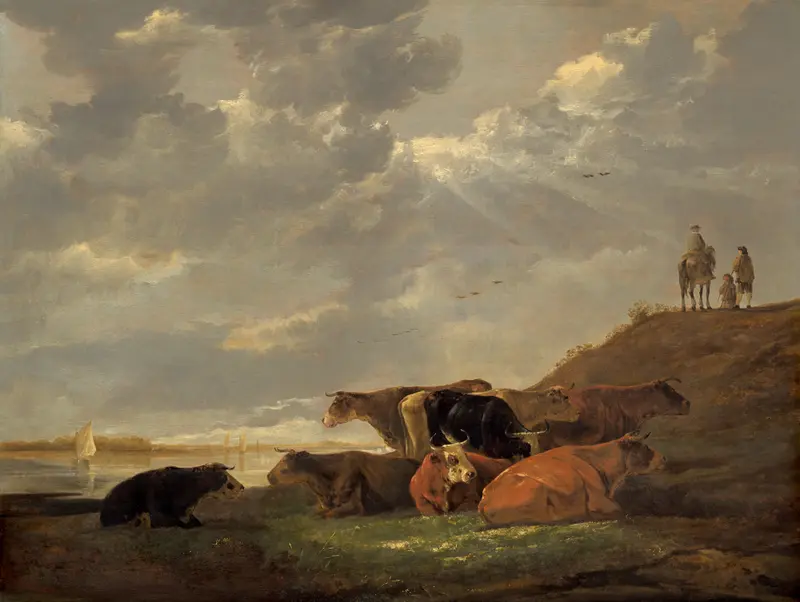
River Landscape with Cows
Aelbert Cuyp
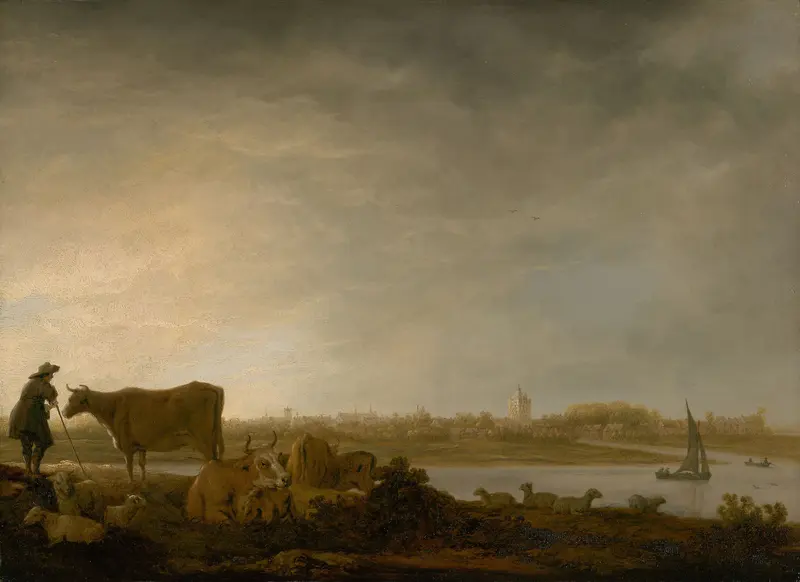
A View of Vianen with a Herdsman and Cattle by a River
Aelbert Cuyp
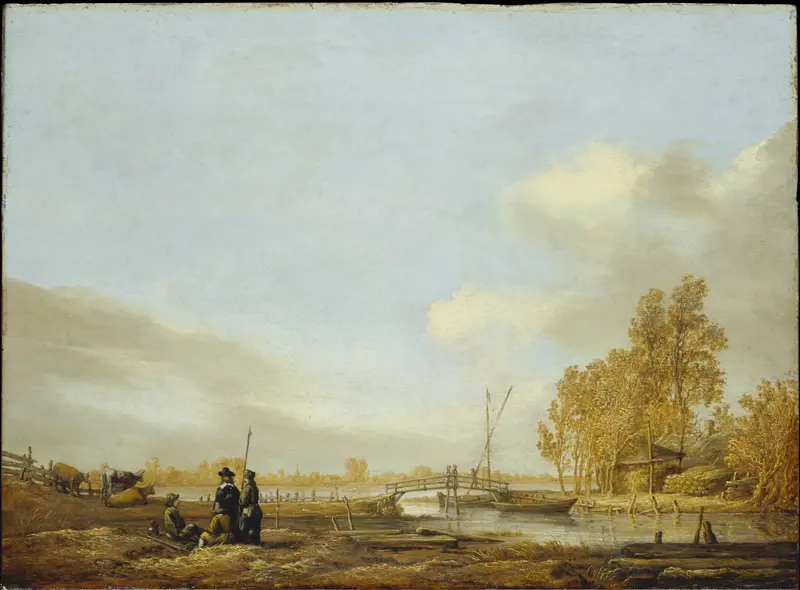
River Landscape with Footbridge
Aelbert Cuyp
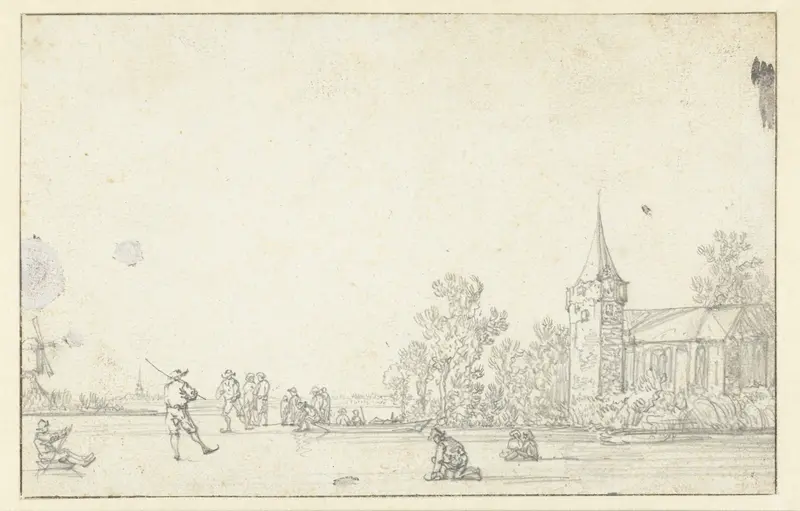
Bevroren rivier met schaatsers bij een kerk
Aelbert Cuyp

Cattle near a River
Aelbert Cuyp
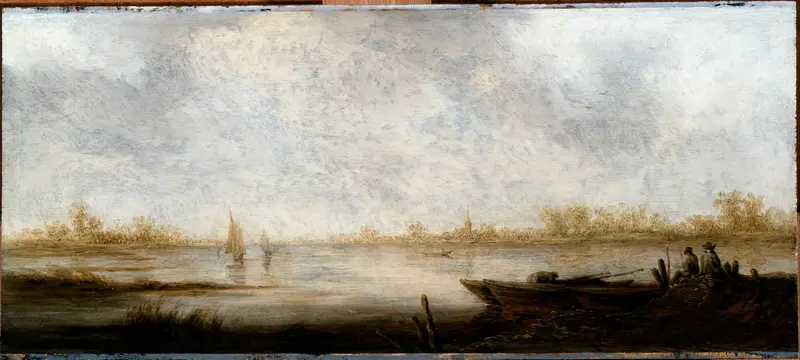
River Landscape
Aelbert Cuyp
More Landscape Art

The Starry Night
Vincent van Gogh

View of Delft
Johannes Vermeer

Water Lilies
Claude Monet

The Grand Canal, Venice, looking north-west from the Ca' Corner to the Ca' Contarini degli Scrigni, with the campanile of Santa Maria della Carità
Canaletto

Windsor Castle
Canaletto

The Grand Canal looking North-East from the Palazzo Dolfin-Manin to the Rialto Bridge
Canaletto