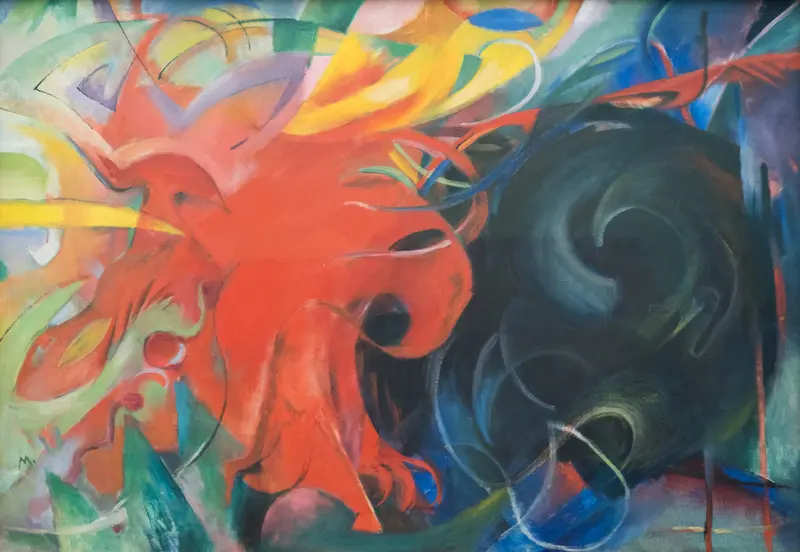
Expression of Colour and Movement — History & Facts
Few works from the early twentieth century have generated as much debate over their authorship and date as Expression of Colour and Movement. While the painting is unmistakably linked to Jules Schmalzigaug, a leading figure of the Italian Futurist movement, neither its exact year nor its medium has been conclusively established. What is certain is that this piece has been cited in early exhibition catalogues as a "pivotal experiment in pure dynamism," sparking speculation that it may have been among the first attempts by Schmalzigaug to break away from representational forms entirely. The painting itself is a whirl of vibrant hues and energetic forms, capturing the sensation of movement rather than any concrete subject.
Unlike narrative-driven works, Expression of Colour and Movement invites the viewer to experience the rush of color as a physical force: sweeping arcs and fractured shapes suggest the bustle of urban life, or perhaps the rhythm of machinery, both favorite themes of the Futurists. The absence of recognizable figures or objects sets it apart from contemporaries like Umberto Boccioni, whose Unique Forms of Continuity in Space still hints at the human body. Here, the story is the act of painting itself—an exploration of speed, light, and the emotional charge of pure color. The journey of this painting through history is as elusive as its subject.
There is no surviving record of a patron or original commission, and its whereabouts during the artist's lifetime remain unclear; some scholars believe it may have been exhibited in Antwerp or Paris before disappearing into private hands. It resurfaced decades later in a European collection, where its attribution to Schmalzigaug was confirmed through stylistic analysis rather than signature. Today, Expression of Colour and Movement stands as a testament to Schmalzigaug's restless innovation and the radical ambitions of the Futurist movement, continuing to intrigue viewers and historians alike with its mysteries.
More Artworks by Jules Schmalzigaug

A View of Scheveningen
Jules Schmalzigaug
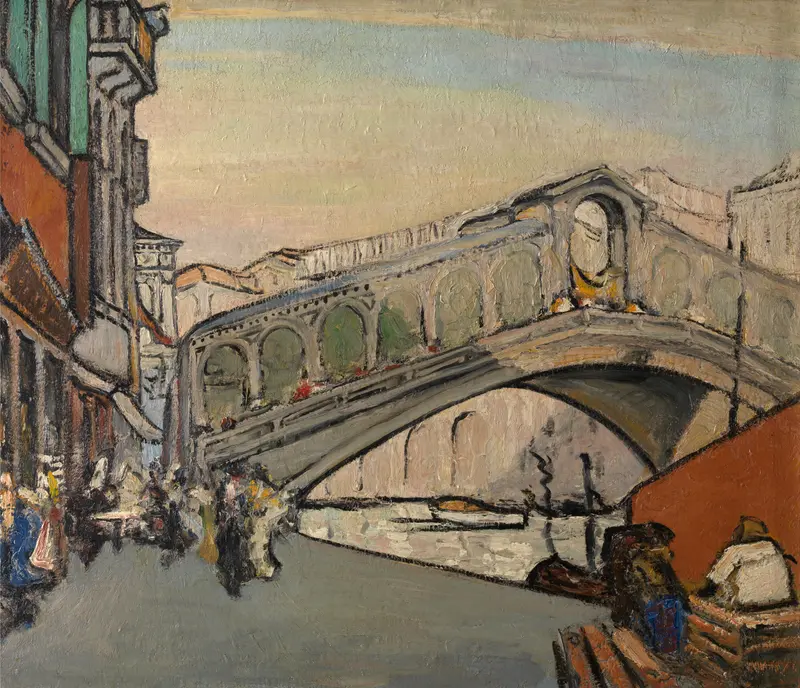
The Rialto Bridge in Venice
Jules Schmalzigaug

Abstract Bouquet
Jules Schmalzigaug
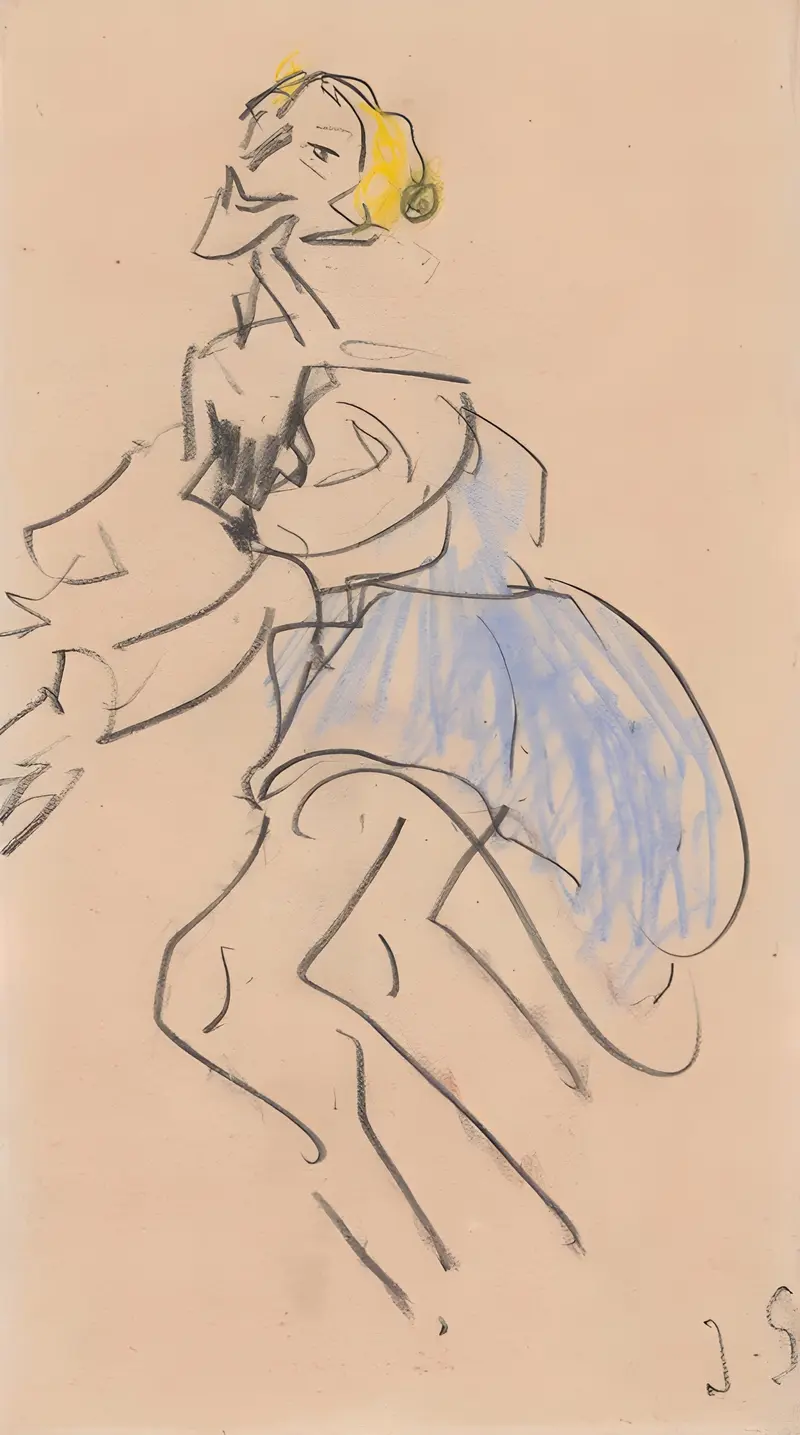
Dancer
Jules Schmalzigaug
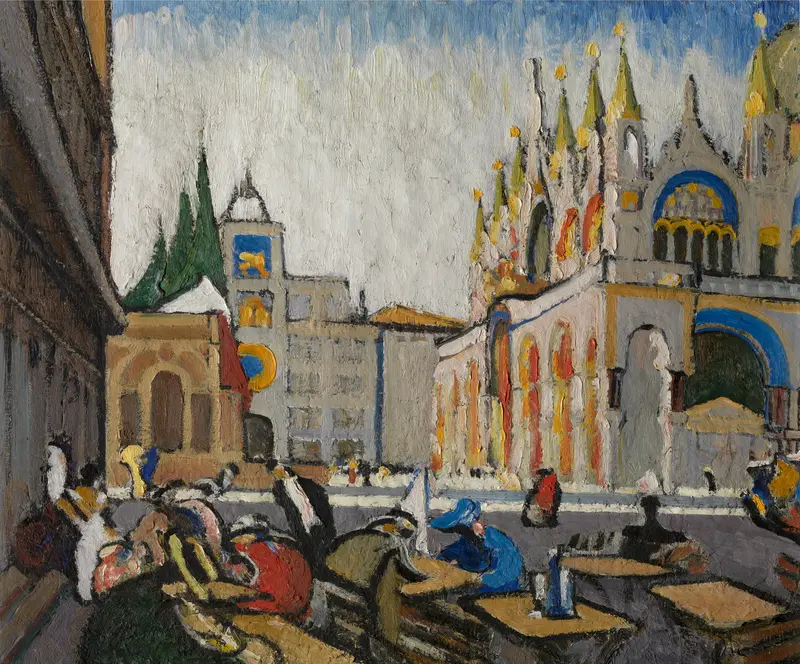
San Marco from the Piazetta
Jules Schmalzigaug
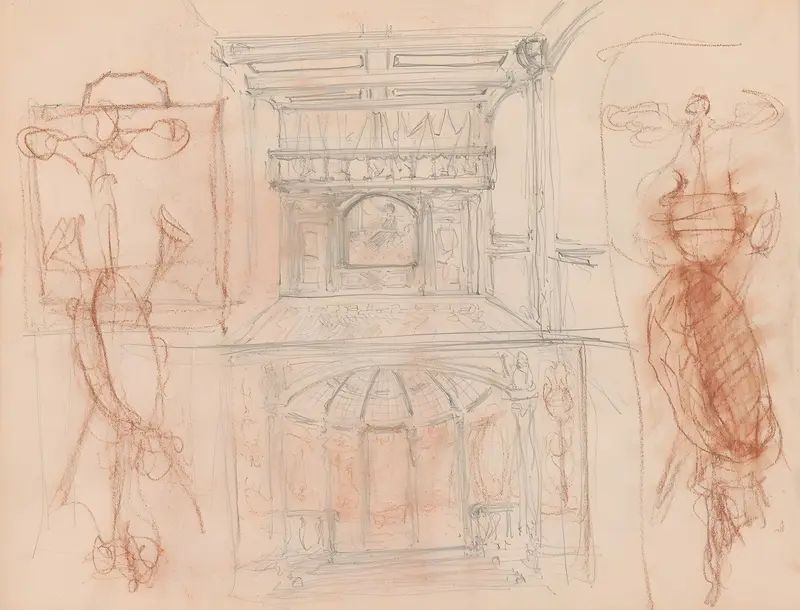
Architectural Elements
Jules Schmalzigaug
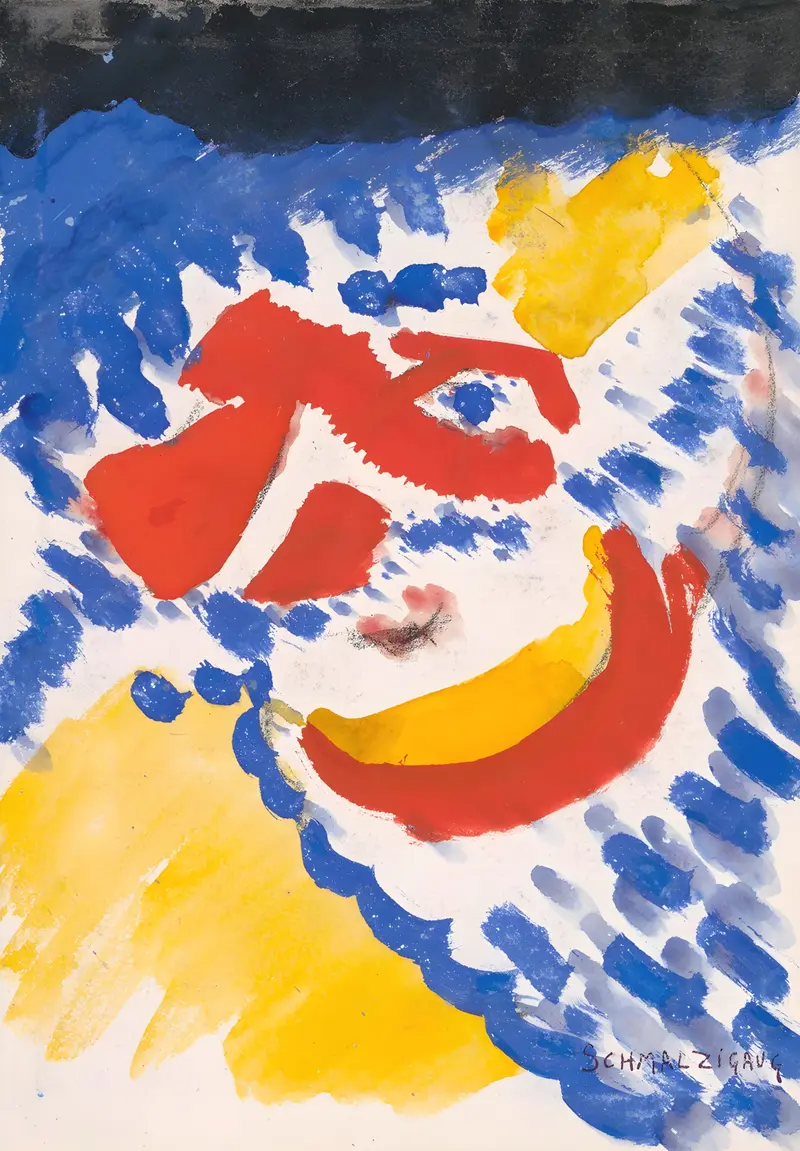
Blue, Red and Yellow Figures
Jules Schmalzigaug
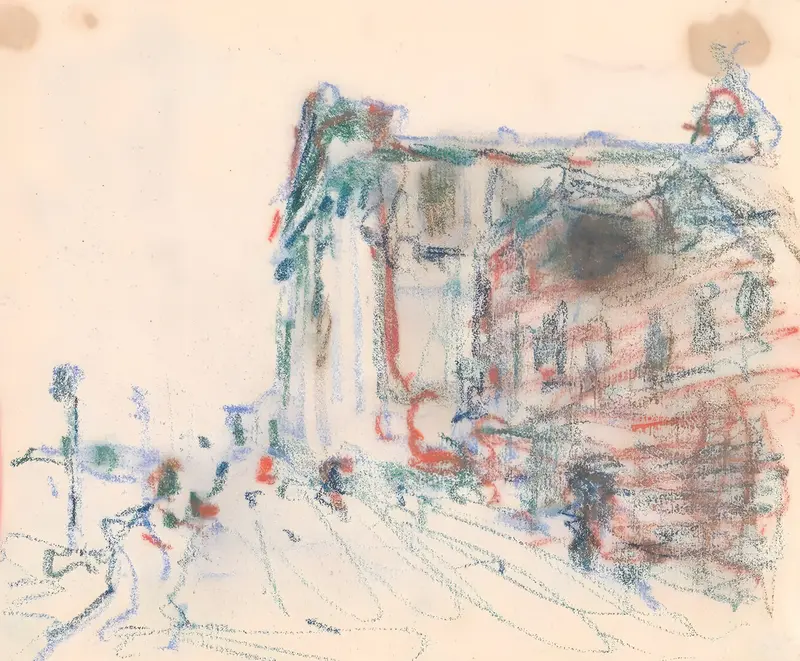
Chiesa dei Gesuati in Venice
Jules Schmalzigaug
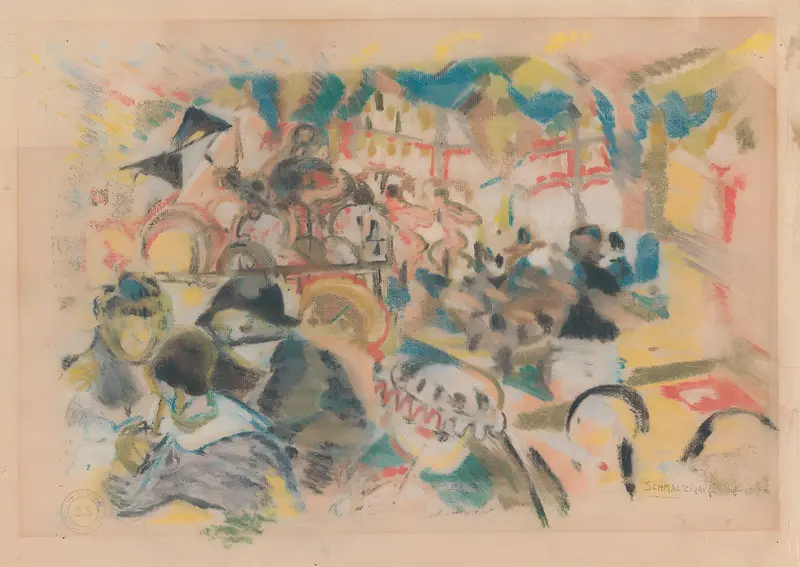
Café-chantant
Jules Schmalzigaug
Backyard
Jules Schmalzigaug