
Ezel staand tussen rustende schapen, een geit en herders — History & Facts
Did the painter know this moment would outlive them? In a world where nature and tranquility converge, each brushstroke becomes a testament to enduring beauty and a quiet revelation. Look to the left, where a gentle easterly light bathes the scene, illuminating the resting sheep with a soft glow. The central figure, an imposing donkey, stands stoic amidst the pastoral harmony, while a goat nibbles at the grass, seemingly unaware of the shepherds' watchful presence. Notice how the artist employs a rich, earthy palette of greens and browns that contrasts with the delicate whites and soft grays of the livestock, drawing the viewer's gaze towards the serene choreography of life unfolding before us. In this moment of stillness, the juxtaposition of the active animal against the reclining sheep symbolizes a balance between labor and leisure, echoing the dualities of existence.
The herders, with their humble attire, remain enveloped in an aura of contemplative peace, suggesting a harmonious relationship with their surroundings. This scene captures not only the tranquility of rural life but also the fleeting nature of such moments, inviting us to reflect on the passage of time. Painted between 1630 and 1683, this work emerged during a period of flourishing Dutch Golden Age art, where landscapes and pastoral scenes began to dominate the canvas. Nicolaes Pietersz Berchem, known for his ability to capture the essence of rural life, was influenced by the evolving tastes of collectors who sought depictions of serene natural beauty.
In this era, the everyday became a subject worthy of artistic exploration, resonating with the viewer across generations.
More Artworks by Nicolaes Pietersz Berchem
Browse all →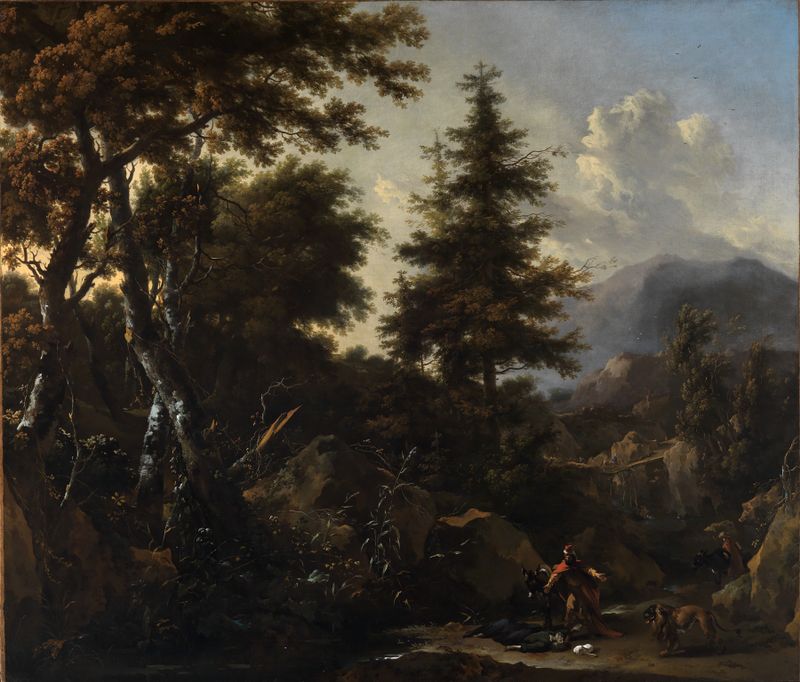
Schlucht im Bergwald mit alttestamentlicher Staffage
Nicolaes Pietersz Berchem
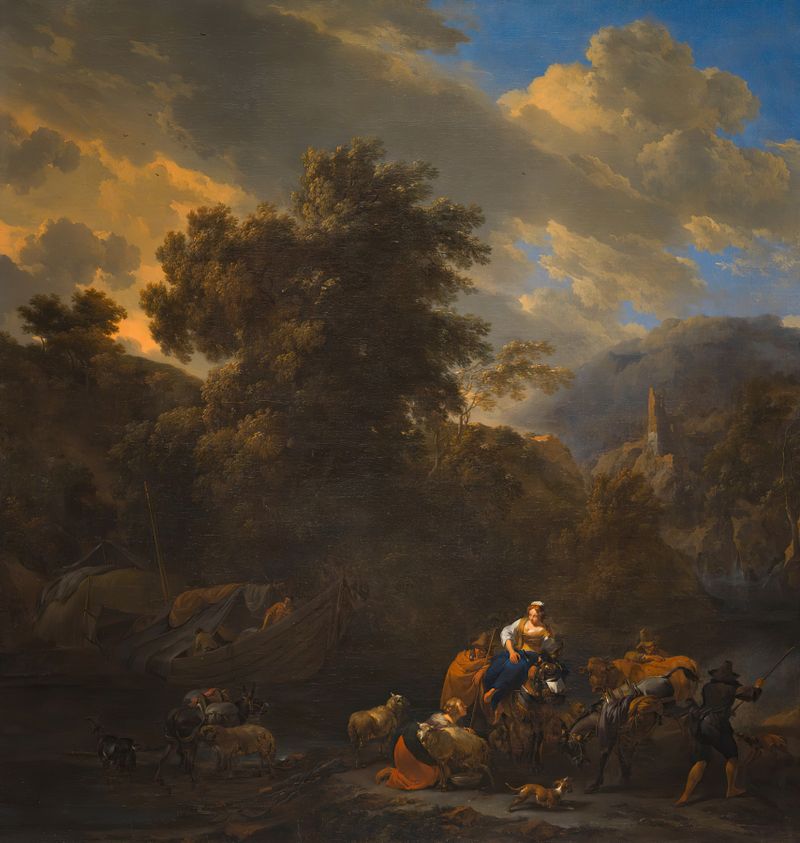
Italianate Landscape with Figures and Pack Animals on the Banks of a River
Nicolaes Pietersz Berchem
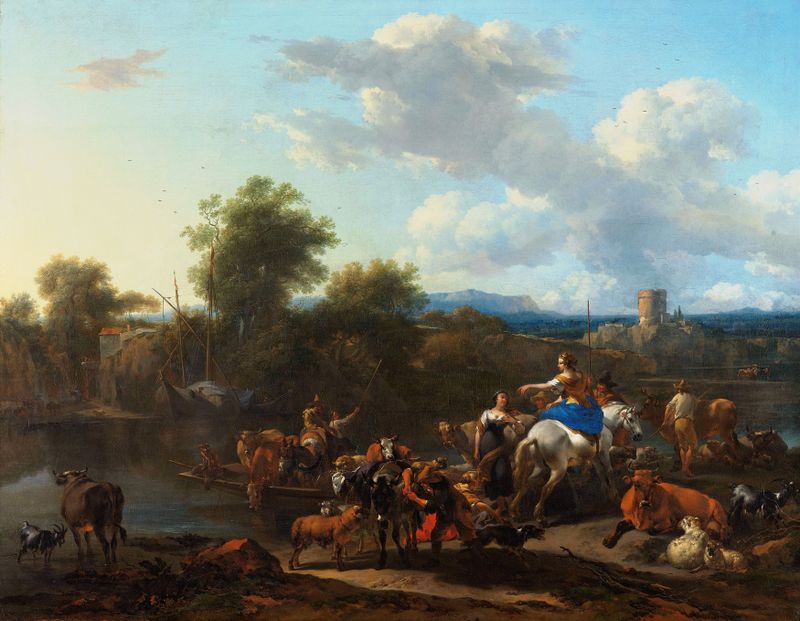
The Cattle Ferry
Nicolaes Pietersz Berchem
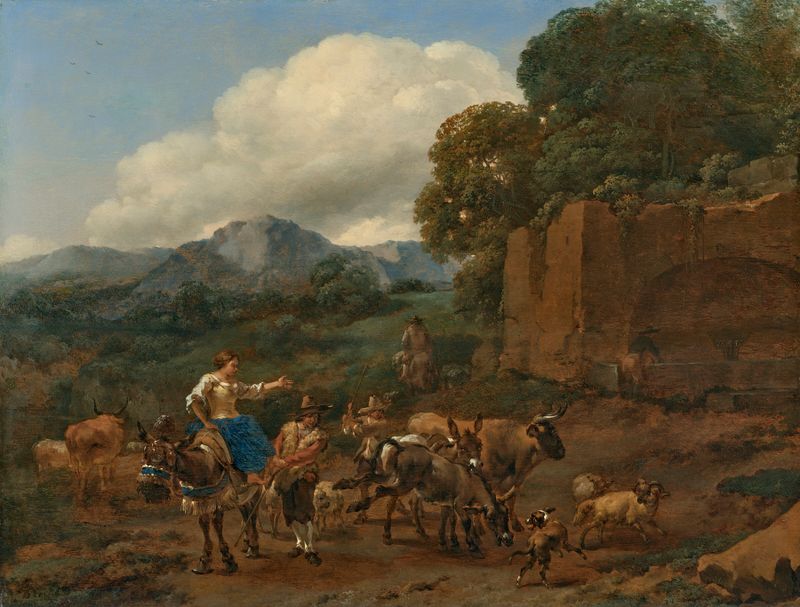
An Italianate landscape with a shepherdess on a mule and a shepherd, herding cattle, sheep, donkeys and dogs on a mountain track next to ruins
Nicolaes Pietersz Berchem
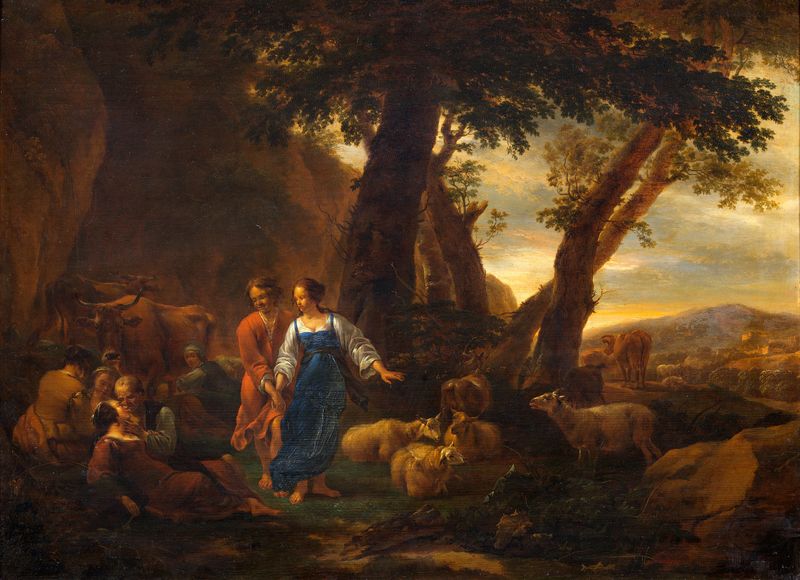
Landscape with Peasants and Cattle
Nicolaes Pietersz Berchem
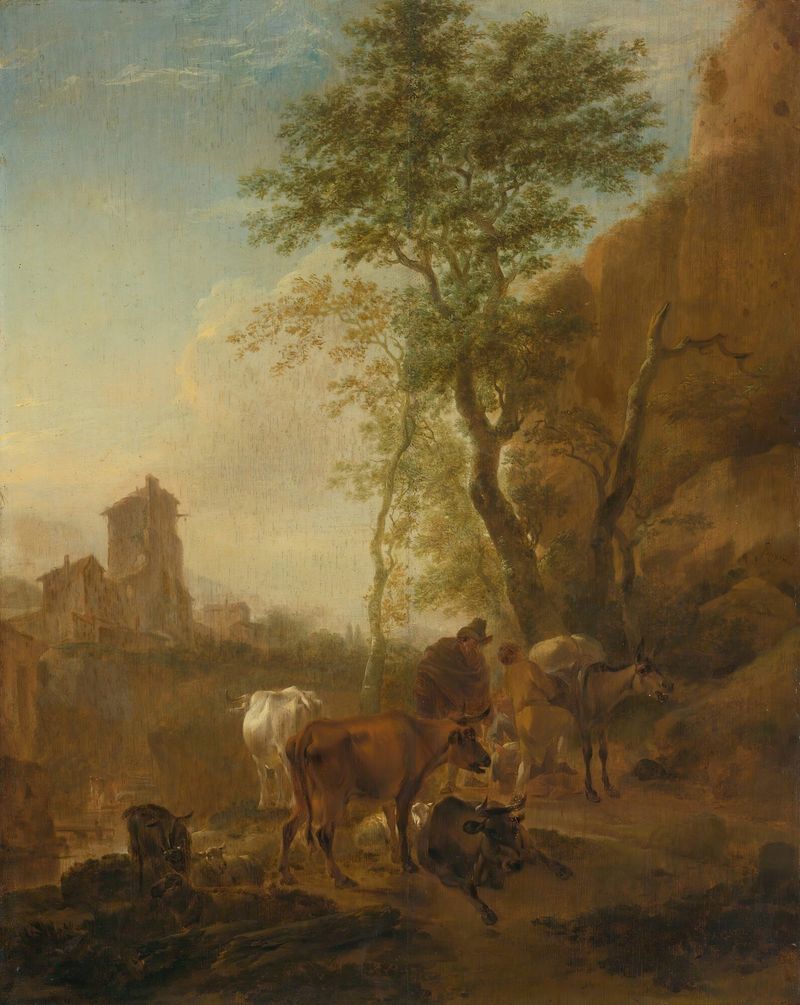
Italianate Landscape With Cows
Nicolaes Pietersz Berchem
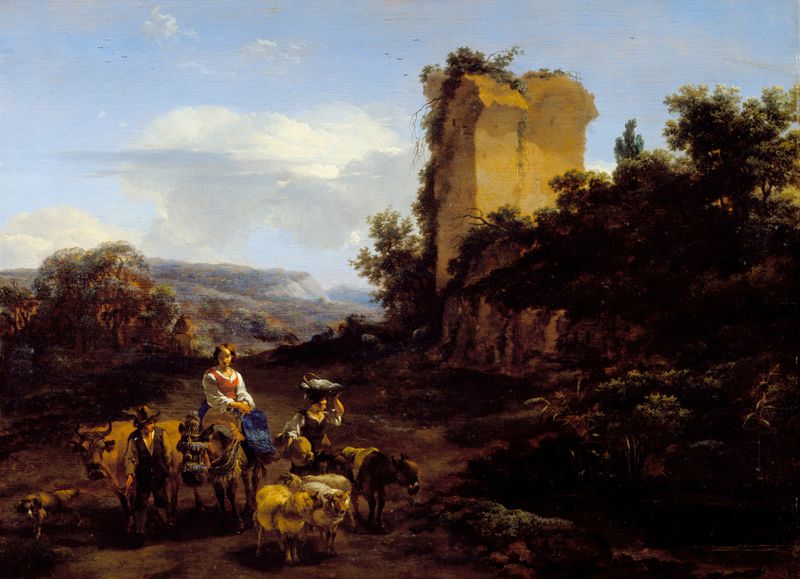
Landscape with Ruins and Travelers
Nicolaes Pietersz Berchem
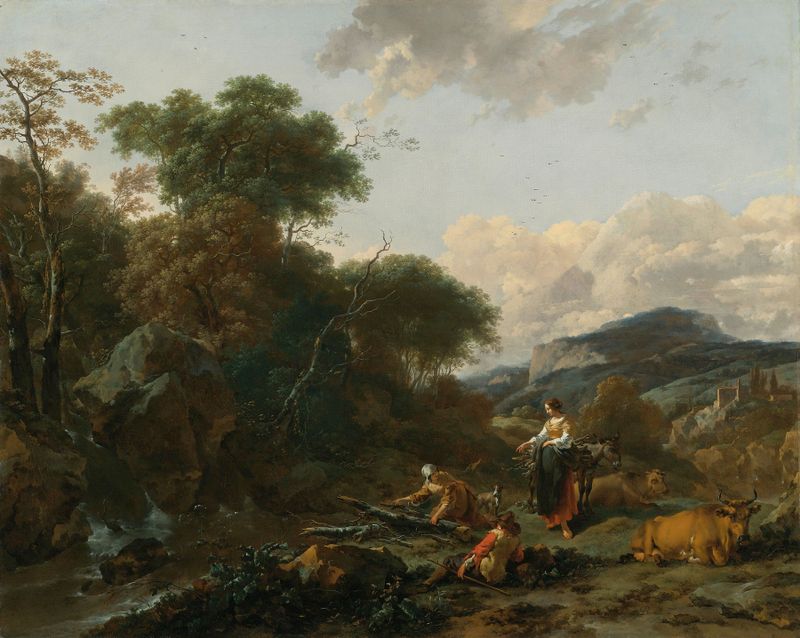
A Landscape With Figures
Nicolaes Pietersz Berchem
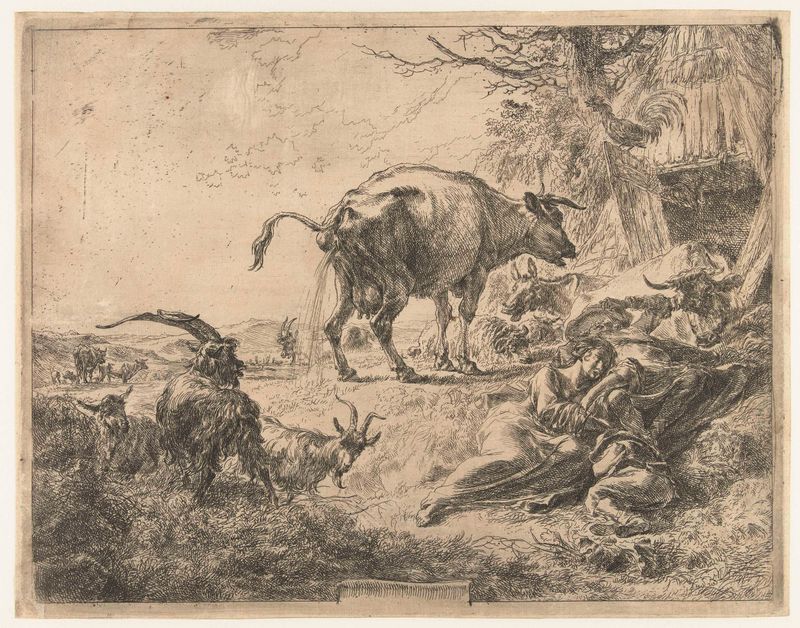
Slapende herdersfamilie en rustend vee
Nicolaes Pietersz Berchem
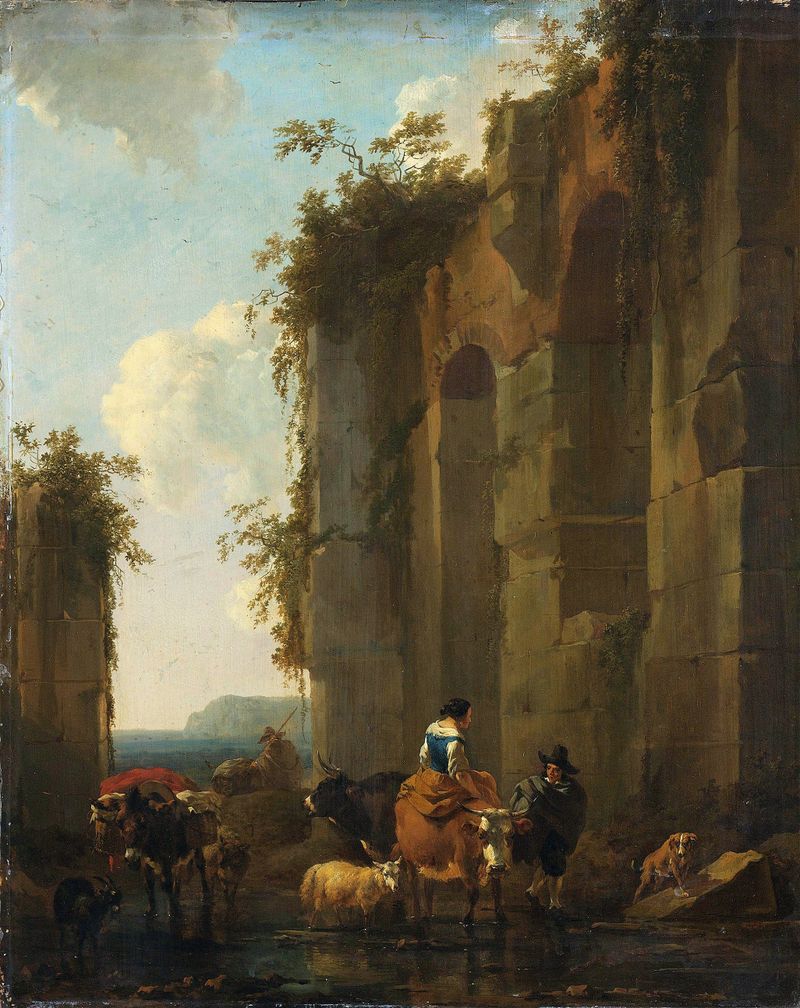
Ruins in Italy
Nicolaes Pietersz Berchem





