
Falling Leaves — History & Facts
Can beauty exist without sorrow? In Falling Leaves, the delicate interplay of nature’s decay evokes a poignant illusion, capturing the essence of life’s transience. Look to the foreground, where a lone tree stands, its branches stretching out like yearning fingers against a backdrop of muted autumn hues. The fallen leaves, splashed with gold and burnt umber, create a striking contrast with the earth below, guiding the eye across the canvas. The brushwork is tender yet deliberate, as if each stroke is a whisper of the fleeting moments that define our existence.
Notice how the light filters through the canopy, casting a gentle glow that bathes the scene in warmth, inviting the viewer to linger on the beauty found in decay. Yet beneath this serene landscape lies a deeper emotional current. The tree, stripped of its foliage, symbolizes loss and the passage of time, reminding us that beauty is often intertwined with sorrow. The juxtaposition of vibrant leaves scattered on the ground against the bare branches above creates a tension that compels reflection on the cycle of life and the inevitability of change.
This duality captures a moment of quiet contemplation, where the viewer is left to ponder their connection to nature’s eternal rhythm. In the mid-1860s, Millet was deeply immersed in the rural life of France, drawing inspiration from the natural world and the struggles of peasant existence. Painted around 1866, Falling Leaves reflects his keen observation of life's cycles against the backdrop of a changing society. At this time, the artist was recognized for his ability to convey profound themes through seemingly simple subjects, establishing himself as a pivotal figure in the transition from Romanticism to Realism.
More Artworks by Jean-François Millet
Browse all →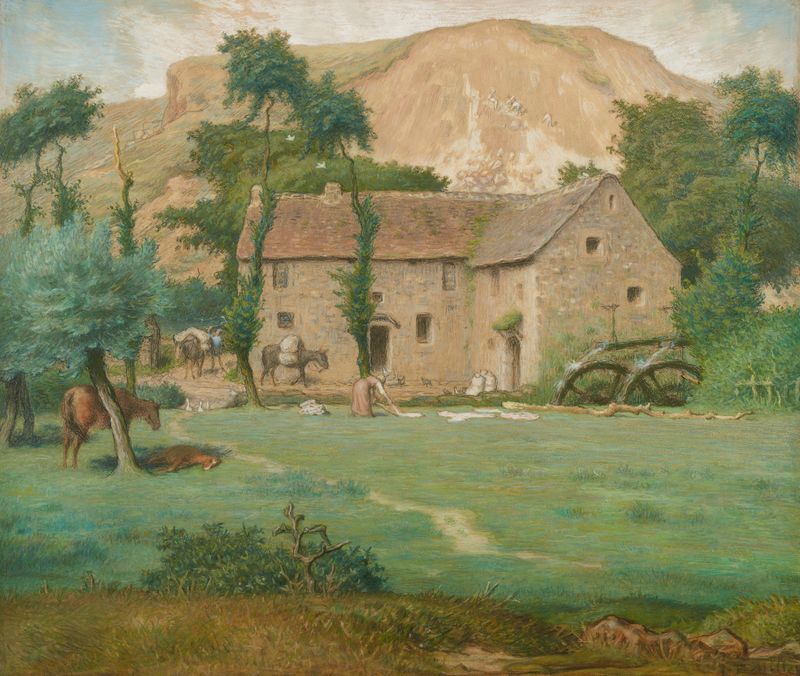
Watermill at the Foot of a Mountain, Allier
Jean-François Millet
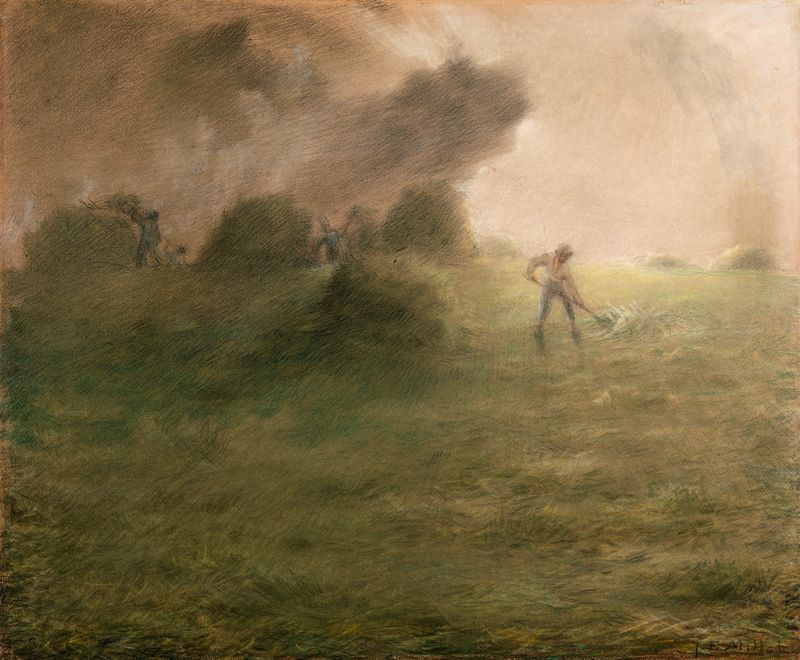
A Storm during Haymaking
Jean-François Millet
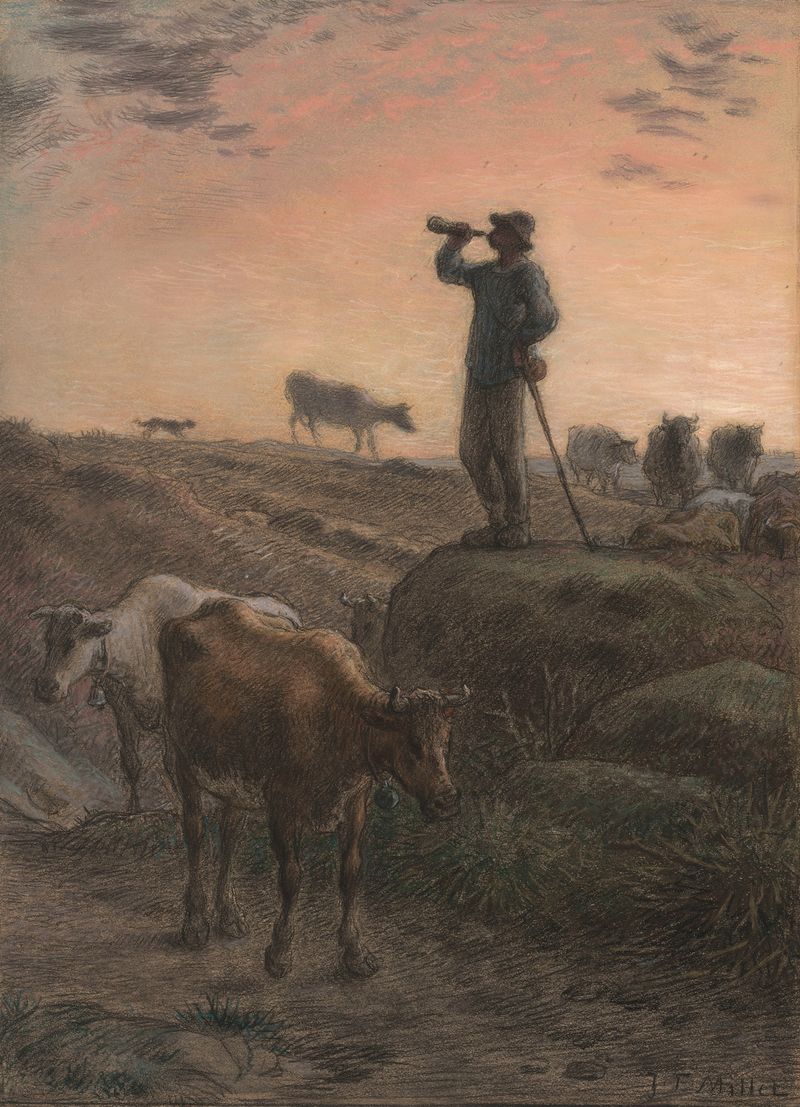
Calling Home the Cows
Jean-François Millet
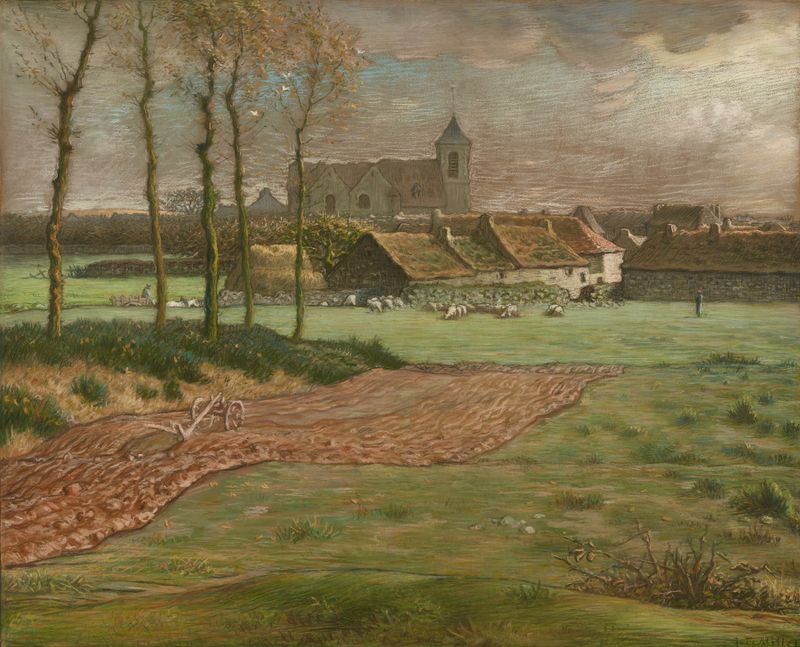
The Church at Chailly
Jean-François Millet
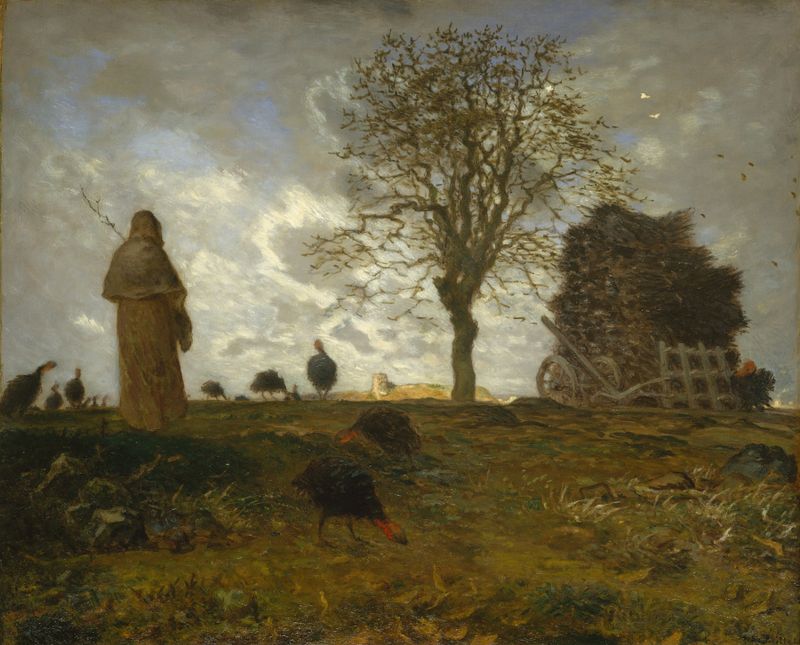
Autumn Landscape with a Flock of Turkeys
Jean-François Millet
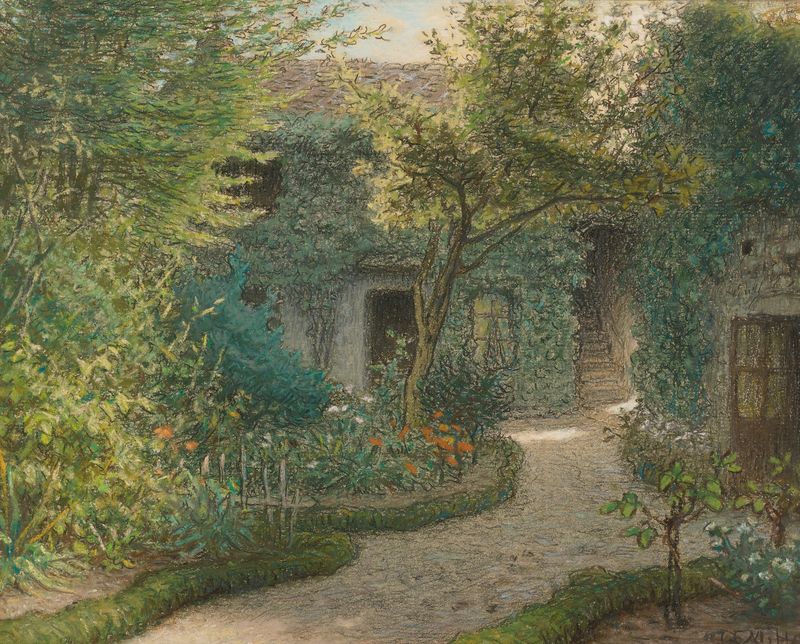
Théodore Rousseau’s House In Barbizon
Jean-François Millet
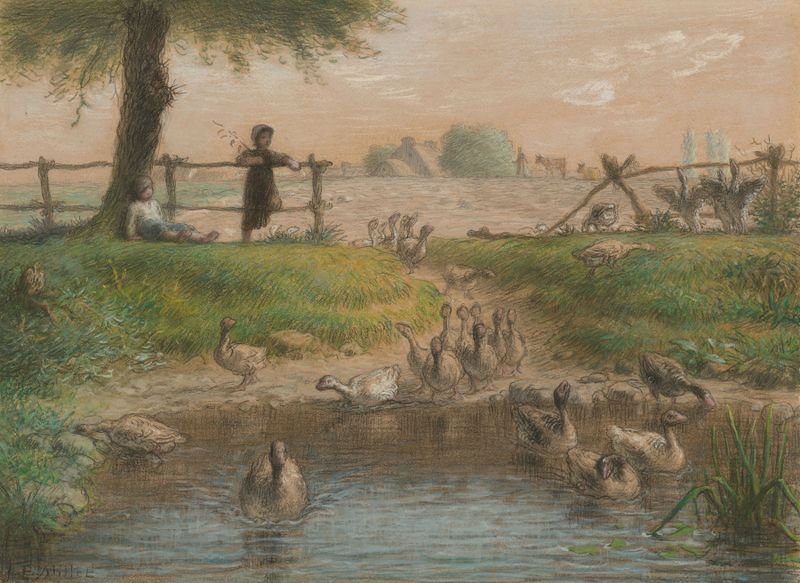
Peasant Children at Goose Pond
Jean-François Millet
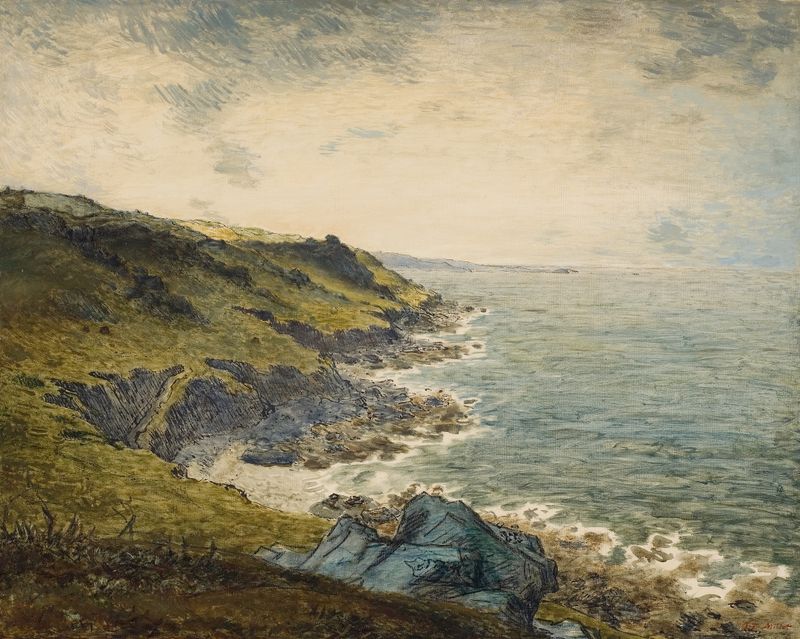
The Coast at Gréville
Jean-François Millet
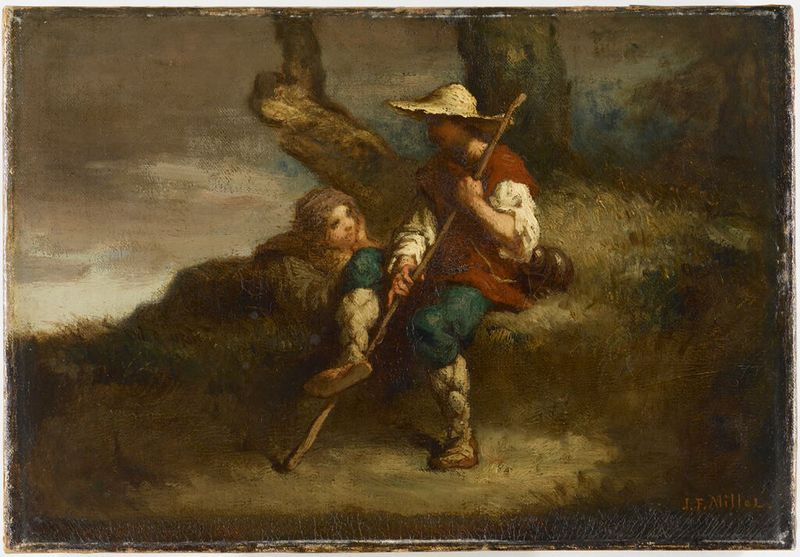
Shepherds Resting
Jean-François Millet
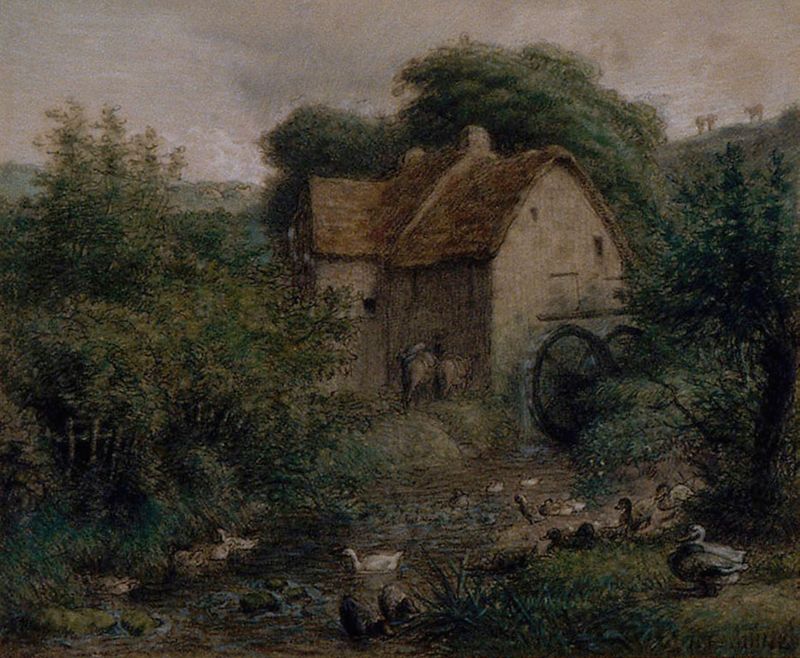
The Old Mill
Jean-François Millet





