
Family — History & Facts
A glass is raised, a child clutches her mother’s skirts, and a dog stands alert at the edge of the scene—Family by Arent Arentsz. Cabel invites the viewer into the layered world of a prosperous Dutch household. The eye is drawn first to the richly dressed figures in the foreground, their faces turned outward as if pausing for a portrait in the midst of daily life.
Light glances off the silks and lace, then leads us back through the composition: a stately house anchors the left, while the right opens onto a bustling river, sails taut in the wind, hinting at the pulse of commerce and travel. The scattered fish at the women's feet, the wine glass in the mother’s hand, and the careful posture of the father all signal a narrative of abundance and order—each detail placed to speak of status, labor, and kinship. Works like this, painted in the 17th century Dutch Republic, were shaped by a society in flux—wealth from trade, pride in domestic achievement, and the rise of a new urban elite. Paintings of family and estate, such as this, were often commissioned to celebrate prosperity and lineage, serving as both status symbols and private affirmations of belonging.
The genre thrived in a world where the boundaries between public and private, work and leisure, were being renegotiated, and where painters like Arent Arentsz. Cabel found new ways to blend portraiture, landscape, and still life into a single, harmonious scene. Though little is recorded about the specific journey of this painting—now documented in the Google Cultural Institute’s collection—its careful choreography of figures and setting still rewards the attentive viewer, offering fresh discoveries with every glance.
More Artworks by Arent Arentsz. Cabel

Ice fun on a frozen river
Arent Arentsz. Cabel
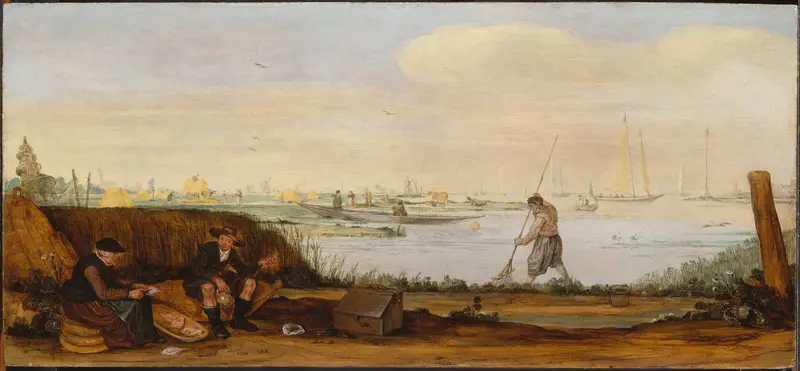
River Landscape with Boats and Fishermen
Arent Arentsz. Cabel
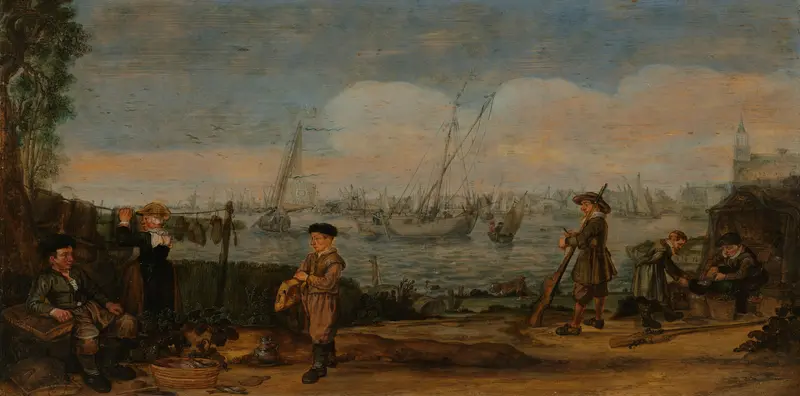
Fishermen and hunters
Arent Arentsz. Cabel
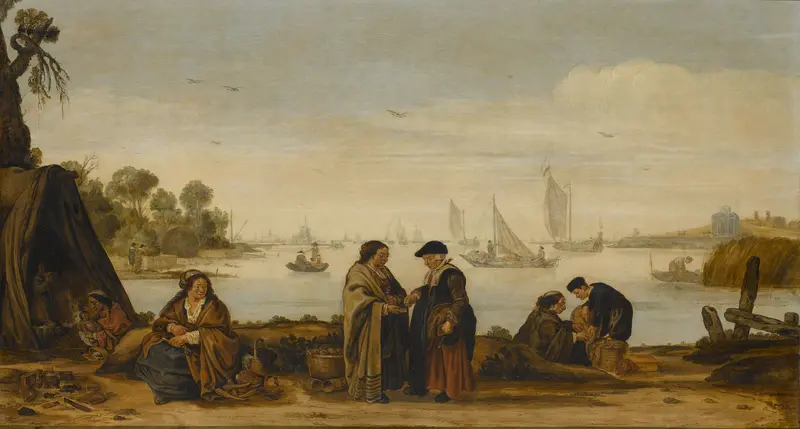
River landcape with gypsies
Arent Arentsz. Cabel
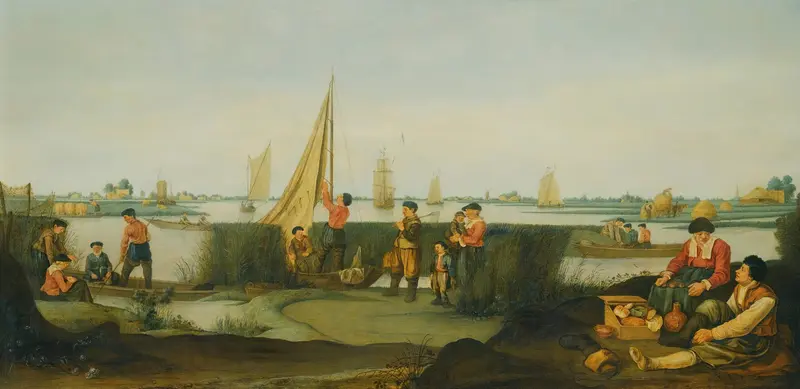
Fishermen On The Banks Of A River Estuary
Arent Arentsz. Cabel
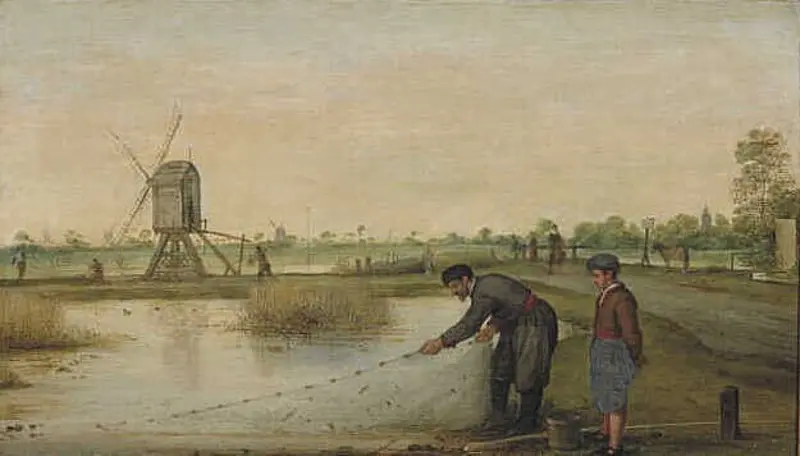
The Fisherman
Arent Arentsz. Cabel
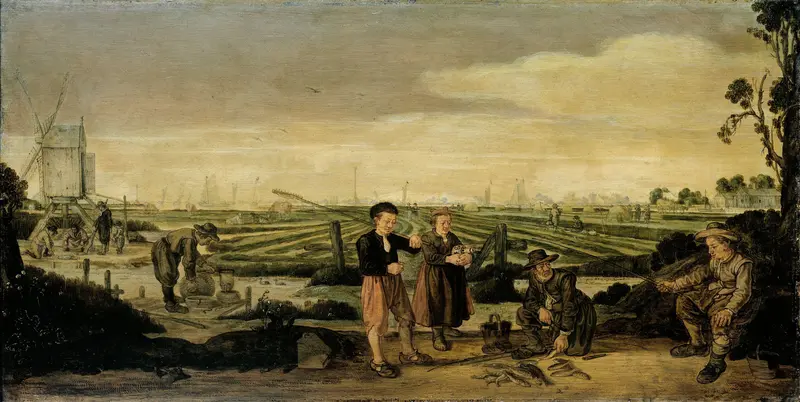
Fishermen and farmers
Arent Arentsz. Cabel
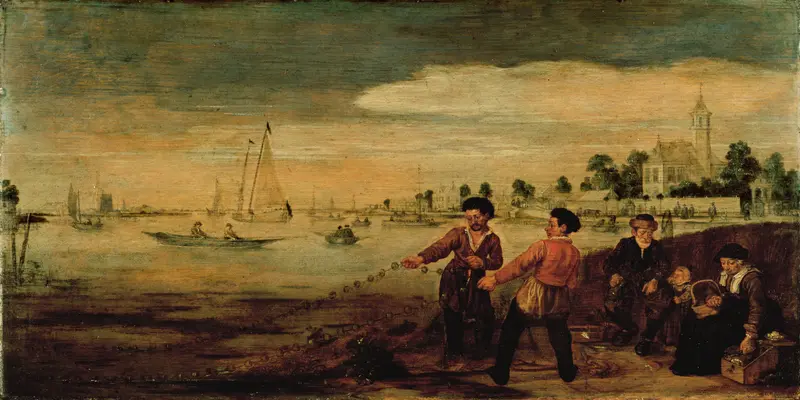
Fisherman on the bank of the Amstel near the Pauwentuin, Amsterdam
Arent Arentsz. Cabel
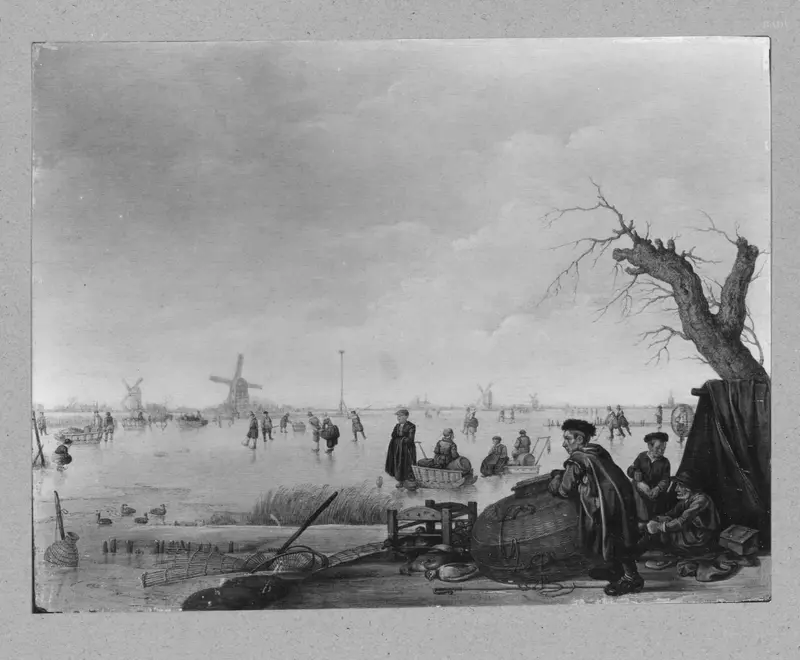
Ice Landscape with Duck Hunters
Arent Arentsz. Cabel
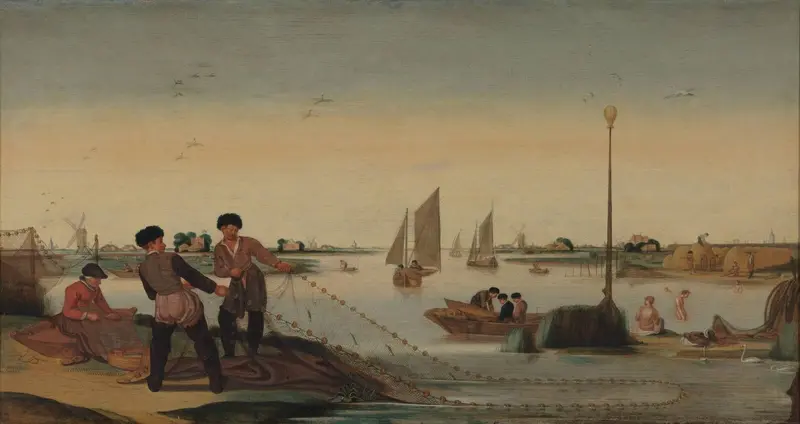
The summer
Arent Arentsz. Cabel
More Genre Scene Art

Banquet of the Officers of the St George Civic Guard
Frans Hals

Rembrandt and Saskia in the Scene of the Prodigal Son
Rembrandt van Rijn

Bal du moulin de la Galette
Pierre-Auguste Renoir

Quadrille at the Moulin Rouge
Henri de Toulouse-Lautrec

A Burial at Ornans
Gustave Courbet

When Will You Marry?
Paul Gauguin