
Farm — History & Facts
What first catches the eye in Farm by Armand Heins is the hush of a rural world caught in sepia tones, where the play of light and shadow across the thatched roofs and tangled grass suggests both the stillness and the quiet labor of country life. The artist leads us gently from the sunlit clearing in the foreground, where the grass is rendered with restless, energetic lines, toward the cluster of farm buildings that anchor the scene. Each roof, each wall, is described with a different density of mark, guiding our gaze and hinting at the textures of wood, tile, and foliage.
The trees rise behind the structures, their leaves a mass of cross-hatched shadow, while the sky is left open and luminous, suggesting the gentle warmth of late afternoon. Works like this, created sometime between 1872 and 1938, belong to a long tradition in European art of honoring the everyday dignity of rural existence. In the late nineteenth and early twentieth centuries, as industrialization transformed cities and countryside alike, artists turned to scenes of farms and fields with a mixture of nostalgia and documentary intent. Armand Heins was one among many who found poetry in the ordinary, and this piece now in the collection of Musea Brugge stands as a quiet witness to that impulse.
History has kept few traces of the individual stories behind such images, but the careful attention to light and structure invites us to imagine the rhythms of life that once filled this space—an invitation to linger, to look again, and to let the silence of the farm speak.
More Artworks by Armand Heins
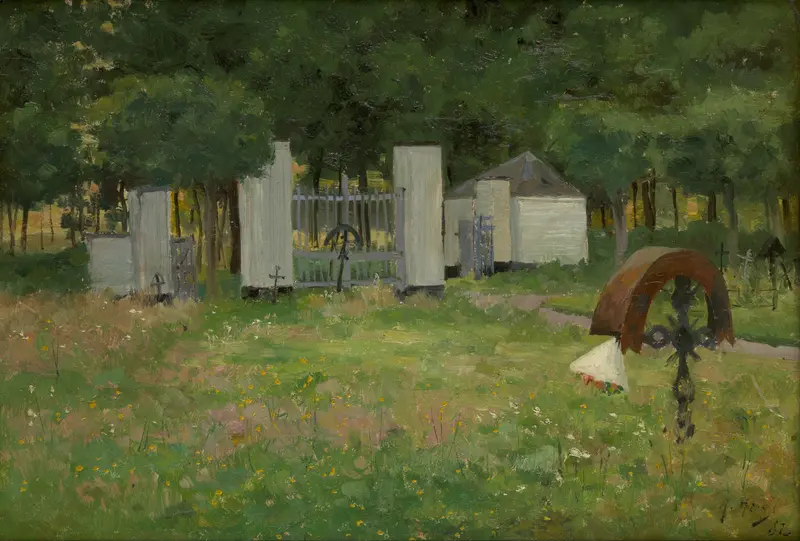
The Old Graveyard in Wondelgem (Ghent)
Armand Heins
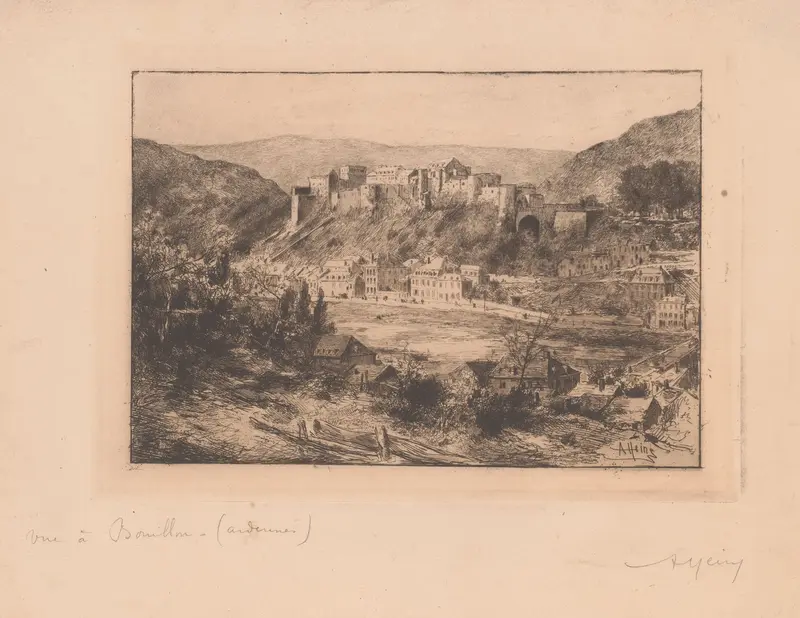
Gezicht op het kasteel te Bouillon
Armand Heins
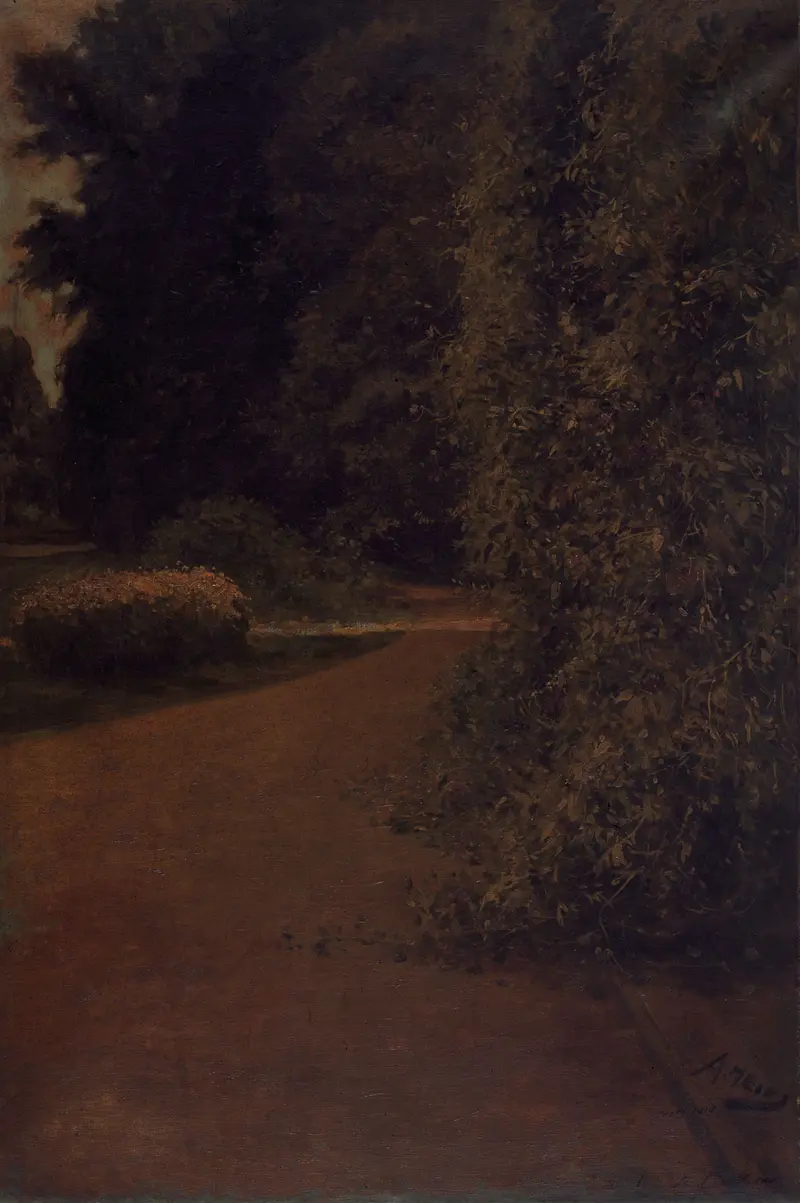
Bottelare Park (Merelbeke)
Armand Heins
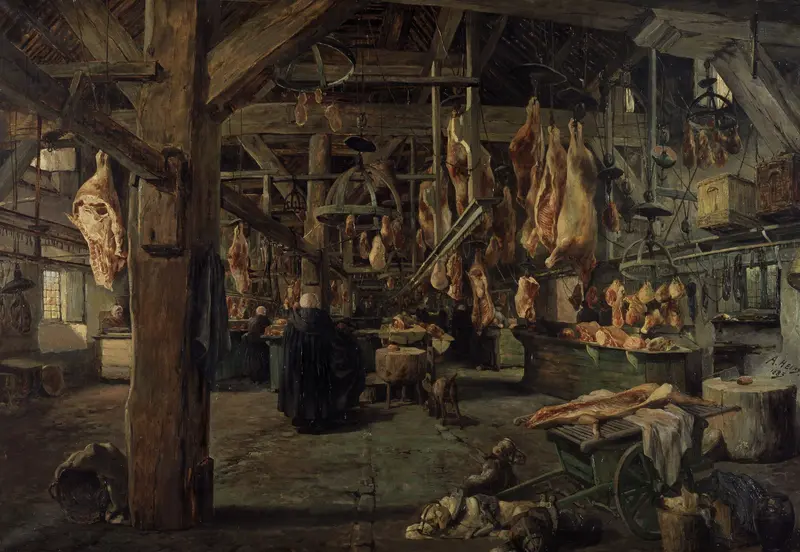
Covered market and guildhall in Ghent
Armand Heins
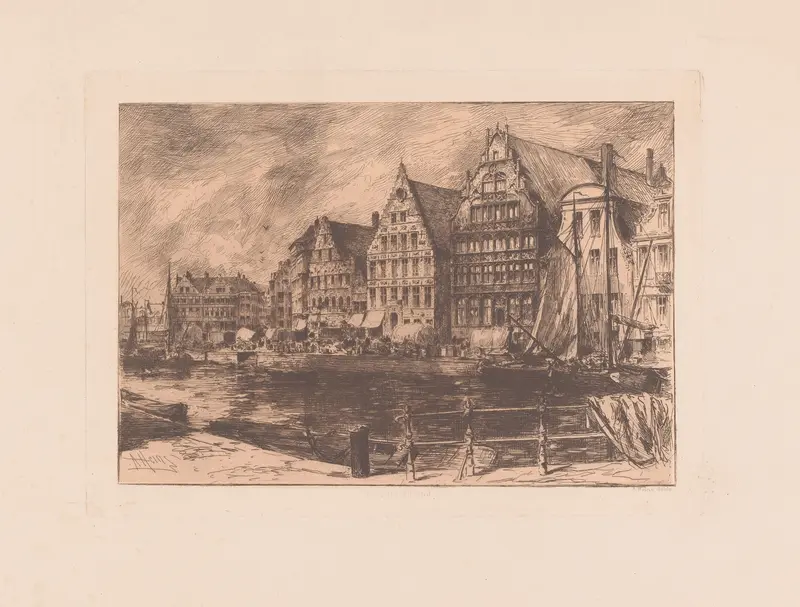
Gezicht op de kade in Gent
Armand Heins
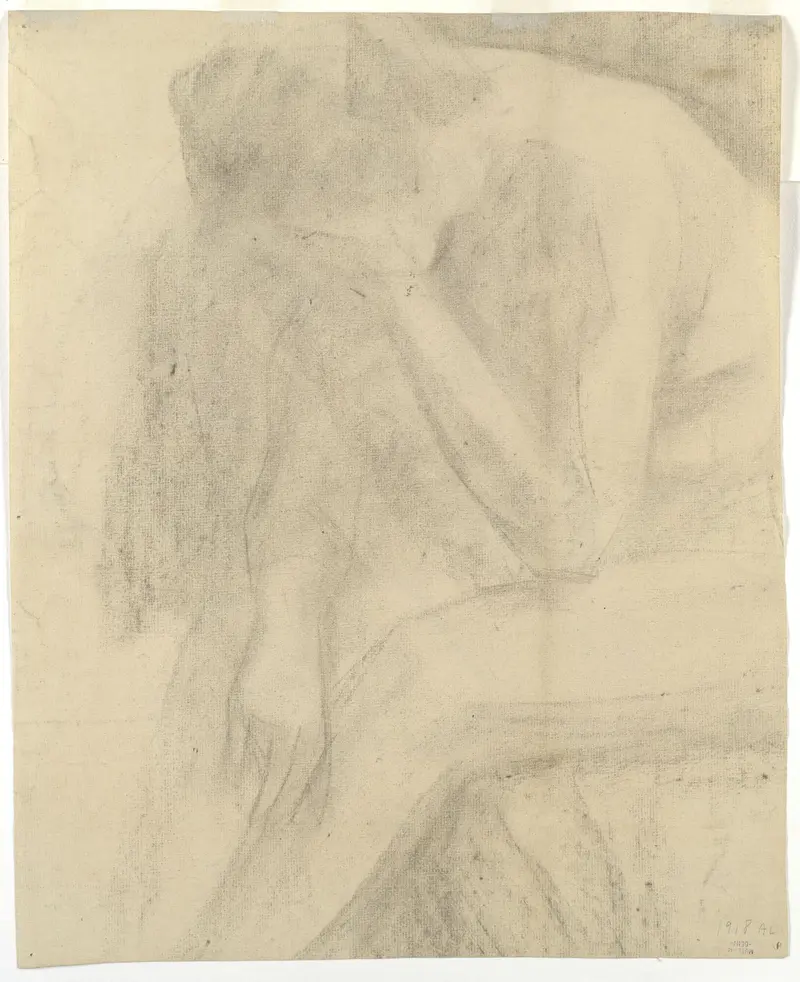
Naaktstudie (keerzijde Naaktstudie van een vrouw) Museum voor Schone Kunsten Gent 1
Armand Heins
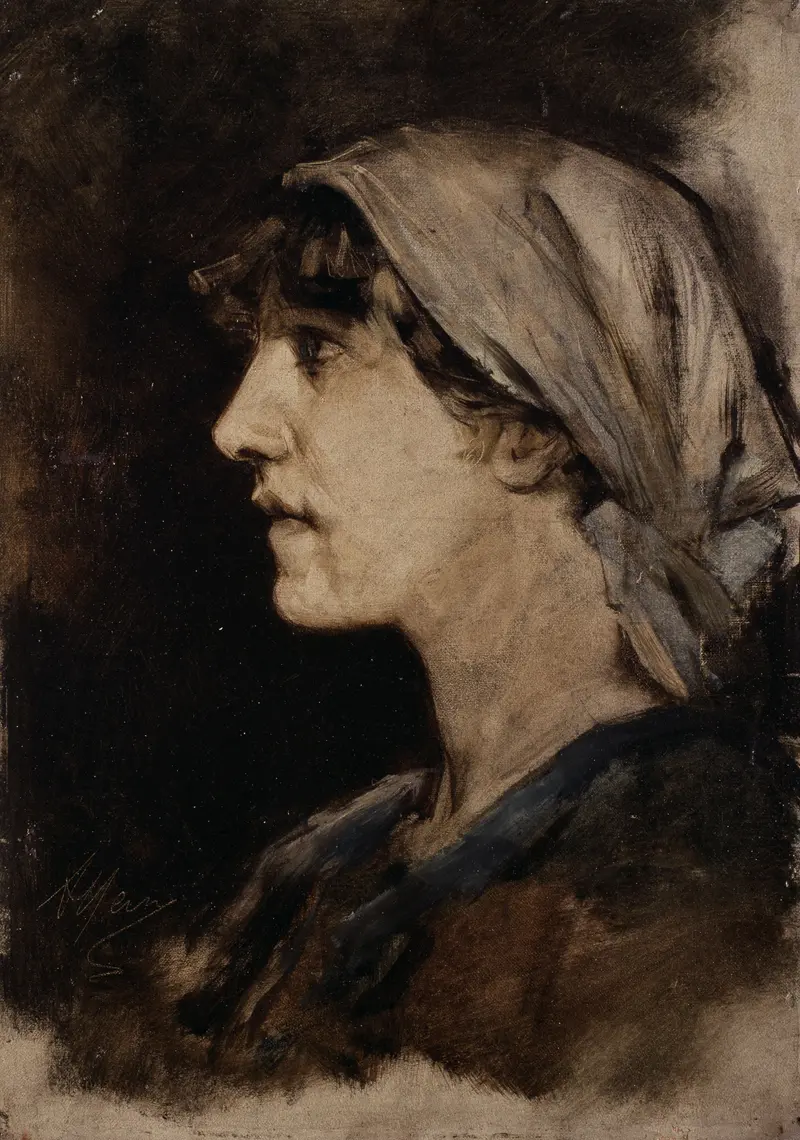
Young Woman in Profile (study)
Armand Heins
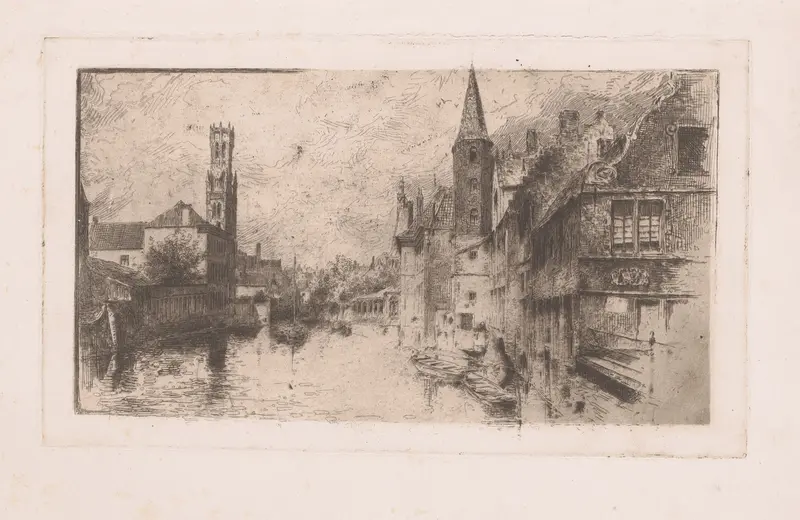
Stadsgezicht met gracht en toren
Armand Heins
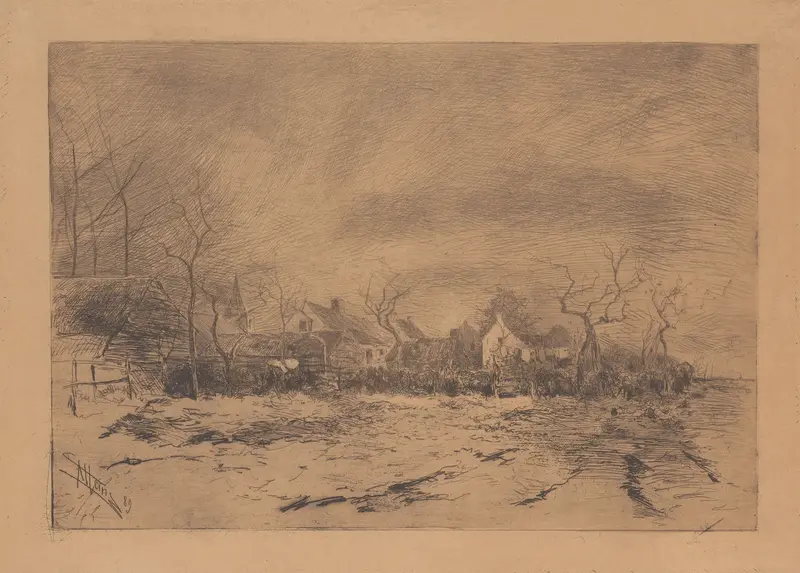
Dorpsgezicht
Armand Heins
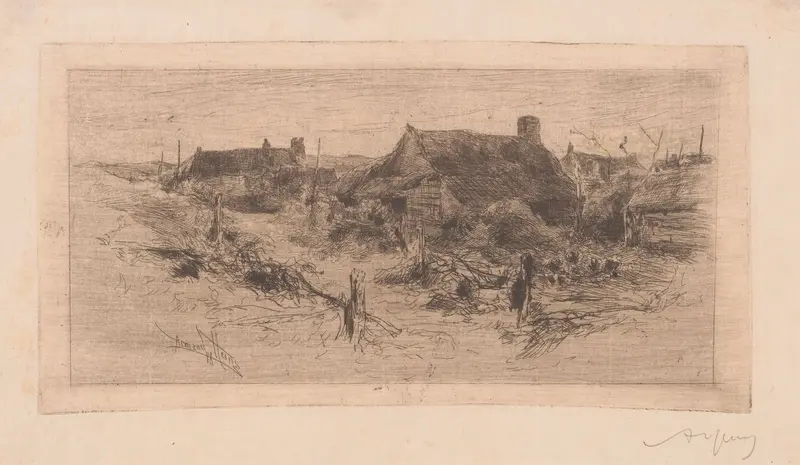
Landschap met huizen
Armand Heins
More Landscape Art

The Starry Night
Vincent van Gogh

View of Delft
Johannes Vermeer

Water Lilies
Claude Monet

The Grand Canal, Venice, looking north-west from the Ca' Corner to the Ca' Contarini degli Scrigni, with the campanile of Santa Maria della Carità
Canaletto

Windsor Castle
Canaletto

The Grand Canal looking North-East from the Palazzo Dolfin-Manin to the Rialto Bridge
Canaletto