
Covered market and guildhall in Ghent — History & Facts
What grips the eye first in Covered market and guildhall in Ghent is the forest of timbers and the almost theatrical display of meat, hanging in heavy, silent rows from the rafters. The painter, Armand Heins, draws us into the cool gloom of the market hall, where shafts of daylight filter through high windows and illuminate the pale, marbled flesh. Every surface is alive with detail: the rough grain of the beams, the glint of metal scales, the mottled textures of hams and carcasses.
The composition leads you deeper, past the stooped figures at their work, to the far recesses of the hall, where business and daily ritual blend in the half-light. Dogs curl at the foot of a laden cart, hinting at the scraps and bustle of a working market, while the presence of women in dark cloaks signals the guild’s order and discipline. This painting, made in 1883 and now held by the Museum of Fine Arts Ghent, belongs to a long tradition of Northern European market scenes, where the everyday commerce of food becomes a subject of almost architectural grandeur. In the 19th century, such works often served to document vanishing ways of life as industrialization swept through cities like Ghent.
Artists like Heins captured not only the physical reality of these spaces but also their social rhythms—the rules, hierarchies, and quiet dramas of trade. While history has kept few traces of this particular market’s daily stories, the painting stands as a record of a world where guilds still governed trade and the market hall was both a stage and a sanctuary. Every detail invites you to linger, to imagine the sounds and smells that once filled this shadowed interior.
More Artworks by Armand Heins
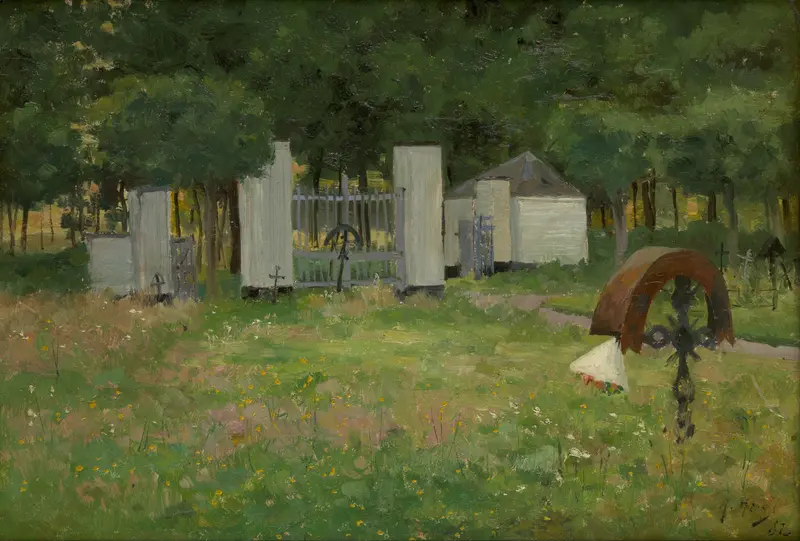
The Old Graveyard in Wondelgem (Ghent)
Armand Heins
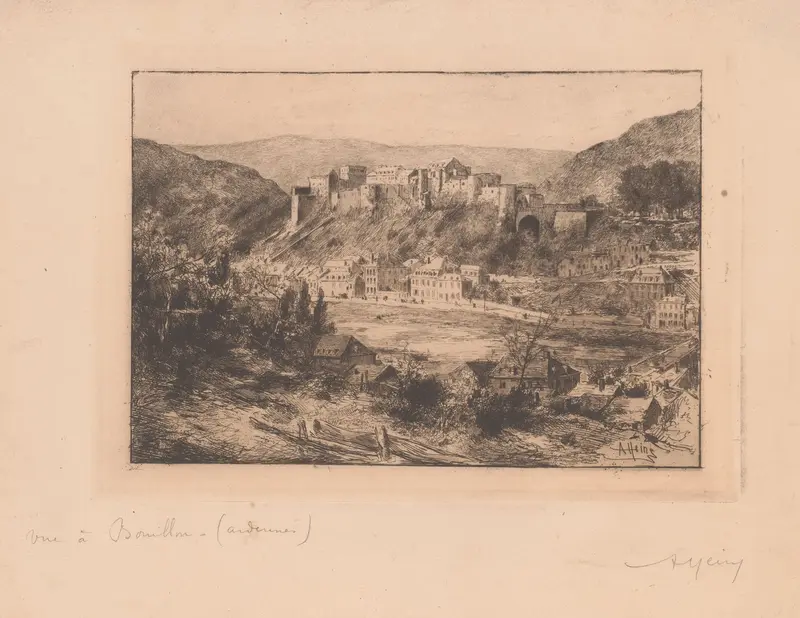
Gezicht op het kasteel te Bouillon
Armand Heins
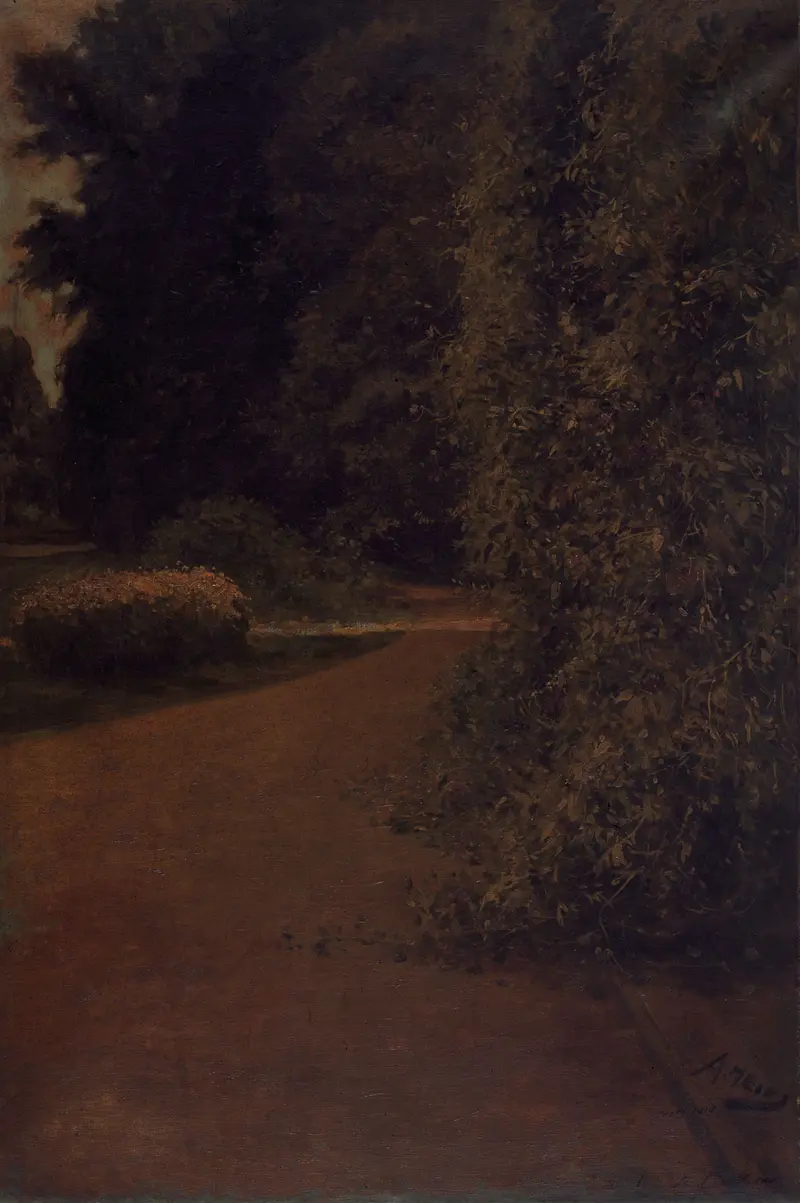
Bottelare Park (Merelbeke)
Armand Heins
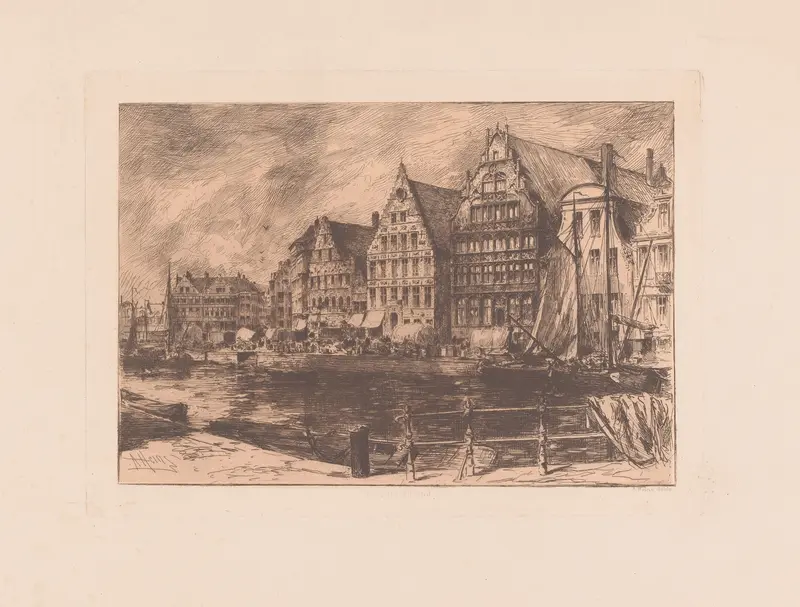
Gezicht op de kade in Gent
Armand Heins
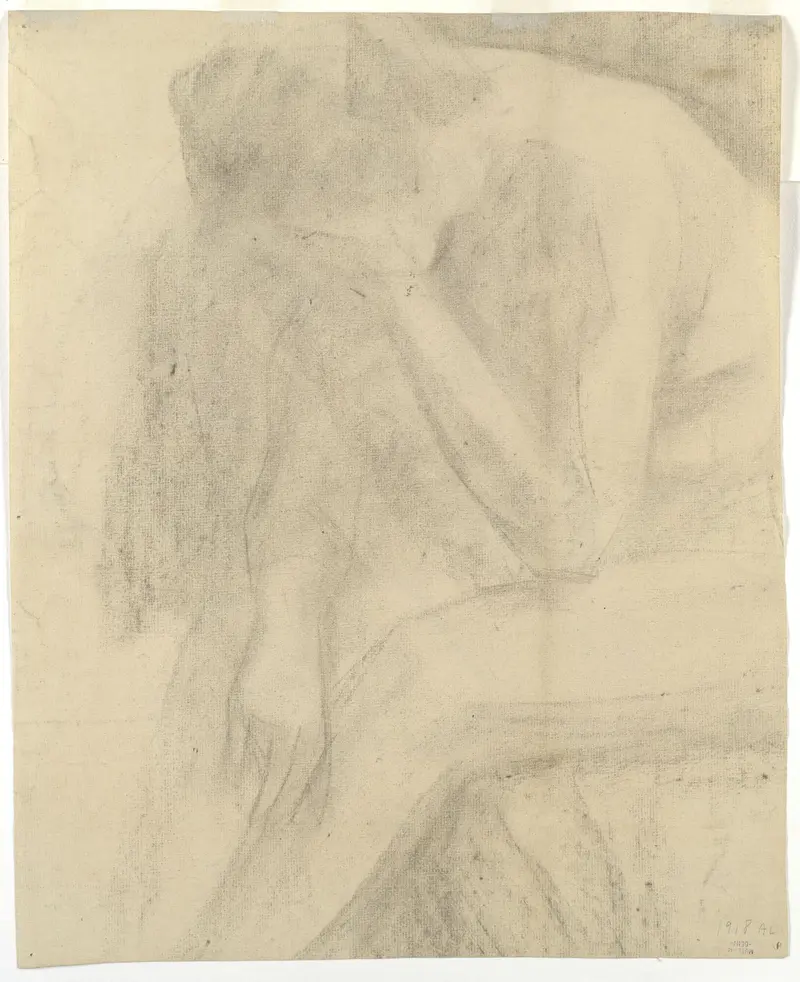
Naaktstudie (keerzijde Naaktstudie van een vrouw) Museum voor Schone Kunsten Gent 1
Armand Heins
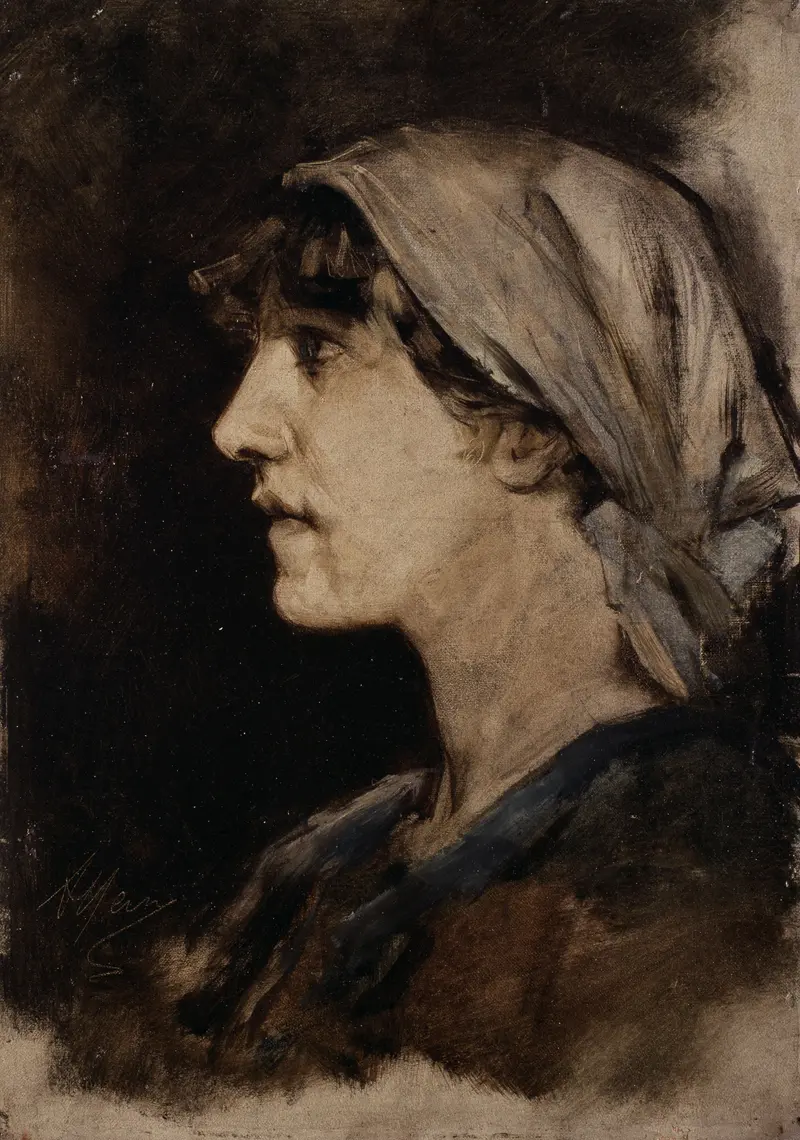
Young Woman in Profile (study)
Armand Heins
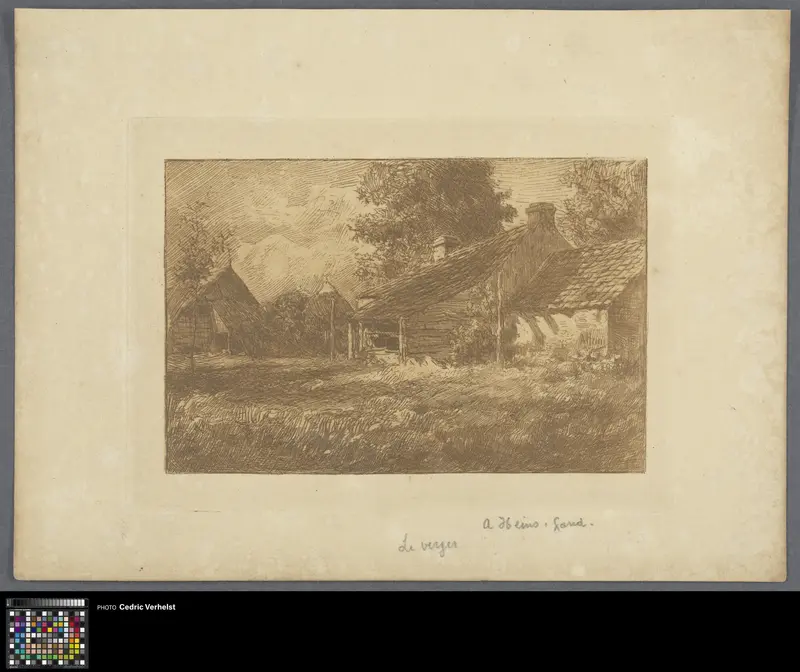
Farm
Armand Heins
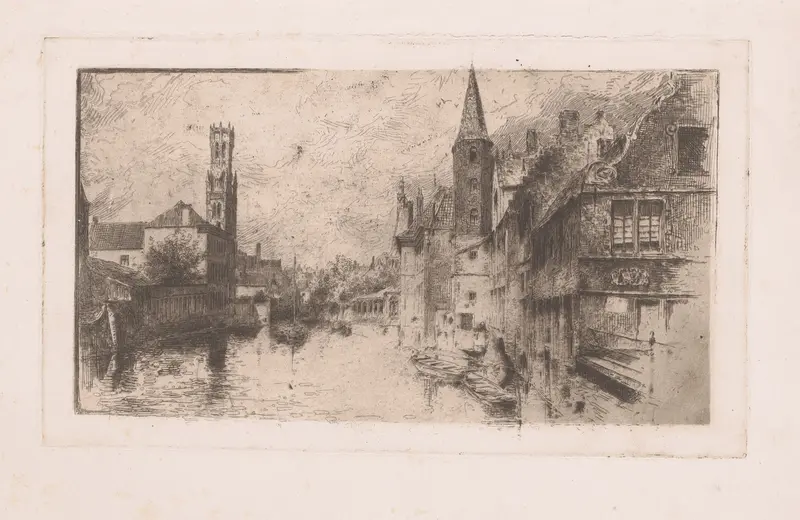
Stadsgezicht met gracht en toren
Armand Heins
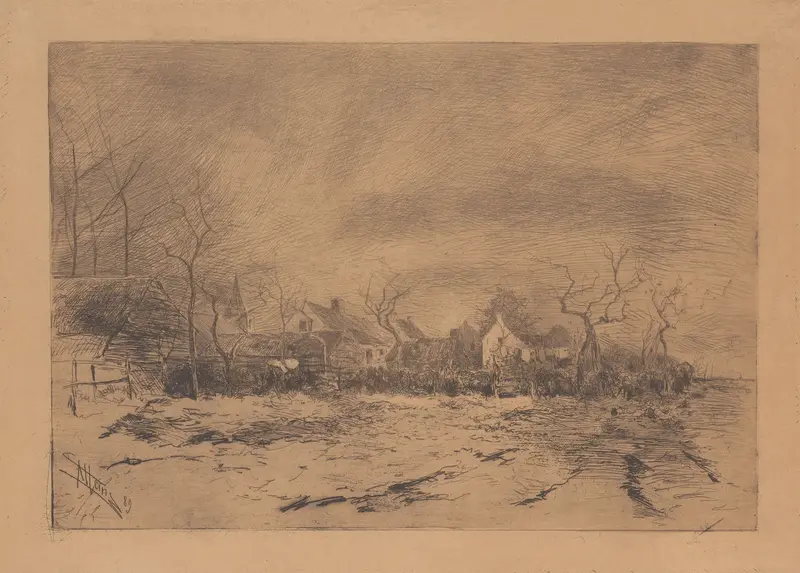
Dorpsgezicht
Armand Heins
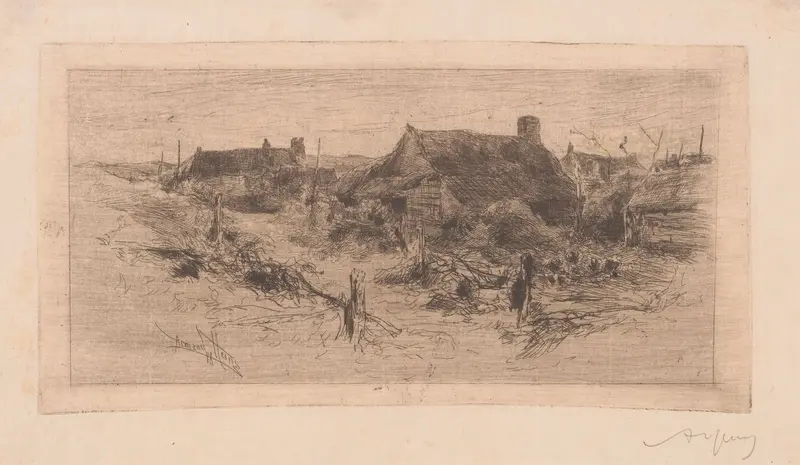
Landschap met huizen
Armand Heins
More Genre Scene Art

Banquet of the Officers of the St George Civic Guard
Frans Hals

Rembrandt and Saskia in the Scene of the Prodigal Son
Rembrandt van Rijn

Bal du moulin de la Galette
Pierre-Auguste Renoir

Quadrille at the Moulin Rouge
Henri de Toulouse-Lautrec

A Burial at Ornans
Gustave Courbet

When Will You Marry?
Paul Gauguin