
Farm in Normandy, c. 1885-86 — History & Facts
Who listens when art speaks of silence? In Farm in Normandy, the stillness of the landscape invites contemplation and gratitude, reminding us of the quiet power of nature. Look to the foreground, where the soft greens of the grass and rich browns of the earth converge, creating a gentle pathway that leads the eye toward the farmhouse nestled in the distance. The brushwork, thick and textured, captures the essence of the land, each stroke a conversation between the artist and the canvas. Notice the vivid contrasts between light and shadow; the sun spills warmly over the fields, while the darker hues cast a serene depth, suggesting both comfort and mystery in the rural scene. Beyond the visible, emotional tensions pulse beneath the surface.
The farmhouse, though sturdy, seems to blend into the landscape, echoing a sense of transience. It stands as a testament to human existence—tenuous yet enduring—amidst the vast, unyielding terrain of nature. The way the trees frame the scene hints at protection, yet they also represent the inevitable passage of time, inviting reflections on permanence and change.
This duality resonates with the viewer, urging a connection between humanity and the earth. Paul Cézanne painted this work during a time of personal introspection and artistic evolution in the late 19th century. Residing in the South of France, he was deeply influenced by the Impressionist movement but sought to develop a unique, individual style, bridging the gap between Impressionism and modernism. As he embraced a more structured approach to composition and form, Farm in Normandy emerged as a reflection of his ongoing dialogue with nature and the essence of creation itself.
More Artworks by Paul Cezanne
Browse all →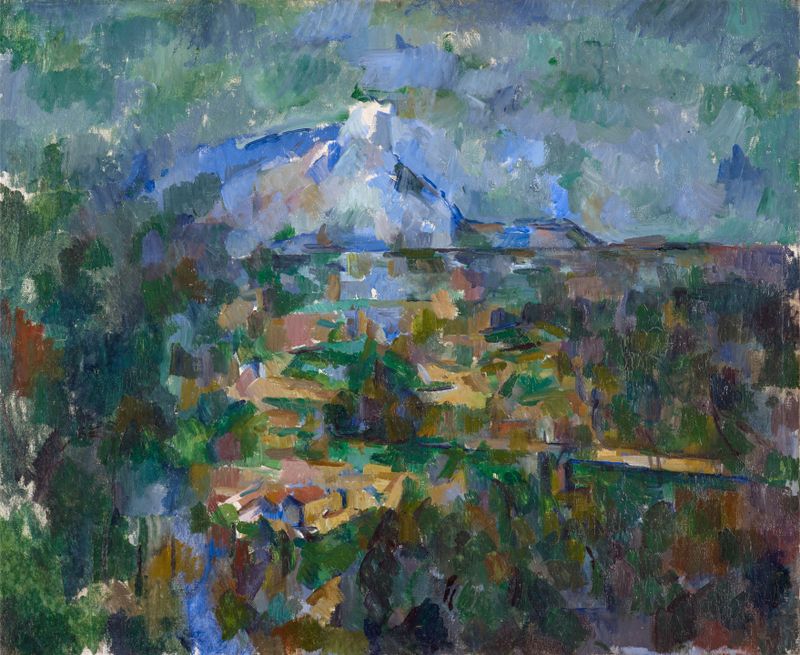
The Mont Sainte-Victoire Seen From Les Lauves
Paul Cezanne
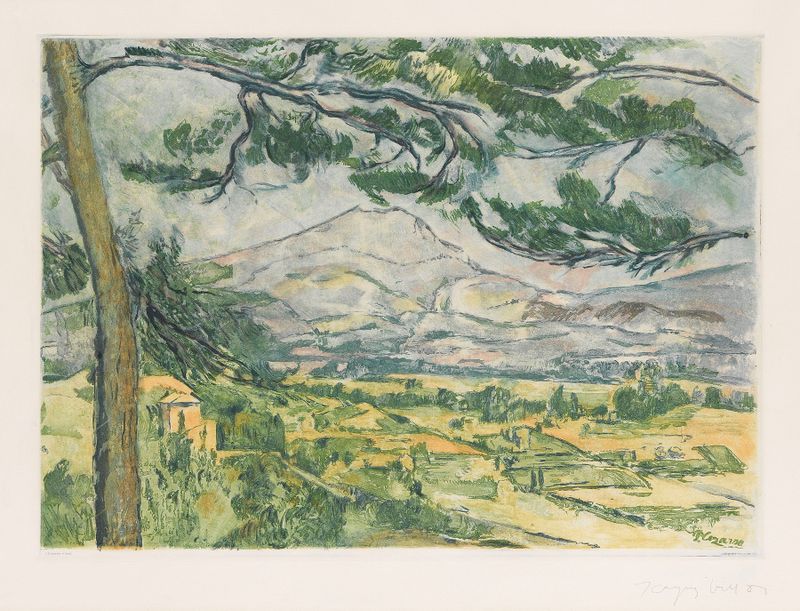
La Montagne Sainte-Victoire
Paul Cezanne
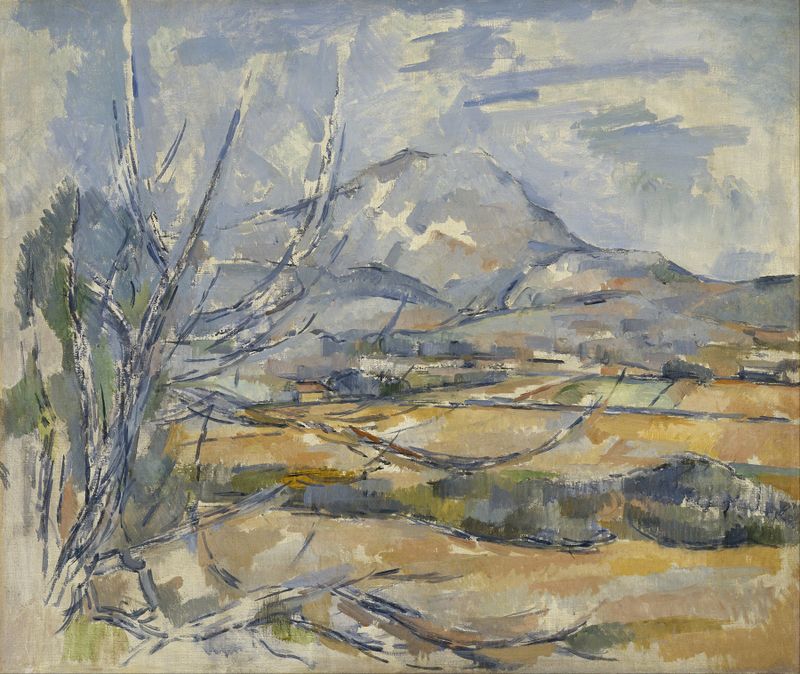
Montagne Sainte-Victoire
Paul Cezanne
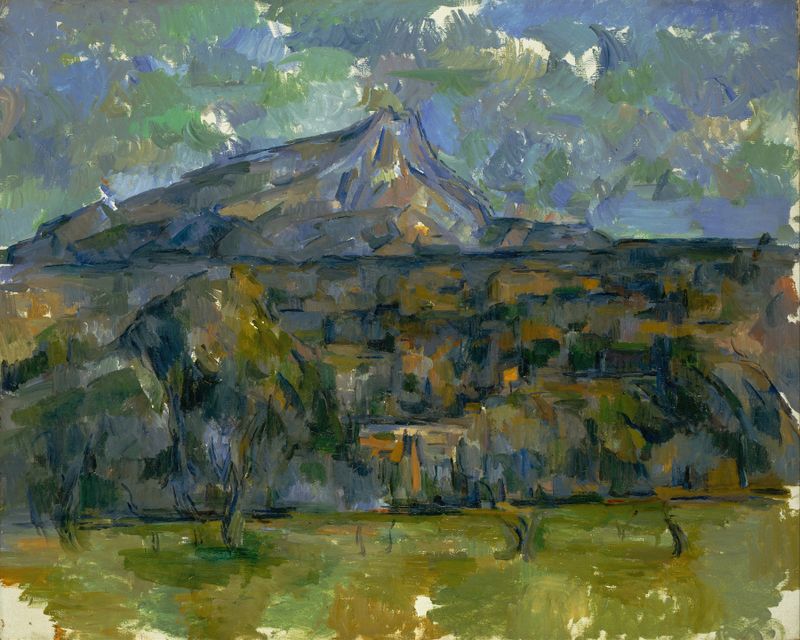
Mont Sainte-Victoire
Paul Cezanne
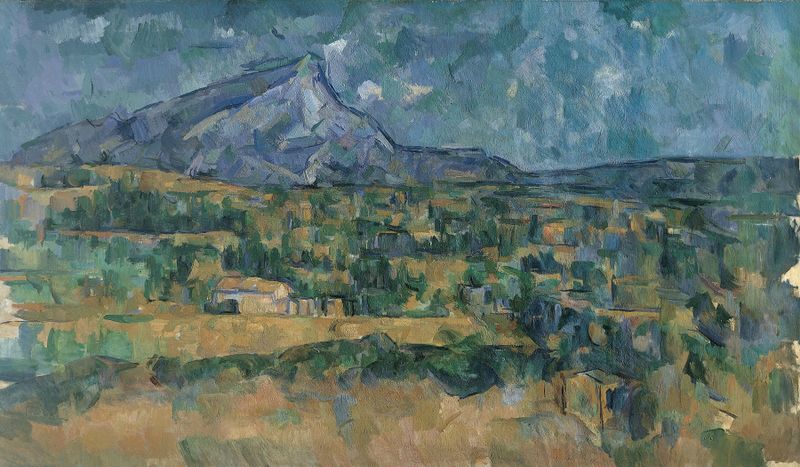
Mont Sainte-Victoire
Paul Cezanne
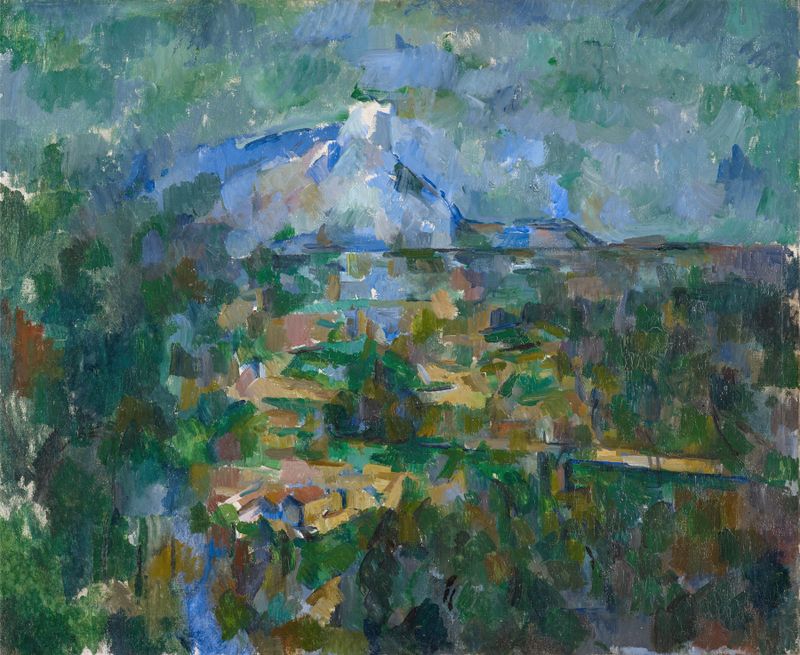
View of Mount Sainte-Victoire from Les Lauves
Paul Cezanne
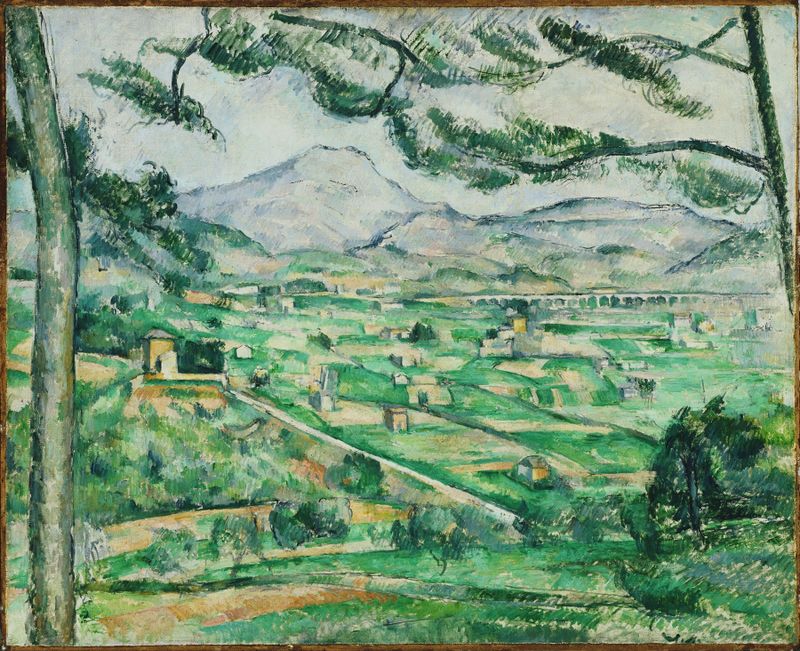
Mont Sainte-Victoire 2
Paul Cezanne

The Basket of Apples
Paul Cezanne

Mount Sainte-Victoire
Paul Cezanne
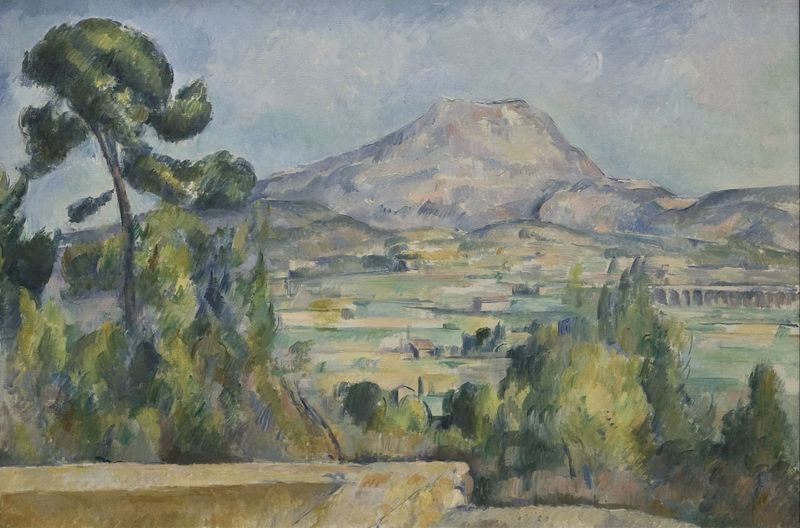
Montagne Saint-Victoire
Paul Cezanne





